







Introduction:Panama Geisha coffee is renowned for its high prices and distinctive flavors, yet many still have only a partial understanding of its variety background, regional grading, and brewing essentials. This article traces the origins of this Ethiopian heirloom variety, explains in detail the grading logic and flavor differences of the Emerald Estate’s Red, Green, and Blue labels, and thoroughly analyzes the four key factors behind its high pricing. It also provides practical pour over recommendations and parameter settings to help coffee enthusiasts grasp everything from recognition to brewing in one go.
In the global specialty coffee market, Panama Geisha (Geisha/Gesha) coffee beans have long topped the list of high-priced offerings, yet their varietal origins, regional characteristics, and pricing reasons are often misunderstood. This article systematically outlines the development trajectory of Geisha from Ethiopia’s Gesha Mountains to Panama’s Emerald Estate, analyzes the flavor profiles of the three major graded lots, explores the supply-demand logic behind its expensive price tag, and shares professional pour over suggestions to help readers fully understand this star coffee bean.
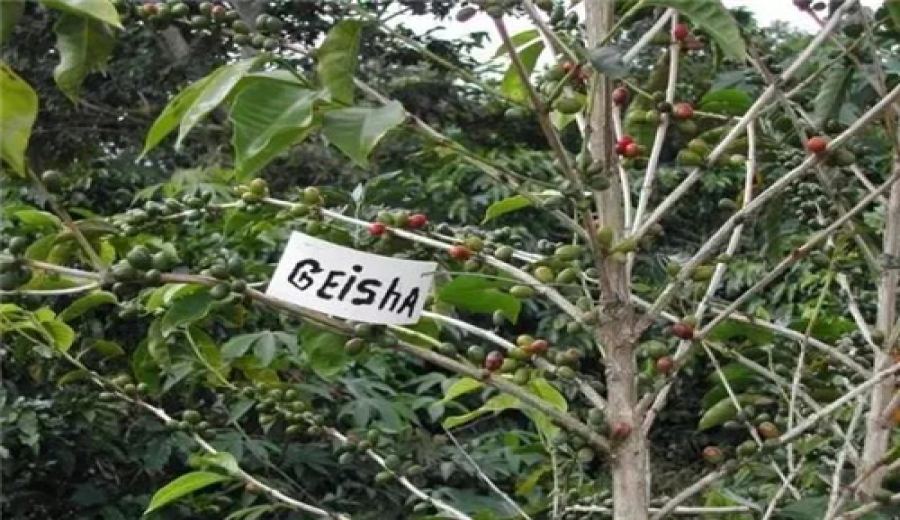
Geisha (Geisha/Gesha) is the botanical name of the coffee variety, named after the Gori Gesha Forest in the Gesha Mountains of southwestern Ethiopia. It is important to note that this variety has the same pronunciation as the Japanese word for “geisha,” so the industry mostly uses the “Gesha” spelling to avoid confusion. Currently, Geisha coffee beans on the market mainly come from Panama, Ethiopia, Costa Rica, and other countries. Among them, Panama Geisha gained fame largely due to promotion by the Emerald Estate, though its genetics actually differ significantly from the original Ethiopian variety.
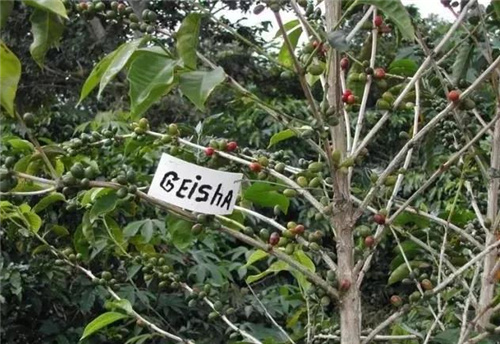
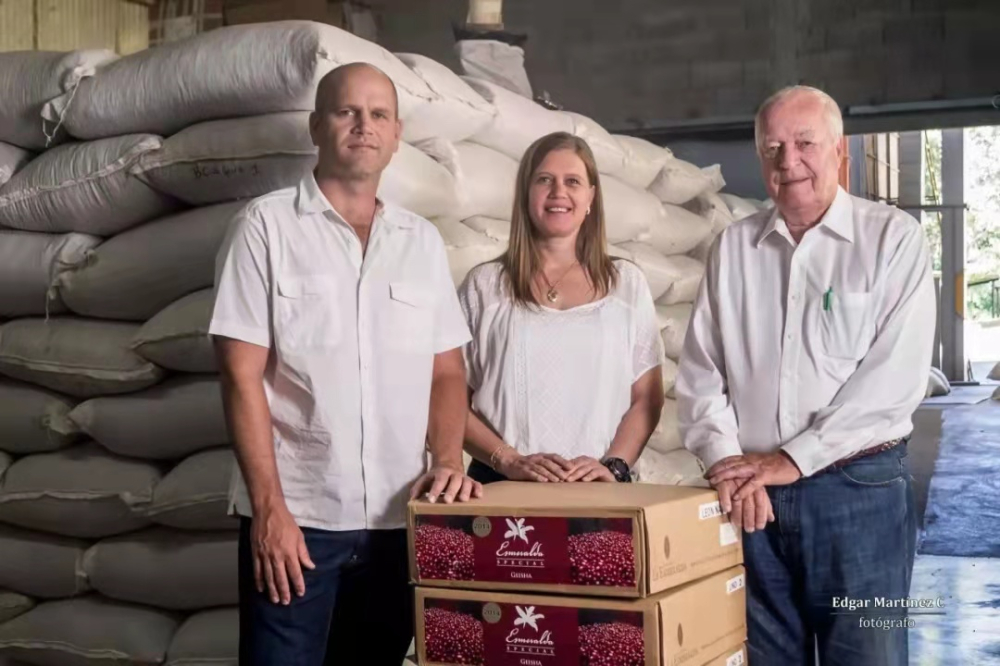
Panama’s Emerald Estate is a key driver behind the Geisha variety. The estate categorizes Geisha into three major graded lots based on planting altitude and microclimate. The Red Label Geisha is selected from high-altitude plantations (1600 to 1800 meters) in the Jaramillo and Canas Verdes regions, with cupping scores above 90. Its flavors are dominated by jasmine, bergamot, and tropical fruits, and it comes in both auction and non-auction versions. The Green Label combines beans from multiple micro-regions at medium-high altitudes (1600–1800 meters). Though not part of the auction, it presents a clear jasmine tea-like character through either washed or natural processing, with bright acidity and prominent sweetness; the natural version often carries notes of passionfruit and floral tea in the finish. The Blue Label originally consisted of medium-altitude (1400–1500 meters) mixed beans (including those from the Veil region), but this grade was discontinued starting in 2021.
The reasons for Geisha’s high prices can be summarized into four factors: First, after winning the Panama Cup of Excellence in 2004, its intense floral aroma and clean fruity acidity were certified by the Specialty Coffee Association (SCA) as top-tier quality; second, the microclimates and high altitudes suitable for Geisha cultivation are difficult to replicate, and factors such as climate change and leaf rust threats make yields extremely limited; third, demand for Geisha in Asian markets (especially China) has risen rapidly, creating a supply shortage that drives up prices; finally, the auction system further amplifies the scarcity effect, with only the highest bidders able to secure the top lots.
For coffee enthusiasts wanting to try Geisha, one brand’s Panama Emerald Estate Green Label Geisha (100g/168 yuan) is a cost-effective choice, with each pack yielding about 6 cups (approximately 28 yuan per cup). Another recommended option is washed Bouquet Geisha (98 yuan/100g), suitable as an everyday coffee bean. For brewing, it is advised to use medium-light roasting to preserve acidity, paired with a V60 filter cone (water temperature 91–92°C, brew ratio 1:15, grind size similar to fine sugar/80% passing through a #20 sieve), using high water temperature and fine grind to enhance the layers of floral and fruity notes.
The flavor characteristics of each graded Geisha are distinct: the Red Label features rose, citrus, roasted rice, and berries, accompanied by honey sweetness and a rich juice-like body; the Green Label emphasizes jasmine floral notes and citrus tones, with outstanding sweetness and an aftertaste that includes orange peel and cantaloupe aromas; the washed Bouquet version showcases a clean lemon acidity, transitioning in the mid-palate to a creamy smoothness, with the finish resting on green tea and honey sweetness. It is particularly worth noting that Geisha coffee cherries must be hand-selected for full ripeness, and during harvest season, more reliance is placed on indigenous experience for selection—this is also a key to its high quality.
When brewing Geisha, freshness is crucial—choose beans roasted within 5 days and enjoy them within 4–7 days of receipt during the degassing period. If purchasing coffee powder, brew immediately to preserve flavor, as oxidation occurs rapidly. In addition, the V60 filter cone’s 60-degree spiral ridges extend the contact time between water and coffee grounds, and its large central hole helps prevent over-extraction. Users can further control extraction evenness by adjusting pouring speed and number of pours.
The above content is compiled by CoffeeHunters, a coffee news website.


