







Introduction:A renowned origin's Mandheling is the most iconic classic black coffee from Sumatra, celebrated for its rich, full-bodied flavor, low acidity, and lack of bitterness, beloved by coffee enthusiasts worldwide. This article delves into its regional characteristics, the G1 to G6 grading system, the unique wet-hulling processing method, and provides a detailed analysis of the bean profile of Lintong Mandheling from this region, along with its medium-to-dark roast flavor profile. It also offers practical pour-over recommendations and extraction parameters for different roast levels to help you fully grasp the essence of this classic Indonesian coffee.
Lintong Mandheling is one of the most representative classic coffees from Sumatra, Indonesia, winning global acclaim for its rich, full-bodied taste, low acidity, and absence of bitterness, paired with unique herbal and woody aromas. This article begins with the origin of the name "Mandheling," explores Indonesia’s coffee grading standards, and provides an in-depth analysis of the characteristics of the two major regions—Lake Toba and Lake Takengon. Next, we’ll guide you through the key steps of the wet-hulling process, examine the green bean features of Lintong Mandheling, and outline its flavor profile under medium-to-dark roasts. Finally, we provide practical pour-over parameters and brewing tips for different roast levels to help you understand both the regional background and key tasting notes of this classic black coffee.
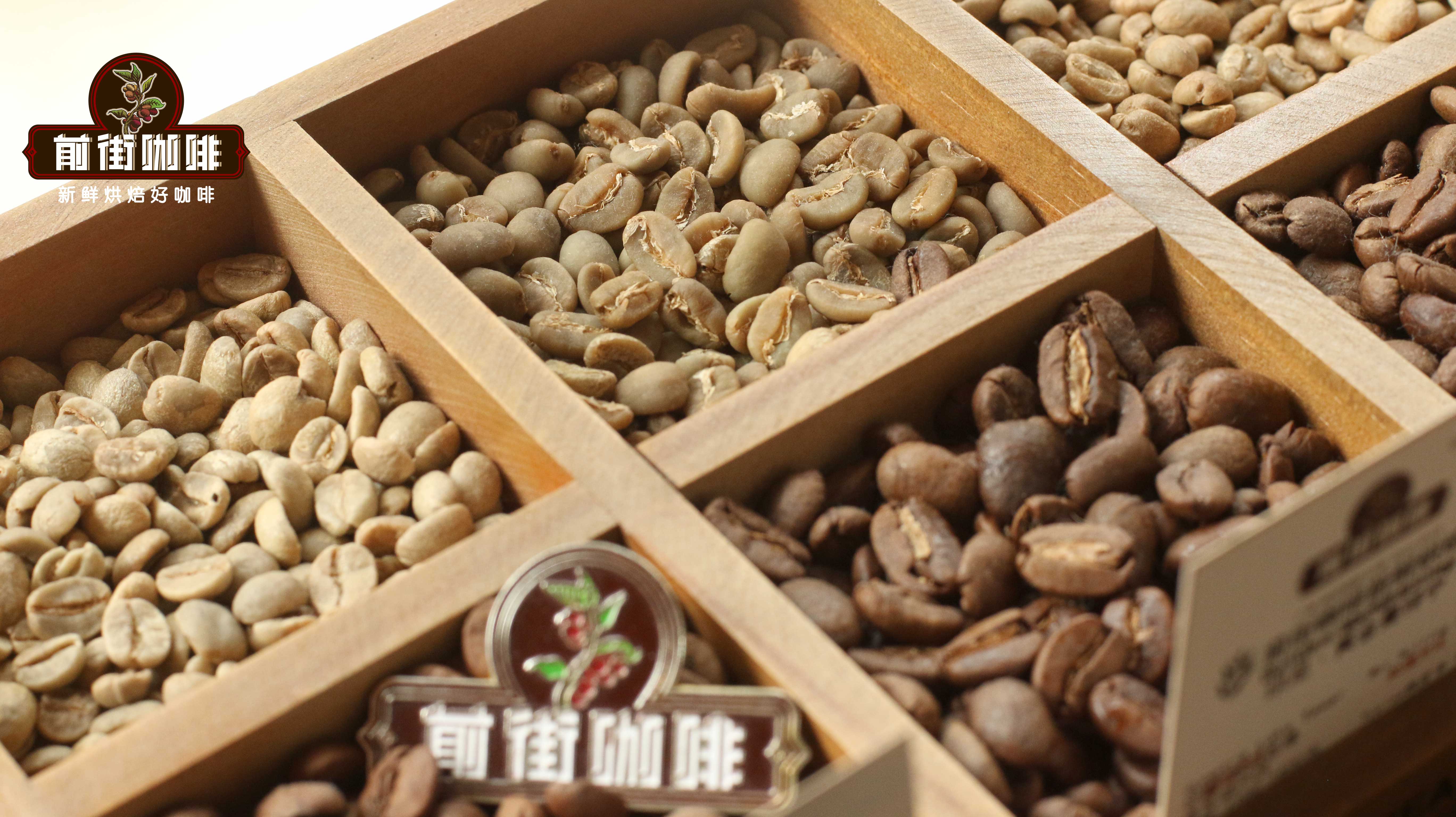
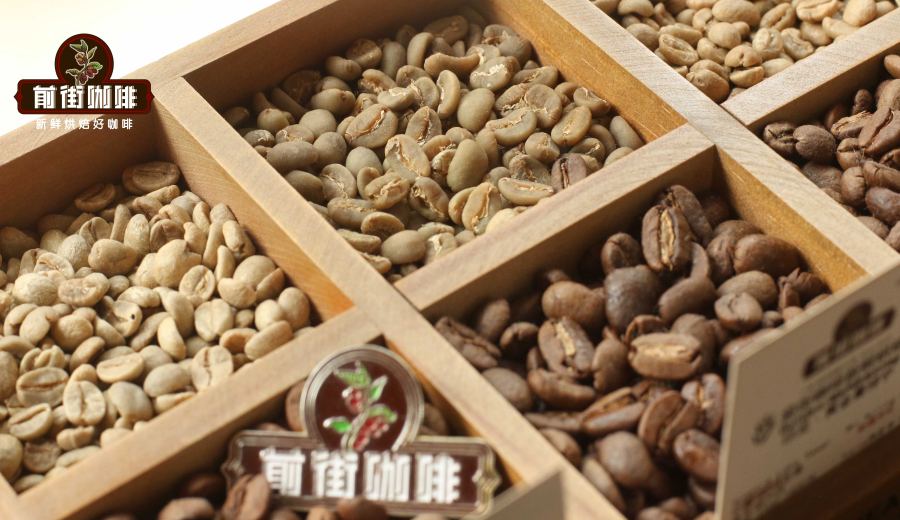
Although the green beans of Lintong Mandheling produced by a well-known brand may not look particularly striking, once properly roasted, the roasted beans display a plump, glossy color that fully embodies the typical style of Sumatran Mandheling. The flavor of this coffee is classic among classics, generally bold and heavy in body, yet layered within its richness. It is neither astringent nor acidic, with bitterness and body perfectly balanced. Many consider Mandheling to be one of the world’s most full-bodied coffees. When tasted, the tongue perceives a distinct smoothness, with low acidity and a subtle herbal aroma.
01 | Region Overview
The name "Mandheling" is not actually a region, place, port, or coffee variety. Its origin traces back to a misunderstanding during World War II. A Japanese soldier in Indonesia tasted an exceptionally aromatic coffee and asked the shopkeeper what kind it was. Mistaking the question for an inquiry about his background, the shopkeeper replied "Mandheling." After the war, the soldier recalled that coffee and asked an Indonesian trader to send 15 tons of beans to Japan. The shipment was met with great acclaim, and the name "Mandheling" has been used ever since.
There are many types of Mandheling, including Lintong Mandheling, Golden Mandheling, etc., with differences mainly arising from varying regions and processing methods. In fact, coffee beans from many parts of Indonesia can be called Mandheling if they meet certain criteria, though they are distinguished by region, supplier, or quality grade under different names. Commonly found Mandheling types on the market today include Lintong Mandheling, Golden Mandheling, Tiger Mandheling, and Aged Mandheling.
Indonesia uses the percentage of defective beans as the basis for grading coffee beans, divided into six grades from G1 to G6, with G1 being the highest. As the world’s largest archipelagic nation, Indonesia introduced Arabica coffee during Dutch rule in the 18th century, with main production areas concentrated on the three large islands of Sumatra, Java, and Sulawesi. Among them, Sumatran Mandheling is renowned for its rich, low-acid, and bold flavor, hailed as "an important coffee of the world," with North Sumatra’s Aceh and Lake Toba regions being major production areas.
Sumatra’s geographical environment is unique, surrounded by sea, facing Java across the Sunda Strait to the east, separated from the Malay Peninsula by the Malacca Strait to the north, and facing Borneo across the Karimata Strait to the east, while bordering the Indian Ocean to the west. Coffee cultivation has a long history, with the Typica variety introduced from India in the late 17th century. Over centuries of adaptation, locally distinctive varieties have developed. However, due to growing environments and processing methods, Mandheling’s quality has occasionally been debated, making selection and roasting especially crucial.
The so-called "Two Lakes, Two Mandhelings" refer to the two major production regions of Lake Toba in northern Sumatra and Lake Takengon in Aceh. Both areas are known for producing high-quality Mandheling. Lake Toba is located in North Sumatra Province at the northern tip of Sumatra, the world’s largest volcanic lake, covering 1,130 square kilometers with an average elevation of about 900 meters. During the Dutch colonial period, "Java Mandheling" was relocated here, giving rise to the classic Mandheling region around Lintong. Coffee here is mostly grown at high altitudes, with stable quality and flavors that are rich and layered.
In contrast, Lake Takengon is much smaller, less than one-tenth the size of Lake Toba, but in recent years its coffee quality and yield have improved significantly, gradually drawing market attention. Located in the Gayo Highlands of Aceh Special Region at the northern tip of Sumatra, Lake Takengon primarily produces coffee from the Gayo area, often using the Ateng variety. Compared to Lake Toba, Mandheling from here tends to have brighter fruit acidity, occasionally with woody or cedar-like notes, offering a slightly different flavor direction that is equally worth savoring.
02 | Processing Method
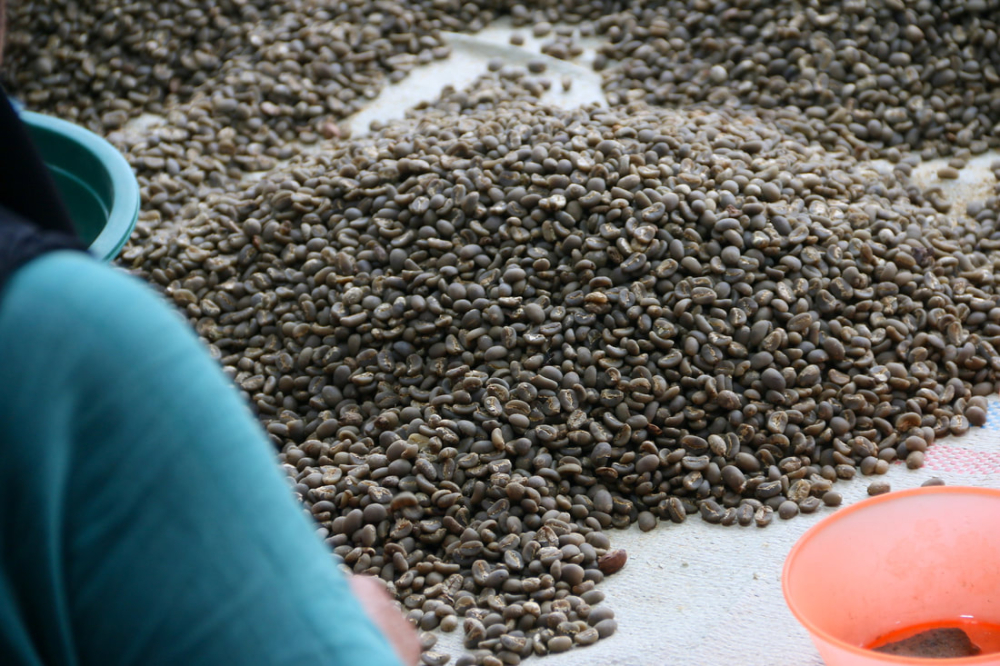
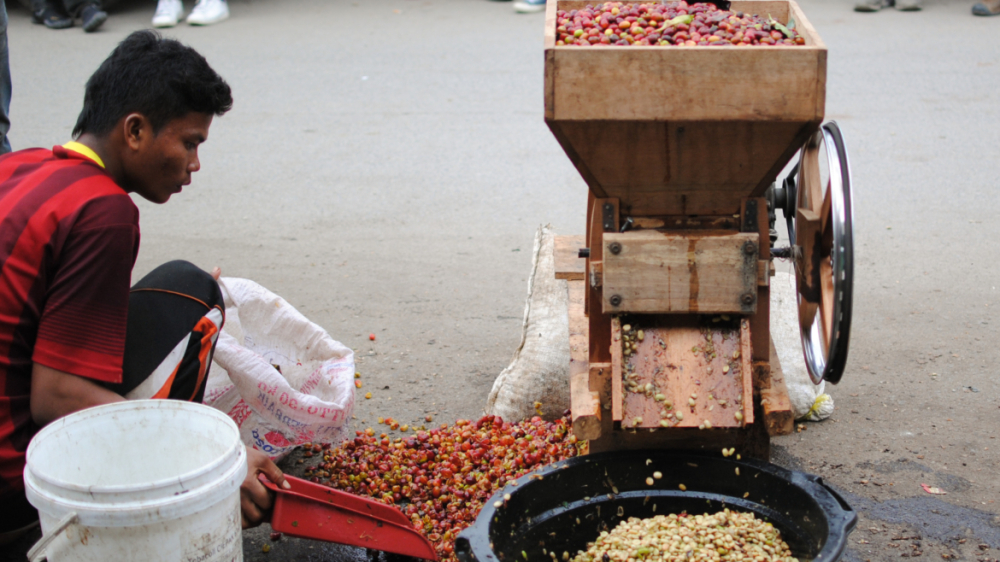
One of the most unique processing methods in Indonesian coffee is the "wet-hulling" method, also known as Wet Hulling or locally as Giling Basah. Though similar in appearance to the common washed process, the cup profile is vastly different. Coffee processed via wet hulling is typically bold, intense, distinctive in character, and uniquely flavorful.
The wet-hulling process generally follows these steps:
① First, the skin and pulp of the coffee cherry are removed, leaving the parchment and mucilage.
② The mucilage-covered beans are then placed in water tanks for fermentation.
③ The mucilage is washed off.
④ The beans, still in parchment, are sun-dried until the moisture content is reduced to 20–24%.
⑤ The parchment is removed (hulled).
⑥ The green beans are further dried to a moisture content of 12–13%.
⑦ Once completed, the beans are ready for export.
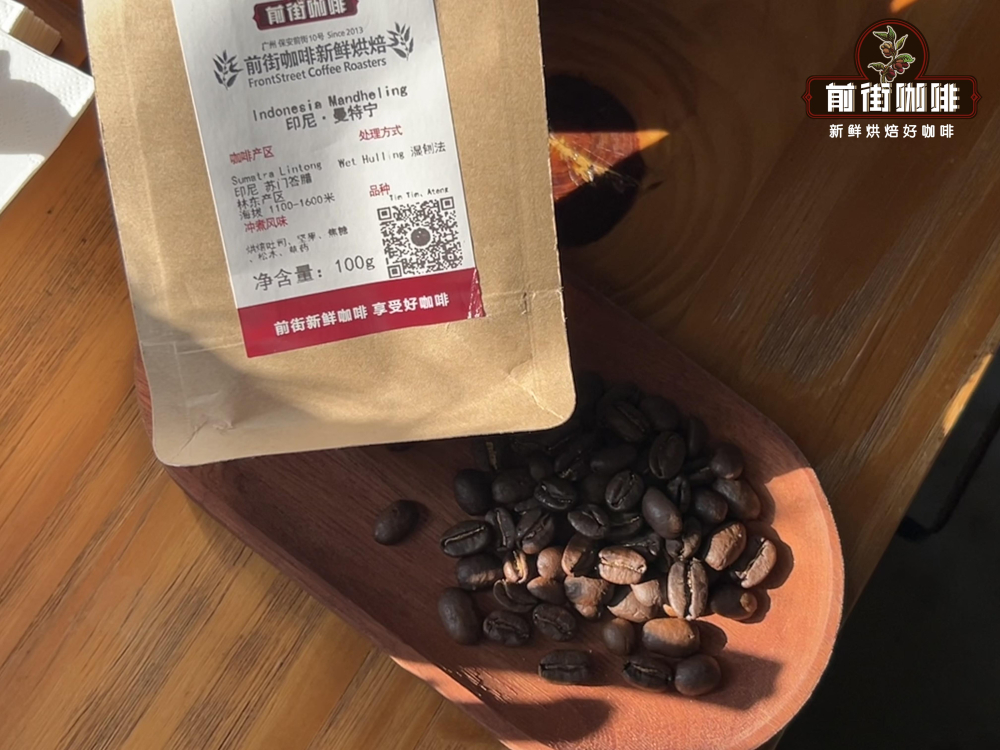
The Lintong Mandheling produced by a well-known brand is G1 grade, sourced from the Lintong region in northern Sumatra, and is one of the classic "Two Lakes, Two Mandhelings." Compared to beans from the Lake Takengon region, Lintong Mandheling offers a slightly different flavor profile: Mandheling from Lake Toba typically presents a deeper, more muted aroma, sometimes with notes of grass jelly or herbs, whereas beans from Lake Takengon tend to have brighter fruit acidity, occasionally with woody or cedar-like tones.
Flavor Profile
The flavor profile of a well-known brand’s Lintong Mandheling G1 is quite distinct, especially under medium-to-dark roasting. Its taste is rich and mellow, with clove and woody aromas. Upon tasting, the balance between sweetness and bitterness is harmonious, with layers of spice and a cool minty aftertaste unfolding. The bitterness is noticeable but not harsh, and the finish carries a strong sweetness with excellent body.
In terms of aroma, the dry scent offers a blend of glutinous rice, malt, spices, and woodiness. Once hot water is added, the wet aroma transforms into deep caramel and pine notes, accompanied by subtle earthy undertones. The green beans are usually plump in appearance, dark green or brown in color, and appear larger and more textured after roasting.
Pour-Over Recommendations
For different roast levels, adjust grind size and water temperature to achieve optimal extraction:
• Light Roast: Grind size ~3.5 (Hario Mini Slim / Kyocera ceramic), water temperature 90°C, brew ratio 1:15
• Medium-to-Dark Roast: Grind size 4, water temperature 88°C, brew ratio 1:15
• Dark Roast: Grind size 4.5, water temperature 86°C, brew ratio 1:15
For actual pour-over brewing, a Hario V60 filter cone is recommended. A blooming time of about 25 seconds is advised. For example, using a medium-to-dark roast, start with 15g of coffee, pour 30g of water for blooming, then pour up to 104g and pause, allowing the water level to drop before continuing to pour up to 220g. Total brew time is about 2 minutes. If using a siphon pot, French press, or Kono filter, you may also try high-temperature (90–92°C) long extractions. Begin with a small stream of water and multiple blooming phases to help bring out rich aromas and a full body.
The above content is compiled by CoffeeHunters, a coffee news website.


