







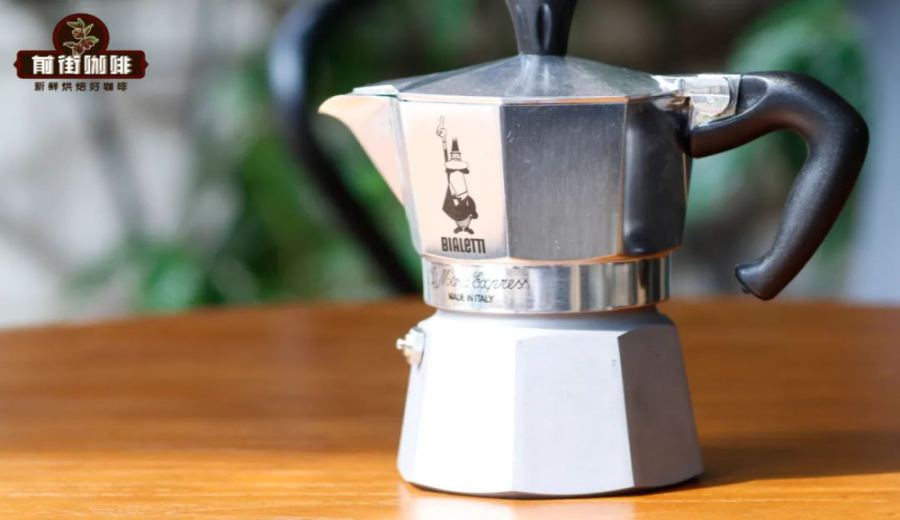
Introduction:Many coffee enthusiasts often encounter issues such as over-extraction, bitterness, and astringency when using a moka pot. In fact, these problems are closely related to coffee bean selection, grind size, and heating control. This article will delve into the structure and principles of the moka pot, teach you how to choose the right coffee beans based on different needs, and provide a detailed step-by-step guide along with solutions to common problems, helping you consistently extract richly crema-ed, well-balanced espresso.
Since its invention in 1933 by the Italian Alfonso Bialetti, the moka pot has become an indispensable coffee tool in many European households. This classic stovetop espresso maker allows you to easily brew coffee at home that closely resembles the flavor of traditional espresso. However, many users often complain that the coffee tastes too bitter, too astringent, or even has a noticeable burnt bitterness. In fact, these issues are mostly due to improper coffee bean selection, inaccurate grind size, or incorrect usage. This article will start with the basic structure of the moka pot and gradually guide you through the essentials of selecting beans, grinding, and brewing each step of the way.
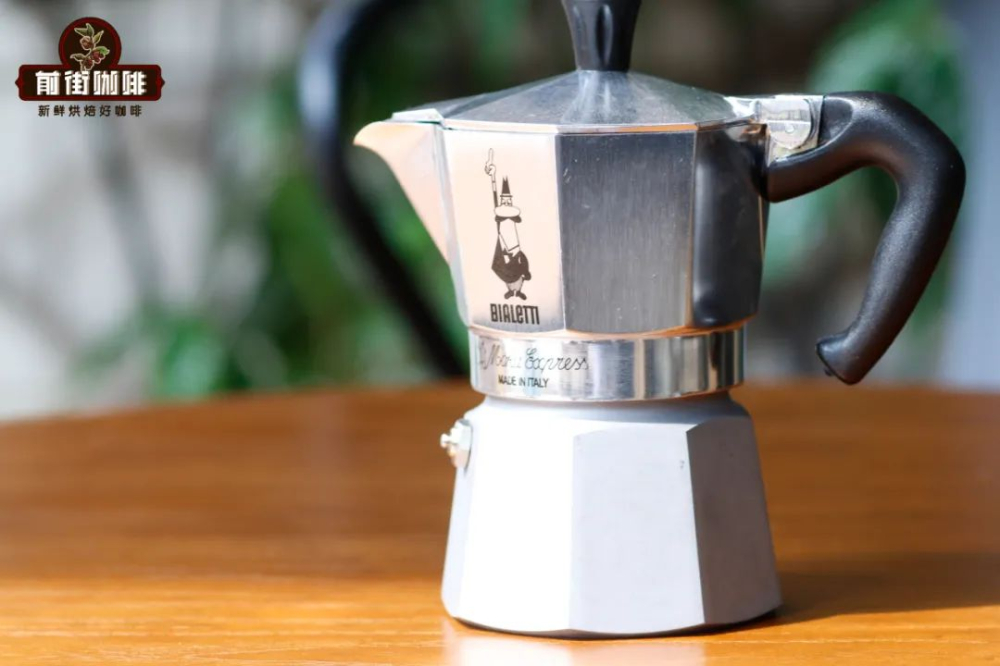
The moka pot is a device that uses steam pressure generated by heating to extract coffee. It was first introduced by the Italian designer Alfonso Bialetti in 1933 and remains one of the most common coffee makers in Italian households to this day. Over time, the material of the moka pot has evolved from early aluminum to the predominantly stainless steel used today, which is not only durable but also compatible with induction cooktops, making it more convenient to use. Moka pots on the market come in various sizes based on capacity, with the most popular being medium to small sizes that can brew 2–3 cups, suitable for family use or small gatherings.
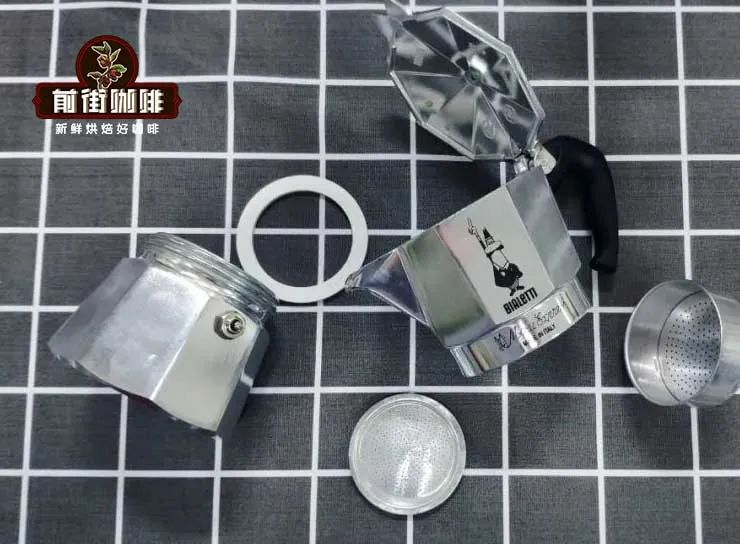
In terms of structure, the moka pot is mainly divided into an upper chamber and a lower chamber, with a filter basket in the middle for filling ground coffee. When the water in the lower chamber is heated, steam pressure gradually increases, forcing the hot water to rise through a central tube, passing through the fine layer of coffee grounds placed at the bottom of the upper chamber, extracting rich coffee liquid and aroma, which then flows into the upper chamber. This process is similar to the espresso extraction of an espresso machine, but the operation is simpler, which is why it is extremely popular among households and amateur coffee lovers.
Before using a moka pot, you need to prepare freshly roasted coffee beans, a heating tool (such as a ceramic stove or gas stove), a suitable grinder, and clean water. Among these, the choice of coffee beans has the greatest impact on the final flavor. Generally speaking, medium to dark roasted coffee beans can better release oils and rich aromas, making them suitable for making moka pot coffee with a full-bodied taste, and they also pair more easily with milk to create rich lattes or Americano variations.

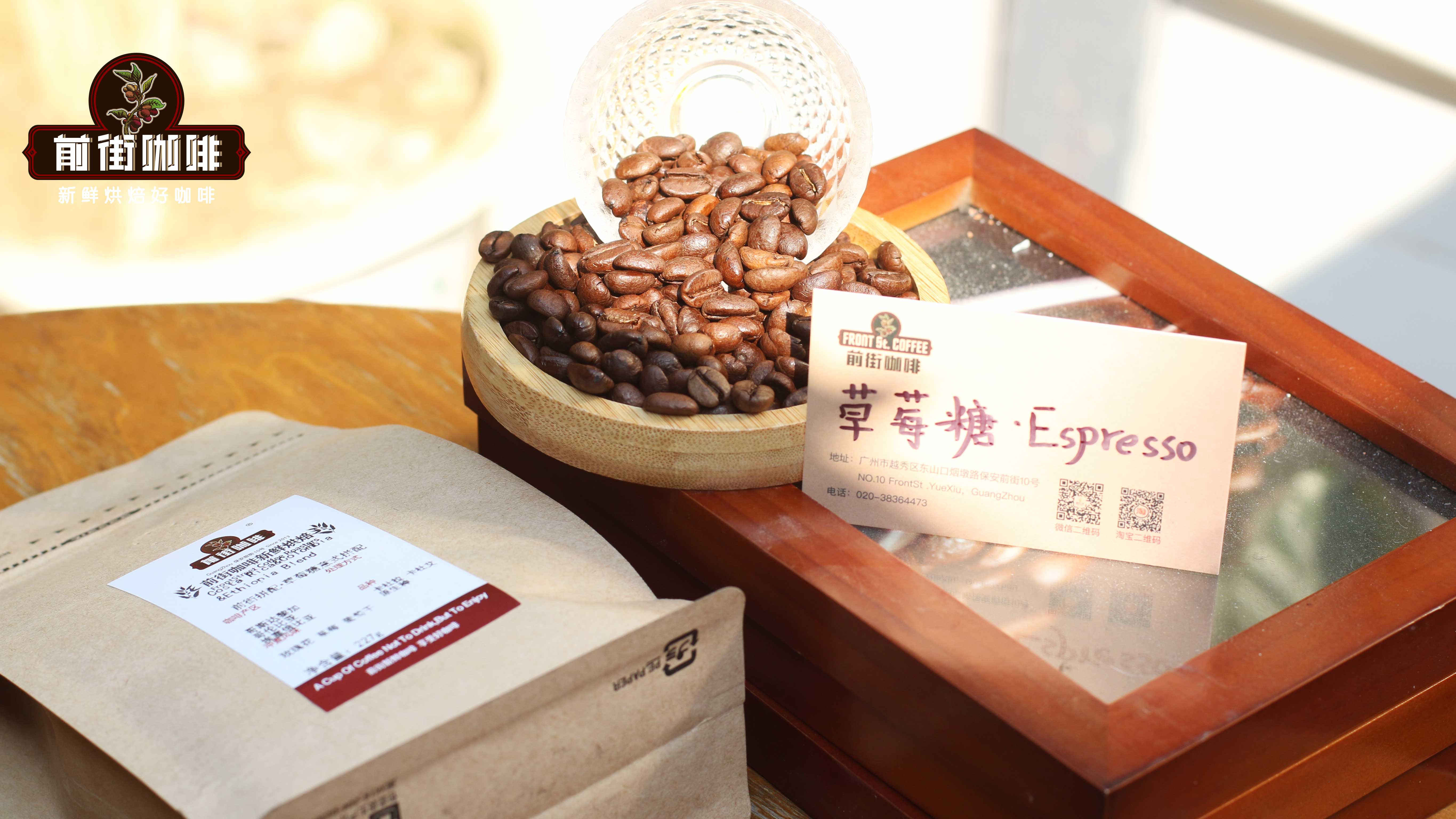
If you are new to using a moka pot, it is recommended to choose a balanced medium to dark roast blend. For example, a blend consisting of Brazilian, Indonesian, and Vietnamese beans usually has a warm caramel and nutty base, with excellent oil expression, making it easy even for beginners to handle. If you prefer fruity notes, you can try a medium roast bean blend, such as one based on Costa Rican honey-processed beans and Ethiopian natural beans, which offers a brighter flavor profile with gentle berry and caramel sweetness.
During actual operation, it is recommended to first pour hot water into the lower chamber, with the water level controlled about 0.5 cm below the safety valve to avoid the water touching the valve, which could cause abnormal pressure or even safety concerns. Using hot water instead of cold water can shorten the overall brewing time, help reduce the risk of over-extraction, and make the coffee taste fresher and more balanced. Next, grind the coffee beans slightly finer than for pour over, but slightly coarser than the coffee used in commercial espresso machines — roughly the same as the holes in the filter basket — to ensure smooth water flow and even extraction.
Place the prepared coffee grounds into the filter basket, gently level them without pressing too hard to avoid channeling. After reinstalling the filter basket, make sure the upper and lower chambers are tightly sealed without leaks, then place the moka pot on the heat source. It is recommended to use low to medium heat and heat slowly. When you hear a faint hissing sound from inside, it means the water is heating up and gradually building pressure. At this point, you can slightly reduce the flame and observe whether the coffee liquid begins to flow out slowly.
When the coffee liquid in the upper chamber reaches about half full, it is recommended to turn off the heat and let the remaining heat inside the pot complete the final stage of extraction. This not only helps avoid over-extraction but also results in a smoother coffee flavor. Please note that the moka pot is made of metal, and its surface becomes extremely hot after heating — handle it carefully to avoid burns. The finished coffee has a rich color and a full-bodied taste, making it suitable for drinking straight or customizing with milk according to personal preference.
If you find that the brewed coffee is too bitter or astringent, it is usually because the grind is too fine, causing the water to stay in contact with the coffee grounds for too long and extracting too many undesirable substances. In this case, adjust the grinder to make the grind slightly coarser, which can help improve extraction balance. Additionally, if the coffee flows out too quickly, it may indicate that the water temperature is too low or the grind is too coarse — you may need to moderately increase the heat or adjust the grind. Conversely, if the coffee flows too slowly or drips unevenly, it may be due to excessively high water temperature or too much pressure, so it’s advisable to reduce the heat or check whether the coffee layer is too tightly packed.
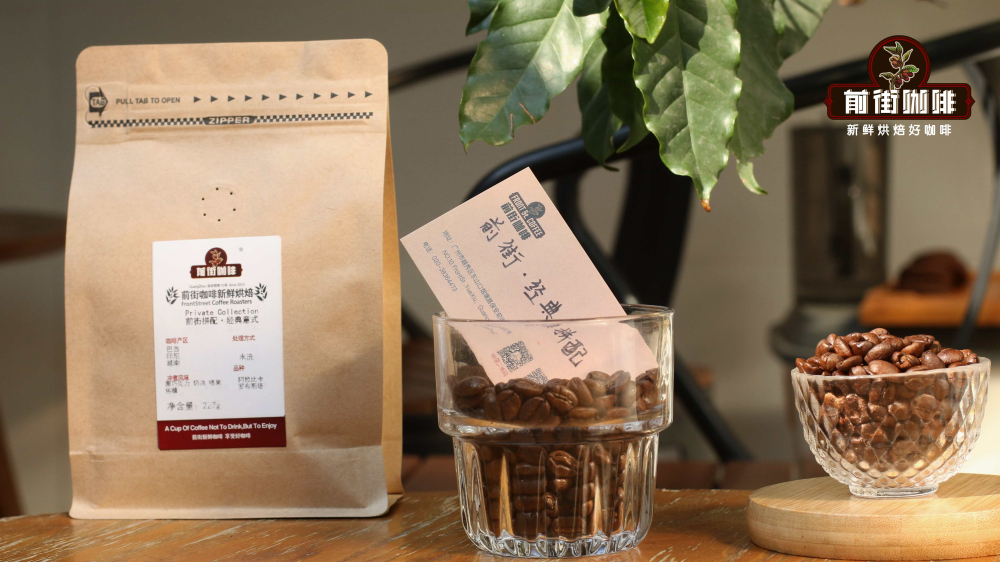
Another common issue is insufficient crema, which is usually related to the roast level and freshness of the coffee beans. Medium to dark roasted beans produce a large amount of carbon dioxide during the roasting process, which can release rich oils under pressure extraction, forming a dense crema layer. Therefore, it is recommended to choose coffee beans roasted within 7–14 days to achieve the best flavor performance. Freshly roasted beans not only have abundant oils but also more pronounced aromas, significantly enhancing the overall quality of moka pot coffee.
In summary, the key to brewing delicious, non-bitter coffee with a moka pot lies in controlling the grind size, water temperature, heat level, and coffee bean selection. As long as you master these basic principles, even beginners can easily enjoy an espresso-like experience at home. Remember, although the moka pot is simple to use, every detail affects the final brewing result — careful adjustments are essential to achieve the ideal cup every time.
The above content is compiled by CoffeeHunters, a coffee news website.


