







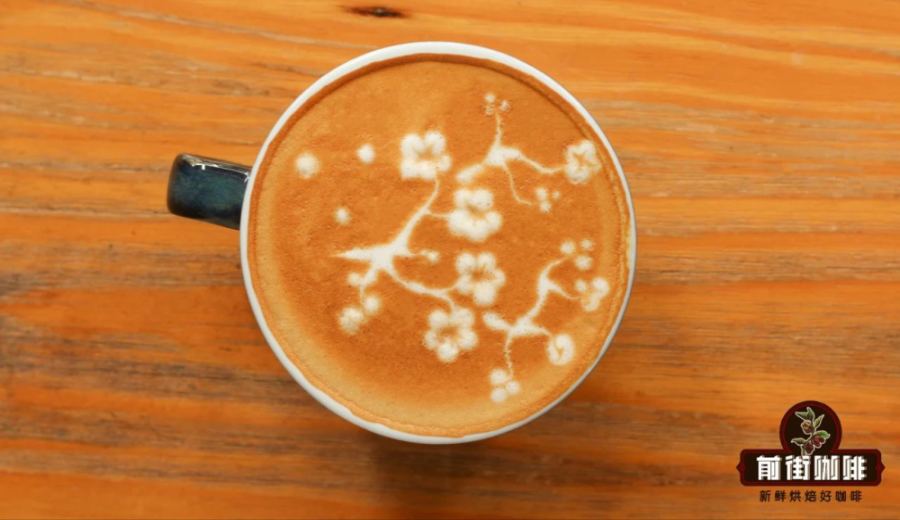
Introduction:Latte art is an aesthetic display that combines milk with espresso, with tulips and leaves being the most classic and beginner-friendly patterns. This article provides a comprehensive guide to mastering milk-based latte art, covering everything from equipment selection, espresso extraction, milk foam texture, to pour control. It also breaks down the pouring points, swinging rhythm, and practical techniques for tulip and leaf patterns in detail, helping readers progress from basics to advanced skills and gradually develop professional-level latte art finesse.
Latte art is part of the specialty coffee scene, representing a dual art form of visual and taste experience created by the fusion of milk and espresso. It can generally be divided into two main styles: latte art (pouring patterns) and etching (carving designs), where latte art emphasizes pouring technique and wrist control, while etching involves using additional materials like chocolate syrup for detailed decoration. This article focuses on milk-based latte art, particularly the tulip and leaf patterns—two essential designs for beginners—and systematically explains each step from equipment preparation and espresso extraction to pattern practice.
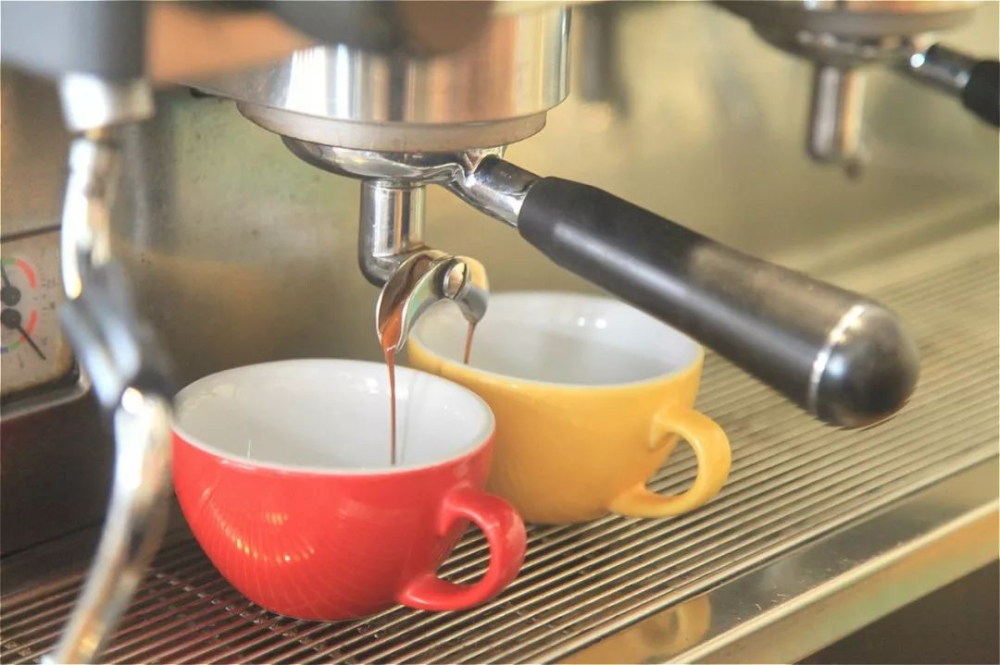
Before learning milk-based latte art, it’s recommended to first familiarize yourself with five foundational steps: First, choose a latte pitcher with a pointed spout and pair it with a medium-sized wide-mouth coffee cup to ensure stable control over the pouring angle and flow rate. Second, prepare an espresso machine capable of consistently extracting rich crema; it’s suggested to use a specialty blend with a 3:7 ratio of Colombian to Brazilian beans, offering mild acidity, distinct nutty aroma, and caramel aftertaste. When combined with milk, the sweetness becomes more pronounced, and upon cooling, it may even emit a cookie-like flavor.
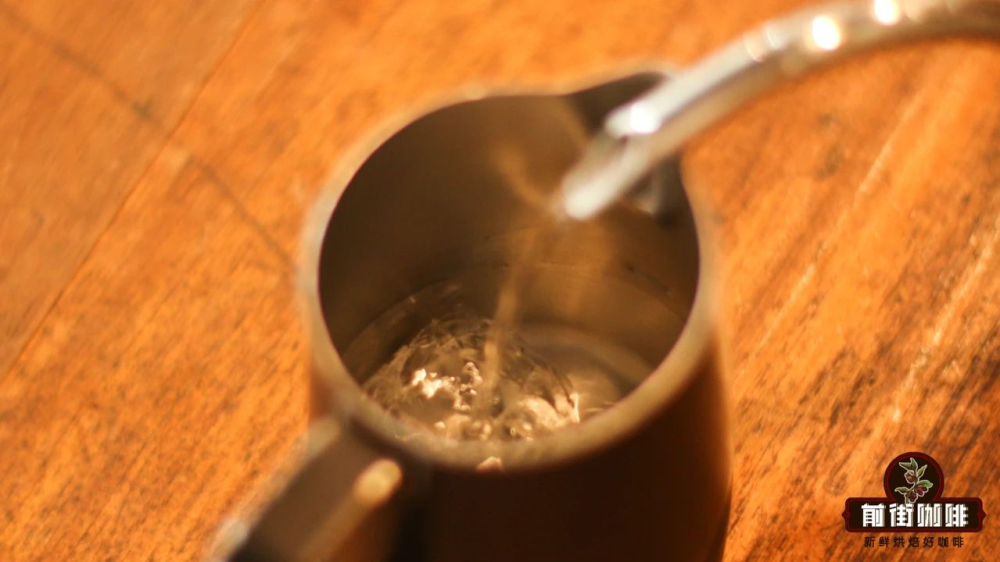
Next, the third step is to practice pour control. In the beginning, you can use water to get a feel for the motion, and at an advanced level, you can mix dish soap with soy sauce to simulate the texture of coffee crema and milk foam. For a more realistic experience, you can also mix coffee grounds with water to create a paste for more precise pouring practice. The stability and consistency of the pour are key factors in achieving clear and smooth latte art patterns.
The fourth step is to start practicing with basic patterns. Among them, the tulip and leaf are the most common and suitable for beginners. These two patterns not only train your choice of pouring point and swinging rhythm but also help build an intuitive sense of milk foam flow rate and latte pitcher control. The final step is to continue refining details after mastering the basic patterns, such as the smoothness of corners, the depth and layering of the design, and overall symmetry.
During actual practice, it’s recommended to hold the latte pitcher steadily with your palm, tilting the cup mouth slightly inward, while keeping the pitcher about 10 centimeters above the cup rim and tilting the pitcher slightly with its pointed spout aimed at the center-back of the coffee surface. At this point, you can begin practicing the latte art process.
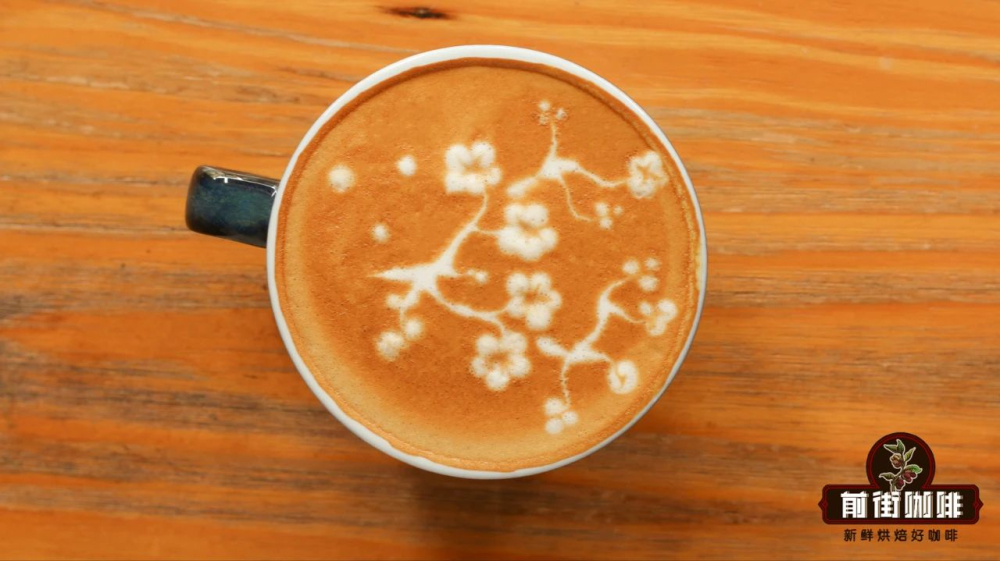
The following are the specific steps for creating a tulip pattern:
Steps for tulip latte art:
1. Evenly integrate the steamed milk foam with the espresso to ensure the foam is fine and the flow rate is consistent;
2. Move the latte pitcher to the center-rear position of the cup, quickly increase the flow to maximum, and stop pouring immediately after the first white milk foam ball forms on the coffee surface;
3. Shift the second pour point slightly backward, then pour again at high flow until the second white ball forms, then stop;
4. Repeat the above steps multiple times to stack a multi-layered tulip pattern;
5. After completing the last milk foam ball, immediately reduce the flow and finish with a thin straight line to complete the overall design.
The tulip pattern, though not a highly difficult technique, is very suitable for beginners to practice basic pour control and swinging rhythm. During practice, there's no need to overly pursue dense ridges; you can start simply by pushing forward twice, and once familiar, gradually increase the number of swings to make the petal textures more three-dimensional. Additionally, pay attention to the starting and ending points of each pour, and timely pauses can effectively control the shape and layering of the pattern.
Next, we introduce the latte art process for the leaf pattern:
Basic steps for the leaf latte art pattern:
1. Slowly pour the milk foam into the cup containing espresso. In the initial stage, avoid letting the milk foam immediately appear on the coffee surface. It’s recommended to tilt the cup slightly toward the latte pitcher and choose a central-rear pouring point;
2. When the coffee surface begins to show signs of whitening, gradually increase the milk flow while gently swinging the latte pitcher left and right to create a natural texture. Maintain a steady flow rate and swinging rhythm, and slowly move the pitcher backward;
3. Once enough leaf shapes have been drawn, prepare to finish. At this point, raise the latte pitcher to about 5 centimeters above the coffee surface, narrow the flow, and push forward a thin line to serve as the leaf stem, completing the overall leaf pattern.
Learning latte art takes time and patience. It’s not just about mastering technical details but also developing an intuitive response to milk foam flow rate, pouring angle, and pattern composition. Whether it’s tulips or leaves, both are excellent beginner patterns for training hand feel and visual judgment. With continuous practice, you’ll gradually achieve professional latte art that embodies “color, aroma, taste, form, and artistry.”

The above content is compiled by CoffeeHunters, a coffee news website.


