







Introduction:Drip bags have become the go-to choice for many coffee enthusiasts due to their ease of use and flavor profile that closely resembles pour over. However, from selection to brewing, many details are often overlooked, resulting in suboptimal extraction. This article delves into the reason behind the standard 10g single-serve drip bag, common brewing misconceptions, and provides professional-grade brewing steps to help you easily master this convenient and delicious coffee format.
Thanks to their portability and ease of use, drip bags have gained widespread popularity among coffee lovers in recent years, becoming a daily pick-me-up for many. Yet, what seems like a simple task of just adding hot water actually involves quite a bit of technique and detail—any misstep can affect the overall flavor. This article will guide you through the origins of drip bags, common brewing mistakes, and how to use the correct method to brew a cup of coffee with distinct layers and a clean flavor.
First, many wonder why most drip bags on the market come in single 10g servings. This is closely related to the coffee-to-water ratio for extraction and the product’s portability. A 10g serving of coffee grounds paired with 160–200cc of water strikes the perfect balance to showcase the aroma and taste of the coffee, while also being convenient for packaging and carrying. The focus on single-origin coffees also allows consumers to more directly appreciate the unique flavors of different regions.
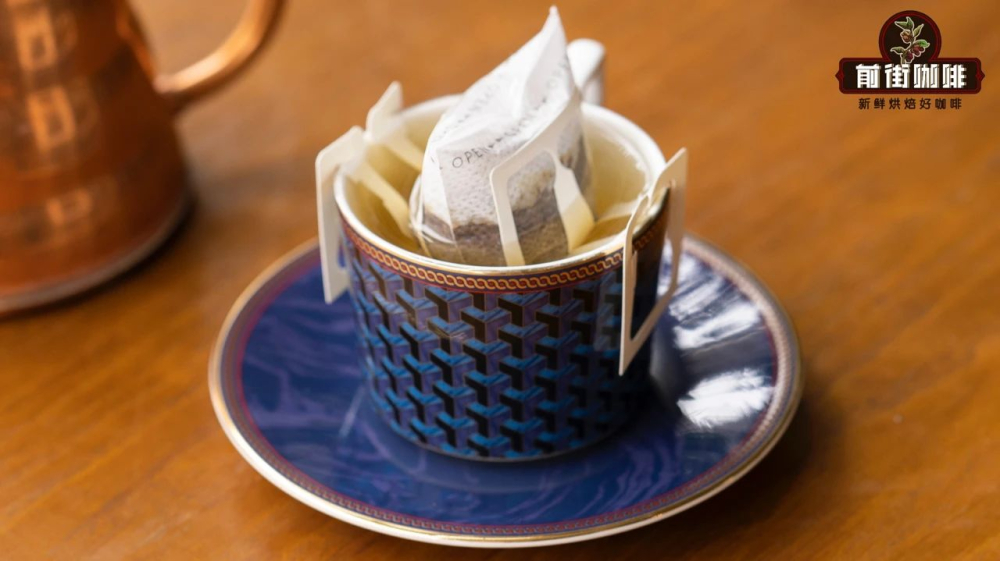
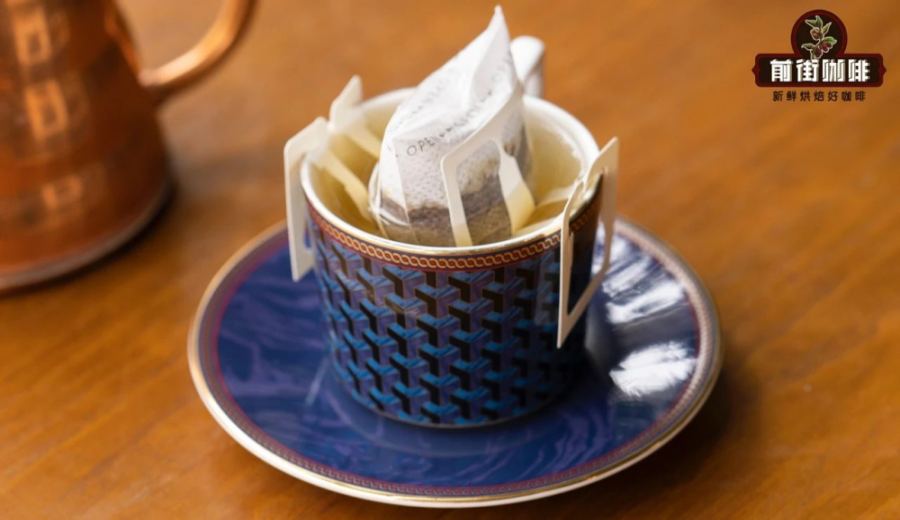
In essence, drip bags are a simplified version of pour over. Pre-ground coffee is packed into a filter bag equipped with ear-like handles, allowing users to simply pour hot water to complete the extraction. This design originated in Japan and has gradually gained global popularity with the rise of specialty coffee culture. Since no additional equipment is needed—just hot water and a cup—it’s ideal for busy individuals or frequent travelers.
When selecting drip bags, there are several key points to consider. First, since most commercially available drip bags contain pre-ground coffee, their flavor deteriorates faster compared to freshly ground beans. Therefore, it’s advisable to prioritize the production date over the expiration date printed on the package. Generally, the optimal flavor window for drip bags is around two weeks. It’s recommended to purchase according to your consumption habits to ensure each brew delivers the best possible flavor.
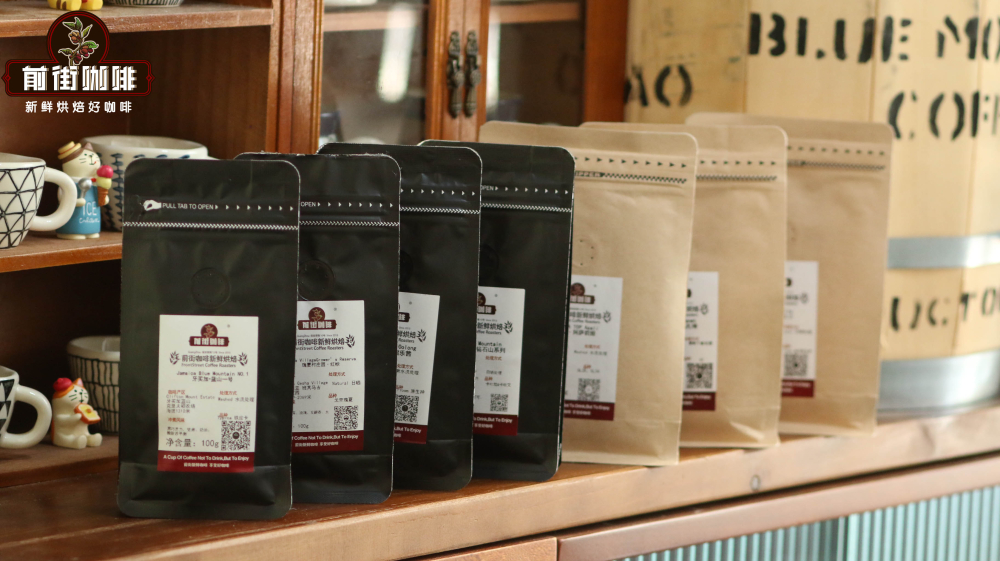
Additionally, drip bags can generally be divided into two main categories based on the type of coffee beans used: single-origin and blends. Single-origin coffees highlight the unique flavor characteristics of specific regions, such as the popular Yirgacheffe, Blue Mountain, or Mandheling, making them ideal for those who want to explore the distinct profiles of different areas. Blends, on the other hand, are crafted by combining beans from multiple regions in specific proportions to create a particular flavor profile, such as balanced and rich or fruity and bold. By checking the flavor descriptions on the packaging—such as citrus, floral, creamy, or caramel—you can get an idea of the drip bag’s flavor direction and use it as a reference for selection.
Beyond bean variety and flavor, the processing method of the coffee beans is also a key factor influencing the flavor. Common processing methods include washed, natural (sun-dried), and honey. Washed-process coffee typically has a clean, bright acidity and a refreshing taste, making it suitable for beginners. Natural-process coffee enhances sweetness and aroma, resulting in a richer flavor. Honey process falls between the two, with prominent sweetness. If you’re trying drip bags for the first time, it’s recommended to start with washed single-origin beans, such as Ethiopian Yirgacheffe, Panamanian Geisha, or Sumatran Mandheling, to more clearly experience the original flavor traits of the region.
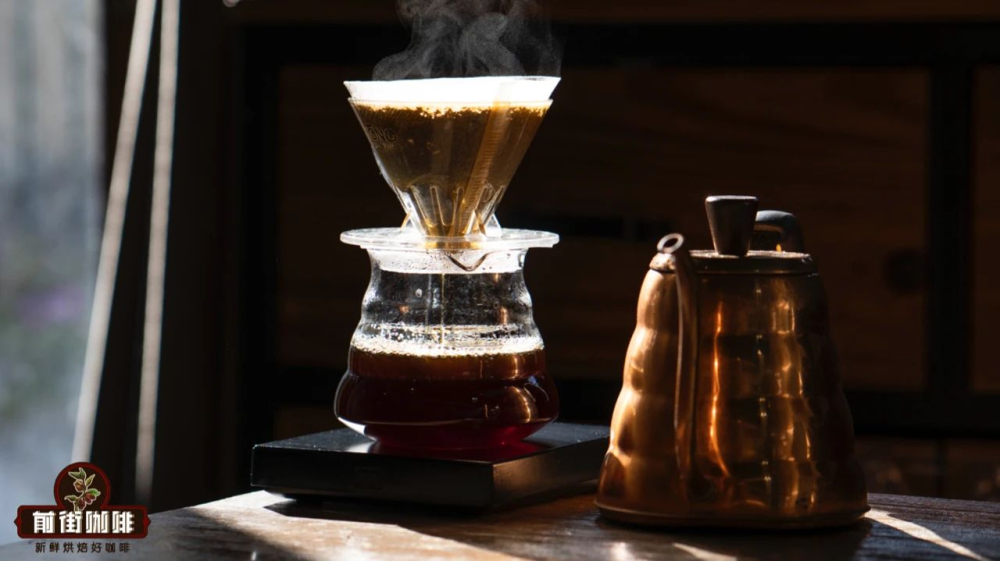
However, even if you choose the right drip bag, improper brewing can still prevent it from showcasing its full potential. Here are some common brewing mistakes to watch out for: First, many people tend to pour water directly into a mug until the drip bag is fully submerged. It’s recommended to control the water volume between 160–200cc. Overfilling not only dilutes the coffee but may also release excessive bitter substances. If you prefer a lighter taste, you can dilute it with hot water after brewing.
Second, do not leave the drip bag soaking in the cup after brewing, as this can lead to over-extraction of caffeine and bitter compounds, disrupting the overall flavor balance. Third, some people habitually pour hot water into the cup first and then place the drip bag in, similar to steeping a tea bag. This can cause the water temperature to drop, preventing effective extraction of the coffee’s essence. It’s recommended to follow the package instructions and use water at around 90°C, allowing the hot water to continuously flow through the coffee grounds to fully release the flavors.
Lastly, drip bags are only recommended for a single brew. Re-brewing may seem economical, but it tends to release excessive caffeine, resulting in a bitter taste and failing to reflect the nuanced layers of specialty coffee. Preserving the optimal flavor of each drip bag is the key to truly enjoying its charm.

Mastering the correct brewing method is essential to bringing out the best in drip bags. Here are the recommended brewing steps: First, warm your cup with hot water to help maintain the coffee’s temperature and slow down flavor dissipation. Next, control the water temperature, ideally between 85–90°C. Water that’s too hot can bring out bitterness, while water that’s too cool may result in under-extraction.
During preparation, gently shake the drip bag to concentrate the coffee grounds at the bottom. After tearing open the seal, unfold the two ear-like handles and hang them on the edge of the cup. In the pre-wetting stage, moisten the coffee grounds with a small amount of hot water and let it sit for about 20 seconds. This helps the grounds fully expand and release their aroma. For a stronger cup, you can extend this to 40 seconds. Then proceed with pouring. It’s recommended to add water in multiple pours, keeping the total volume between 150–180cc, using a thin, steady stream to ensure even extraction. Once the desired brew volume is reached, you can remove the drip bag without waiting for the filter paper to completely drip dry, and enjoy your coffee.
With these tips mastered, you too can easily brew a flavorful, layered cup of drip coffee at home, enjoying a refined experience akin to pour over.
The above content is compiled by CoffeeHunters, a coffee news website.


