







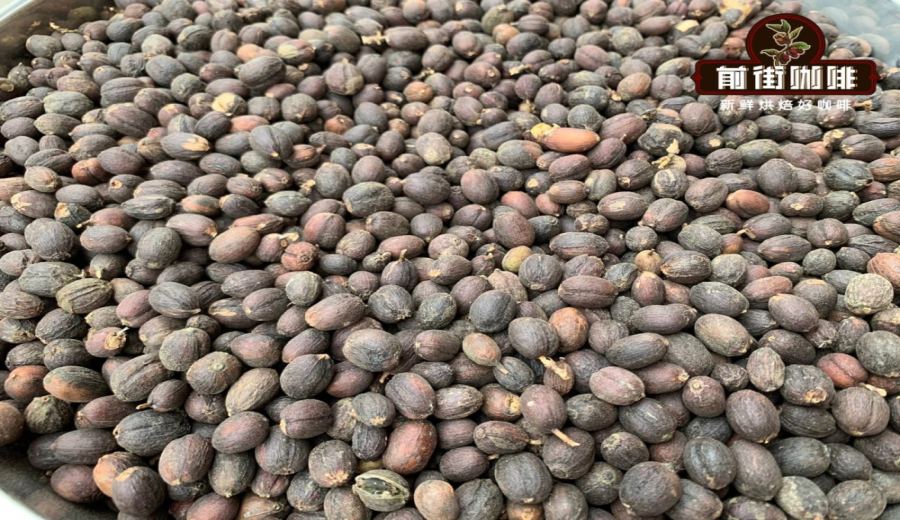
Introduction:Understanding how coffee beans are processed is the first step in appreciating their flavor profiles. Sun-dried, washed, honey, and semi-washed are the four mainstream processing methods for green coffee beans, each influencing the final flavor’s sweetness, acidity, and body. This article explains the steps, pros and cons of these four methods in an easy-to-understand way, and analyzes how they shape the unique taste of coffee, helping you make more informed choices when selecting beans.
The foundation of a coffee’s flavor is often laid during the green bean processing stage. Among them, sun-dried, washed, honey, and semi-washed are the four most common processing methods. They not only determine the cleanliness, acidity-sweetness balance, but also directly affect the overall performance after brewing. These methods each have their own characteristics, are suited to different climatic conditions and market demands, and contribute to the diversity of coffee flavors around the world.
Sun-Dried Processing: A Classic Method of Intense Fruit Aroma and Sweet Body
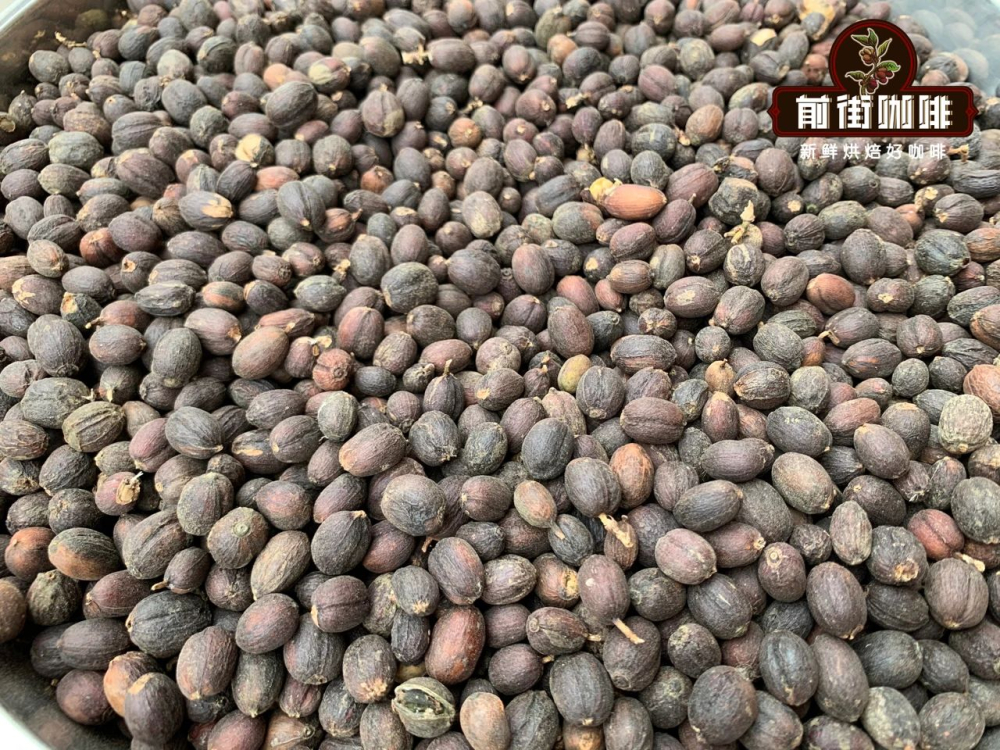
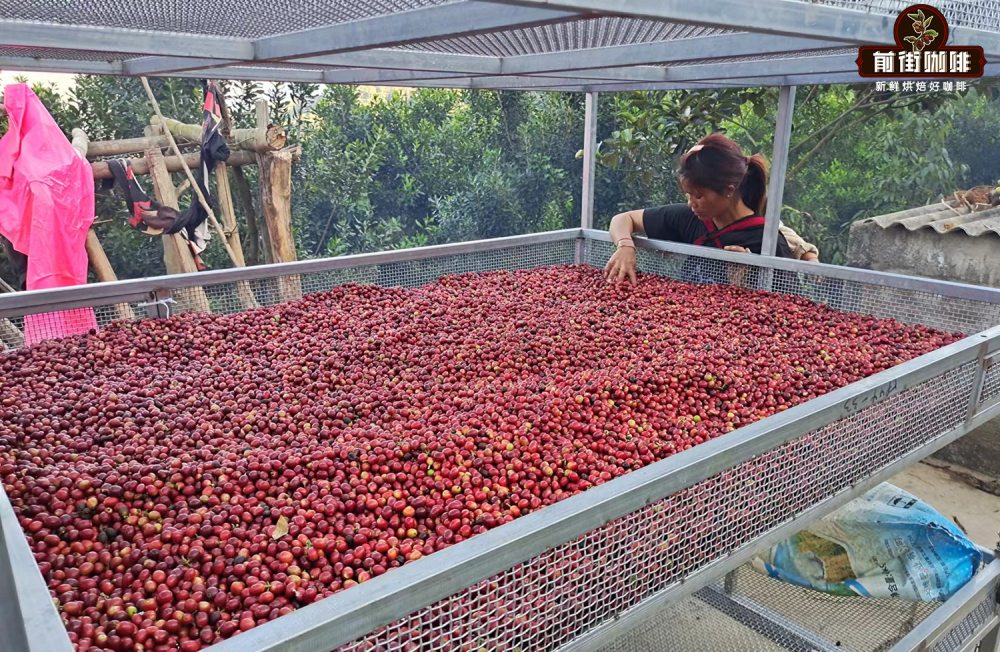
Sun-drying can be considered the origin of coffee processing and is the most traditional and water-saving method. The process involves placing the entire coffee fruit (including pulp, mucilage, and seed) directly under the sun to dry for about two to three weeks, until the moisture content drops to a safe range of 11% to 12%, after which the dried outer shell is removed mechanically. Since the fruit flesh and mucilage remain on the seed throughout the drying process, sugars have ample time to penetrate the seed, resulting in sun-dried beans that generally exhibit high sweetness, intense body, and rich fruit notes such as berries, tropical fruits, and even fermentation aromas.
However, this method actually has quite high requirements for weather and technique.If there is insufficient sunlight or improper drying control, it can easily lead to mold, over-fermentation, and thus off-flavors.Therefore, many high-quality sun-dried beans come from small farms or processing facilities with strict controls. They remove unripe or defective beans at the fresh fruit stage, use raised drying beds to keep dust and insects away, and turn and select the beans daily to ensure even drying. For example, common Ethiopian sun-dried beans often have distinct red cherry, blueberry, and other fruit aromas, accompanied by intense sweetness and wine-like fermentation flavors.
Washed Processing: The Representative of Clean and Bright Acidity
In stark contrast to the sun-dried method, washed processing first removes the coffee fruit's skin and pulp using a pulper, leaving only the seeds with mucilage attached. These are then soaked in water tanks for fermentation, where microorganisms break down the residual mucilage, followed by thorough rinsing with clean water, and finally drying. This process greatly reduces impurities and fermentation interference, resulting in coffee with clearer acidity and cleaner mouthfeel, commonly found in Central and South America and some African producing regions.
The advantage of washed processing is its high stability and clear flavor profile, making it suitable for highlighting regional characteristics and processing details. However, it is relatively water-intensive and requires higher-grade processing facilities. Its flavors typically feature citrus, floral notes, and a tea-like quality, with bright yet non-aggressive acidity, making it ideal for drinkers who prefer a refreshing taste.
Semi-Washed Processing: A Water-Saving Innovation for Arid Regions
Semi-washed processing, also known as pulp natural, originated in Brazil and is a compromise method developed in response to the region’s water scarcity and dry climate. The process involves first removing the coffee fruit’s skin and most of the pulp, leaving only a thin layer of mucilage, and then directly exposing the mucilage-covered seeds to the sun for one to three days before mechanical drying. This method saves water, shortens the processing time, and retains some of the sweetness and fruit character brought by the mucilage.
Coffee processed via the semi-washed method usually exhibits low acidity, high body, and distinct flavors of caramel, cream, and chocolate, making it suitable for consumers who prefer a richer mouthfeel. For example, many everyday beans from Brazil’s Cerrado region are processed this way, offering a smooth texture and intense nutty and caramel aromas.
Honey Processing: A Balanced Choice with Both Sweetness and Fruit Aroma
Honey processing is a method that has gained significant attention in recent years, especially widely used in Central American producing regions such as Costa Rica and Honduras. Its processing flow is similar to semi-washed, but after removing the skin and pulp,the sticky mucilage layer is not completely washed off, but instead the beans are directly sun-dried with the mucilage still attached.Because the mucilage is rich in sugars, it interacts with the seeds during the drying process, imparting intense sweetness, rich tropical fruit aromas, and relatively clean acidity to the coffee.
Depending on the amount of mucilage retained, honey processing can be further divided into yellow honey, red honey, and black honey. The more mucilage retained and the longer the sun-drying time, the typically richer and sweeter the flavor. However, this method places strict demands on weather and turning techniques; otherwise, there is a risk of over-fermentation or mold.
In summary, sun-dried, washed, semi-washed, and honey processing each have their own unique features. They not only influence the direction of a coffee’s flavor but also reflect the climatic conditions and processing wisdom of different producing regions. Understanding these differences can help you find the bean that best matches your personal taste preferences when making a selection.
The above content is compiled by CoffeeHunters, a coffee news website.


