







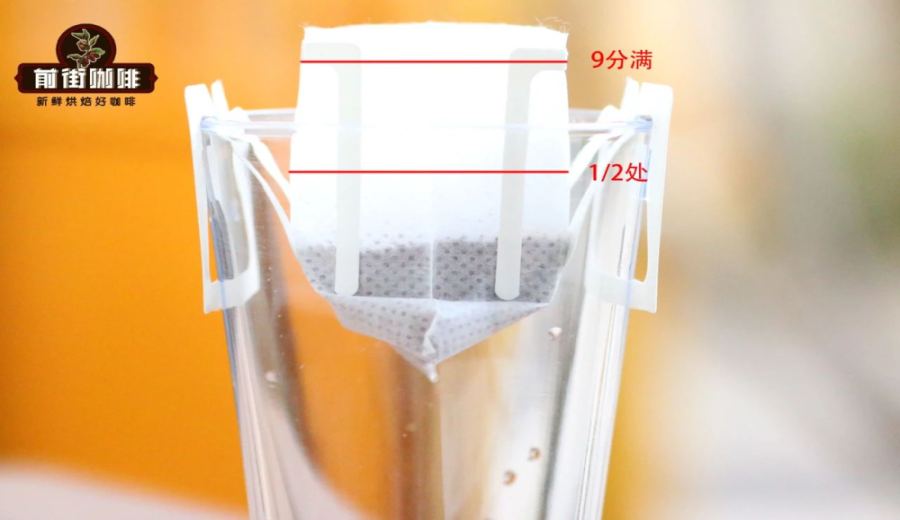
Introduction:Want to brew a well-balanced pour-over coffee using drip bags at home, but often encounter issues like excessive off-flavors or a weak taste? In fact, by mastering just three key factors—coffee-to-water ratio, water temperature, and grind size—you can significantly improve your brewing quality. This article provides an in-depth analysis of how each parameter affects coffee flavor, offers practical operation tips and common mistake warnings, along with visual illustrations to help you easily adjust your drip bag brewing to suit your personal taste.
While the steps to brew drip bag coffee may seem simple, if you want to extract captivating aromas and layered flavors, there are several details that should not be overlooked: the grind size of the coffee, the coffee-to-water ratio, and water temperature control. These factors directly impact the extraction efficiency of the coffee, thereby determining the final flavor profile. By mastering these three core elements, even when brewing at home, you can consistently achieve a flavor level close to that of a professional café.
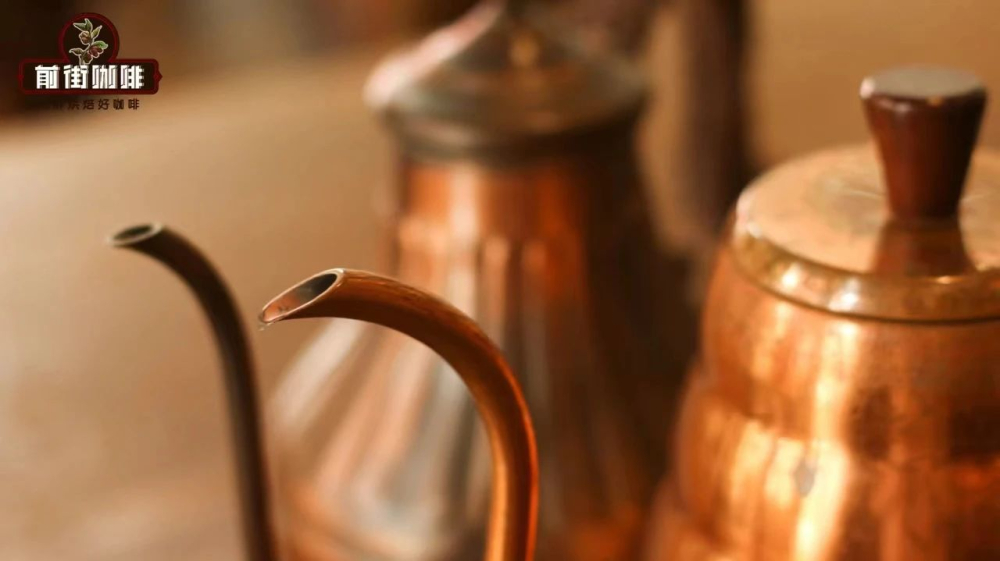
First,it is recommended to use a gooseneck kettle instead of pouring water directly from a water dispenser. Many people, for convenience, place the drip bag under a water dispenser and pour water directly, but this method often results in overly fast and unstable water flow, which can extract too many impurities and lead to unpleasant off-flavors in the coffee. Using a gooseneck kettle allows for a more even and gentle water flow, helping to enhance the overall purity and smoothness of the flavor.
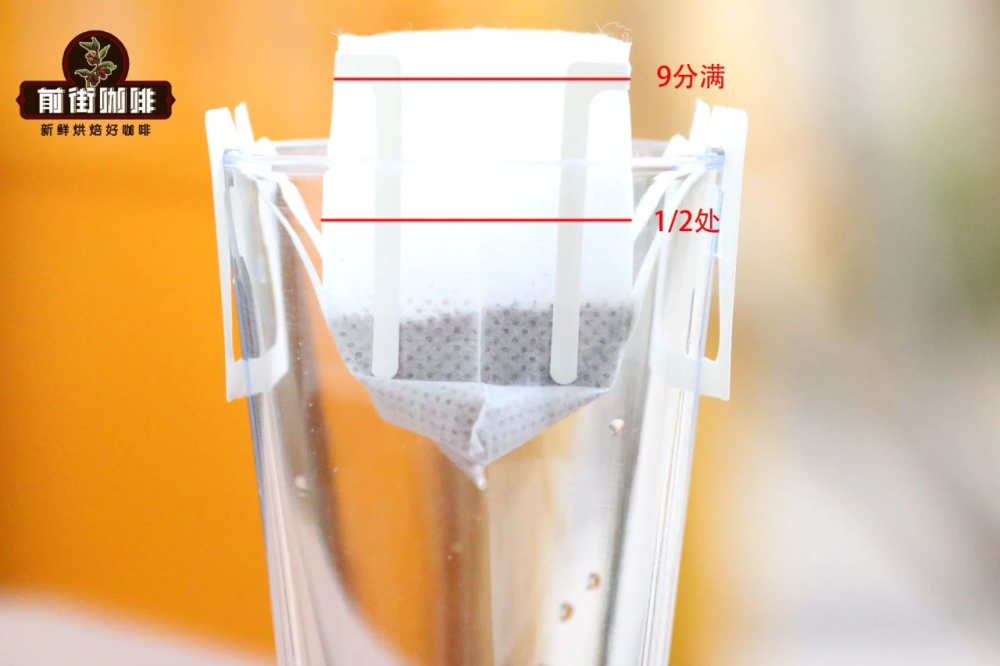
Regarding coffee grind size, since drip bags are pre-ground before packaging, consumers usually cannot adjust it themselves. However, if you want to make your own drip bags, you’ll need to choose an appropriate grind size based on the roast level of the coffee.For light roasted coffee beans, such as those with bright fruity and floral acidity, it is recommended to grind them to a fineness similar to that of fine sugar, which can highlight their fresh fruity acidity and aroma; whereasfor dark roasted coffee beans, such as those with rich chocolatey or nutty profiles, it is better to grind them slightly coarser, about the consistency of coarse sugar, to avoid excessive extraction that could bring out bitterness and astringency.
The coffee-to-water ratio is also one of the key factors influencing coffee flavor expression.Common coffee-to-water ratios such as 1:10, 1:15, and 1:20 will each noticeably alter the strength and balance of the coffee’s flavor. A ratio that is too high can make the coffee overly strong and potentially astringent; a ratio that is too low may result in a taste that is too thin, failing to showcase the coffee’s layers. For precise control, it is recommended to use a measuring cup with volume markings to measure both water and coffee grounds, avoiding guessing the amount of water, which can lead to inaccurate ratios.
Finally,water temperature control is equally crucial. Although drip bag coffee does not require the precision of 1°C adjustments like pour-over brewing, it is still recommended to keep the water temperature between85°C and 95°C. Water that is too hot can dissolve too much coffee fiber, making the taste rough and even bringing out burnt or bitter notes; water that is too cold may lead to under-extraction, resulting in a flat and dull-tasting coffee. To ensure the water is at the right temperature, you can use an electric thermometer, or pour freshly boiled water into a gooseneck kettle and let it sit for about 2 minutes, which will typically cool down to a suitable brewing range naturally.
The above content is compiled by CoffeeHunters, a coffee news website.


