








Introduction:To craft an espresso with a rich crema and clearly layered flavors, the key lies in accurately mastering three essential elements: the coffee-to-water ratio, grind size, and extraction time. This article delves into how these parameters influence the balance of acidity, sweetness, and bitterness in your coffee, and provides practical adjustment tips to help you go from beginner to consistently extracting smooth, full-bodied espressos with rounded flavors.
If you hope to brew a richly creased, aromatic espresso at home, then mastering the coffee-to-water ratio, grind fineness, and extraction time are three indispensable core factors. These elements not only affect the strength and mouthfeel of the coffee but also directly influence the overall flavor presentation. This piece will start from practical experience to guide you on how to adjust these parameters to bring out the most captivating balance of acidity, sweetness, and bitterness in your coffee, while also reminding you of the importance of freshly roasted beans and offering advice on resting them.
The Extraction Principle of EspressoIt relies on using high pressure and hot water to quickly penetrate an extremely finely ground coffee puck, extracting its aromatic compounds and essential flavor essences. This method can form a delicate layer of crema in a short period of time, giving the coffee a strong and concentrated aroma. Many coffee enthusiasts, when trying it at home for the first time, often face issues such as weak flavors or unbalanced mouthfeel. In fact, by simply mastering the correct extraction parameters, even a home machine can consistently produce a satisfying shot of espresso.
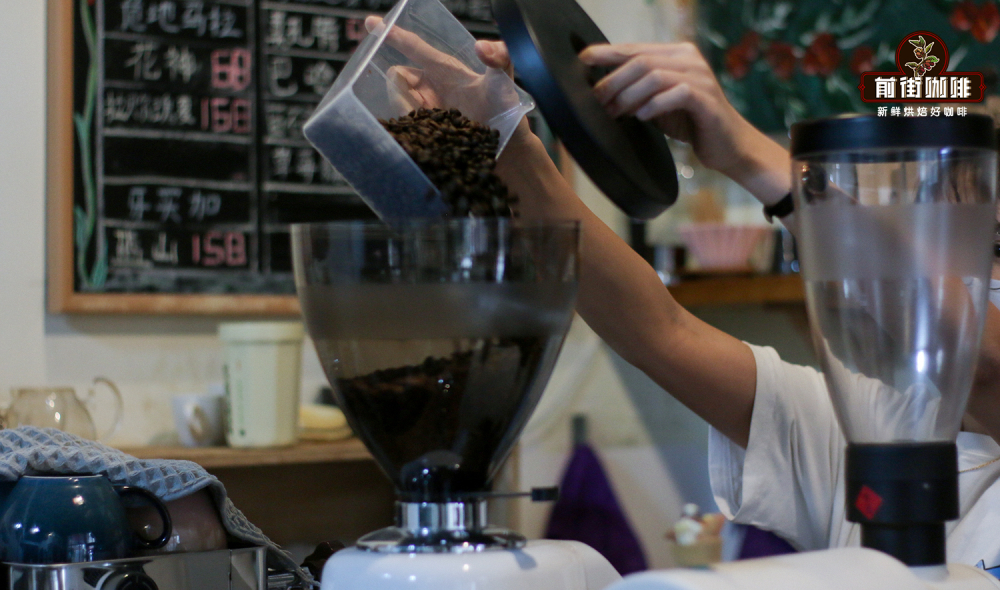
Before starting to adjust parameters, it is recommended to first choose a blend with a moderate roast level and distinct aromatic characteristics. Blends are usually composed of coffee beans from different origins, blended according to their individual traits to achieve the most suitable roast profile. This not only makes the flavors more stable but also allows for a higher margin of error during extraction. Especially with freshly roasted beans, they can better showcase bright acidity and complex layers. Remember, coffee beans need a resting period of 4 to 10 days after roasting to allow the internal carbon dioxide to fully dissipate, entering the optimal flavor stage. If you’ve just received freshly roasted coffee beans, consider waiting a bit before brewing.
When it comes to extraction, the most important thing is to find a suitable coffee-to-water ratio. Generally speaking,the recommended espresso coffee-to-water ratio range is 1:1.5 to 1:2.5, and many professional shops choose 1:2 as a starting point. For example, using 20 grams of coffee grounds to aim for 40 grams of extracted coffee is a very common and easy-to-control starting point. Of course, based on personal taste preferences or the condition of the coffee beans that day, this ratio can be further fine-tuned to achieve the most ideal flavor expression.
Adjusting the amount of coffee grounds not only affects the yield but also directly relates to the compactness of the coffee puck. The firmer the puck, the slower the water flows through, which in turn extends the extraction time, increasing concentration and extraction yield. Therefore, when adjusting the coffee dose, it’s advisable to also observe the flow rate and final flavor performance to determine whether more or less coffee is needed. Additionally,controlling the extraction time is also crucial, and it is generally recommended to keep the time between 25 to 30 seconds. This range effectively extracts the desirable compounds in the coffee, avoiding over-extraction or under-extraction.
Among these three factors,grind size is arguably the most impactful, yet also the hardest to judge by sight. A grind that is too coarse will cause water to pass through too quickly, resulting in under-extraction, where the coffee may taste thin and overly acidic; conversely, a grind that is too fine can easily lead to over-extraction, producing bitter and harsh flavors. Therefore, when adjusting grind size, it’s recommended to fine-tune based on actual extraction results, such as flow rate and flavor performance, gradually finding the most suitable setting for the current beans.
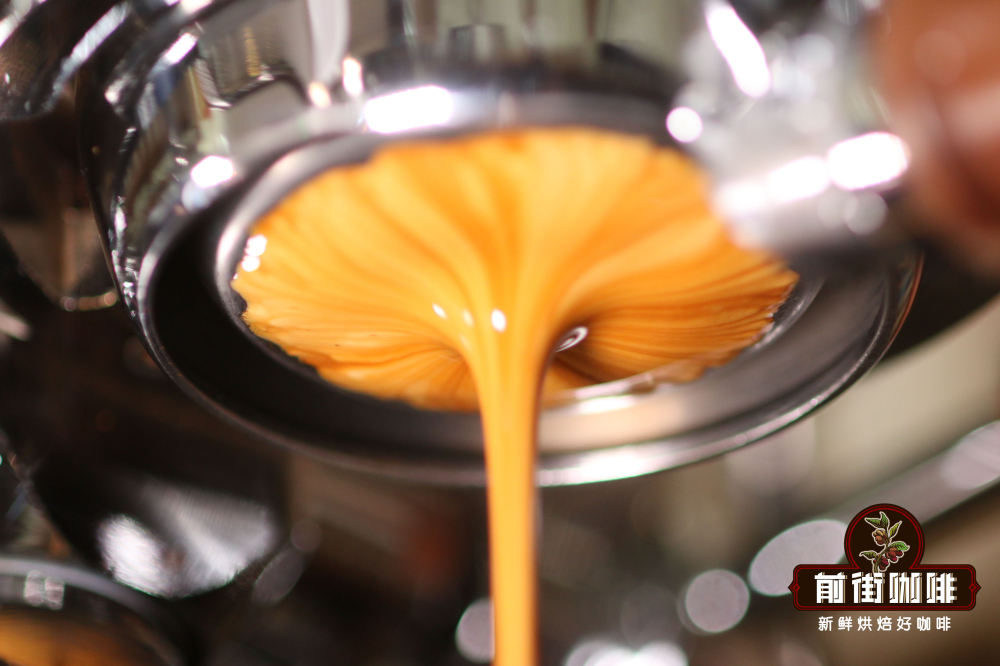
If you wish to adjust according to the Golden Cup standard, then an extraction yield between 18% and 22% usually results in a more ideal and balanced coffee flavor. This requires you to take into account the coffee-to-water ratio, extraction time, and grind size, making continuous attempts and adjustments to find the best combination for your personal taste.
For example, a classic and widely praised extraction setup is: using 20 grams of coffee grounds, at a 1:2 coffee-to-water ratio, extracting 40 grams of coffee under 9 bar pressure, with the time controlled around 30 seconds. Such a setup can fully bring out the aromatic layers of the coffee and form a delicate crema. The flavor typically showcases noticeable fruit acidity and winey notes, and as the temperature drops, it may also reveal creamy, vanilla, or even dark chocolate undertones, with an overall full and balanced mouthfeel.

In summary, making a great espresso hinges on understanding and mastering the subtle balance among coffee-to-water ratio, grind size, and extraction time. This requires not only theoretical knowledge but also continuous adjustment and experimentation through hands-on practice. Whether you’re a beginner coffee enthusiast or someone looking to elevate the quality of your home-brewed coffee, as long as you grasp these basic principles, you can consistently brew satisfying espressos right in your own kitchen.
The above content is compiled by CoffeeHunters, a coffee news website.


