







Introduction:Drip bags combine convenience and freshness, making them an ideal everyday choice for many coffee lovers. This article features ten well-known drip bag brands, delves into the flavor profiles of regions such as Mandheling, Yirgacheffe, and Brazil, and introduces the origins of drip bags and the differences in processing methods. It also provides standard brewing recommendations and practical parameters to help you easily master the art of home pour over and enjoy a consistently flavorful drip bag coffee experience.
Thanks to their combination of convenience and freshness, drip bags have gradually become the preferred daily coffee option for many enthusiasts. Without the need for complicated equipment, you can still enjoy coffee flavors close to those of a pour over. This article selects ten highly rated drip bag coffee brands and explores in depth the flavor characteristics and processing method differences of major producing regions, including Mandheling, Flower Butterfly, Yirgacheffe, Brazil, Colombia, Costa Rica, Guatemala, and Yunnan. It also details the historical background and brewing principles of drip bags, while offering a standard brewing procedure and recommended parameters—allowing you to brew a flavorful cup of drip bag coffee at home.
Although pour over coffee is now widely regarded as the first choice for beginners, many people are put off by the complexity of equipment or the technical barriers involved. To enable more consumers to easily enjoy fresh coffee, some brands regularly release limited-edition seasonal drip bag series that allow users to brew without requiring professional skills. Compared to traditional pour over, drip bags are better suited to the fast-paced lives of modern people, helping integrate coffee culture into daily life in a more approachable way.
Some consumers may consider drip bags less professional, but in reality, for any food or drink to gain widespread popularity, it must balance convenience with taste. Over the years, certain brands have committed to making coffee a more accessible part of everyday life—from carefully selecting beans in Yunnan, building their own roasting facilities, and building a regional database, to managing both physical and online sales channels. Their efforts can be seen not only in small community shops in Guangzhou but also across online platforms.
The Origins of Filter-Drip Coffee Bags
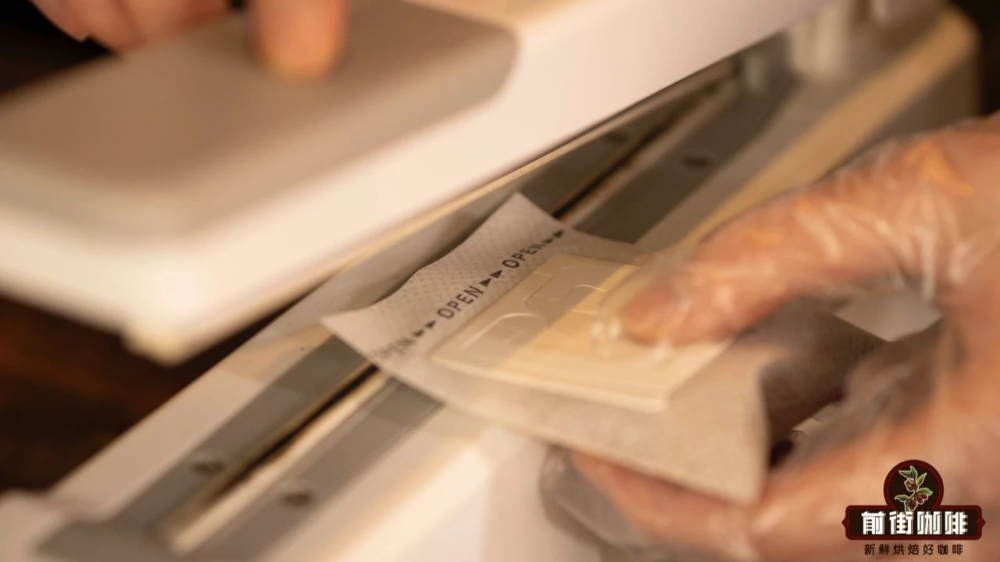
To understand the birth of filter-drip coffee bags, we must start with the Japanese market. While the pour-over culture is thriving in Japan, busy office workers often lack the time for a meticulous brew. In 1990, Yamachū Sangyō Co., Ltd. in Japan first applied the teabag concept to coffee, developing an early version of filter-drip coffee bags and applying for a patent. However, the initial design failed to securely hold the weight of the coffee grounds, causing it to tip over during brewing and making commercialization difficult. It wasn’t until 1998 that Daiki Shoji improved the design by extending the "ears" outward to enhance stability, creating the prototype of the filter-drip coffee bags we know today.
Recommended Filter-Drip Coffee Bag Brands & Regional Flavor Profiles
1. PWN Golden Mandheling Filter-Drip Coffee Beans
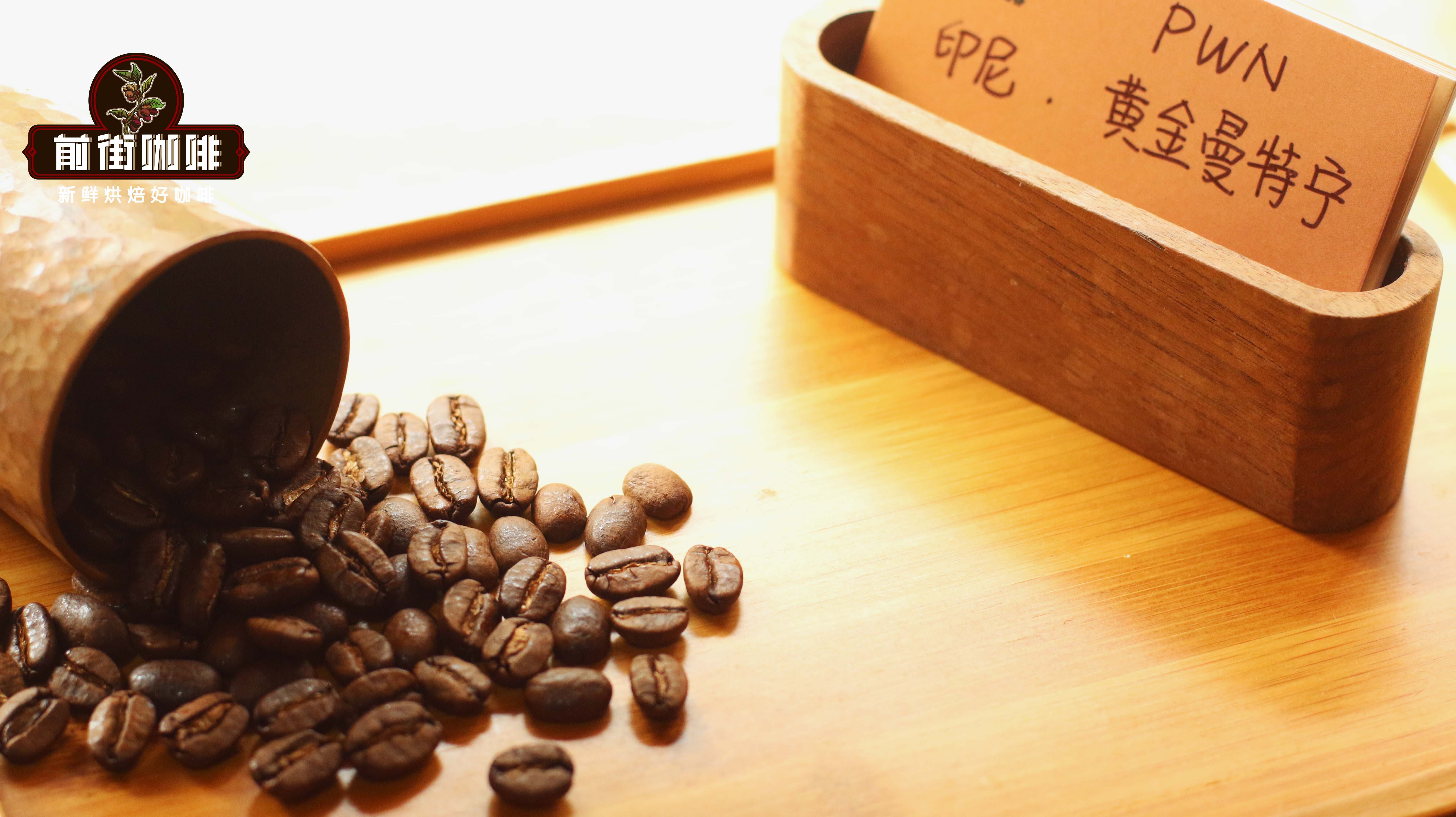
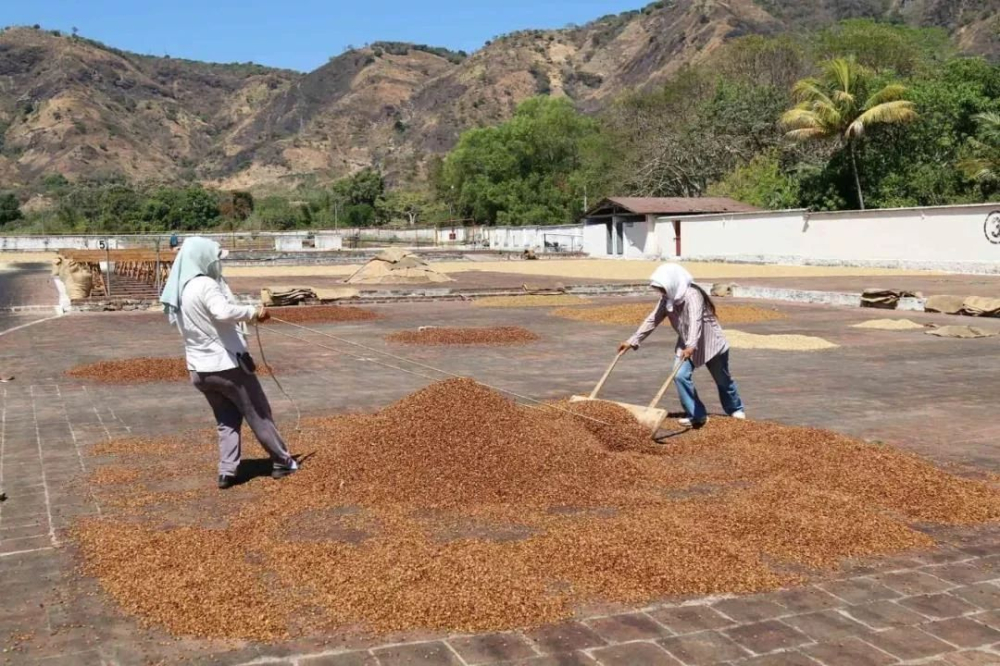
Golden Mandheling from Sumatra, Indonesia, is renowned for its rich yet clean flavor profile. These filter-drip coffee beans use premium green beans supplied by PWN, undergoing three rounds of manual sorting to ensure uniform bean size, effectively reducing off-flavors and enhancing overall flavor consistency. Processed using traditionalwet-hullingmethod, the coffee presents low acidity, a full body, and a herbal and caramel-like finish reminiscent of cooling tea, making it ideal for those who prefer a bold taste. Recommended brewing temperature is around90°Cwater temperature, with a bloom time of approximately10 seconds, and a total water volume of about300ml.
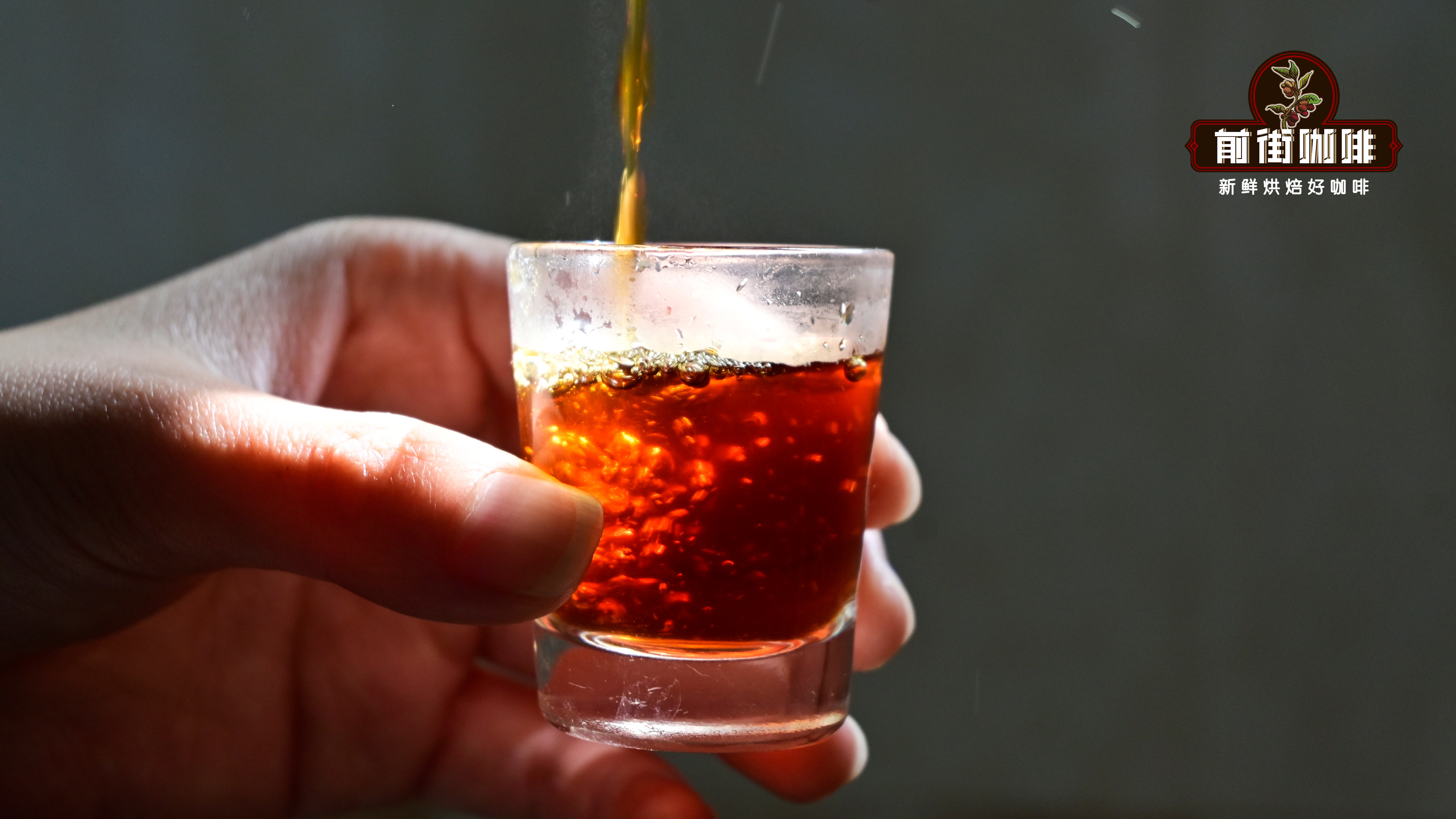
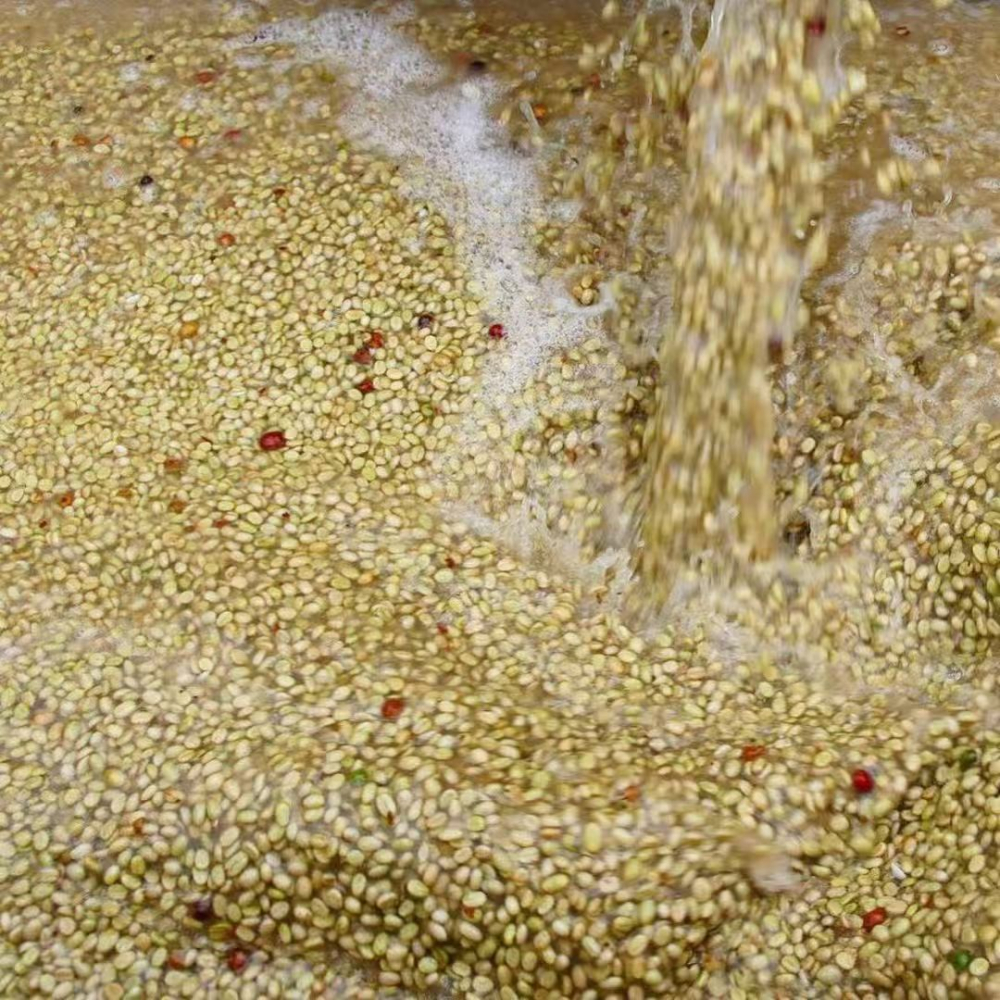
Processing Method Insight: Wet-hulling is a unique method in Indonesia, where the parchment is removed when the moisture content is around 20%-24% during sun-drying, then dried further. This contributes to its distinctive rich and bold flavor.
2. Panama Boquete Geisha Butterfly Filter-Drip Coffee Beans
This blend combines 70% Geisha lineage with Catuai and Caturra varieties, grown at an altitude of1600 metersin the Baru Volcano region. The microclimate imparts bright acidity, rich floral notes, and a heavy body. Despite its Geisha heritage, it remains relatively affordable, offering exceptional value for experiencing high-end flavors. Processed viawashed method, it delivers clear and layered flavors.
3. Ethiopia Yirgacheffe Red Cherry Filter-Drip Coffee Beans
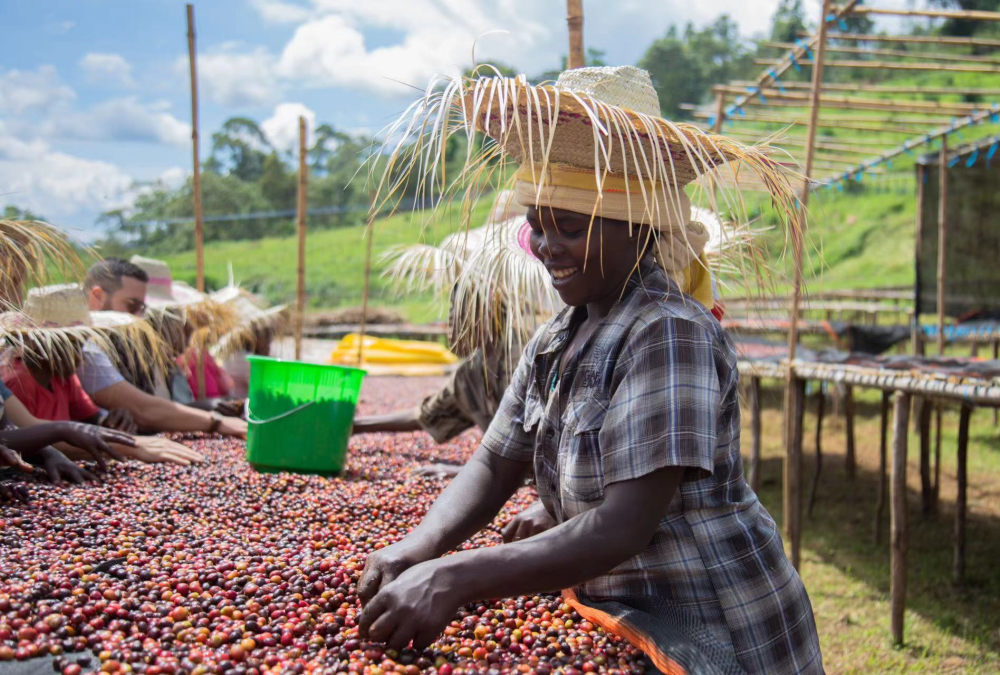
The Red Cherry Project, initiated by Dutch green bean trader Trabocca, aims to encourage farmers to improve harvesting and processing quality by offering higher purchase prices. This Yirgacheffe is processed using thenatural (sun-dried) method, resulting in vibrant berry notes, pronounced sweetness, and a full body, with relatively mild acidity—perfect for fruit-forward coffee lovers. For brewing, a medium-light roast setting is recommended, with slightly lower-than-standard water temperature.
4. Brazil Cerrado Red Bourbon Filter-Drip Coffee Beans
As the world’s largest coffee producer, Brazil is known for its low-acid, nutty, and chocolatey profiles. This filter-drip option uses thepulped natural (semi-washed) method, effectively reducing the earthy and off notes common in Brazilian beans while enhancing sweetness and fruitiness—ideal for those who enjoy balanced, full-bodied flavors. A300mlcup with steady water flow
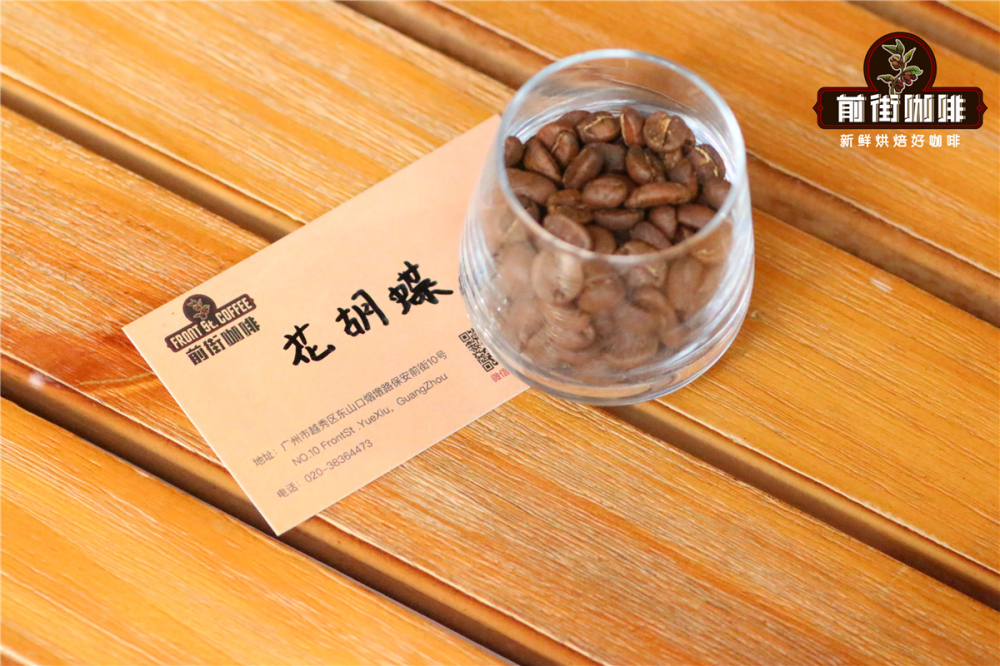
is recommended to fully highlight the sweetness.
5. Colombia Huila Washed Filter-Drip Coffee Beans
These Arabica beans from Colombia’s Huila region are grown on high-altitude slopes in valleys. The washed process gives them a smooth mouthfeel and rich nutty-chocolate flavors, making them a great choice for coffee beginners. Their balanced profile makes them a long-standing daily favorite.
6. Costa Rica Tarrazú Filter-Drip Coffee
Tarrazú is famed for producing high-quality coffee. This filter-drip option boasts intense chocolate and nut aromas, soft acidity, a full body, and a silky texture—suited for those who prefer medium-dark roasts.
7. Guatemala Huehuetenango Filter-Drip Coffee
From the non-volcanic region of Huehuetenango in Guatemala, this washed coffee showcases juicy fruitiness and a unique smoky finish, making it an excellent choice for exploring Central American flavors.
8. Yunnan Small Bean Filter-Drip Coffee
 ,
 ,
 ,
Yunnan’s coffee quality has improved significantly in recent years. This medium-roasted filter-drip option highlights nutty, brown sugar, and creamy notes, catering to those who prefer balanced flavors. Whether using Typica or Catimor varieties, it delivers the unique charm of Yunnan coffee.
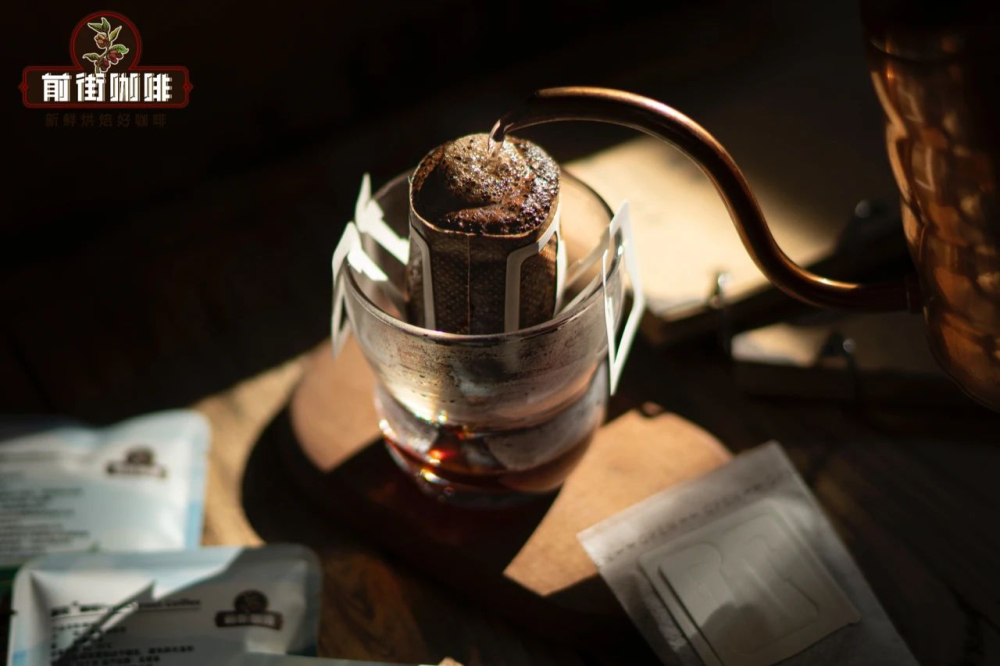
Proper Brewing Method & Parameter Recommendations for Filter-Drip Coffee Bags10gEach filter-drip coffee bag contains. To use, simply tear open the packaging, unfold the two "ears" on the sides, and place them over a cup with a diameter of about8–9 cm90°Cto ensure stability. For brewing, follow the pour-over method: recommended water temperature is, begin with a10-second bloom300ml, with water volume roughly equal to the coffee grounds. You may pour all the water at once to about
 ,
The above content is compiled by CoffeeHunters, a coffee news website.


