







Introduction:Want to explore the unique flavors and historical background of Yunnan Typica coffee? This article delves into this classic Arabica variety, which dates back to 1904, from its revival in Lincang, Yunnan, to how you can easily brew a rich and balanced cup using a French press. Whether you're new to coffee or a fan looking for premium domestic beans, you'll gain key insights and practical tips here.
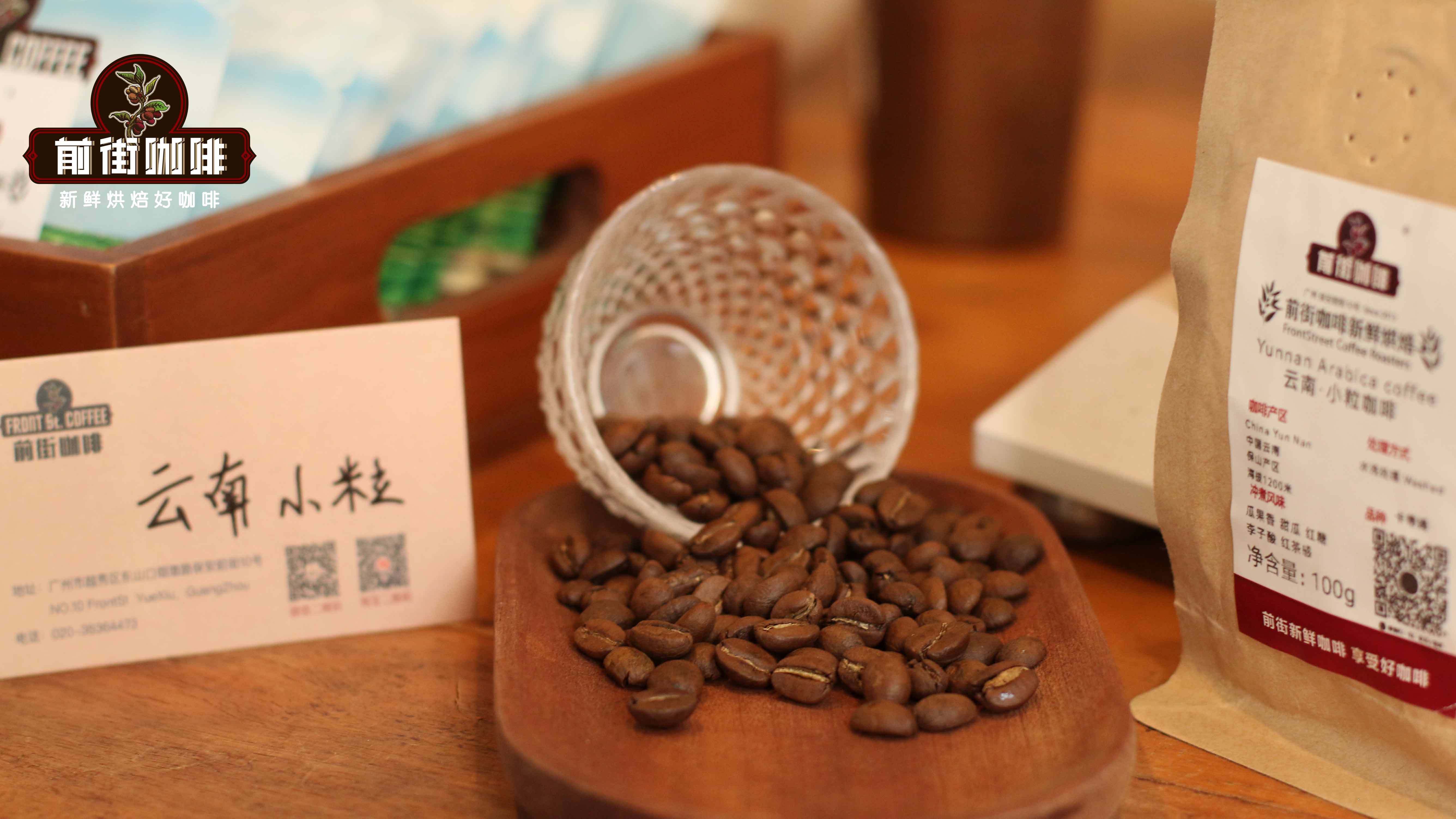
Yunnan coffee, commonly known as "Yunnan small bean," is one of the representatives of native Chinese coffee. These coffee beans are plump and full-bodied, loved by many coffee enthusiasts. A certain coffee brand has long been committed to promoting high-quality beans from the Yunnan growing region, with a particular focus on how variety deeply influences flavor. Currently, the main varieties planted on a large scale in Yunnan include Catimor, Typica, and Bourbon, among which Typica is regarded as a representative of advanced specialty coffee due to its rich aroma and clean taste.
Typica (Typica) is a historic Arabica variety, first introduced to China in 1904 when French missionary Tandennan brought seeds from Vietnam and successfully planted the first coffee tree in Zhugula Village, Binchuan County, Yunnan Province. This is also considered the starting point of Yunnan coffee. In the early days, these coffees were referred to as “small-bean varieties,” which is what we now know as “Yunnan small-bean coffee.”
The term “small-bean” refers to coffee beans of the Arabica species, which are noticeably smaller in size compared to the medium-sized Robusta beans grown in places like Hainan. The early varieties introduced to Yunnan were mainly Typica and Bourbon, which grew well in high-altitude environments and exhibited pronounced acidity and sweet aromas, recognized as representatives of high-quality coffee.
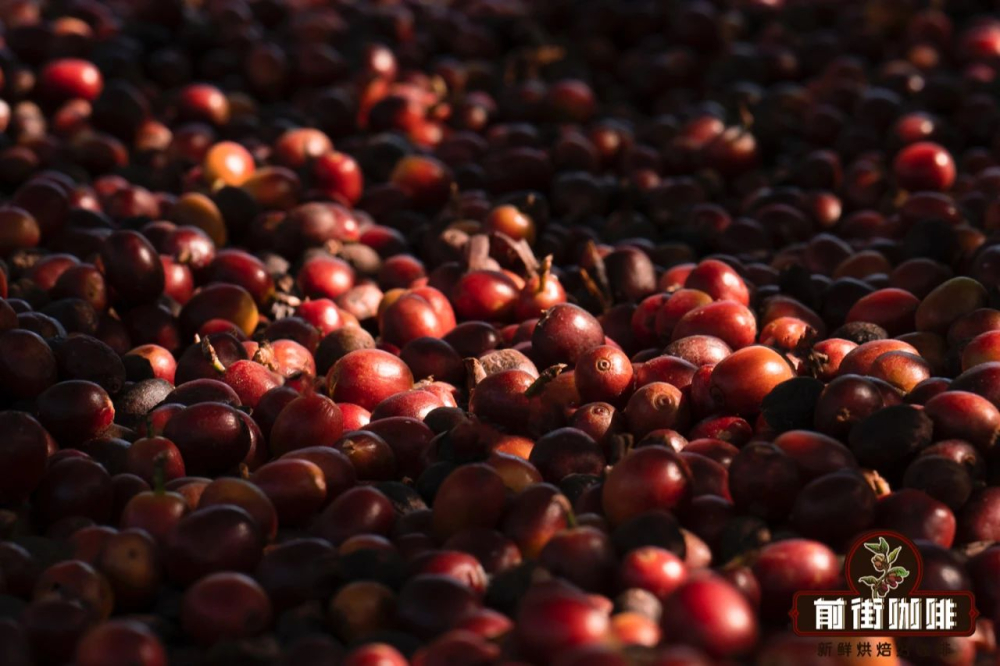
However, despite their excellent flavor, Typica and Bourbon have significant drawbacks: they are weak in disease resistance, particularly susceptible to leaf rust, and yield relatively low per plant, offering limited economic returns for farmers. As a result, many farmers turned to planting Catimor, which offers higher yields and better disease resistance. Although classified as Arabica, Catimor has about 25% of its genes derived from Robusta. It was originally a hybrid developed by Portugal’s CIFC to resist rust. Catimor is characterized by compact trees, disease resistance, and high yield, often producing a noticeable body after roasting, but it also carries the distinctive “bitter-sweet” notes typical of Robusta.
In cupping evaluations, Catimor generally shows a flatter flavor profile and struggles to compete with purebred Arabicas like Caturra or Bourbon grown at the same altitude. However, due to its stability and ease of cultivation, it has become the most widely planted variety in Yunnan today. An entry-level pour over bean from a certain coffee brand uses carefully washed Catimor, ideal for beginners wanting to experience Yunnan’s coffee character.
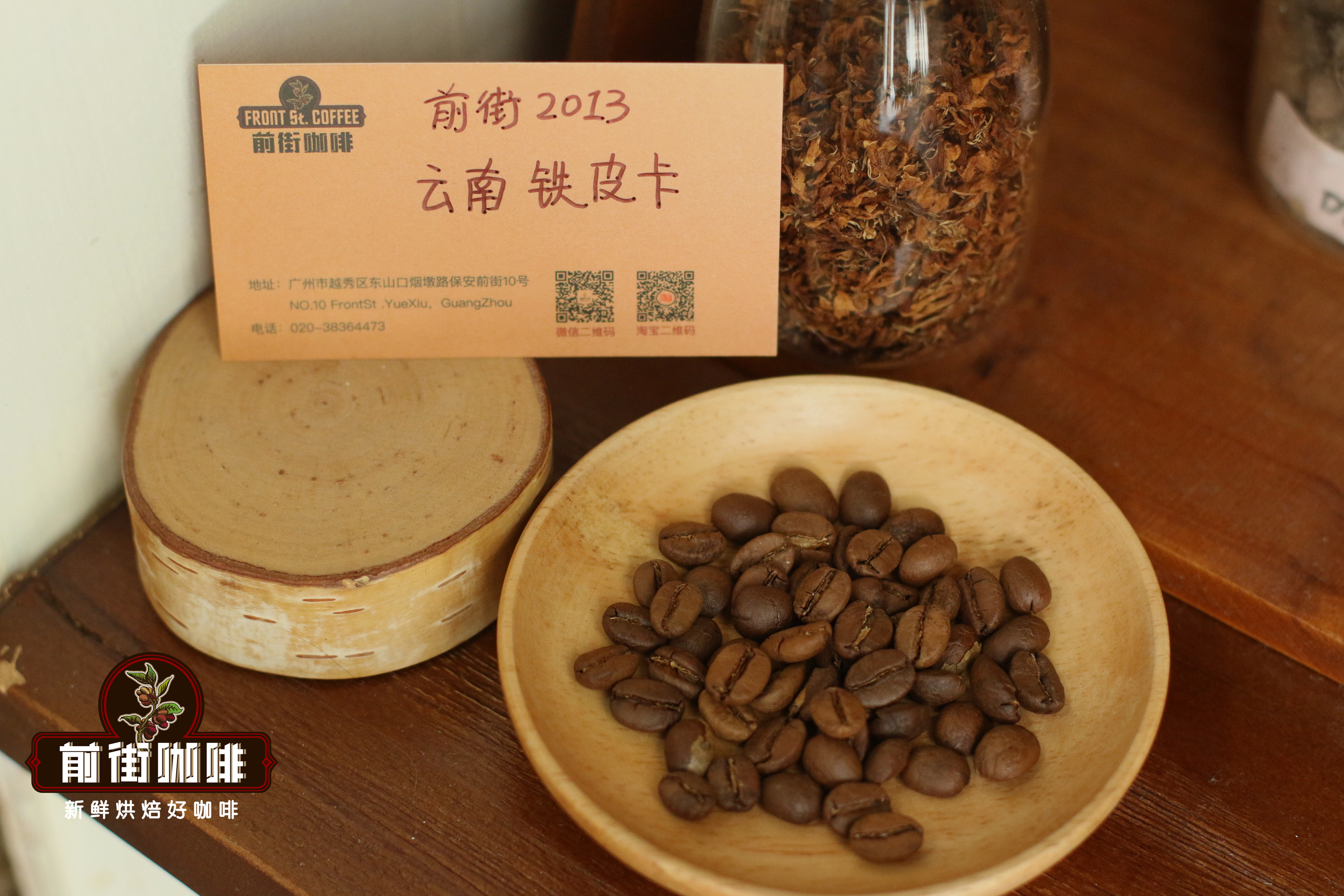
So, besides Catimor, are there other high-quality Arabica varieties in Yunnan? The answer is yes. As early as 2013, a certain coffee brand began trial planting the ancient Typica variety in Lincang, Yunnan. After five to six years of patient cultivation, the first harvest finally came in 2020. These beans were processed using the natural (sun-dried) method and named “Brand 2013” in honor of the traditional variety and its revival.
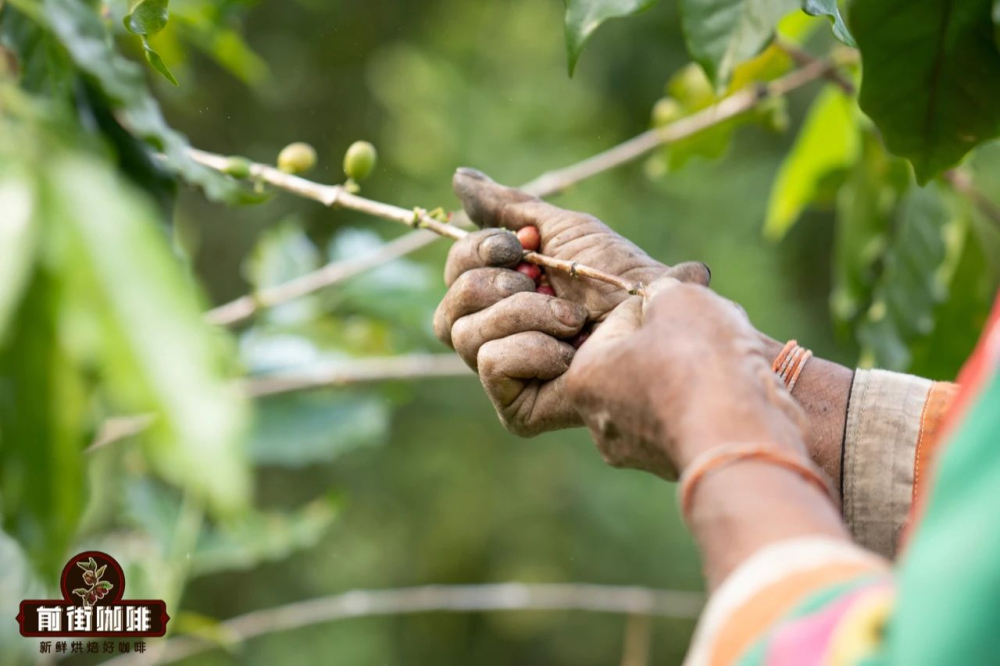
However, cultivating Typica presents immense challenges. It is not only poor in disease resistance—highly vulnerable to leaf rust—but also demands intensive care from farmers for every leaf, leading the team at the coffee brand to jokingly call it the “Lin Daiyu of the coffee-growing world.” Coupled with its low yield per plant, many coffee farmers are reluctant to give up the stable income from Catimor to return to such a high-risk variety. The difficulties in cultivation and limited market demand also mean that even with special processing methods, Yunnan specialty beans still struggle to command high prices. For this reason, a certain coffee brand decided over a decade ago to grow Typica themselves, pioneering a different flavor profile for Yunnan coffee in the market.
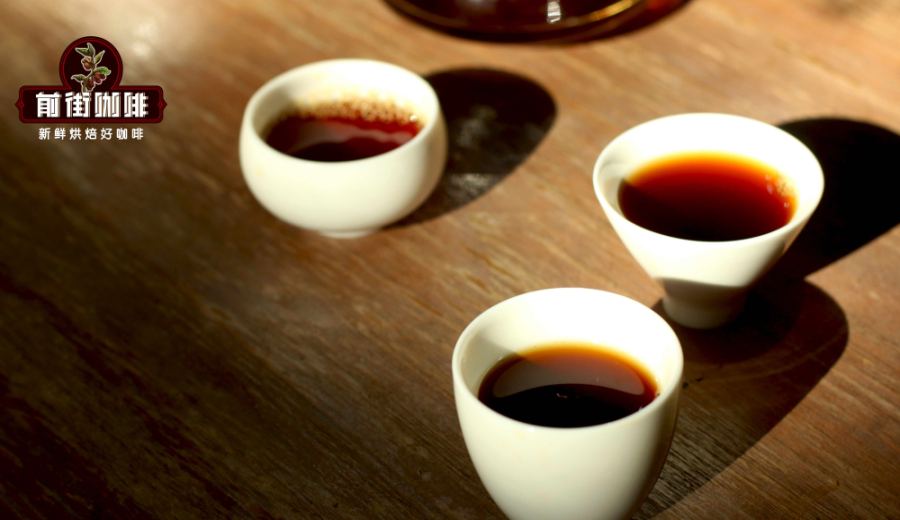
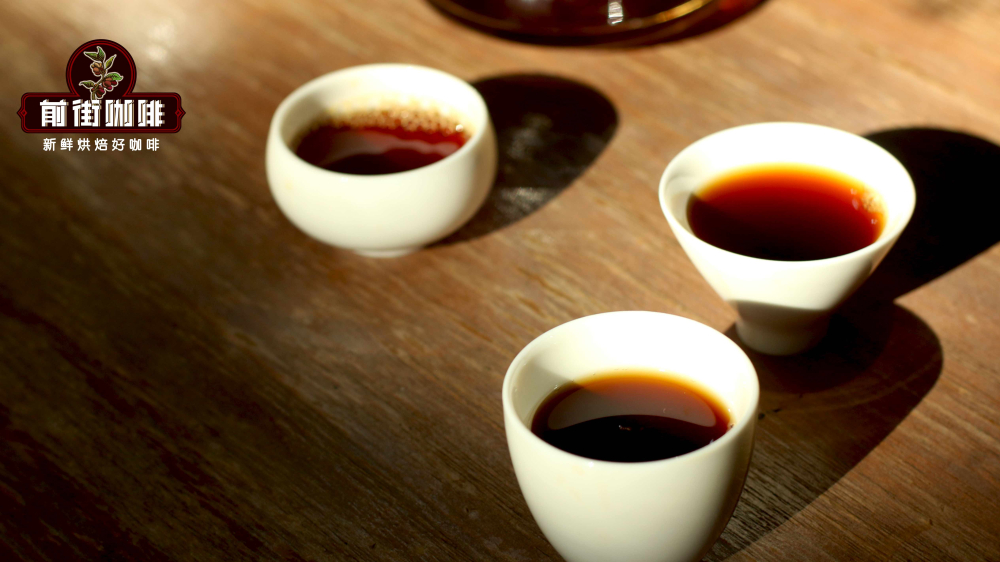
When it comes to the flavor profile of Yunnan Typica, opinions vary: some detect chocolate notes, while others perceive fruity aromas like sweet potato or Chinese plum. A certain coffee brand believes its flavor profile is relatively balanced, harmonizing acidity, sweetness, and bitterness. With a medium roast, it highlights nutty and caramel aromas while maintaining moderate fruit acidity. According to cupping records, the brand’s Typica exhibits composite aromas of chocolate, nuts, dried apricot, and brown sugar, along with a rounded sweetness akin to melon fruits, and a tea-like, smooth and lingering finish reminiscent of black tea.
Want to enjoy this meaningful Yunnan Typica at home? The French press is one of the simplest and most practical brewing tools. Here’s a complete guide to brewing Yunnan Typica with a French press:
【Equipment Needed for Brewing Yunnan Typica with a French Press】
- French press
- Pour over kettle
- Grinder (medium-coarse grind recommended)
- Thermometer (optional, for water temperature control)
- Digital scale
- Timer
- Freshly roasted Yunnan Typica coffee beans (20g recommended)
- Coffee cup
【Steps for Using a French Press】
- Weigh out 20g of coffee beans,using a medium-coarse grind, similar in texture to sea salt.
- Recommended water temperature is 85–95°C,slightly higher for light roasts, slightly lower for dark roasts—adjust according to personal preference.
- Place the ground coffee into the preheated French press.
- Slowly pour about300g of hot water (a coffee-to-water ratio of approximately 1:15),using a circular motion to ensure even saturation.
 Gently stir with a spoon or chopstick to make sure all coffee grounds are fully immersed.
- Put the lid on the French press,but do not press the plunger down yet,and let it steep for4 minutes(you may adjust the time longer or shorter based on taste preference).
 Once the time is up,slowly and steadily press the plunger down to the bottom,being careful not to press too quickly to avoid fine particles passing through the metal filter.
Finally, gently tilt the French press to pour out the coffee, avoiding vigorous shaking that may disturb the sediment and affect the taste.
- After a brief rest, enjoy your cup of Yunnan Typica coffee.
With this brewing method, you can easily recreate the richness and layered profile of Yunnan Typica at home, experiencing this historically significant and promising specialty coffee bean.
The above content is compiled by CoffeeHunters, a coffee news website.


