







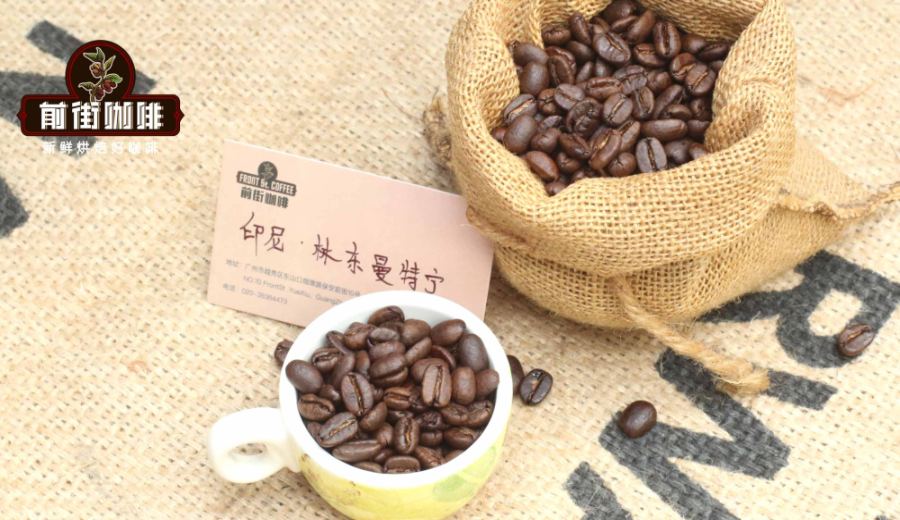
Introduction:An in-depth exploration of five classic Mandheling coffees from Sumatra, Indonesia — from Golden Mandheling to sun-dried versions. This guide covers their regions, altitudes, processing methods, and full flavor profiles, along with practical pour over recommendations. Whether you prefer a rich herbal character or are seeking a coffee experience with fermentation notes, this guide will help you find your own Mandheling flavor.
Mandheling coffee originates from Sumatra, Indonesia, and is globally recognized as one of the most distinctive representatives of dark roast flavors. Known for its low acidity, full body, and intense herbal and chocolate notes, its unique wet-hulling (Giling Basah) process imparts a strong earthy and spicy character. This article focuses on five representative Mandheling coffees from a certain coffee bean menu, including the highly acclaimed PWN Golden Mandheling, long-aged Aged Mandheling, Tiger Mandheling from Tiger Estate, a classic version from the Lintong region, and a special sun-dried variant that highlights fruity and fermented notes. It will take you through their origin backgrounds, processing details, and ideal brewing methods.
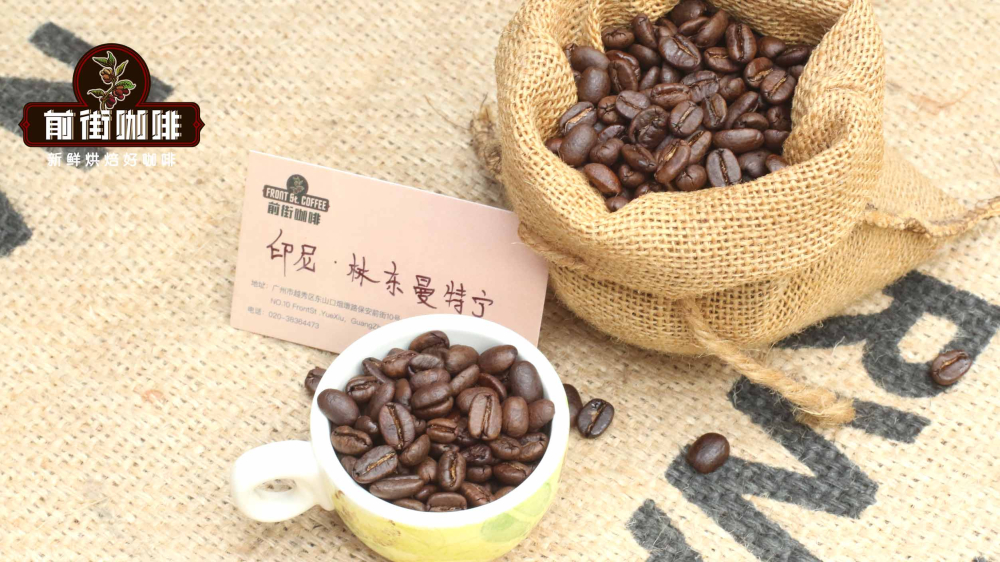
As the core coffee-producing region of Indonesia, Sumatra features mountainous terrain and a humid climate, making it particularly suitable for growing Arabica coffee. Major planting areas include regions around Lake Toba, Lintong, Lake Tawar, and Aceh, with altitudes generally ranging between 1,000 and 1,700 meters. The coffee here is predominantly Typica and Catuaí, processed using the unique “wet-hulling (Giling Basah)” method. This technique involves removing the outer parchment layer while the coffee beans still have relatively high moisture content, resulting in a denser bean structure and faster drying. It also contributes to Mandheling’s signature low acidity, full body, and distinctive woody and herbal aromas.
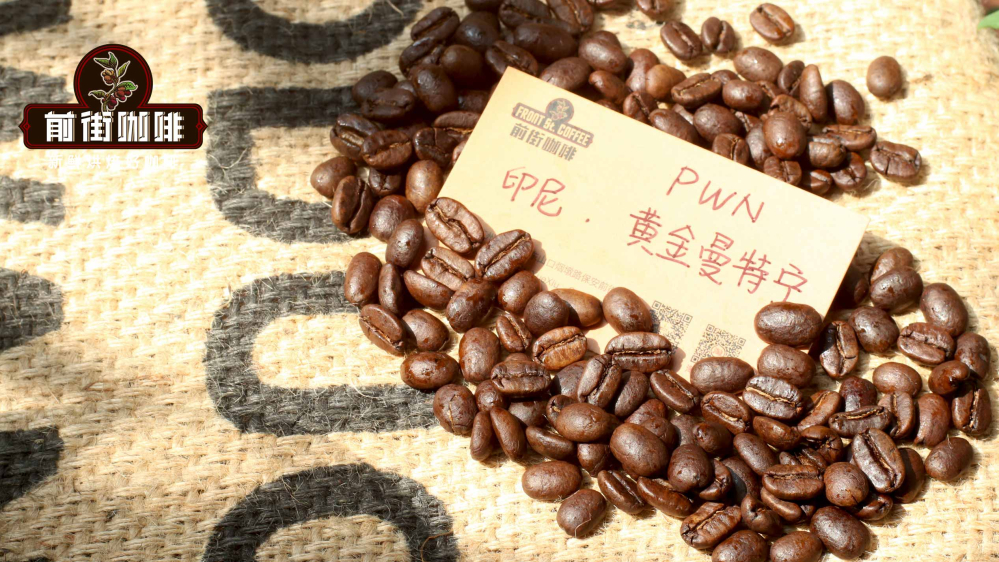
Among the many Mandheling offerings, PWN Golden Mandheling is arguably the most iconic high-end version. Sourced from the Lake Tawar region in North Sumatra, at an altitude of about 1,100 to 1,600 meters, the variety is Ateng (a local term for a certain type of Typica). This coffee is typically processed using the wet-hulling method and is recommended to be roasted close to the start of the second crack to achieve optimal balance. In terms of flavor, it often presents intense baked toast, nutty, and pine notes, accompanied by caramel sweetness and a unique herbal character. It suits those who enjoy a bold mouthfeel and layered spice complexity.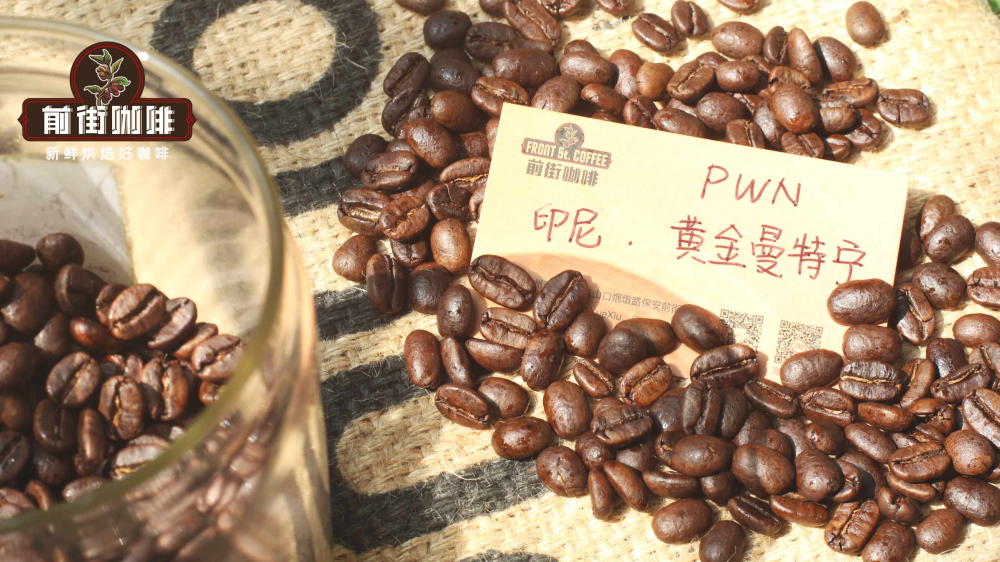
If you prefer coffee that has been refined by time, Aged Mandheling is definitely worth trying. Sourced from Lake Tawar, Sumatra, at an altitude of 1,500 meters, the variety is Typica, also processed with the wet-hulling method. What makes this coffee unique is its “husk-on aging” process: after harvest, the coffee is stored with its entire fruit husk intact for long-term cellaring, usually for three years or more. During this period, slow transformation occurs within the mucilage and seeds. The result is a significant reduction in acidity, a notable increase in sweetness, and flavors reminiscent of Pu-erh tea — steady, with caramel sweetness and deep herbal notes. The overall profile is layered and lingering, like a fine aged liquor, making it ideal for slow sipping and deep appreciation.
Tiger Mandheling from the Aceh region of Sumatra exhibits a distinctly different personality. Produced at an altitude of about 1,500 meters, the variety is a mix of Typica and Catuaí, also processed via wet-hulling. The drying and processing environment for this coffee is relatively favorable, resulting in clearer flavors: noticeable creamy texture, intertwined black chocolate and caramel sweetness, along with stable nutty notes and low acidity. The overall mouthfeel is balanced and clean, even revealing a hint of herbal aroma. It’s an ideal choice for coffee lovers who enjoy a soft yet full-bodied flavor with complexity.
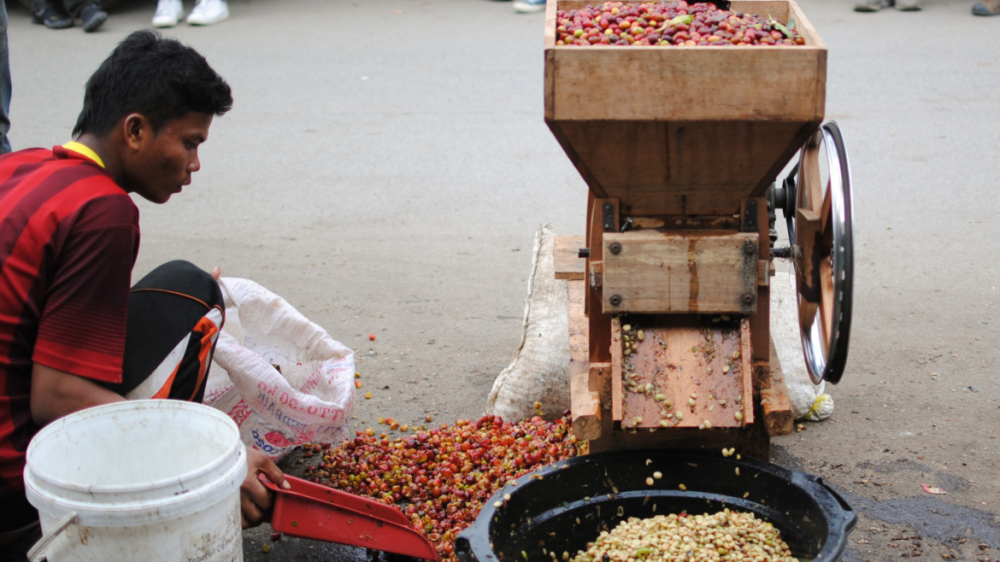
Lintong Mandheling is a quintessential representation of Sumatra’s classic flavor profile. Sourced from the Lintong region, at an altitude of 1,100 to 1,600 meters, the variety is again Typica and Catuaí, processed using the wet-hulling method. The drying process for this coffee is relatively unique — due to limited equipment among local farmers, it is commonly dried in three stages by farmers, middlemen, and exporters. This “multi-phase drying method,” combined with the high-humidity environment, leads to more complex transformations in the mucilage layer, resulting in a distinctive flavor profile of intense herbs, aged wood, and black chocolate. The cup offers pronounced herbal notes, but finishes sweet, making it suitable for those trying Mandheling for the first time or seeking the original flavors of Sumatra.
Finally, the sun-dried Mandheling from a certain brand is the only one among the five that uses the sun-drying processing method. Sourced from the Lake Toba region, at an altitude between 1,000 and 1,700 meters, the variety is Bourbon and Typica. Sun-drying allows the coffee cherries to ferment under sunlight for extended periods, preserving more pulp sugars. As a result, this coffee features tropical fruit characteristics as its main profile, with noticeable fermentation notes, moderate acidity, and prominent sweetness. The overall mouthfeel is smooth and layered. For those who enjoy fruity richness and a long-lasting aftertaste, this sun-dried Mandheling offers a taste experience distinctly different from traditional Mandheling.
In summary, the Mandheling series from Sumatra showcases the infinite possibilities of coffee flavors through its diverse processing methods and distinct regional identities. Whether you’re pursuing rich herbal notes, intense chocolate, or tropical fruits and fermentation layers, these five classic Mandhelings provide different flavor inspirations. It’s recommended to choose roast levels and brewing methods based on personal preference — for instance, those seeking bold flavors may opt for medium to dark roasts and extraction via French press or AeroPress, while fans of fruity and balanced acidity might try light to medium roasts with pour over to highlight freshness and complexity.
The above content is compiled by CoffeeHunters, a coffee news website.


