







Introduction:Pour over and espresso represent two extremes in extraction philosophy, differing greatly in bean variety selection, grind size, and extraction pressure. This article analyzes their fundamental differences through three key aspects, thoroughly breaking down the 9-bar high-pressure extraction process of espresso and the three-stage pouring technique of pour over. It also provides practical parameters such as coffee-to-water ratio, water temperature, and time to help enthusiasts—whether at home or in a café—adjust brewing methods based on bean characteristics to achieve balanced flavors.
Though both yield coffee, pour over and espresso follow distinctly different paths. From roast level and extraction pressure to final flavor expression, each step presents a vivid contrast. This article systematically compares the two brewing methods across three core dimensions, detailing the professional steps for making espresso and the segmented pouring techniques for pour over. It also references practical parameter settings—including dose, yield weight, and time control—to enable readers to replicate structured pour over or rich, smooth espresso tailored to their needs.
Pour over is commonly used for single-origin beans, gently extracting their innate flavors to showcase unadulterated layers. In contrast, espresso relies on 9 atmospheres of high pressure to create its signature thick texture and abundant crema. This difference is not only reflected in the brewing method but also directly impacts caffeine release—under the same dose and grind size, pour over often contains a higher proportion of caffeine due to its longer extraction time, while methods like cold drip and cold brew amplify this effect further.
To deeply explore the essential distinctions between the two crafts, the first consideration is coffee bean selection strategy.Pour Over CoffeeGenerally uses light to medium-roasted single-origin beans, emphasizing regional characteristics and the nuanced expression of processing methods; whereasEspresso Coffeemostly employs dark-roasted blends, combining beans from multiple sources to achieve ideal compatibility with milk or hot water. Notably, the espresso process requires a professional-grade grinder to ensure uniform particle size for stable extraction—a critical factor often overlooked by home users.
The differences in brewing principles are equally significant.Pour Over Coffeeis filtered drop-by-drop under normal pressure through a dripper, and even when using tools like a moka pot, the pressure only reaches around 3 bar;Espresso Machines, on the other hand, force water through a compact puck under 9-bar high pressure, releasing a wealth of high-molecular-weight flavor compounds during the process to form the intense base unique to espresso. This physical distinction makes espresso more compatible with milk, while pour over preserves the coffee bean’s most original aromatic profile.
Caffeine content comparisons often yield surprising results: under the same conditions, pour over typically releases a higher total caffeine amount due to its longer 1-3 minute extraction time, compared to the 20-30 second espresso. This phenomenon extends to long-extraction methods like cold brew and cold drip, where caffeine accumulation is even more pronounced. In practice, pairing single-origin coffee directly with milk can mask its inherent flavors due to milk fat, so professional shops often recommend sipping it solo to fully experience its layered profile.
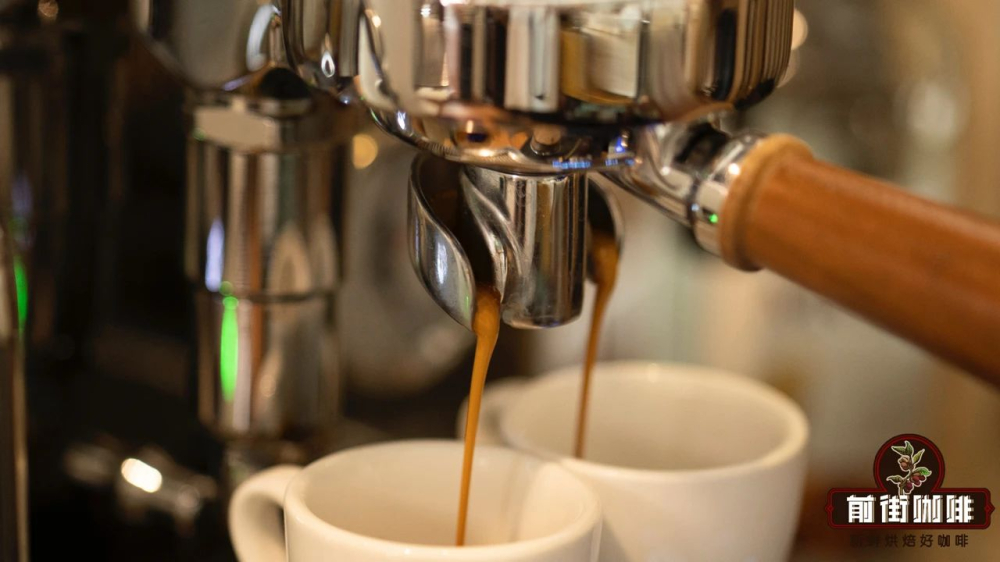
The standard process for making espresso involves precise parameter control: for commercial-grade machines, extraction pressure is maintained between 9-11 bar, using a double-shot basket with 18-20 grams of coffee, targeting a 1:2 coffee-to-liquid ratio (i.e., yielding 40 grams of liquid). Time management is crucial—the ideal extraction range is 28-30 seconds; shorter times result in sour, thin shots, while exceeding 35 seconds often produces burnt, bitter impurities. In practice, start by wetting the puck lightly with hot water to preheat the group head, then pour steadily to maintain a constant flow rate until the target weight and time are reached to complete the shot.
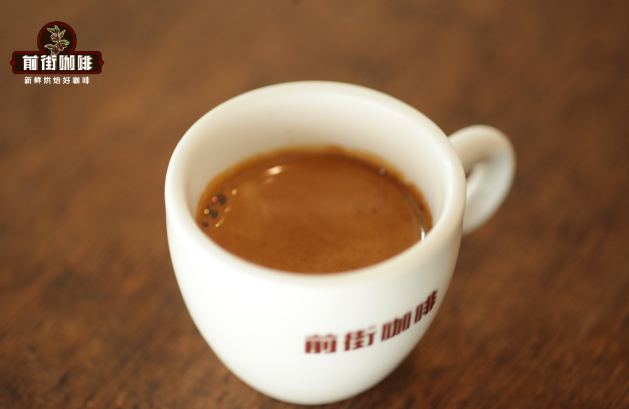
For home espresso preparation, pay attention to grind fineness and even tamper pressure. Adjust the grinder to a medium-fine range using a professional machine. For blend selection, sun-dried beans can add sweetness, while washed beans enhance clarity and acidity. After extraction, you can add hot water for an Americano or steam milk for a latte, showcasing diverse flavor possibilities.
Practical pour over brewing focuses on the three-stage pouring technique: take 15 grams of coffee and a 1:15 ratio as an example, with a total of 225 milliliters of water divided into three phases—first, 30 milliliters for a 30-second bloom; second, 95 milliliters poured in a steady circular motion; third, 100 milliliters to complete extraction. The key lies in maintaining a stable water stream and even flow rate. A resin V60 dripper paired with 91-93°C hot water is recommended to highlight the aromatic compounds of light to medium-roast beans. In practice, pre-wet the filter paper to avoid paper taste, and control the total extraction time to around 2 minutes for balanced flavors.
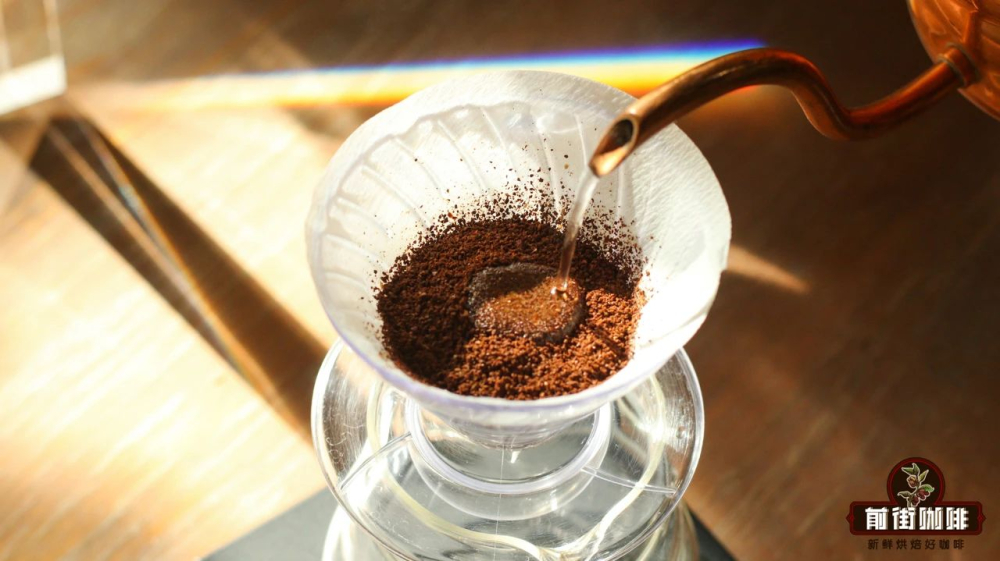
Essential equipment includes a pour over kettle, dripper, scale, and thermometer. Grind size should be adjusted to roughly 80% passing through a #20 sieve for a coarse consistency. Pouring techniques can be tailored to personal preference, but beginners are advised to start with the three-stage method to improve extraction uniformity. Note that different regional beans and roast levels require adjustments to water temperature and grind coarseness—for example, Ethiopian beans, known for bright fruity acidity, suit higher temperatures and finer pours, while Brazilian beans prefer moderate conditions to highlight nutty notes.
Extended low-temperature extraction methods like cold drip and cold brew each present unique flavor profiles. Cold drip coffee involves slowly percolating ice water below 5°C over 6-8 hours, followed by 8-12 hours of refrigerated maturation, resulting in exceptionally clear layers. Cold brew, meanwhile, steeps room-temperature cold water for over 12 hours, then filters directly for drinking, yielding a relatively rich and full-bodied taste. Both methods are ideal for summer consumption and reduce acidity harshness. Enthusiasts can choose based on their equipment setup.
The above content is compiled by CoffeeHunters, a coffee news website.


