







Introduction:The natural-process Geisha from the Guji-Hambela region of Ethiopia, with its distinctive berry and creamy aroma, has become the go-to choice for summer coffee lovers. This article delves into the flavor evolution of the Geisha 5.0, explores its key roasting essentials, and provides detailed practical parameters and techniques for four brewing methods—hot pour over, iced pour over, ice drip, and cold brew—to help you fully showcase the layered fruitiness of this coffee bean.
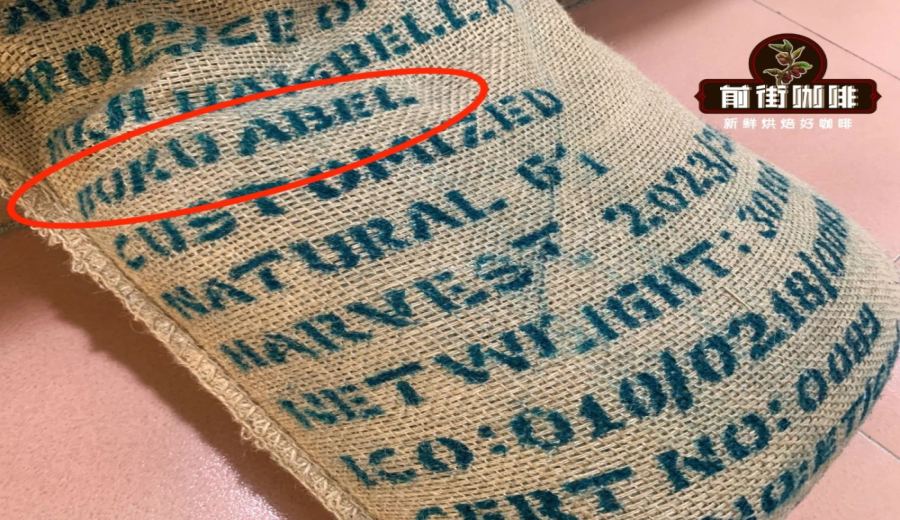
In the Hambela area of Ethiopia’s Guji region, the natural-process "Geisha" beans produced by the Buku Abel washing station have won global acclaim since 2017, when they took first place in the TOH (Taste of Harvest) green coffee competition, thanks to their rich notes of strawberry, cream, and berries. These beans are especially well-suited for making iced coffee, offering a refreshing yet full-bodied taste experience during hot summer days. This article will take you into the flavor world of Geisha 5.0, explore its transformation from a competition bean to a market star, and analyze its roasting characteristics along with optimal operation tips for four mainstream brewing methods.
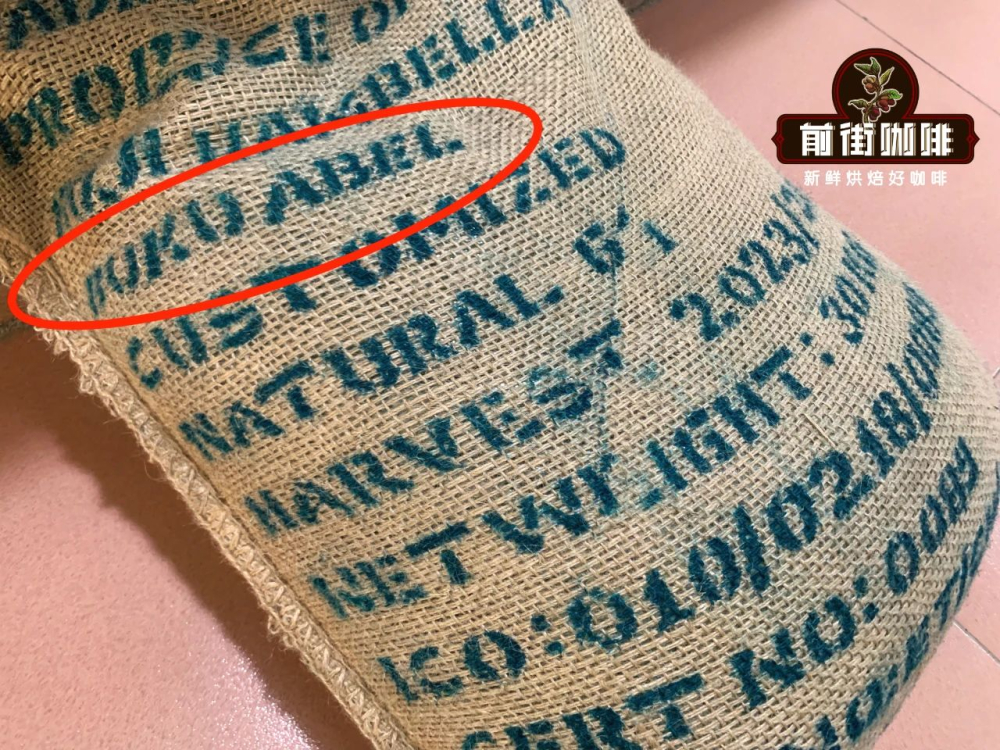
The story of Geisha began in 2017, when the beans from the Buku Abel washing station, submitted by Ethiopian green coffee company DW, stood out at the TOH competition with their outstanding strawberry and creamy profiles, winning the championship in the Ethiopian region. These champion beans were later introduced to the Chinese market and named "Geisha" due to their competition background. It’s worth noting that most other beans entered that year were of the Geisha variety, but Geisha's remarkable performance quickly made it a sensation. In the same year, Chinese barista Li Jianfei also won second place in the China regional round of the World Brewers Cup using the 2017 vintage Geisha, propelling this coffee bean into the spotlight of the industry.
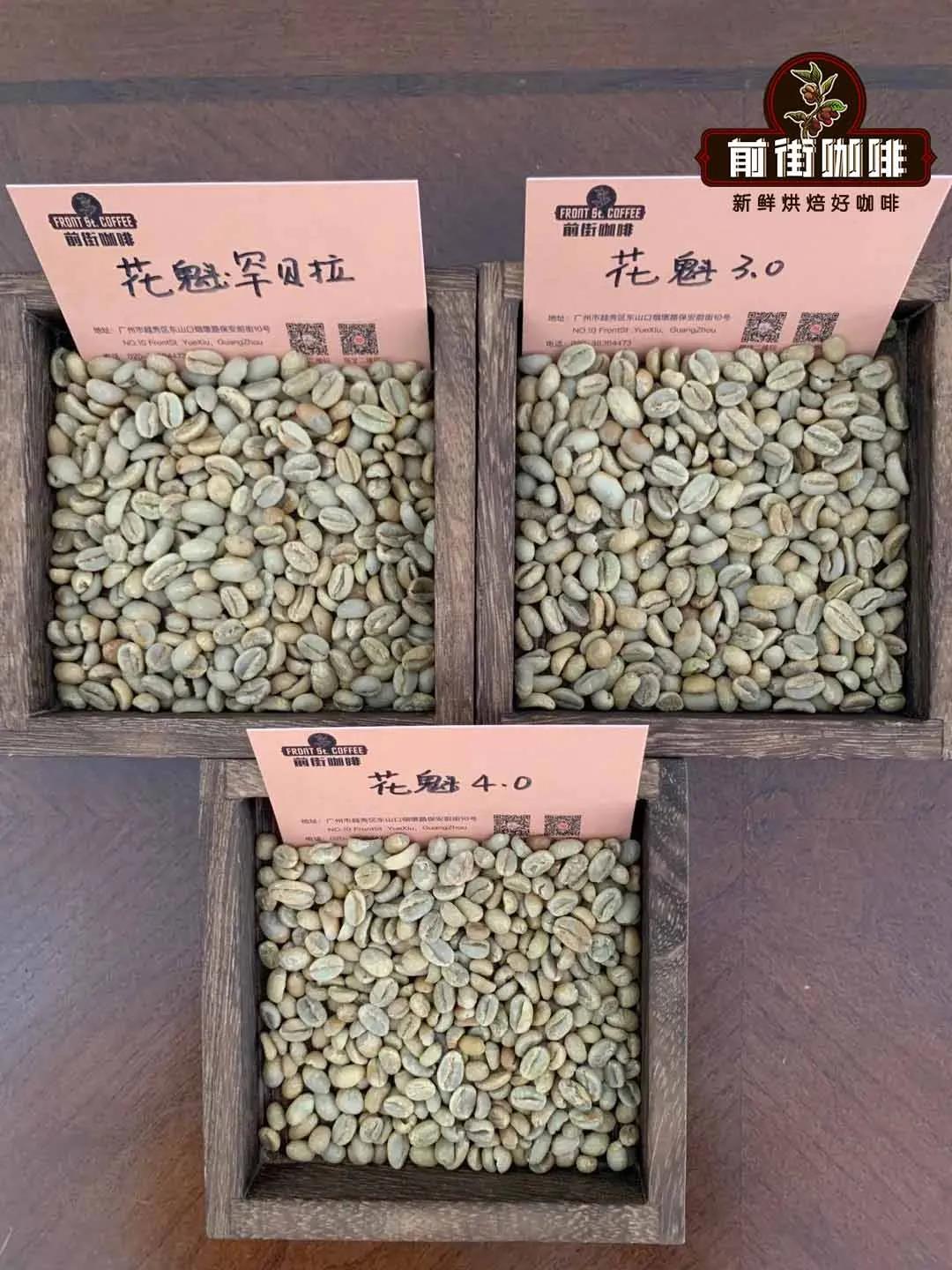
But is Geisha 5.0 the same as the original championship beans? The answer is no. Although all beans in the Geisha series come from the Buku Abel washing station and continue to use the natural processing method, the flavor evolves each year due to variations in climate, soil, and processing conditions. From Geisha 2.0 in 2018, to 3.0 and 3.1 in 2019, then 4.0 in 2020, and finally Geisha 5.0 launched in 2021, each year brings new flavor expressions that reflect the natural conditions and processing details of that year.
To fully bring out the flavor characteristics of Geisha 5.0, the roasting process is crucial. Since the new-crop green beans have relatively high moisture content, incomplete dehydration can easily lead to underdeveloped cores. Industry roasters recommend extending the dehydration stage from “turning point to yellowing” when roasting Geisha 5.0 to ensure even evaporation of moisture. In addition, to enhance the sweetness and fermentation layers brought by the natural process, the development phase (from yellowing to first crack) should also be moderately extended. Geisha 5.0 is grown at altitudes between 2250m and 2350m, resulting in hard bean density, so pre-first-crack development needs appropriate heat application to avoid losing acidity and sweetness due to overly prolonged first crack development.

To fully experience the fruity aroma and rich mouthfeel of Geisha 5.0, you can use the following four common brewing methods, each offering unique flavor profiles and operational nuances.
Hot Pour Over and Iced Pour Over Parameters and Techniques
To highlight the layers and fruitiness of Geisha 5.0, it is recommended to use relatively high water temperature and finer grind size, but pair it with a faster-flow V60 filter cone to avoid over-extraction. The V60’s 60-degree conical design allows for even distribution of coffee grounds, with water flow converging toward the center, while the large bottom hole and clockwise spiral ribs effectively enhance flow rate and extraction uniformity.
Hot Pour Over Recommended Parameters:Water temperature 90°C, brew ratio 1:15, coffee dose 15g, medium-fine grind (about 80% passing through a #20 sieve). Operationally, start with a 30g bloom for 30 seconds, followed by the first pour to 125g. When the water level drops to about two-thirds of the coffee bed, proceed to the second pour, and finish with a final pour to 225g by 1 minute and 40 seconds, for a total brew time of approximately 1 minute and 59 seconds. After brewing, gently swirl the cup to evenly distribute the coffee liquid before drinking.
For Iced Pour Over, use a slightly coarser grind (about 85% passing through a #20 sieve), brew ratio 1:10, coffee dose 15g, with 100g of ice added. Similarly, use a three-pour method: first pour 30ml for a 30-second bloom, then pour 60ml each for the second and third pours, and finally pour the brewed coffee over the ice and stir well.
Ice Drip and Cold Brew Operational Details
Ice drip extraction emphasizes slow brewing at low temperatures, which greatly reduces the risk of over-extraction and is ideal for highlighting the delicate fruitiness and sweetness of Geisha 5.0. It is recommended to use 60g of coffee grounds with 600ml of ice-water mixture, achieving a brew ratio of 1:10, with a grind slightly finer than pour over (about 85% passing through a #20 sieve). Control the dripping speed at 7 drops per 10 seconds, with the entire process taking approximately 6 to 8 hours. After extraction, it is advised to refrigerate for 12 hours before drinking to achieve a rounder mouthfeel.
For Cold Brew, use a brew ratio of 1:10 (grind size about 75–80% passing through a #20 sieve, equivalent to EK43s setting 9.5–10 or hand grinder C40 setting 22–26) as the base. Mix the coffee grounds with room-temperature water, seal, and refrigerate for 8 to 12 hours. For straight black coffee, a brew ratio of 1:12 to 1:13 is recommended for optimal palatability; however, if planning to add fresh milk, it is advisable to increase the concentration to 1:10 to 1:11 to prevent the milk flavor from overpowering the coffee’s inherent characteristics.
Regardless of the brewing method chosen, coffee prepared at low temperatures (such as ice drip and cold brew) is best consumed within 5 days after preparation to ensure freshness and safety.
The above content is compiled by CoffeeHunters, a coffee news website.


