








Introduction:Arabica coffee beans, with their delicate aromas and layered complexity, have become the mainstream in the specialty coffee market. This article delves into the origins, morphology, and flavor profiles of the major Arabica varieties and their derivatives, along with practical pour over brewing suggestions to help you understand the key differences in coffee flavors starting from the variety level.
The unique flavor of each cup of coffee stems fundamentally from the coffee variety used. Among the world’s three primary species—Arabica, Robusta, and Liberica—Arabica stands out with its mild acidity, rich aroma, and refined mouthfeel, dominating the majority of the specialty coffee market. Within the Arabica family, there are numerous varieties and cultivars such as Typica, Bourbon, Geisha, Caturra, and Catimor, each exhibiting distinctly different cup characteristics.

Arabica (Arabica), also known as the small-seed coffee, originates from Ethiopia and is now widely cultivated in South America (excluding parts of Argentina and Brazil), Central America, Africa (especially East African countries like Kenya and Ethiopia), and Asia (such as Yemen and India). It accounts for 70% to 80% of global coffee production and is the dominant variety in both commercial and specialty markets.
However, Arabica is less resistant to pests and diseases, has a longer growth cycle, and thrives only in environments at elevations of 500 to 1500 meters or above, primarily in volcanic soil or highland regions. Among these, coffee grown at altitudes above 1500 meters tends to have higher quality potential due to slower maturation and more thorough flavor development. Precisely because of this, through centuries of natural mutation and selective breeding, Arabica has developed over seventy varieties and further diversified into numerous mutations adapted to different regions and needs.
In terms of appearance, Arabica coffee beans are typically elongated and oval-shaped, with an S-shaped center cut, forming a clear contrast to the shorter, rounder Robusta beans with straight seams. Moreover, even within the same variety, beans grown at different altitudes and in varying climatic conditions can exhibit vastly different flavors. For example, the flavor profiles of Geisha grown in Ethiopia and Panama show significant differences, highlighting the critical influence of microclimates on flavor formation.
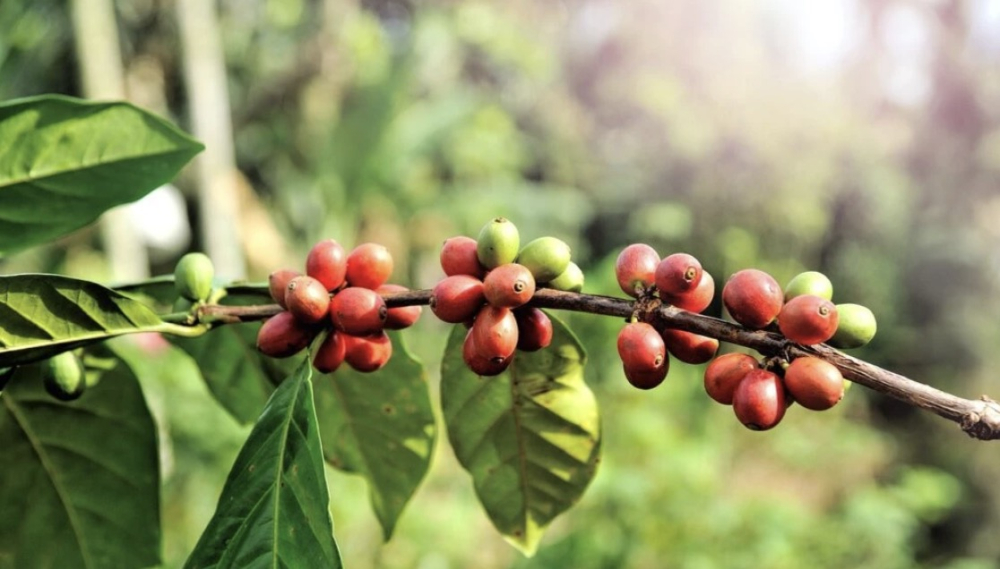
Among the many Arabica varieties, Typica and Bourbon are considered the most representative “ancient heirloom varieties.” Typica originated in southwestern Ethiopia, later spread to Yemen, and was subsequently introduced from Yemen to India, Indonesia, and the Americas. Its descendant varieties include the renowned Blue Mountain, Mandheling, and Yunnan small-seed varieties. Typica beans are relatively long and slender with pointed ends, showing a clear difference from the rounder appearance of Bourbon. It’s worth mentioning that the exceptional flavor of Blue Mountain coffee is not only due to its unique geographical conditions but also owes much to the ancient Typica variety used in its cultivation.
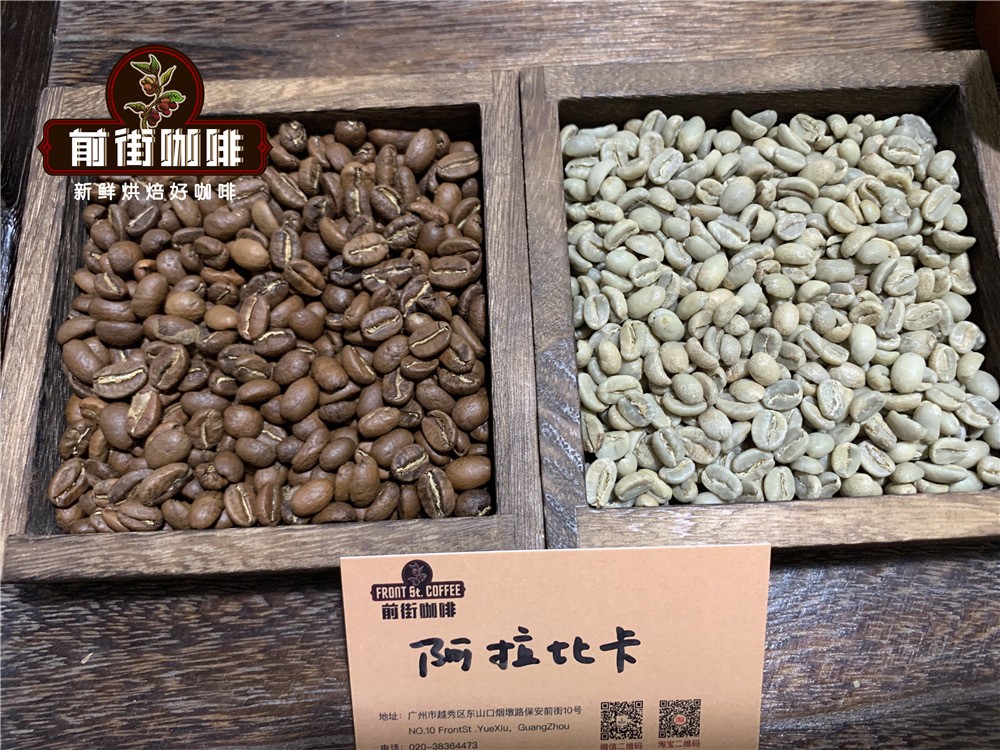
The Bourbon variety was introduced to Bourbon Island (now Réunion Island) from Yemen around the early 18th century and gradually spread to Africa and Central and South America. Bourbon beans are slightly smaller than Typica, usually round-bodied and plump in appearance, often exhibiting pronounced caramel and sweet flavor notes. The red bourbon mutation, in particular, has gained widespread market acclaim for its outstanding performance in Brazil’s Cerrado region, with flavor profiles commonly featuring layers of nuts, cream, caramel, and chocolate.
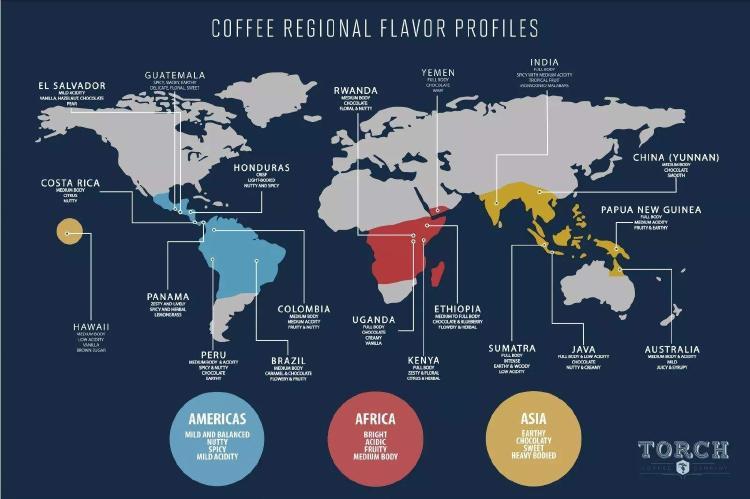
Beyond these historically significant heirloom varieties, the Arabica family also includes numerous cultivars born from genetic mutations or artificial hybridization, such as SL28 and SL34. These two varieties were selected by Kenya’s Scott Laboratories in the 1930s. SL28 is known for its bright acidity and unique berry-like characteristics, while SL34 exhibits a more rounded acid-sweet balance with a caramel aftertaste. These varieties have consistently performed well in cupping competitions and have become planting favorites for many specialty coffee farms.
Geisha (Geisha) is a globally popular star variety in recent years. Originally from Ethiopia, it gained immense acclaim at Panama’s Hacienda La Esmeralda, winning international cupping championships for several consecutive years. Its flavor often combines the exquisite blend of rose, citrus, honey, and tea-like notes. Geisha’s outstanding performance has made it a top choice for many coffee competitions and has earned high praise in both professional and consumer markets.

Additionally, varieties such as Caturra, Catuai, and Pacas are mostly single-gene or double-gene mutations of Bourbon, offering higher yield potential and adaptability while still maintaining a certain level of flavor quality. Catimor, on the other hand, is a hybrid of Arabica and Robusta. Although its flavor profile generally doesn’t match that of traditional varieties, its high resistance to diseases and adaptability to various environments make it a staple in many commercial growing regions, especially in Yunnan.
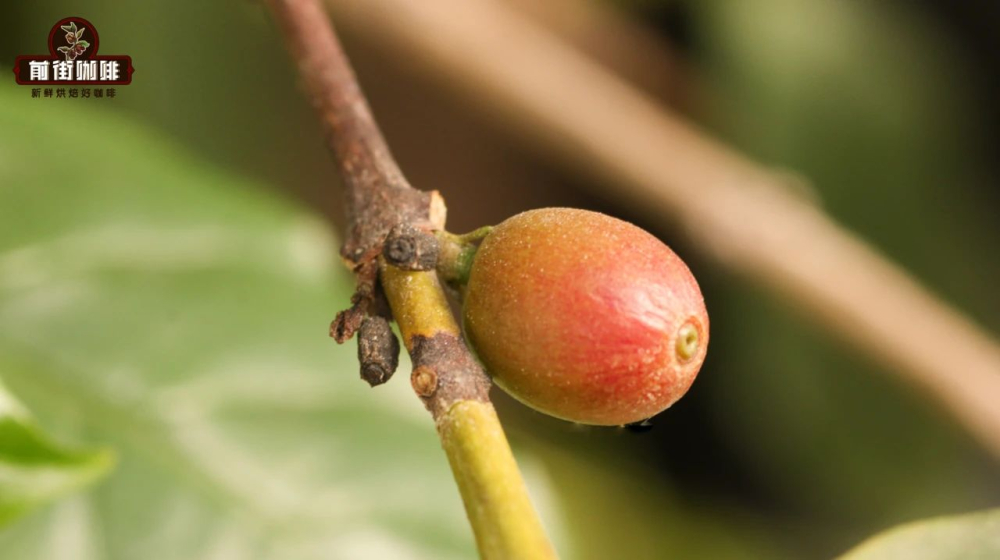
For coffee enthusiasts, understanding the flavor characteristics of different varieties not only enhances tasting skills but also helps select suitable beans based on personal preferences. For instance, those who prefer fruity acidity and floral notes may prioritize Geisha, SL28, or Typica, while consumers who enjoy sweetness and a fuller body might try varieties like Bourbon, Yellow Bourbon, or Caturra.
In terms of brewing, regardless of the variety chosen, freshness is the core factor influencing flavor expression. It is recommended to use coffee beans roasted within five days, and adjust grind size and water temperature according to the variety’s characteristics. For example, high-acid, bright varieties like Geisha suit slightly lower water temperatures (around 90°C) and medium-fine grind settings to highlight their delicate aromas, whereas fuller-bodied, low-acid varieties like Catimor can have the water temperature increased slightly to 92–93°C, with a medium-coarse grind for a more balanced extraction.
In summary, the diversity of Arabica coffee varieties brings endless possibilities to the world of coffee. From the ancient Typica to the modern Geisha, each variety carries unique regional characteristics and flavor memories, waiting for you to explore and savor firsthand.
The above content is compiled by CoffeeHunters, a coffee news website.


