







Introduction:Indonesian Mandheling coffee is beloved by coffee enthusiasts worldwide for its full body, low acidity, and distinctive herbal and nutty flavor profile. The secret behind its unique character lies in the region’s signature wet-hulling process, which differs significantly from washed and natural methods, resulting in Mandheling’s one-of-a-kind flavor wheel. This article delves into each step of the wet-hulling process, compares it with the washed method, explains the cause of the “goat hoof bean” phenomenon, and introduces two renowned Mandheling varieties—Lintong and Golden Mandheling—highlighting their regional characteristics and flavor profiles. Finally, we provide professional-grade pour over parameters to help you fully grasp this unique processing technique.
Indonesian Mandheling coffee is world-renowned for its full body, low acidity, and herbal-nutty notes, all of which are inseparable from the region’s unique wet-hulling process. Originating from Indonesia’s hot, rainy climate and limited economic resources, this method produces flavors distinctly different from washed or natural processing, endowing Mandheling with its characteristic bold body and low acidity.
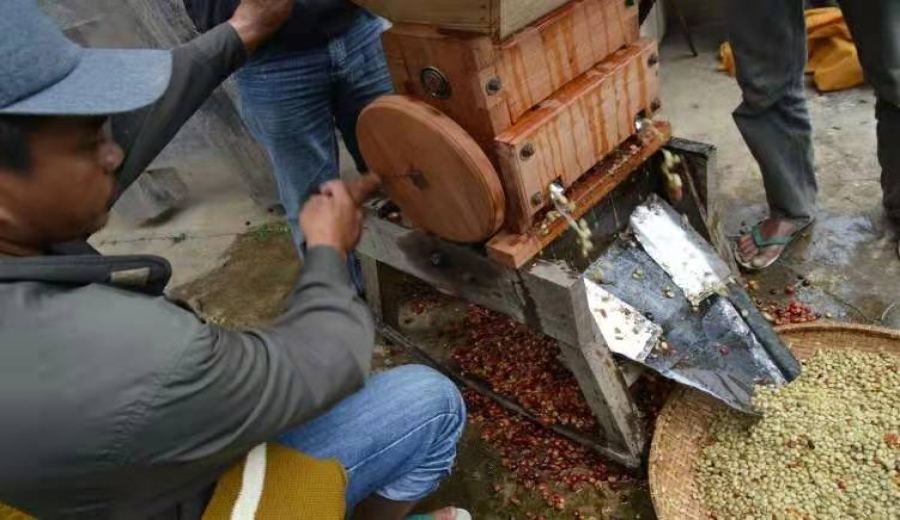
Known as wet hulling (or Wet Hulling), and locally referred to as Giling Basah in Indonesia, this method is sometimes also categorized as a semi-washed process. Its development was primarily driven by Indonesia’s consistently hot and humid conditions, frequent rainfall, and lack of sufficient consecutive sunny days for natural drying, coupled with the relatively high cost of washed processing, which is less feasible under local economic constraints. Wet hulling emerged in this context, not only becoming representative of Indonesian coffee processing but also shaping the unique aroma and texture of Mandheling coffee.
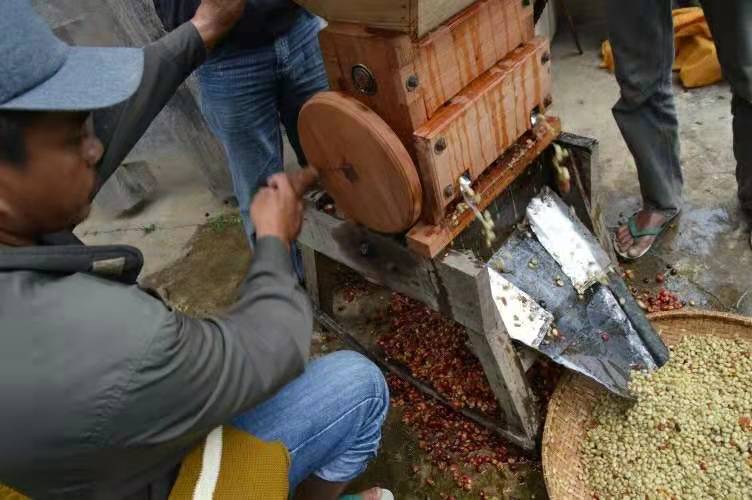
The key difference between wet hulling and washed processing lies in the timing of drying and hulling. In the washed method, fermentation is used to remove the mucilage, followed by thorough washing and drying with the parchment layer intact. In contrast, wet hulling involves only brief partial drying after fermentation, after which the parchment and pulp layers are removed before the final drying stage. This means the coffee beans are hulled before they are fully stable, further influencing their flavor development and contributing to Mandheling’s signature intense and bold profile.
Mandheling coffee is hailed as one of the fullest-bodied coffees in the world, characterized by a heavy mouthfeel, low acidity, and sweet notes reminiscent of dark chocolate and caramel, with a long and layered aftertaste. At this coffee brand, Mandheling has always been an immensely popular single origin, even regarded as the epitome of body before the rise of Blue Mountain coffee.
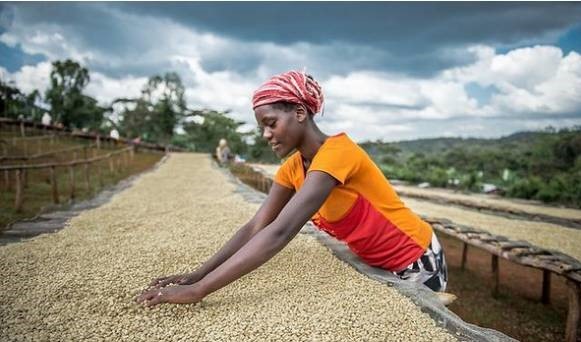
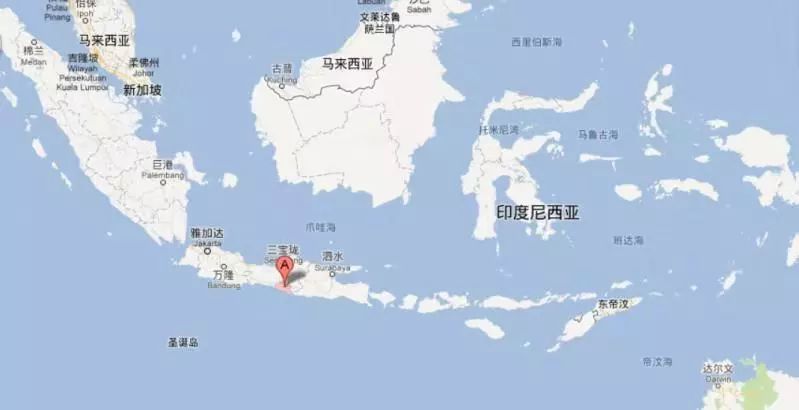
As an archipelagic nation, Indonesia features mountainous terrain and a tropical rainforest climate, with high temperatures and humidity year-round—average temperatures around 25–27°C and annual rainfall between 1600–2200 mm. Short daylight hours make traditional natural drying less viable, yet these conditions inadvertently gave rise to the wet-hulling method. Major Indonesian coffee-growing regions include Sumatra, Java, and Sulawesi, with Sumatra’s Mandheling being the most renowned.
Often referred to as Sumatran coffee, Mandheling can be further divided by region into Aceh or Lake Tawar coffee from the northern tip, and Lintong and Lake Toba area Mandheling. The brand offers two Mandheling options: a regular-grade Indonesian Mandheling and a high-quality Golden Mandheling. The latter is of the Typica variety, rigorously selected with minimal defects, classified as G1 grade, and features a deep green color with uniform bean shape.
Lintong Mandheling is grown in the central-northern Lintong highlands of Sumatra, near Lake Toba. As the standard version of Mandheling, it is also processed using the wet-hulling method, retaining its low acidity and full body—making it a great entry-level choice for many coffee newcomers exploring Mandheling. Location
Golden Mandheling is a higher-grade product, crafted from Typica beans larger than eighteen screens with an extremely low defect rate. After strict selection, it not only eliminates earthy and musty off-notes but also showcases a clean and bright flavor profile, with more pronounced sweetness and aroma. This coffee is sourced and launched by the Indonesian company Pwani Coffee Company and is recognized as the authentic source of Golden Mandheling in the market.
The main varieties planted for Mandheling coffee are timtim (i.e., Timor, an Arabica with Robusta lineage) and ateng (i.e., Catimor, a hybrid of Caturra and Timor). These varieties are well-suited to Indonesia’s humid and rainy environment but also place higher demands on processing techniques.
Here are the specific steps of the wet-hulling process: First, farmers harvest ripe coffee cherries and use water flotation to remove unripe and defective beans. Next, a pulper removes the fruit flesh and outer skin, leaving the parchment and mucilage, which undergo brief fermentation to break down the mucilage. The beans are then sun-dried for 1–2 days until their moisture content drops to 30%–50%. Afterward, a machine removes the parchment layer along with remaining mucilage, followed by a second drying phase until moisture content reaches 12%–13%, completing the process.
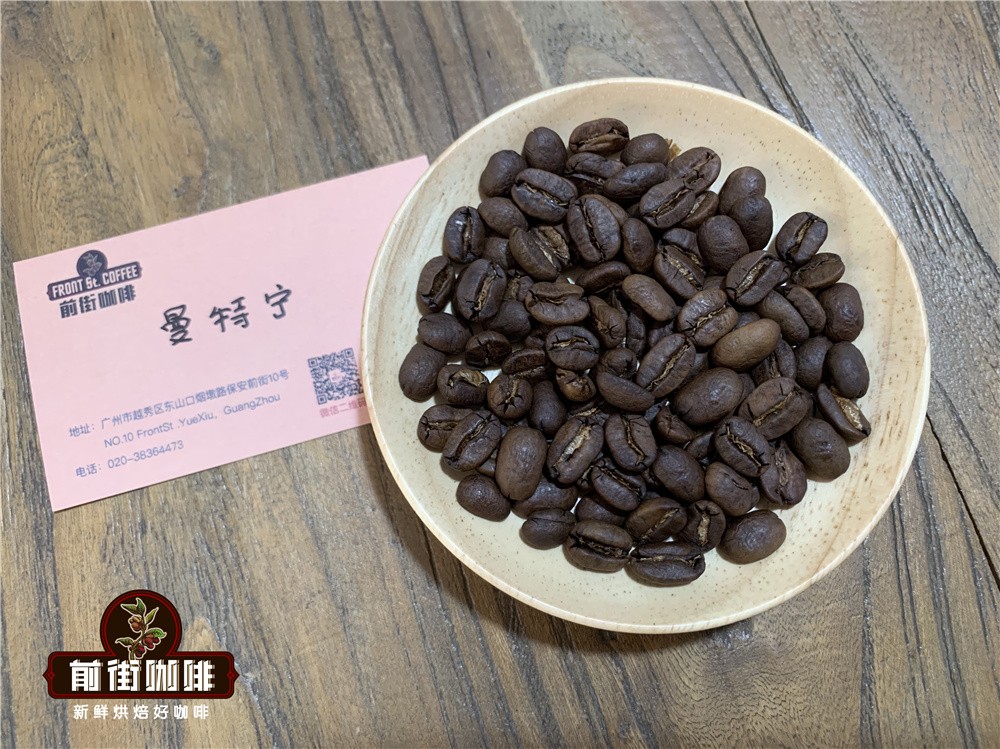
However, wet hulling has a unique phenomenon: when the parchment layer is removed, the beans—still in a semi-hard, moist state—are prone to cracking under mechanical pressure, forming marks resembling goat hooves, commonly known as “goat hoof beans.” These are not defective beans but rather a common characteristic of the Mandheling processing method.
For pour over brewing of Mandheling, it is recommended to use freshly roasted beans, ideally within 4–7 days post-roast. If purchasing pre-ground coffee, it is best to consume it promptly to avoid oxidation affecting the flavor. To fully highlight Mandheling’s body and layered complexity, it is advised to use a KONO filter, with a water temperature of 88°C, a 1:15 coffee-to-water ratio, and a grind size set to 75% passing through a #20 sieve. Employ a three-stage extraction: first, bloom with twice the coffee’s weight in water (approximately 30 grams) for 30 seconds, then pour to 125 grams and 225 grams in separate steps, for a total brew time of about 2 minutes.
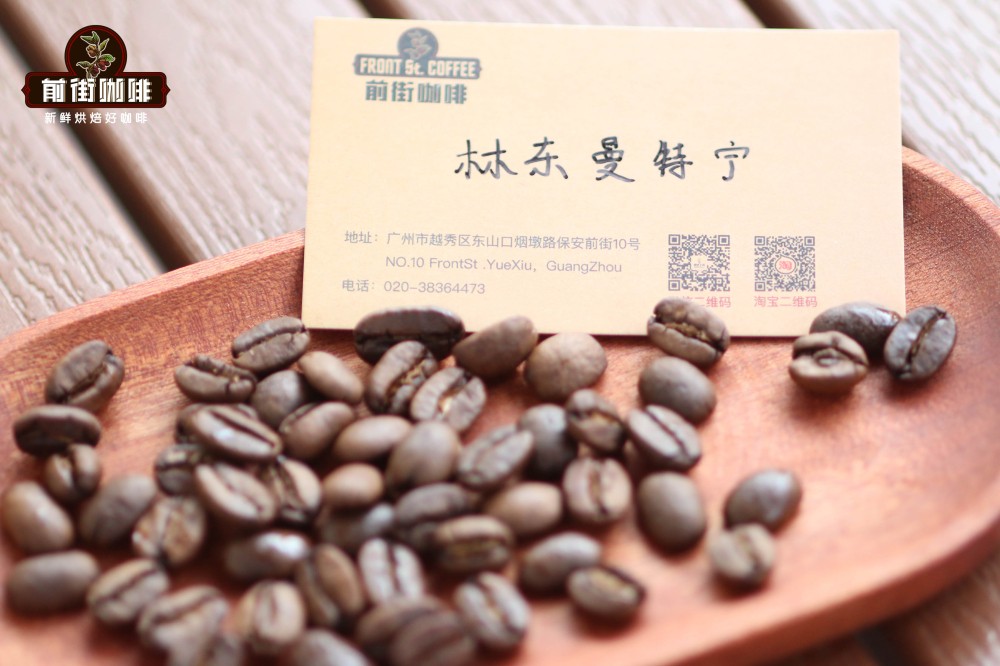
Lintong Mandheling presents a balanced flavor profile of herbs, chocolate, and caramel, with an overall smooth and harmonious mouthfeel. Golden Mandheling, on the other hand, boasts a multi-layered aroma of nuts, spices, herbs, licorice, chocolate, and caramel, offering a richer and more refined taste—making it an excellent choice for advanced coffee drinkers.
The above content is compiled by CoffeeHunters, a coffee news website.


