







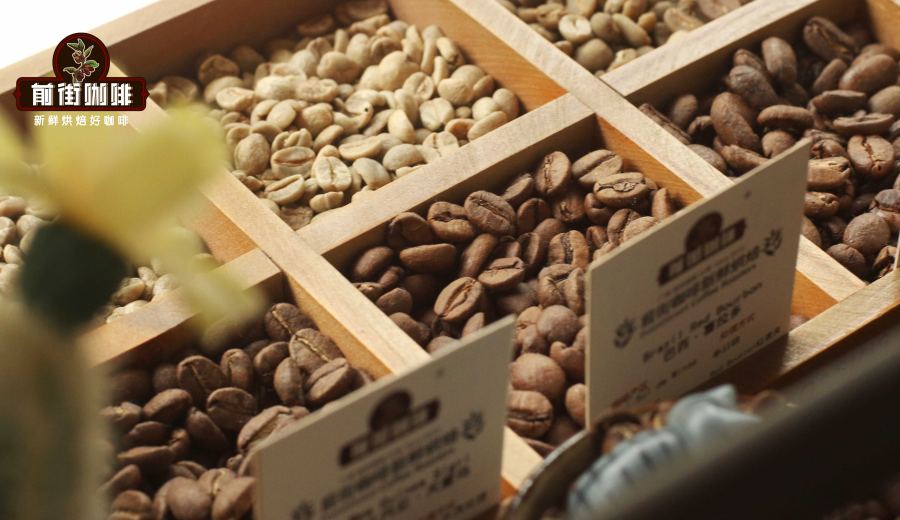
Introduction:Gain an in-depth understanding of the diverse variety characteristics of Brazilian coffee, the distribution of its major growing regions, and the differences between pulped natural and natural processing methods. This article takes you on an exploration of the unique flavor profiles of Red Bourbon and Yellow Bourbon, offering practical roasting analysis and pour over parameters—providing useful guidance for both beginners and advanced enthusiasts.
As the country with the highest global coffee production, Brazil not only supplies a large volume of commercial beans but also possesses significant specialty coffee potential. From the early introduction of Typica to the now widely cultivated varieties such as Bourbon, Caturra, and Catuai, the evolution of Brazilian coffee has profoundly influenced the global coffee map. This article will provide you with a comprehensive overview of Brazil’s major coffee varieties and representative growing regions, along with an in-depth analysis of the characteristics of pulped natural and natural processing methods, while also offering roasting and pour over recommendations for two classic bean varieties: Red Bourbon and Yellow Bourbon.
Located in eastern South America and spanning both tropical rainforest and savanna climate zones, Brazil boasts a vast and naturally suitable environment for coffee cultivation. Coffee was introduced to Brazil in the 18th century from French Guiana, initially brought back as seeds by a Portuguese officer from Cayenne, and has since taken root and rapidly expanded in Brazil. Early cultivation areas were mainly concentrated in the state of São Paulo and the province of Paraná, but the latter gradually shifted focus to regions such as Minas Gerais and Bahia due to winter frost impacts. Particularly, Minas Gerais has become a key producing region for Brazilian specialty coffee.
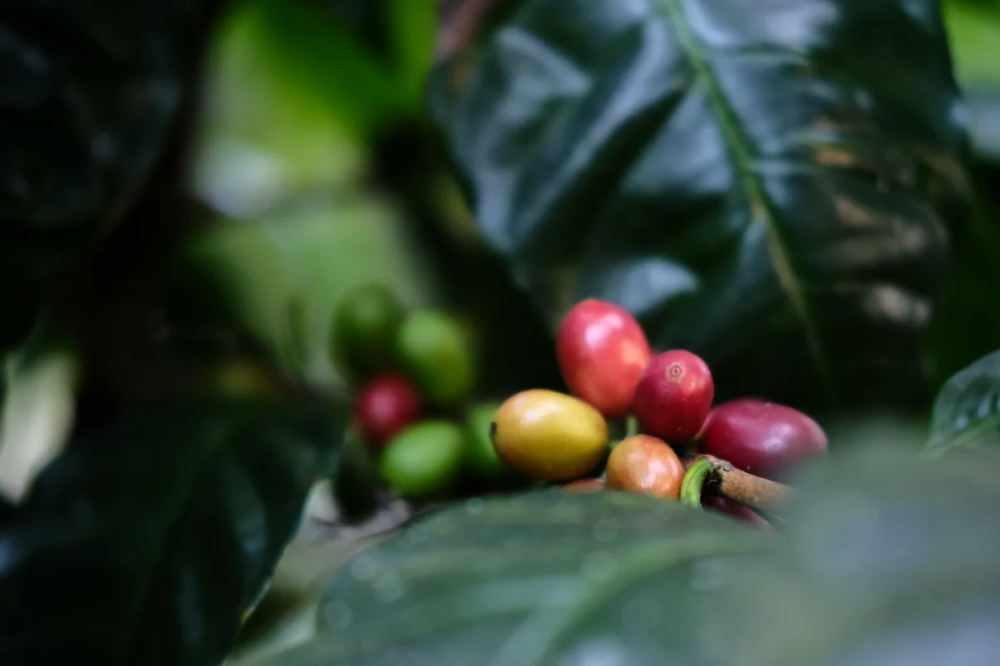
The development of Brazilian coffee varieties is closely linked to the global context. Although Typica is the oldest Arabica variety, its low yield and weak disease resistance have limited its current cultivation area. Bourbon emerged as a later but important variety, offering a more balanced flavor profile than Typica and slightly higher yields. Notably, Yellow Bourbon is a mutation of Bourbon, where the fruits turn bright yellow at maturity rather than the common red—a variation first discovered in Brazil in the 1930s. Due to its unique flavor yet relatively low yield, it is mainly cultivated in small quantities at high altitudes.
In addition, Caturra, a natural mutation of Bourbon, is known for its dwarf plant stature and high-yield traits. Though not widely promoted in Brazil, it has had a profound impact on the development of Central American coffee varieties. The New World variety is a hybrid offspring of Bourbon and Sumatra Typica, characterized by tall plants and rounder beans, offering good commercial potential. Catuai is an artificial hybrid between the New World variety and Yellow Caturra, combining high yield, disease resistance, and excellent cup quality, making it a key choice for Brazilian coffee farmers. As for Elephant Bean (Maragogype), it is a natural mutation of Typica, famous for its unusually large bean size, but due to challenges in cultivation management, it is only grown in small amounts in a few regions.
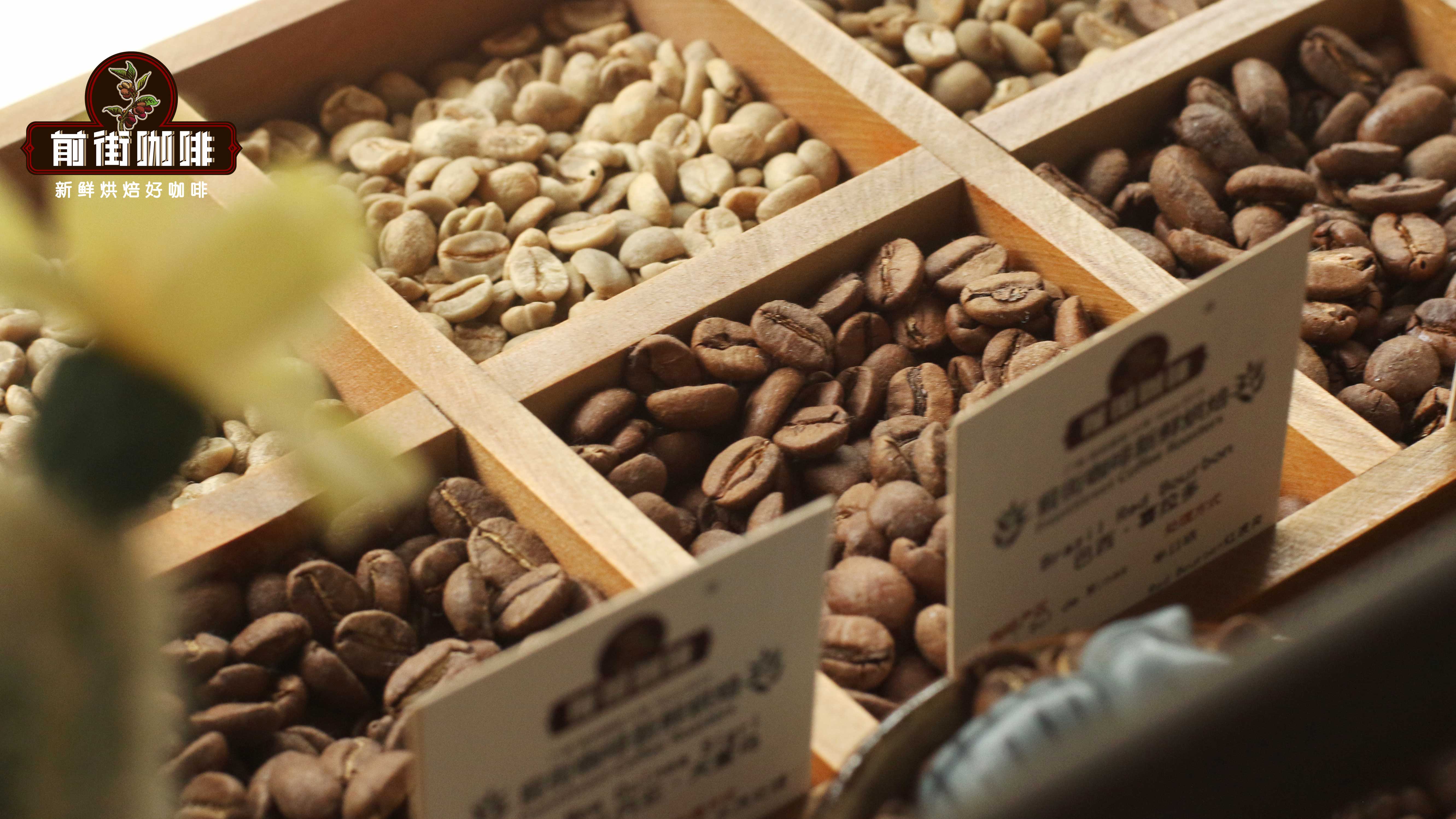
When discussing Brazilian coffee processing methods, one cannot overlook the innovative technique of pulped natural (Pulped Natural). In the past, Brazil commonly used traditional natural (sun-dried) processing, but due to climate change and limitations in processing environments, it was prone to undesirable off-flavors. To address this issue, Brazil developed the pulped natural method in the 1990s, combining the advantages of both natural and washed processes. This method involves removing the coffee fruit’s pulp while retaining some mucilage, followed by sun drying, which significantly shortens processing time and reduces dependence on weather conditions. This innovation not only improves the consistency of coffee quality but also reduces water usage, making it an ideal solution for arid regions.
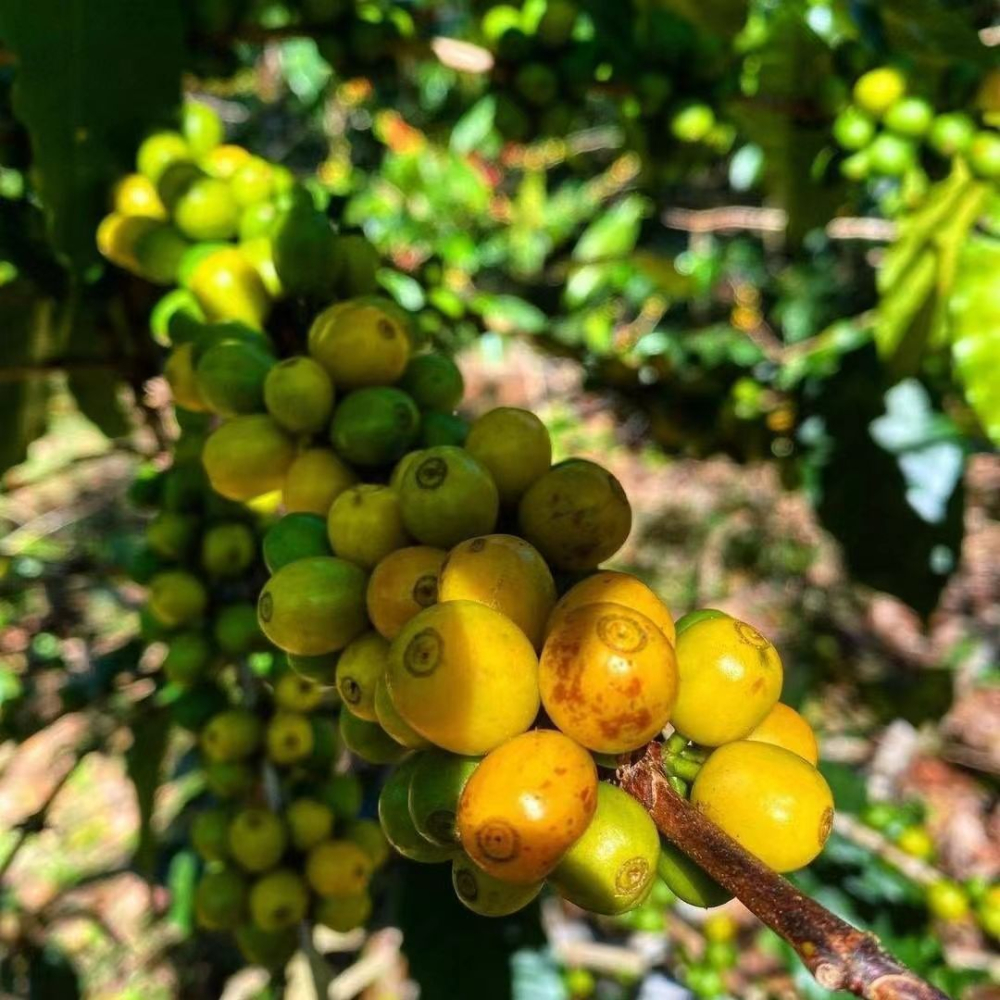
Taking the renowned Brazilian growing region of Sul de Minas as an example, this area ranges in altitude from 700 to 1200 meters and includes two important sub-regions: Cerrado and Sul de Minas. Cerrado features a plateau terrain with altitudes of 750 to 1200 meters; Sul de Minas, primarily hilly, has seen numerous estates from this region achieve top results in Brazil’s Cup of Excellence auctions since 1999. A certain coffee shop’s Red Bourbon comes from Sul de Minas, processed using the pulped natural method at an altitude of around 1000 meters. In terms of roasting, because Brazilian coffee beans have relatively low density, it is recommended to use medium heat to avoid scorching and bitterness caused by excessive temperature. Specifically, preheat the roaster to 200°C, set the air vent to 3, start firing after 30 seconds and adjust the heat to 160, enter first crack at about 8 minutes and 50 seconds, and continue roasting until reaching approximately 200°C for dropping, allowing the sweetness and caramelization flavors to fully develop.
For pour over, it is recommended to use 15 grams of coffee grounds, water temperature of 86–88°C, medium grind (70% passing through a #20 sieve), and a 1:15 coffee-to-water ratio. Use a staged extraction method: begin with a 30-second bloom using 30 grams of water, then pour in a small circular motion up to 125 grams and pause, finally pouring up to 225 grams to complete the extraction, with a total time of about 2 minutes. This parameter highlights the sweetness, nuttiness, and chocolate notes of Red Bourbon, resulting in a clean and smooth flavor.
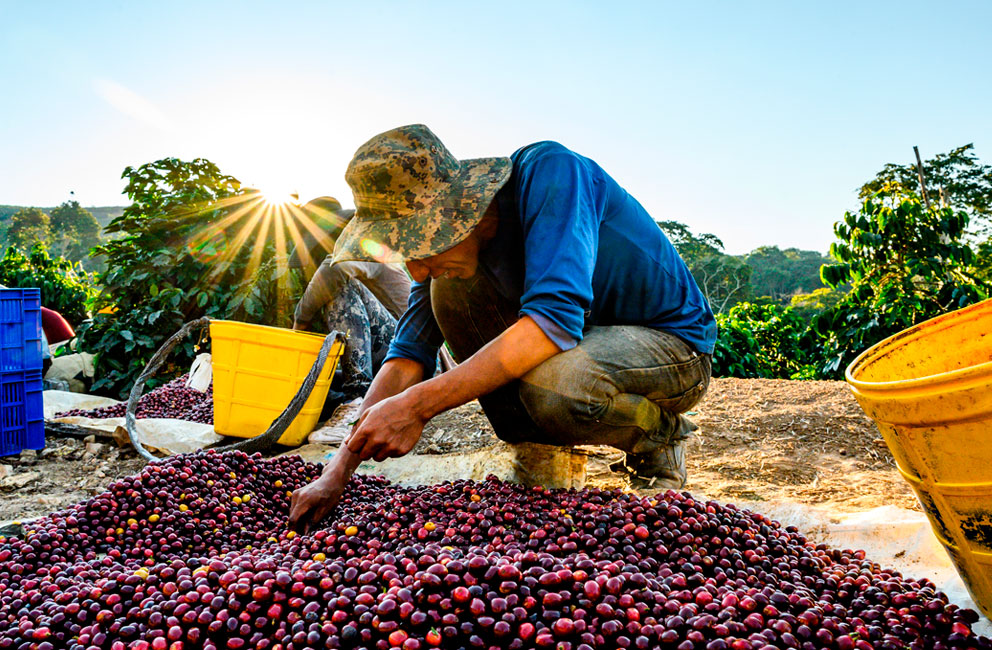
Another noteworthy variety is the Yellow Bourbon from Fazenda Rainha, produced in the Mogiana region at altitudes of 1400–1950 meters. This region combines traditional and modern planting techniques, with coffee trees growing among shrubs and grasslands, and some estates maintaining small family-run operations. Fazenda Rainha employs meticulous natural processing, using semi-mechanical harvesting and double flotation to select high-quality coffee cherries, which are then sun dried on raised beds until reaching 12% moisture content. The drying process is closely monitored manually to ensure consistent quality.
In roasting, due to Yellow Bourbon’s higher growing altitude and relatively harder bean texture, it is recommended to use a medium-to-low roast. Taking the Yangjia 800N roaster as an example, preheat the roaster to 200°C, set the heat to 150 and air vent to 3, and enter first crack at about 9 minutes and 14 seconds. Continue development for 3 minutes and drop the beans at 201°C. For pour over, it is recommended to use a KONO #01 filter, 15 grams of coffee, 88°C water, medium grind, and a 1:15 coffee-to-water ratio. Use a three-stage extraction: begin with a 30-second bloom using 30 grams of water, then pour up to 125 grams (95 grams added), and finally pour up to 225 grams (100 grams added), with a total time of about 2 minutes and 5 seconds. This method fully showcases the sugary sweetness of Yellow Bourbon along with its dominant almond and cocoa notes, delivering a rich and layered flavor.
The above content is compiled by CoffeeHunters, a coffee news website.


