








Introduction:In the Kilimanjaro region of Tanzania, unique volcanic soil and high-altitude climate nurture top-tier Arabica coffee with bright acidity and rich body. This article delves into the region’s geographical conditions, historical background, cooperative operation models, and provides detailed pour over parameters and practical steps to help you master the brewing techniques and flavor profile of this East African specialty bean.
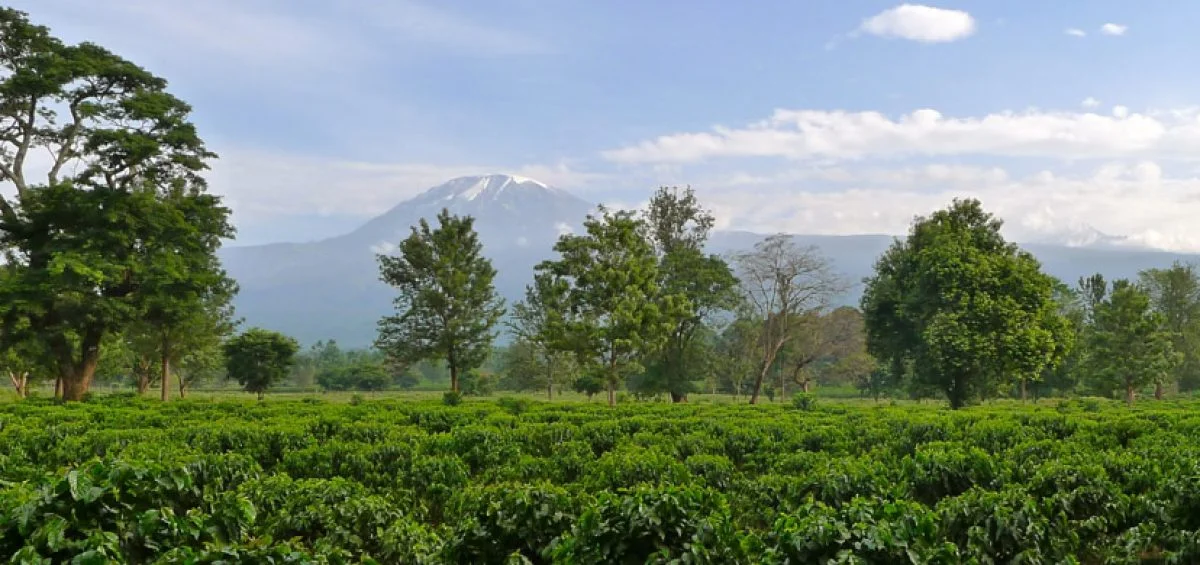
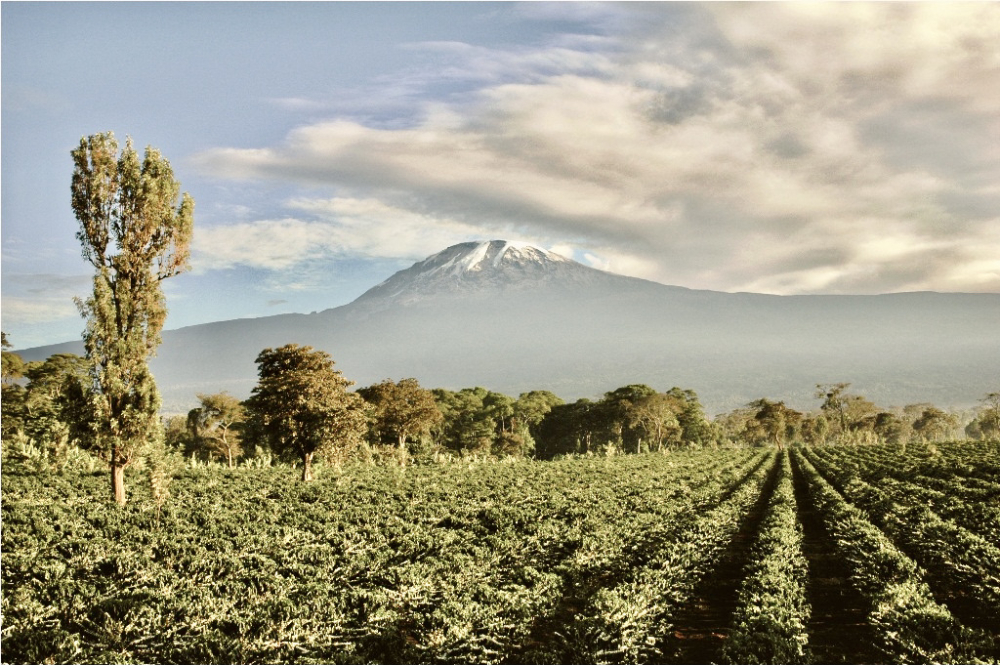
As an important coffee-producing country in East Africa, Tanzania’s Kilimanjaro region is a focal point for global coffee enthusiasts. This snow-capped mountain near the equator not only boasts spectacular natural scenery but also produces distinctive coffee beans thanks to its special volcanic ash soil, significant day-night temperature variation, and abundant rainfall. Coffee from this area typically exhibits bright acidity, rich body, and complex aromatic layers.
The uniqueness of Kilimanjaro coffee first stems from its exceptional geographical environment. As Africa’s highest mountain range, this volcano is not only the world’s second-largest volcanic crater, but its foothills also feature mineral-rich volcanic soil with excellent drainage. These soil characteristics provide ideal growing conditions for coffee plants, enabling coffee cherries to accumulate abundant flavor compounds. Additionally, the region’s climate is highly variable, with annual precipitation in valley areas averaging 800–900 mm and up to 1600–1800 mm on windward mountain slopes, coupled with significant day-night temperature differences that slow the ripening process and further enhance flavor complexity.

Compared to neighboring Kenyan coffee, Tanzanian Kilimanjaro coffee has slightly softer acidity but still maintains good brightness and richness. Its flavor profile often features bright fruit acids like citrus and berries, paired with honey, tea-like notes, and a hint of chocolate in the finish, delivering a balanced and layered overall impression. Especially under appropriate medium-light roasting, such coffee can showcase delicate sweetness and a refreshing aftertaste, making it ideal for drinkers who enjoy fruity acidity and floral-fruity aromas.
However, the quality of Kilimanjaro coffee is often influenced by harvesting and post-harvest processing. Due to relatively limited infrastructure in the region, some coffee farmers may lack consistent standards when processing coffee cherries, resulting in uneven bean quality. To find high-quality Kilimanjaro coffee, special attention should be paid to selecting the origin, processing method, and farm. Currently, several local cooperatives are committed to improving coffee quality through collective management and technical training, gradually enhancing every link in the production chain.
The coffee cooperative system in the Kilimanjaro region is a key pillar supporting the local coffee industry. Among them, the Kilimanjaro Native Cooperative Union (KNCU), as one of Africa’s oldest cooperatives, has long been dedicated to promoting sustainable operations for coffee farmers. This organization brings together over 150,000 smallholders from nearly 100 village communities, producing approximately 5,300 tons of Arabica coffee annually, accounting for about 60% of the local total output. KNCU employs the wet processing (washed) method to ensure the purity of coffee flavors and partially exports through fair trade channels to increase farmers’ income. Additionally, the organization actively promotes organic farming and environmental conservation measures, helping farmers achieve better economic returns while maintaining ecological balance.
In the Kilimanjaro region, the Wachagga people are one of the primary coffee-growing communities. This Bantu-speaking ethnic group has long resided on the eastern and southern slopes of the mountains and excels in traditional irrigation and fertilization techniques to maintain soil fertility. Their common farming practice involves intercropping coffee trees with banana trees, creating a multi-layered agricultural ecosystem. This approach not only provides shade and moisture retention but also improves land use efficiency and reduces pest and disease risks. In recent years, with the promotion of organic farming and sustainable agriculture, local farmers have gradually reduced reliance on chemical agents, further safeguarding coffee quality and environmental health.
The main harvesting season for Kilimanjaro coffee is from October to February each year. Due to the impact of climate change, the region has recently faced threats from coffee leaf rust (commonly known as "La Roya"), causing widespread infection among coffee trees, with some areas seeing over 90% of plants affected, prompting the government to declare the issue a national emergency. To address this challenge, local farmers and relevant organizations are actively seeking disease-resistant varieties and control strategies to sustain the coffee industry’s development.
If you’d like to brew Tanzanian Kilimanjaro coffee at home, here are practical pour over reference parameters: Use a V60 dripper, set the coffee-to-water ratio at 1:15, and control the water temperature at around 91°C, with a grind size similar to fine sugar for pour over (approximately medium-fine). The specific steps are as follows: First, place 30 grams of coffee grounds into the dripper, pour 30 grams of hot water for a 30-second bloom; then pour water in a circular motion up to 125 grams, and when the water level drops halfway, add another 225 grams, for a total extraction of about 375 grams. These parameters help balance acidity and sweetness, highlighting the coffee’s delicate flavors.
In terms of flavor, this coffee often carries sweet caramel and nutty aromas in the dry scent, while the wet aroma reveals a fresh berry character. Upon tasting, citrus acidity and honey sweetness complement each other, with a soft tea-like finish and subtle chocolate notes. The overall mouthfeel is refreshing and layered, making it highly suitable for coffee lovers who prefer medium-light roasted styles.
The above content is compiled by CoffeeHunters, a coffee news website.


