







Introduction:Take an in-depth look at Ethiopia’s Yirgacheffe Guji (also known as Gotiti) region to explore the area’s most representative washed and natural coffee processing methods. From the region’s altitude and coffee variety characteristics, to the processing workflows and flavor differences, this article details how these two techniques influence the final expression of the coffee, and provides actual roasting and pour-over parameters to help you fully grasp the unique charm of this high-altitude specialty coffee haven.
Yirgacheffe, as one of Ethiopia’s most iconic specialty coffee regions, is globally renowned for its bright acidity and clean cup profile. However, beyond the commonly seen washed process, the region’s natural processed coffees also exhibit remarkably layered flavor profiles. This article will focus on the Gotiti (also called Guoditing) sub-region of Yirgacheffe, guiding you from the regional background and varietal characteristics to a systematic comparison of the processing differences, pros and cons of the natural and washed methods, as well as the unique flavor traits they bring. With real coffee lots as examples, we’ll share practical roasting and pour-over parameters to help coffee enthusiasts deeply understand the allure of this high-altitude coffee sanctuary.

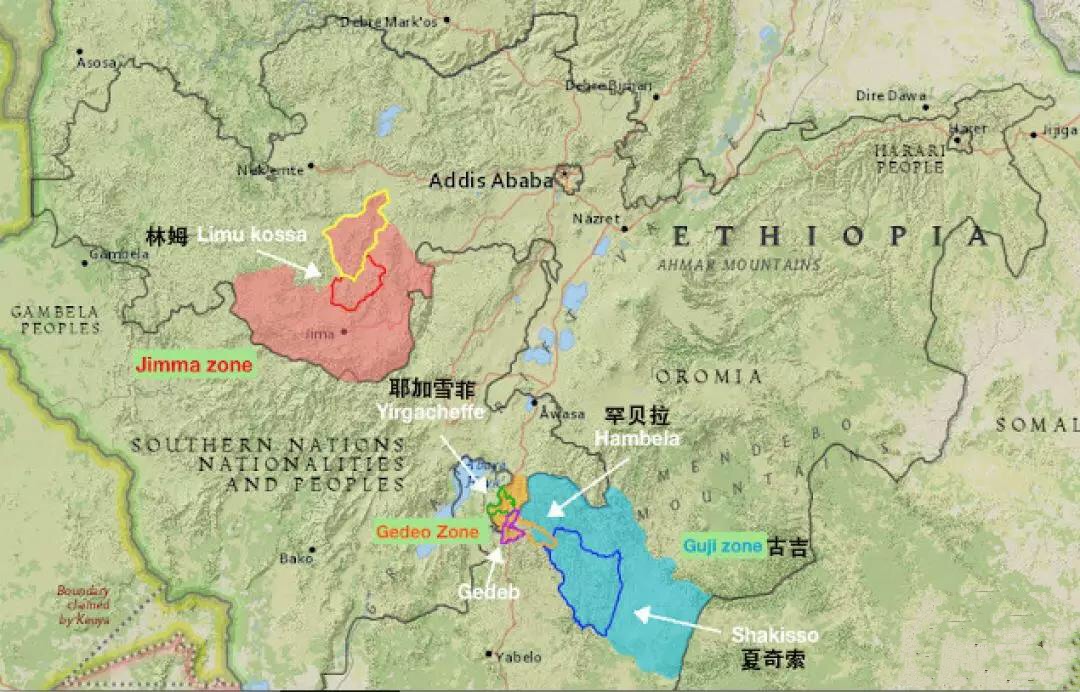
Yirgacheffe is located in southwestern Ethiopia, with altitudes ranging between 1,700 and 2,100 meters, making it one of the highest coffee-growing areas in the world—ideal for cultivating Arabica varieties. Although it was originally part of the Sidamo province, due to the exceptional quality of coffee produced in the region, it was later designated as a standalone production area. Under Ethiopia’s current ECX classification system, the Yirgacheffe region is further divided into four sub-regions: Yirgacheffe, Wolkite, Kochere, and Gedeb (Genlena Abay), with Gotiti (Guoditing) being one of them. These blocks generally sit above 1,800 meters in altitude, featuring large diurnal temperature variations along with unique microclimates and native coffee varieties, all contributing to each batch of coffee having highly distinctive and recognizable flavor personalities.
Interestingly, the name “Yirgacheffe” means “let us settle in this wetland” in the local language, where “Yirga” means to settle, and “Cheffe” refers to a wetland. Gotiti (Guoditing), on the other hand, is a micro-region under Yirgacheffe known for its high-quality smallholder coffees, often characterized by pronounced fruity and floral notes, especially when processed via washed or natural methods, which yield distinctly different personalities.
When it comes to Yirgacheffe, most people first think of its classic washed processed coffees. In fact, the prevalence of the washed method in the region can be traced back to 1972, when Ethiopia introduced modern washed coffee technology from Central and South America. This technique significantly enhances the coffee’s bright acidity and citrus notes, resulting in a cleaner and more transparent cup profile, and helping Yirgacheffe rise to become one of the world’s representative specialty coffee regions. However, with improvements in natural processing techniques in recent years, locally produced natural coffees have also begun to showcase a rich, complex, and fermentation-driven side—especially under high altitudes and well-controlled conditions, the potential of natural beans has gradually gained recognition.
Natural Processing Method: Rich Flavors Through Natural Fermentation
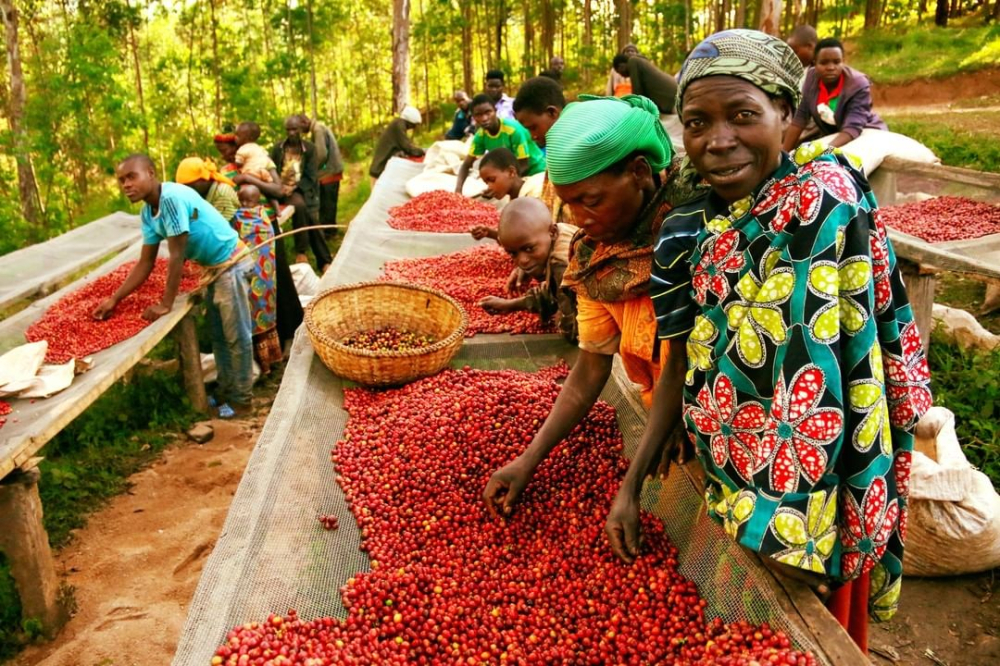
The natural processing method, also known as the dry process, is the most traditional coffee processing technique. Its defining feature is that the entire coffee fruit (including pulp and mucilage) is directly sun-dried, a process that typically takes about 27 to 30 days. This requires consistently sunny weather and good ventilation, thus placing very high demands on climatic conditions. Ethiopia, with its high altitude, dry climate, and limited water resources, was originally one of the main countries practicing natural processing. However, Yirgacheffe, being located in a wetland area with abundant water sources, has traditionally focused on the washed method.
The steps of natural processing are roughly as follows:
- Mature coffee cherries are harvested and undergo strict manual sorting to remove unripe, overripe, or defective fruits, ensuring that only high-quality coffee proceeds to subsequent processing.
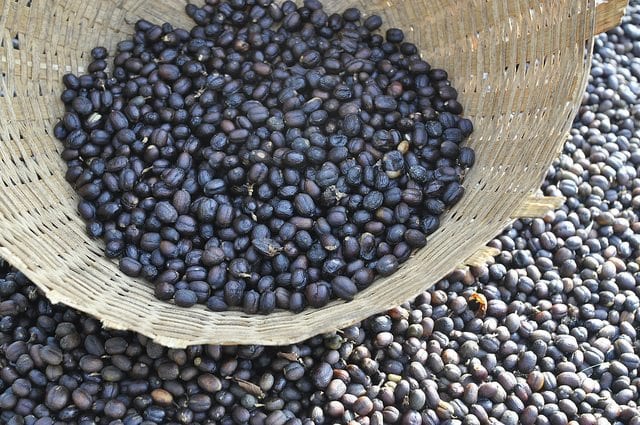
- The selected coffee cherries are placed on drying beds—utilizing raised beds, tarps, or concrete surfaces—and are spread out to dry in the sun for approximately 27–30 days. They must be regularly turned during this period until their moisture content drops to around 11%.
- Once dried, the parchment-covered beans are sent to a processing facility, where they undergo hulling, de-pulping, and polishing processes to remove the outer fruit and mucilage, leaving behind the green coffee beans.
- Finally, another round of sorting is conducted to eliminate beans that are unevenly dried or have poor appearance, ensuring quality for storage and export.
The advantage of natural processing lies in its ability to preserve the natural sugars and fermentation flavors from the fruit, resulting in coffee with intense, layered flavors and noticeable sweetness, often featuring complex notes such as wine, berries, and honey. However, the downside is that it requires optimal weather and hygiene conditions; if not managed properly, there is a higher risk of mold, contamination, or defective beans. Today, many producers have adopted refined management practices, closely monitoring fermentation and drying through instruments and manual oversight, greatly improving the stability and quality of natural beans. This type of “refined natural” has become a new favorite in the specialty market.
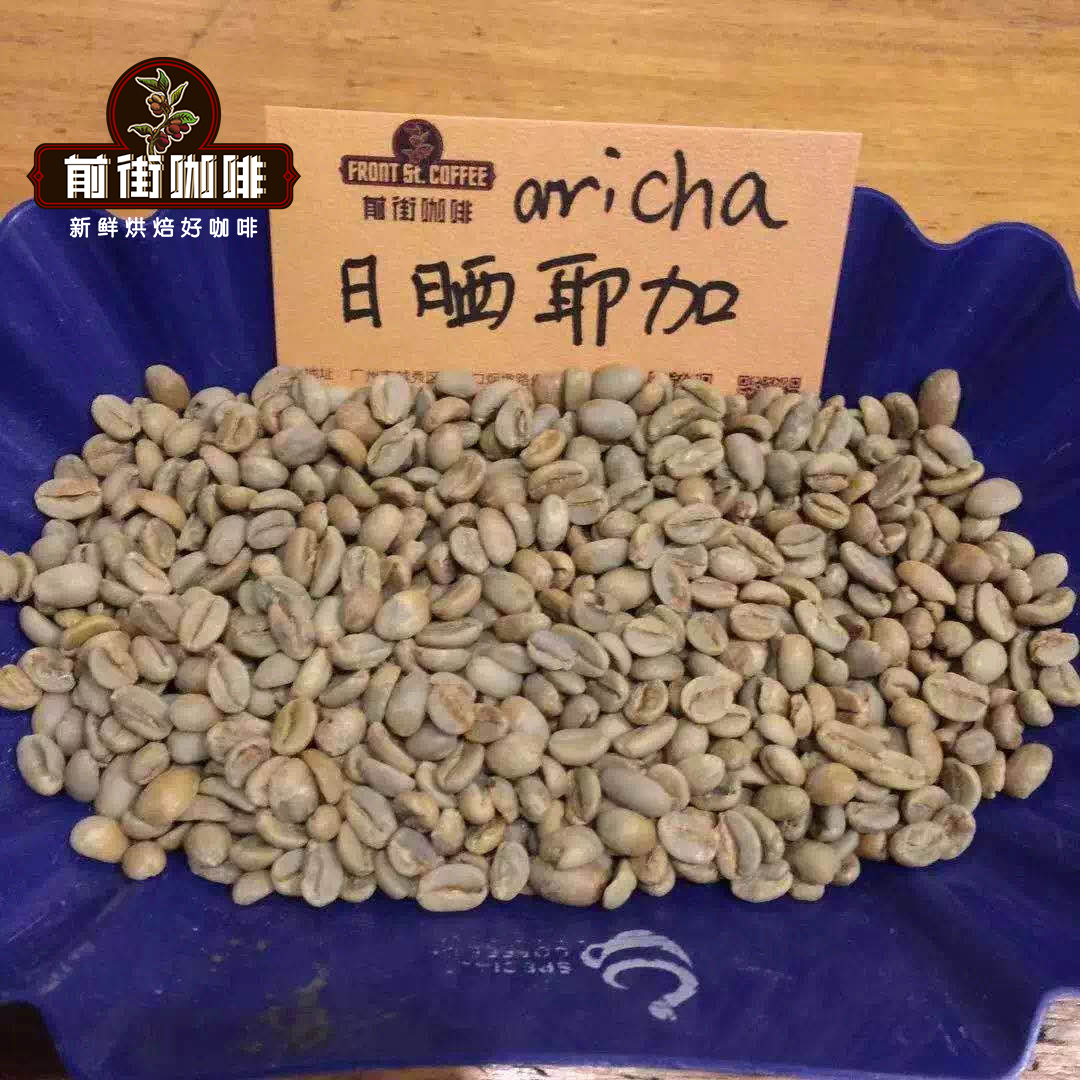
Washed Processing Method: The Classic Clean and Transparent Flavor
Compared to natural processing, the washed method places greater emphasis on removing the pulp and mucilage to highlight the inherent flavor characteristics of the coffee bean itself. Originating in Central and South America, this technique was introduced to Ethiopia in the 1970s and has since become the mainstream processing method in Yirgacheffe. The washed process effectively reduces interference from impurities and fermentation flavors, allowing the coffee to showcase clearer, brighter acidity and fruity notes—making it an ideal entry point for many coffee newcomers to understand regional flavor profiles.
The washed processing workflow is as follows:
- Harvested coffee cherries are poured into a water tank, where unripe or defective beans are separated out using buoyancy principles, leaving only the high-quality beans that sink to the bottom.
- A pulper is used to remove the outer skin and most of the fruit flesh, with the remaining mucilage layer then repeatedly rinsed with clean water and removed through fermentation.
- Fermentation lasts approximately 18 hours, after which the beans are thoroughly rinsed again with large amounts of water to remove fermentation residues and mucilage.
- The washed beans are then dried—either by sun-drying or mechanical drying—until their moisture content reaches 11%.
- Finally, the beans are stored and packaged in preparation for export.
The advantages of the washed method include stable quality, minimal impurities, and clear flavors, making it well-suited for highlighting bright attributes like fruit acidity and floral notes. The downside, however, is its high water consumption and complex processing procedures, which are less favorable in regions with scarce water resources.

Natural vs Washed: A Look at Flavor Differences
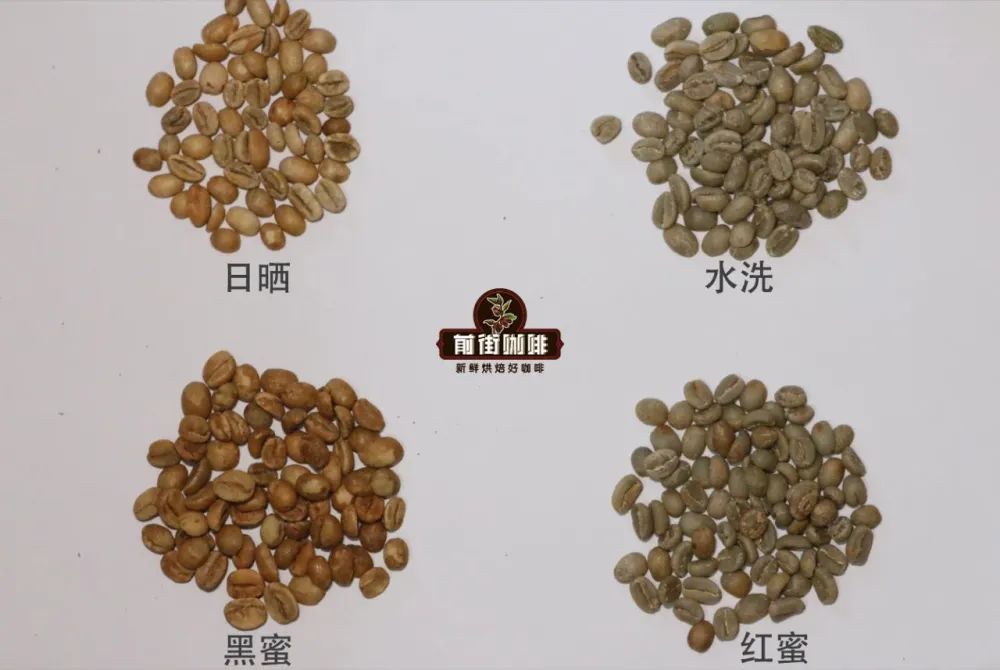
The most fundamental difference between natural and washed processing methods lies in whether the coffee fruit flesh is retained. The natural method retains the fruit for fermentation, resulting in richer, more complex, and sweeter flavors, with common tasting notes including berries, wine, honey, and fermentation character. In contrast, the washed method removes the fruit flesh to highlight the coffee’s inherent acidity and fruitiness, yielding a cleaner and more transparent cup with relatively milder sweetness and body, often featuring citrus, berry, and floral notes.
Taking actual coffee lots as examples, the “Yirgacheffe Natural Red Cherry” from the Gotiti region is processed using 100% ripe red cherries via the natural method, yielding flavors of berries, lemon, strawberry, and pronounced fermented wine notes, with high sweetness and layered complexity. Meanwhile, the “Yirgacheffe Washed Guoditing” showcases a combination of tropical fruits, cream, honey, berries, and citrus, offering a clean and bright mouthfeel with a soft creamy aroma lingering in the aftertaste.
Roasting and Pour-Over Practical Parameters
In terms of roasting, the Natural Red Cherry is recommended to be roasted to a medium-dark level to bring out its rich fermentation layers, while the Washed Guoditing is better suited to a light roast to preserve its bright acidity and clean cup. For pour-over, it is suggested to use a V60 #01 filter, with water temperature controlled at 90–91°C, a powder-to-water ratio of 1:15, and a grind size of about 20-mesh sieve 80% passed (medium-fine). Employ a three-stage pouring method, adding 30 grams for the bloom, followed by 95 grams and 100 grams in separate pours, with a total extraction time of approximately 2 minutes and 10 seconds—this will fully highlight the unique flavor profiles of both beans.
In summary, whether natural or washed, the coffees from Yirgacheffe’s Gotiti region demonstrate the utmost potential of Ethiopian coffee. By understanding the regional background, processing techniques, and flavor characteristics, coffee enthusiasts can more deeply appreciate the coffee treasures nurtured in this highland terroir.
The above content is compiled by CoffeeHunters, a coffee news website.


