







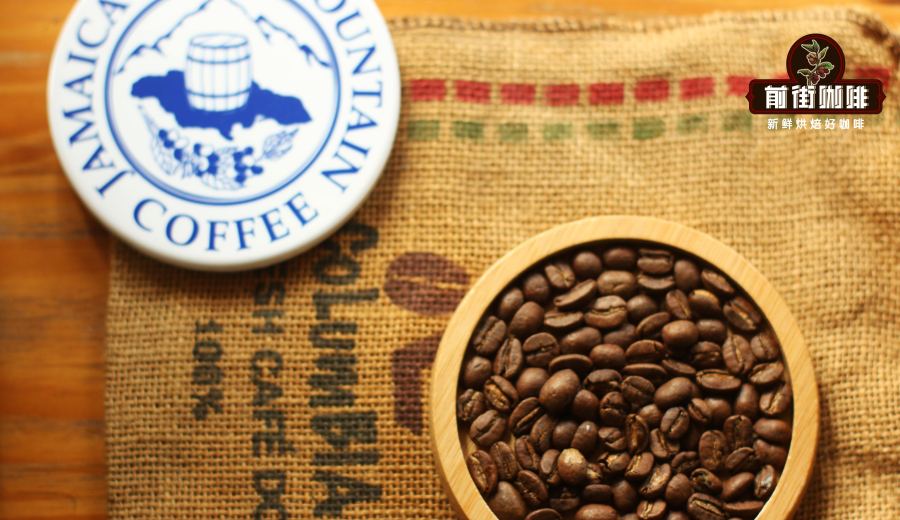
Introduction:Jamaican Blue Mountain coffee has long been hailed as the "synonym for premium coffee," yet its high price and scarcity often deter consumers. This article delves into the growing conditions of Blue Mountain No. 1 beans, the CIB grading system, and explores their flavor characteristics and market background. It also provides professional pour over parameters and practical brewing tips, enabling you to recreate the signature rich and balanced taste of Blue Mountain coffee at home.
When it comes to premium coffee, Jamaican Blue Mountain is almost everyone’s top choice. Not only because of its rarity, but also due to its unwavering status in the global specialty coffee market. But what exactly makes Blue Mountain coffee so consistently expensive, and why is it revered as the “world’s finest coffee”? This article will comprehensively analyze the allure of this legendary coffee, from the origin background and grading system of Blue Mountain No. 1, to purchasing channels and hands-on brewing techniques.
Current Status and Price Background of Blue Mountain No. 1 Coffee
Long before the concept of specialty coffee became widespread, Blue Mountain coffee was already the dream bean for many coffee enthusiasts. However, “expensive” has often been the most profound impression outsiders have of it. Before the year 2000, enjoying a cup of authentic Blue Mountain black coffee in China could easily cost dozens or even hundreds of RMB, with no guarantee of authenticity. Today, as the Jamaican government has gradually expanded international quotas for Blue Mountain coffee, the situation has improved.
The Rise of Blue Mountain Coffee and Market Development
The international reputation of Blue Mountain coffee can be traced back to the 1960s, when it already held a place in the specialty market. However, the hurricane of 1969 severely impacted the Jamaican economy and plunged the local coffee industry into difficulty. At that time, Japan’s UCC company stepped in to help, providing not only financial support but also introducing advanced eco-friendly cultivation techniques. In gratitude, the Jamaican government signed a 30-year agreement with Japan, stipulating that 90% of Blue Mountain coffee’s high-quality quota would be reserved for the Japanese market, with the remaining 10% allocated to Europe and America.
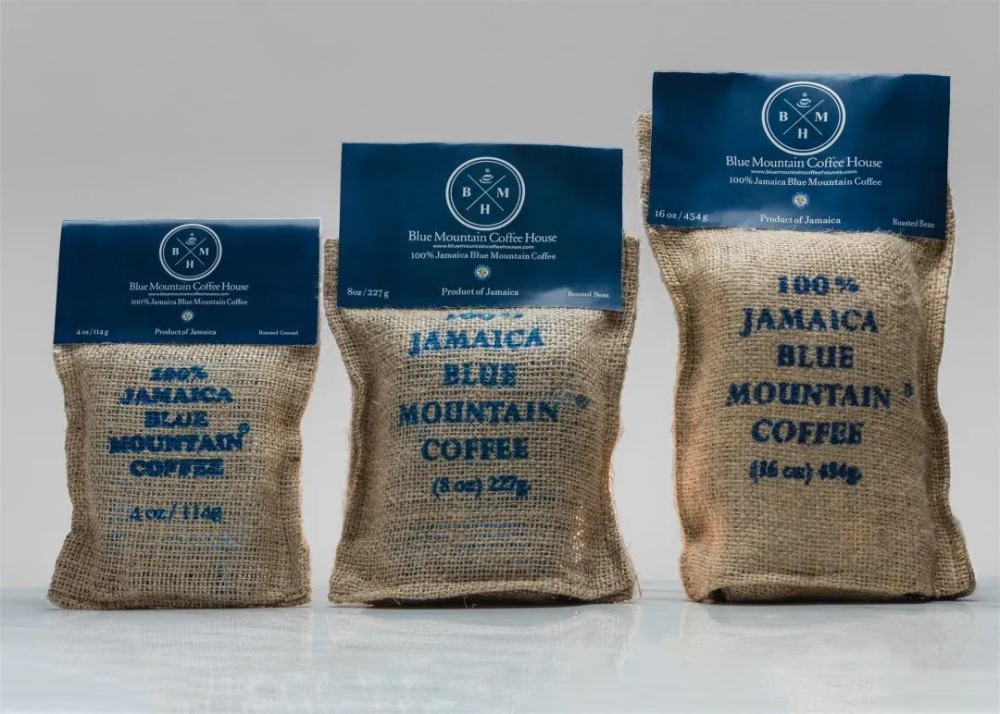
This partnership also sparked a Blue Mountain coffee craze in Japan, which further spread to Singapore, South Korea, Hong Kong, and Taiwan through re-exporting, further solidifying its image as “premium coffee.” It wasn’t until after the 2000s, with the rise of the Chinese market, that the Blue Mountain craze gradually extended to the mainland, but this also led to a supply shortage and soaring prices.
After the 2008 global financial crisis, the Jamaican government decided to expand the international sales of Blue Mountain coffee. Coinciding with the end of the agreement with Japan, more quotas were released. With the surge in demand from the Chinese market, nowadays many merchants can directly import Blue Mountain coffee beans from Jamaica, which is one of the main reasons for the relatively more affordable pricing.
The Growing Environment and Regional Restrictions of Blue Mountain Coffee
The uniqueness of Blue Mountain coffee is inseparable from its exceptional growing environment. The Blue Mountains are surrounded by the Caribbean Sea, creating a unique tropical rainforest microclimate with ample sunlight and frequent showers, along with cool high-altitude terrain—perfect for coffee tree growth.
According to the delineation by Jamaica’s official coffee authority (CIB), only Typica variety coffee planted within a specific area of about 6,000 hectares between elevations of 910 to 1,700 meters in the Blue Mountains qualifies to be called “Blue Mountain coffee.” These regions are mainly distributed across four administrative districts: Saint Thomas, Saint Mary, Saint Andrew, and Portland, accounting for only one-third of the entire Blue Mountain planting zone.
It should be noted that coffee produced outside this altitude range, while still of good quality, can only be classified as “High Mountain Coffee,” not genuine Blue Mountain coffee.
Blue Mountain No. 1: Grade and Flavor Characteristics
Blue Mountain coffee is divided into four grades based on bean size, defect rate, color, and cupping results: Blue Mountain No. 1, Blue Mountain No. 2, Blue Mountain No. 3, and Blue Mountain Peaberry. Among them, Blue Mountain No. 1 is the highest grade and is widely recognized as the top-tier representative.
The green beans of Blue Mountain No. 1 must pass through a sieve larger than 17 mesh, have a defect rate below 3%, and a moisture content of about 13%. Its flavor typically features pronounced notes of chocolate, cream, and caramel, with a rich mouthfeel and soft acidity, achieving high overall balance—ideal for those who appreciate original coffee flavors.
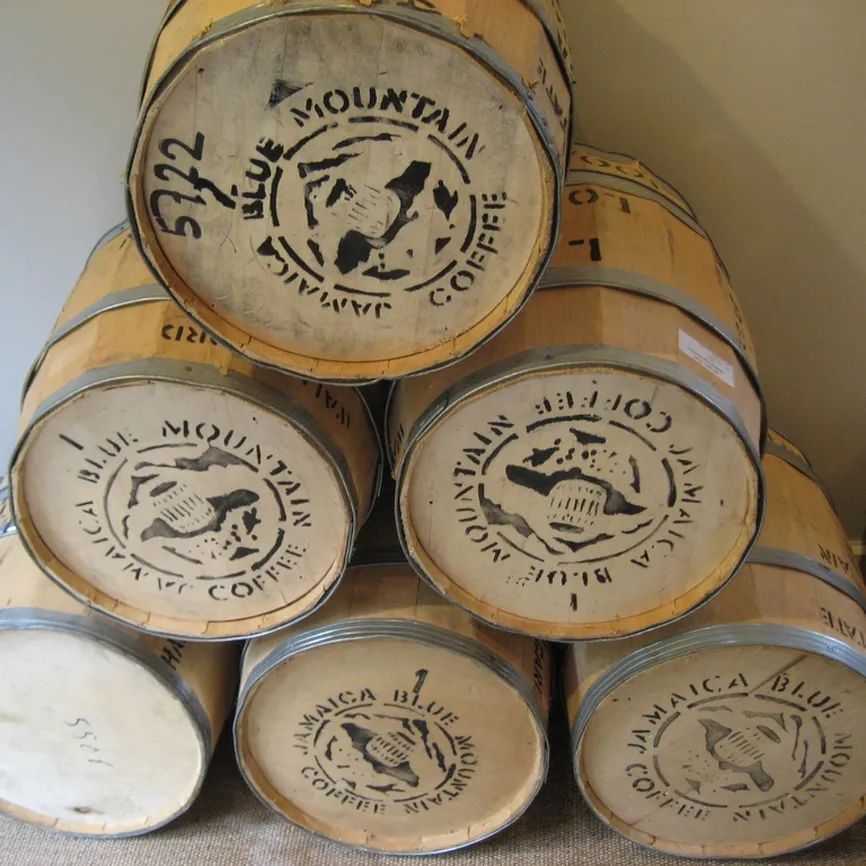
The Jamaican authorities also have strict regulations on the packaging of Blue Mountain No. 1. Only Grades No. 1, No. 2, and No. 3 can be exported in specialized wooden barrels, with capacities of 70 kg, 30 kg, or 15 kg, to ensure stable moisture content and flavor during transport. This has also become one of the key indicators for identifying authentic Blue Mountain coffee.
How to Properly Brew Blue Mountain No. 1? Professional Parameters and Techniques
To brew a cup of Blue Mountain No. 1 at home that rivals café standards, besides selecting the right beans, it's essential to master proper pour over parameters and equipment choices. Below is a practical process referenced from professional cafés:
[Equipment] KONO filter cone (enhances body, ideal for full-bodied beans like Blue Mountain)
[Water Temperature] 88°C (avoid excessively high temperature to prevent over-extraction, highlighting sweetness and balance)
[Coffee-to-Water Ratio] 1:15 (recommended to use 15 grams of coffee grounds with 225 ml of water)
[Grind Size] EK43s at setting 10.5, approximately 75% passing through a 20-mesh sieve (medium-fine to medium grind, aiding thorough extraction)
Steps Overview:
1. Wet the filter cone with hot water to ensure the paper adheres tightly, and preheat the server.
2. Add 15 grams of freshly roasted coffee beans (recommended to use within 5 days post-roast), then pour 30 grams of hot water for blooming, for about 30 seconds.
3. Slowly pour water in a circular motion from the center outward. When the total water volume reaches 125 grams, perform the first pour break. Wait until the water level drops to the middle of the cone, then continue pouring in circles up to 225 grams, and finally let it drip through completely.
This parameter setup effectively enhances the overall richness and body of the coffee, fully showcasing the unique sweetness and low-acidity balance of Blue Mountain No. 1, allowing you to savor the layered notes of dark chocolate and caramel.
Benefits and Precautions of Drinking Coffee
For many office workers, coffee is not just a morning pick-me-up, but also a lifestyle ritual. A moderate amount of caffeine can help boost energy, promote metabolism, and some studies even suggest that drinking black coffee before exercise may aid in fat burning. Additionally, since black coffee itself is very low in calories, it has become a beverage of choice for many fitness enthusiasts.
However, it’s important to note that these benefits apply only to pure black coffee. Adding syrups, creamers, or large amounts of milk may not only negate health benefits but also increase additional calorie intake. The medical community generally agrees that consuming no more than three cups of black coffee per day is safe and beneficial for most people, though adjustments should be made based on individual constitution. Those with insomnia or stomach issues are advised to consume sparingly or avoid it.
The above content is compiled by CoffeeHunters, a coffee news website.


