







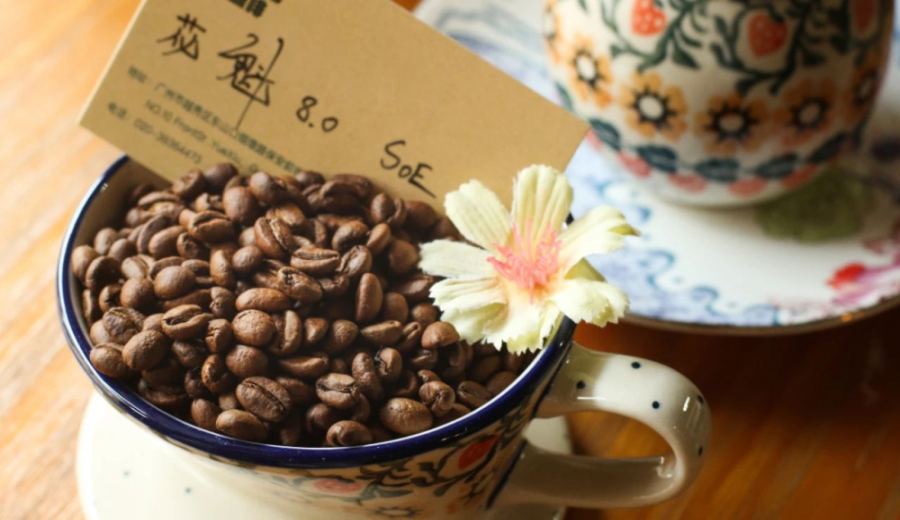
Introduction:Many people assume that simply putting single-origin beans into an espresso machine is enough to make an SOE (Single Origin Espresso), but in reality, every step from bean selection to extraction comes with professional requirements. This article delves into the differences between SOE and regular blended espresso, explores whether Kenyan single-origin beans are suitable for making SOE, and provides complete extraction parameters and techniques through practical examples — so you can consistently brew distinctive single-origin espresso at home.
In the specialty coffee market, SOE (Single Origin Espresso) has been receiving increasing attention. However, many mistakenly believe that just by putting their favorite single-origin beans directly into an espresso machine, they can easily produce a delicious SOE. In fact, to craft a clear-flavored, well-layered single-origin espresso, a more precise understanding of bean variety, roast profile, and extraction parameters is required.
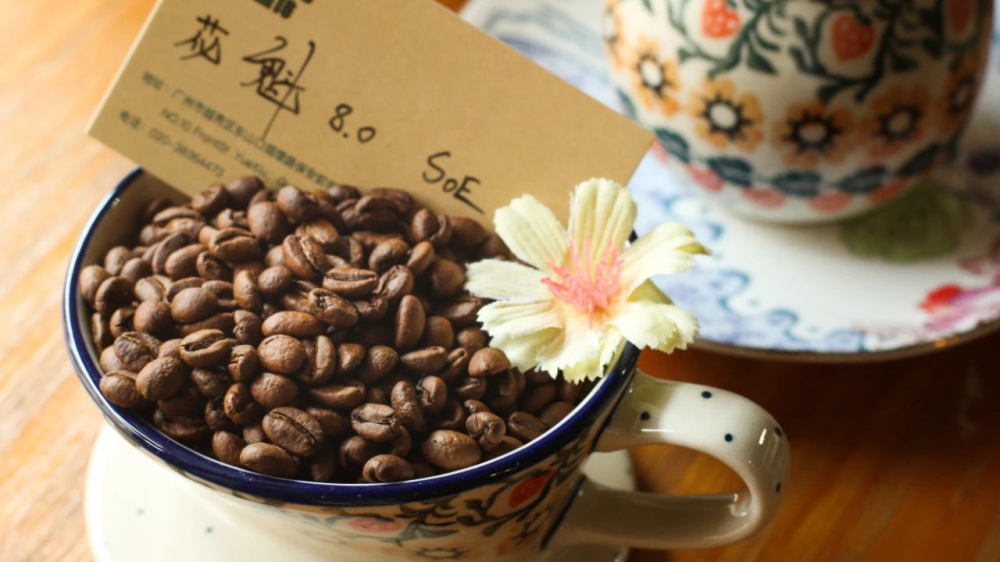
Many specialty cafés have gradually introduced SOE espresso. Some customers may wonder why some shops insist on offering only espresso made from blends. The main difference between SOE and blended espresso lies in flavor expression and consistency. SOE highlights the unique characteristics of a specific region — for example, Kenyan beans often exhibit berry or dark plum notes, which become more pronounced under high-pressure extraction but can also amplify flaws. As a result, bean selection and roasting strategies must be approached with greater care.
The trend was first pioneered by Chen Zhihuang, winner of the 2013 Nordic Barista Cup Roasting Competition, who likened the evolution of coffee to whiskey — transitioning from early blended styles to the single-malt movement. SOE is the coffee industry’s embodiment of the single-origin spirit.
However, SOE does not simply mean using single-origin beans that are suitable for pour over to make espresso. Although it's technically possible, it is actually full of challenges in practice. Compared to blends, which emphasize balance and stability, SOE focuses more on distinct flavor recognition. Therefore, beans with strong characteristics and rich layers — such as Kenya SL28 and SL34 varieties, known for their pronounced acidity and sweetness — should be selected. Choosing beans with overly mild flavors might lead to dull, uninspired espresso, missing the essence of SOE.
In addition, roast level is also crucial. Overly dark roasts tend to erase regional characteristics, making the coffee taste one-dimensionally burnt; overly light roasts may release too much sharp acidity under high pressure, causing flavor imbalance, and may also result in under-extraction due to overly hard beans. Therefore, the roast profile for SOE is usually adjusted specifically for espresso extraction needs, differing from those designed for pour over.
So, how can you make a flavorful SOE espresso using Kenyan single-origin beans? Below, taking Kenya Little Tomato as an example, we’ll detail the practical process from bean selection to extraction.
This Kenya Little Tomato coffee bean is sourced from the Thika region, grown at altitudes between 1550 and 1750 meters, processed using the classic washed method, and the variety is SL28 and SL34, classified as high-quality AA grade. In terms of flavor, it often exhibits prominent fruity and sweet notes such as dark plum, Asian pear, brown sugar, cherry tomato, and plum — making it highly suitable for coffee lovers who enjoy a balanced acidity and sweetness.
For equipment, commercial machines like the Lelit Bianca allow pressure adjustment up to 11 bar, helping achieve more precise control over extraction; while home machines usually operate stably at 9 bar or higher. It’s recommended to use a professional grinder to ensure grind consistency.
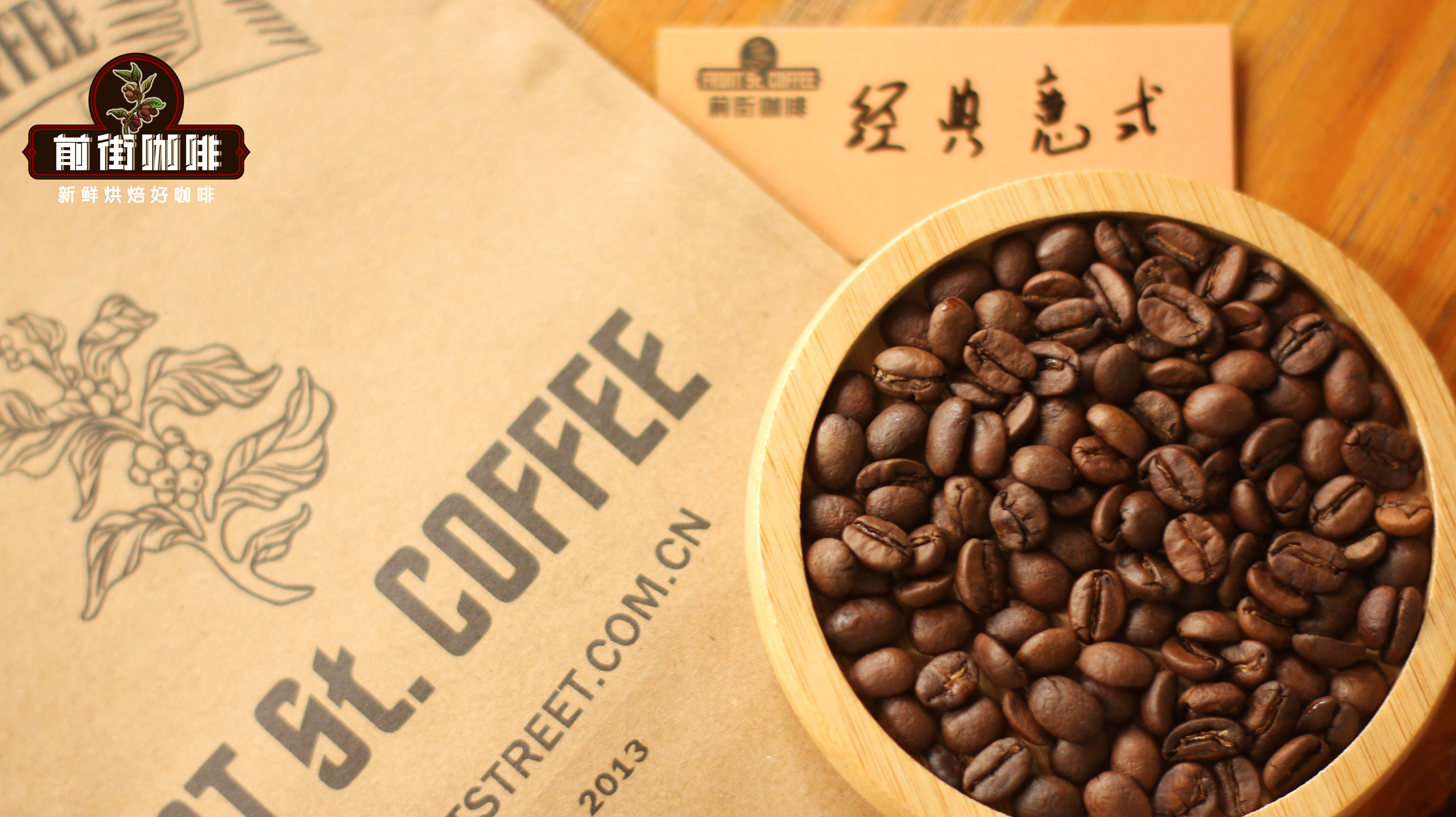
Here are the recommended actual extraction parameters:
Coffee beans: Kenya Little Tomato
Coffee dose: 20 grams
Yield: 40 grams
Coffee-to-water ratio: 1:2
Extraction time: 26–33 seconds
Grind size: Galileo 2.0 (approximately medium-fine)
Standard home or commercial double-shot portafilters typically hold about 18–20 grams. When tamping, ensure the puck is evenly compacted for stable extraction. Before use, clean and dry the portafilter, add the ground coffee, then gently tap or use a distribution tool to spread the grounds evenly, followed by tamping with a tamper to create a level surface.
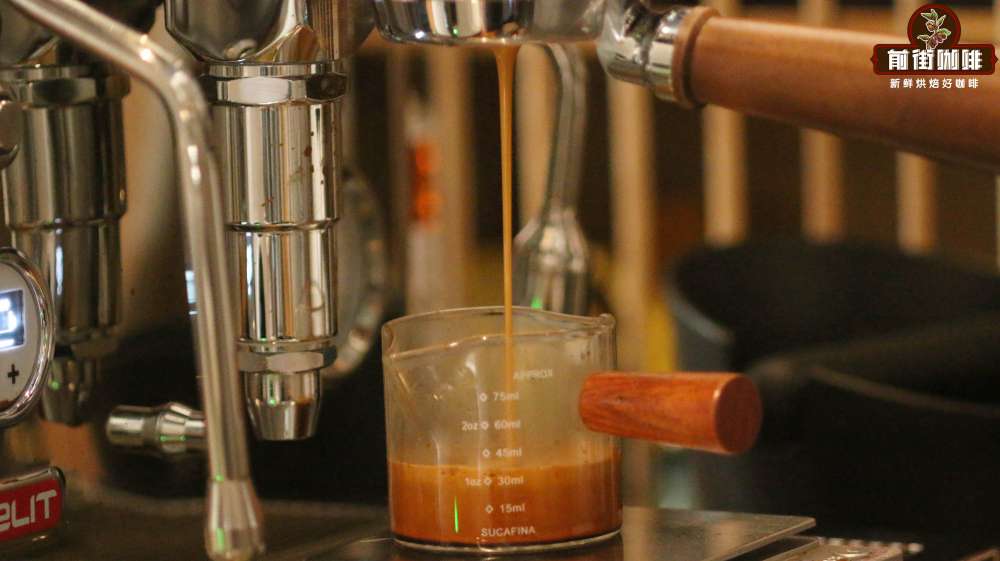
Next, turn on the extraction switch to allow a small amount of hot water to pass through the group head to remove any residual coffee grounds and preheat it. Then securely mount the portafilter and begin the actual extraction. It is recommended to monitor the scale — when approximately 40 grams of coffee has been extracted within the 26–33 second window, stop the extraction. At this point, you should obtain a cup of SOE espresso with clear, balanced acidity and sweetness.
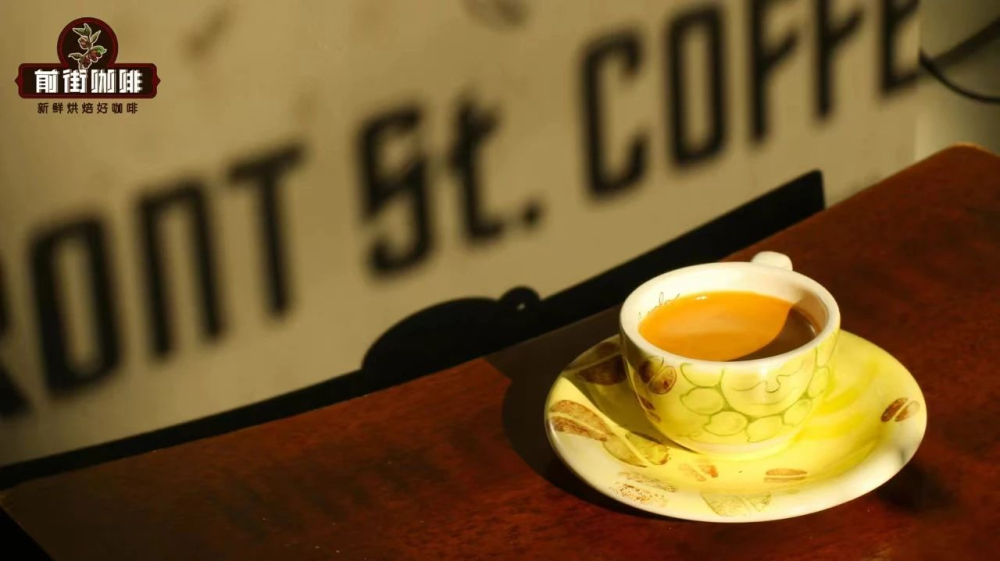
This shot of espresso can be customized to taste — for example, adding cold or hot water turns it into an SOE Americano; for a latte, it is recommended to use a 1:6 milk ratio, with milk temperature kept between 50–65°C, creating the perfect pairing of silky milk foam and rich espresso.
In summary, the charm of SOE espresso lies in its ability to highlight the unique characteristics of a single origin, but it also places higher demands on bean selection, roasting, and extraction. By mastering the correct parameters and techniques, you can enjoy a professional-grade single-origin espresso experience even at home.
The above content is compiled by CoffeeHunters, a coffee news website.


