








Introduction:Italian-style blend coffee is not a random mix, but rather a carefully crafted combination based on regional characteristics, processing methods, and roasting strategies. This article delves into the principles of blending, compares the differences between pre-roast (生拼) and post-roast (熟拼) blending, explores the keys to achieving stable flavor and balanced taste, and breaks down three classic Italian blend recipes — including the use of common bean varieties such as Colombian, Brazilian, and Robusta — to help both coffee professionals and home users find the right blending direction.
The core of Italian-style blend coffee lies in strategically combining beans from different regions, with varying processing methods and roast levels, to leverage their individual strengths and create a coffee experience that is flavor-balanced and consistent in mouthfeel. Blending is not simply about mixing several types of coffee beans together, but involves comprehensive planning — from bean selection and ratio configuration to roast curve — all guided by the desired flavor profile.
Common blending methods can be divided into two types: "pre-roast blending" (生拼) and "post-roast blending" (熟拼). Pre-roast blending refers to mixing green beans in set proportions before roasting them together, while post-roast blending involves roasting each bean variety to its ideal level separately and then combining them afterward. Both methods have their pros and cons, and the choice mainly depends on the recipe design and the final coffee characteristics you wish to achieve. For example, if you want each bean to reach a different roast depth, post-roast blending offers more flexibility.

Why blend? Primarily for two reasons: to maintain flavor stability and to pursue balanced taste and layered complexity. Coffee is an agricultural product, and even batches from the same region can vary slightly in flavor from year to year. By combining multiple beans, these variations can be effectively buffered, resulting in more consistent final flavors. Additionally, the high-pressure extraction of espresso machines amplifies the most prominent characteristics of the beans. If a single flavor — such as excessive acidity or bitterness — stands out too much, it can easily throw off the balance of the shot. Blending helps to complement and balance these traits.
While the popularity of Single Origin Espresso (SOE) continues to rise, blends still hold an important place in the industry. SOEs highlight the unique characteristics of specific regions — such as the citrus notes of Yirgacheffe or the berry acidity of Kenyan beans — but their flavor profiles tend to be more one-dimensional and are also more susceptible to the influence of roast and extraction parameters. In contrast, blended coffee emphasizes overall harmony, making it well-suited for everyday espresso drinks like espresso, Americano, latte, or cappuccino, offering a smoother and more universally appealing flavor.
Next, we will take an in-depth look at three classic Italian blend recipes, providing practical insights into the bean selection logic, roasting strategies, and actual cupping flavors.
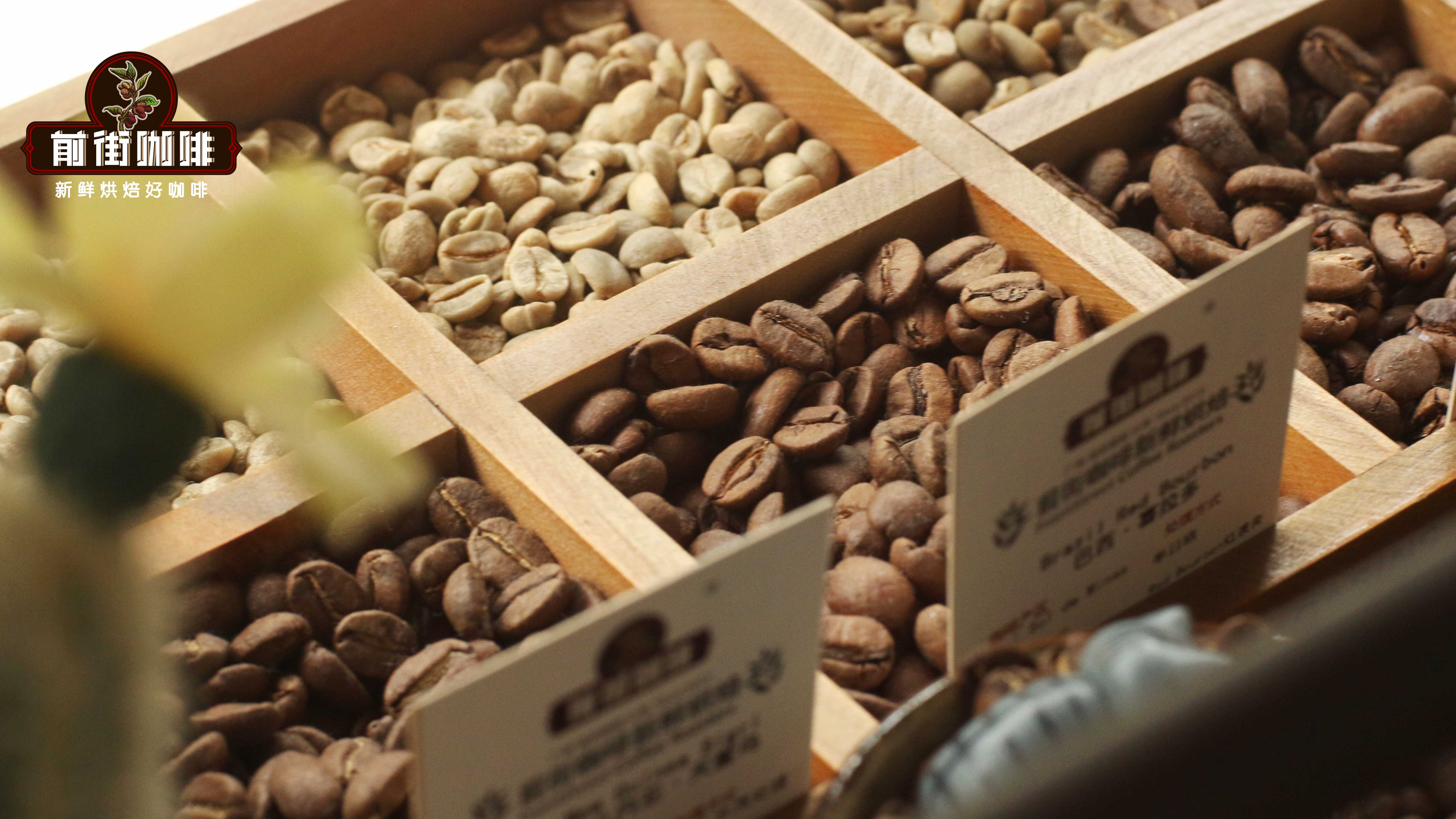
First up is a classic “premium blend” from a certain coffee brand, using Colombian Huila and Brazilian Cerrado in a 3:7 ratio. The Colombian Huila region is located in the southwest of the country, at an altitude of about 1500–1800 meters, with main varieties being Bourbon and Caturra, typically processed using the washed method. These beans are dense with full shapes, exhibiting pronounced notes of nuts, chocolate, and caramel, along with soft and layered acidity — making them a foundational element in many blend recipes.
Brazilian Cerrado beans are grown at altitudes of 1000–1300 meters, with relatively softer bean texture, often processed via semi-washed (pulped natural) methods, and commonly feature the Bourbon variety. This bean type is well-suited for medium roast levels. During roasting, stable heat is required during the drying phase, with a slight temperature increase after first crack, and the beans are dropped just before second crack to fully develop caramelization reactions. Its flavor profile is characterized by a balanced bitterness and sweetness, milk chocolate notes, and a rich body, making it ideal as the base of a blend.
This blend is recommended to be roasted to a medium-dark level. When extracting espresso, it delivers soft mild acidity, clear sweetness, and nutty aftertastes, with moderate crema. It’s very suitable for daily use in coffee shops — stable and easy to promote.
The second case is a “commercial Italian blend,” with a ratio of Colombian : Brazilian : Robusta at 3:6:1, using a pre-roast blending approach. Robusta beans are known for their high caffeine content (about 2.2%, significantly higher than Arabica’s 1.2%) and intense bitterness, often accompanied by woody notes and strong chlorogenic acid flavors. Although single-origin Robusta doesn’t perform as delicately as Arabica, it can effectively add intensity and crema layers in blends.
This blend is particularly suitable for making espresso, producing rich caramel sweetness paired with nutty and dark chocolate flavor notes. It achieves a balanced acidity and sweetness with a long-lasting aftertaste, making it ideal for shops with high daily output and excellent cost-performance.
Finally, there’s the “dark cocoa Italian blend,” using Yunnan AA and Brazilian beans in a 3:7 ratio, and employing a post-roast blending strategy. The Yunnan beans are derived from the ancient Typica variety. Though they have lower disease resistance and limited yield, when grown in high-altitude environments with significant day-night temperature variation, they can exhibit a rich flavor profile similar to Colombian beans — featuring soft fruit acidity, caramel sweetness, and dark chocolate tones, with a smooth and viscous body.
This blend has a milder flavor profile, making it suitable for users with budget constraints or those who do not require high flavor complexity. It’s an entry-level, cost-effective option that meets the daily drinking needs of most consumers.

When designing a blend recipe, it’s advisable to first clarify the target market and consumer demographic, then plan the ratios and roast levels according to the characteristics of the bean varieties. Whether using pre-roast or post-roast blending, the key lies in understanding the personality of each bean and adjusting the proportions appropriately so that the final blend not only showcases layered complexity but also maintains overall balance.
In summary, Italian-style blending is a technique that blends science and art. From bean selection and roasting to cupping, every step influences the final flavor expression. Only by deeply understanding the characteristics of different regions and processing methods, and combining them with real-world application scenarios, can one craft a satisfying coffee experience.

The above content is compiled by CoffeeHunters, a coffee news website.


