







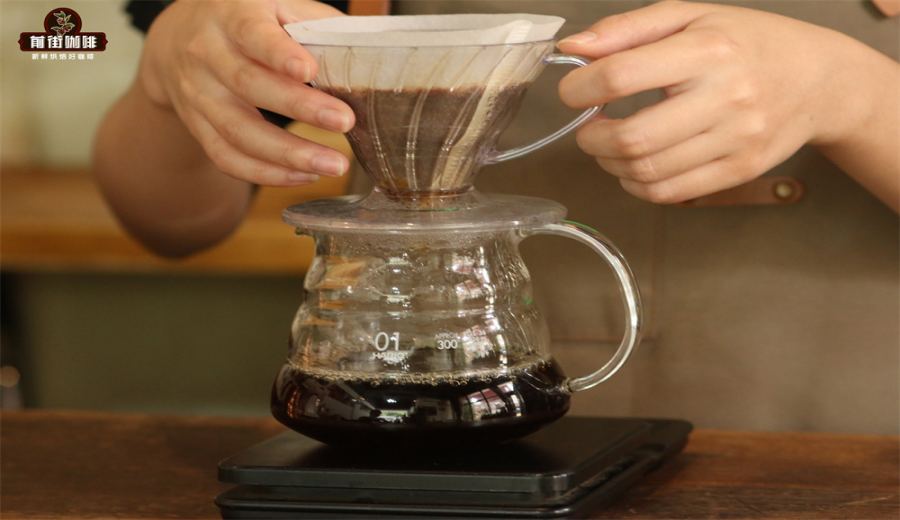
Introduction:Drip coffee is the first step for many people entering the world of coffee. Whether it's the delicacy of pour over or the convenience of an Americano machine, each has its unique charm. This article delves into the principles of drip brewing, compares how different equipment and techniques affect flavor, and provides practical extraction tips and water temperature references to help you brew a balanced and delicious cup of drip coffee based on bean variety and taste preference.
Among the many coffee brewing methods, drip brewing is widely loved for its simplicity and clear flavor profile, making it especially suitable for daily use at home or in the office. Whether you're just starting to explore the world of coffee or already have some experience, understanding the principles of drip brewing and the characteristics of different equipment can help you more accurately master the key points of brewing and bring out the potential of each coffee bean.
Drip coffee generally refers to brewing methods that use gravity to allow hot water to pass through a bed of coffee grounds, gradually extracting flavor compounds. This broad category includes various forms such as pour over, automatic drip machines, and American coffee makers. Unlike pressure-brewed espresso, the drip process does not apply additional pressure, so the resulting coffee usually has a cleaner, more layered taste and is less prone to over-extraction.
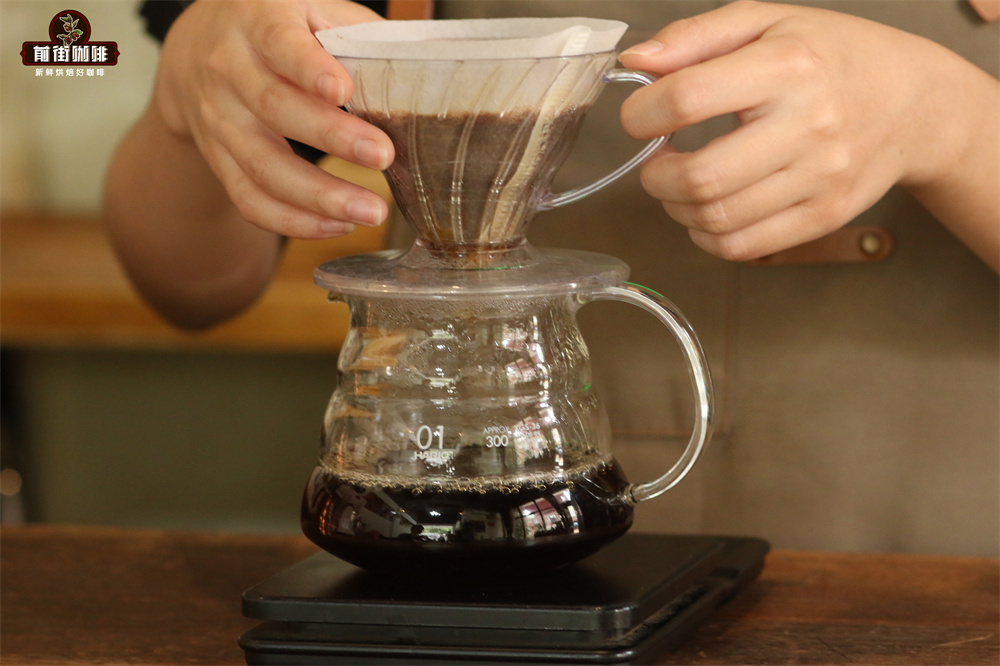
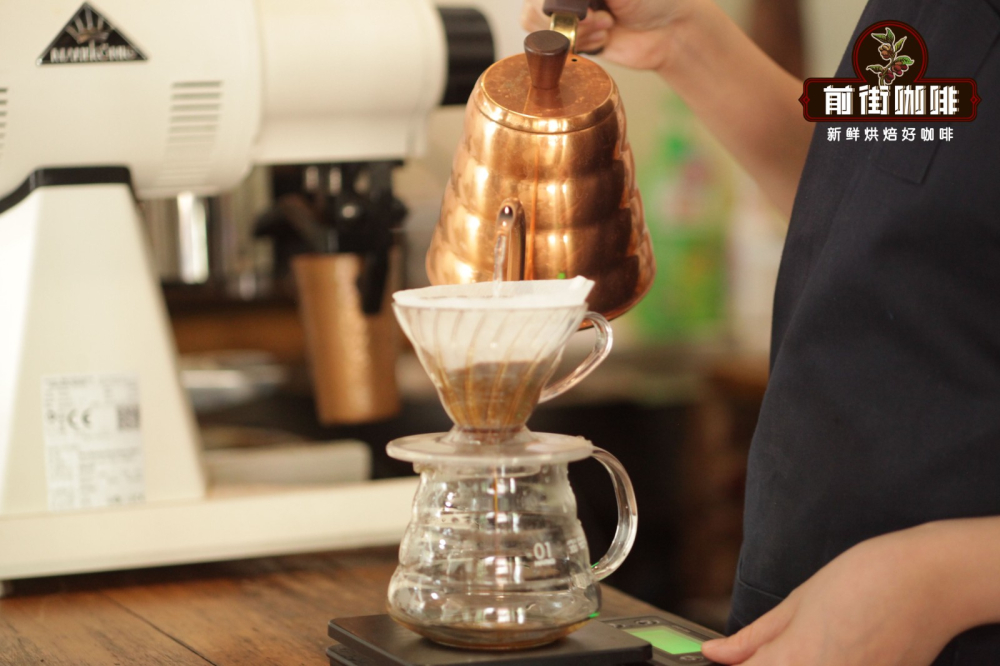
Pour over coffee is one of the most common and highly regarded forms of drip brewing. By manually controlling water temperature, flow rate, and pouring rhythm, it can fully showcase the origin flavors and nuances of the coffee beans, making it particularly suitable for single-origin beans. Common filter cones such as V60, KONO, Chemex, and Melitta each influence flow rate and extraction yield due to their design differences, thereby altering the final flavor profile. For example, the spiral ridges of the V60 help increase flow rate, making it suitable for beans that emphasize acidity and aroma; whereas the flat bottom and special paper design of the KONO can extend extraction time, making it better suited for medium to dark roasts that aim for a rich mouthfeel.
Although American coffee machines are often mistakenly thought of as the only tool for making 'Americano coffee,' they are actually automated devices based on the principle of drip brewing. These machines typically heat water using a heating plate and then let it drip through a filter and coffee grounds to produce a coffee similar to that made with pour over. However, it’s important to note that many low-cost models have unstable heating systems, which can lead to water temperatures that are too low or too high, affecting extraction quality. It’s recommended to choose models with stable heating functions and adjustable coffee-to-water ratios.
In contrast to drip brewing, espresso uses high-pressure extraction, typically maintaining water temperature around 90°C and using 9 atmospheres of pressure to quickly extract a concentrated coffee liquid from extremely fine coffee grounds. Its characteristics include a rich mouthfeel, thick crema, and distinct caramel and nutty notes. Crema is not only a hallmark of espresso but also reflects the freshness of the coffee beans—the fresher the roast, the more carbon dioxide is released, resulting in finer and more abundant foam.
Additionally, immersion and decoction methods each have their own unique features. Immersion methods, such as the French press, involve fully soaking the coffee grounds in hot water and then separating them with a filter. This method offers even extraction, a full-bodied taste, and retains more oils, making it suitable for those who prefer a richer flavor.Decoction methods, such as Turkish coffee or moka pot brewing, require heating to boiling. The resulting coffee is intense and often carries bitter, burnt notes. Careful control of water temperature and timing is essential to avoid over-extraction.
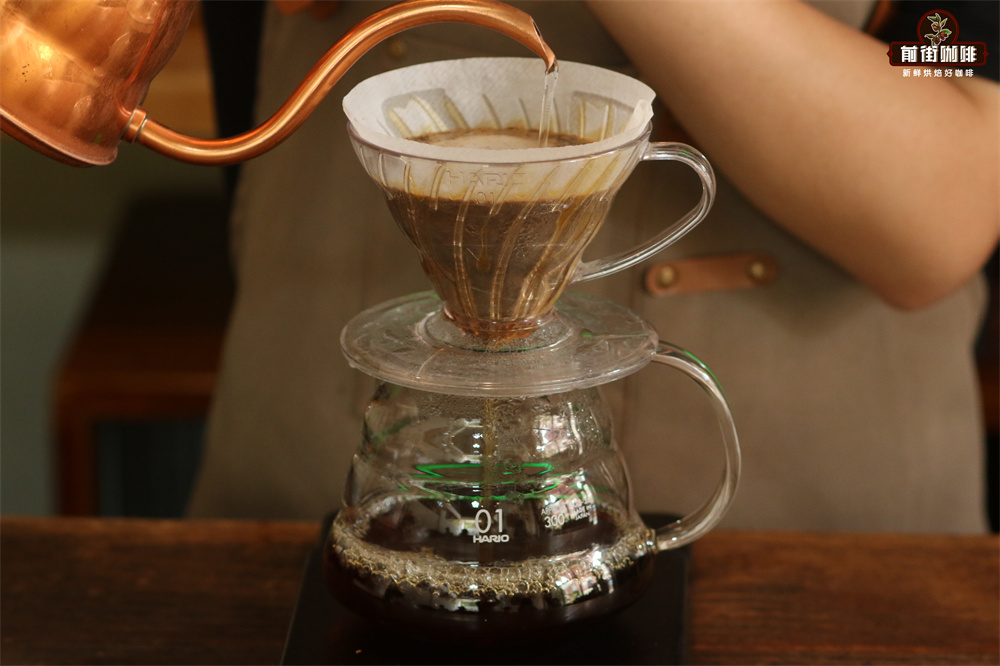
For drip coffee, water temperature is one of the key factors that affect extraction efficiency and flavor expression. Generally speaking,the optimal water temperature range is 88°C to 92°C. If the water temperature is too low, it can lead to under-extraction, resulting in noticeable sourness and astringency; conversely, if the water temperature is too high, it can lead to over-extraction, producing bitterness and off-flavors. Practical experience shows that medium to dark roasts are suitable for brewing at 88°C, helping to bring out body and sweetness; whereas medium to light roasts are recommended to be brewed at 91°C to fully highlight fruity acidity and aromatic layers.
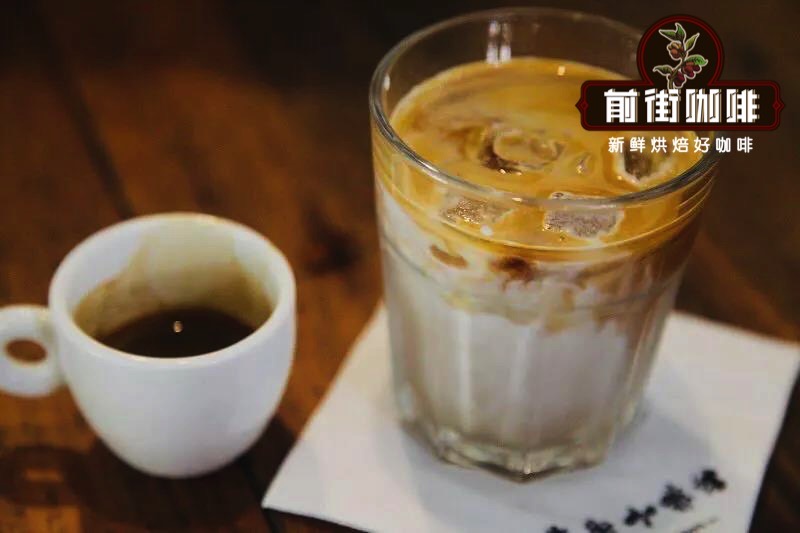
When it comes to equipment selection, if you prefer manual control, the V60 is the top choice for many coffee enthusiasts. Its fast flow rate and clear layers are ideal for highlighting the bright acidity and floral-fruity notes of the beans. The KONO, on the other hand, due to its filter paper design and brewing structure, preserves a richer mouthfeel and is recommended for medium to dark roasts such as Mandheling or Colombian Huila. If you prefer something more convenient, choosing a reliable electric drip machine is also a good option, but make sure its heating performance can maintain the ideal water temperature.
In addition, the choice of filter paper also affects the final taste. Using filter paper can filter out more fine particles, resulting in a cleaner coffee taste, but it may also remove some oils, affecting the roundness. Filters without paper, such as metal mesh filters, can retain more oils but may leave some fine coffee particles suspended in the cup. Adjust according to your personal taste preferences.
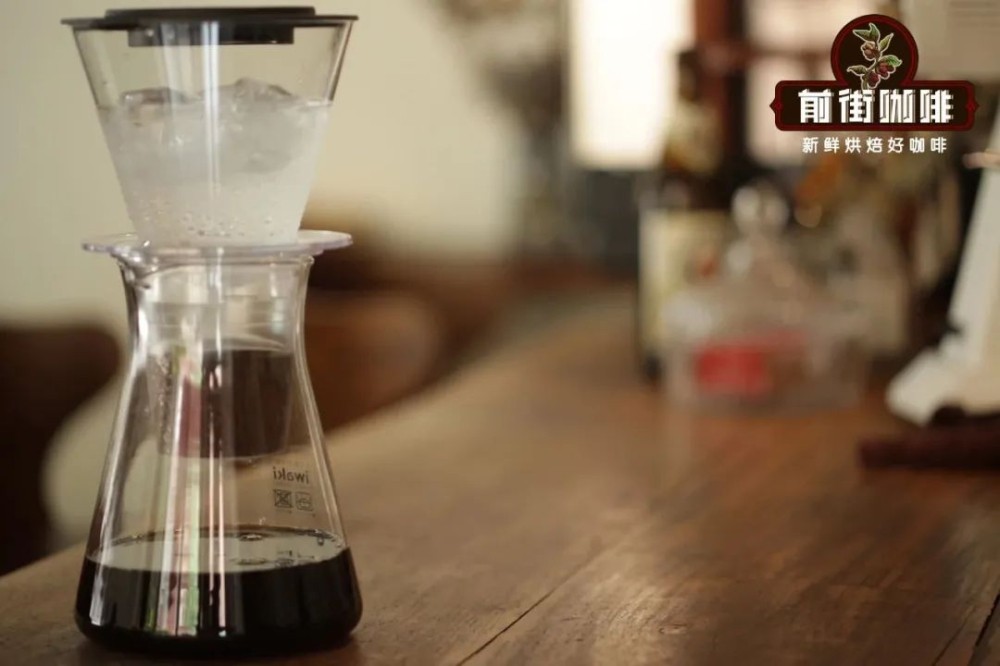
In summary, the charm of drip coffee lies in its diversity and accessibility. Whether you choose pour over, machine drip brewing, or prefer specific bean varieties and flavor profiles, as long as you master basic parameters such as water temperature, grind size, and brewing time, you can easily brew a satisfying cup of coffee. From beginner to advanced, drip brewing is the best entry point for understanding coffee flavor and extraction principles.
The above content is compiled by CoffeeHunters, a coffee news website.


