








Introduction:Many coffee lovers enjoy the convenience of using pour-over drip bags for a quick black coffee, but they also wonder if it’s possible to add milk for a milk-based drink. This article delves into the feasibility of adding milk to drip bags, analyzes how different regional flavors interact with milk, and provides practical parameters for standard brewing and milk addition—helping you craft a drip milk coffee tailored to your taste.
Thanks to their easy brewing process and consistent flavor, drip bags have gained a large following in East Asia. Especially on busy mornings, all you need is hot water and a cup to enjoy a stable-quality black coffee. However, many beginners often wonder: can you brew a drip bag with milk? How does the taste change after adding milk? This article will break down the history of drip bags, the characteristics of common regions, and step-by-step explain the correct brewing and milk-adding techniques, allowing you to discover more layered flavors.

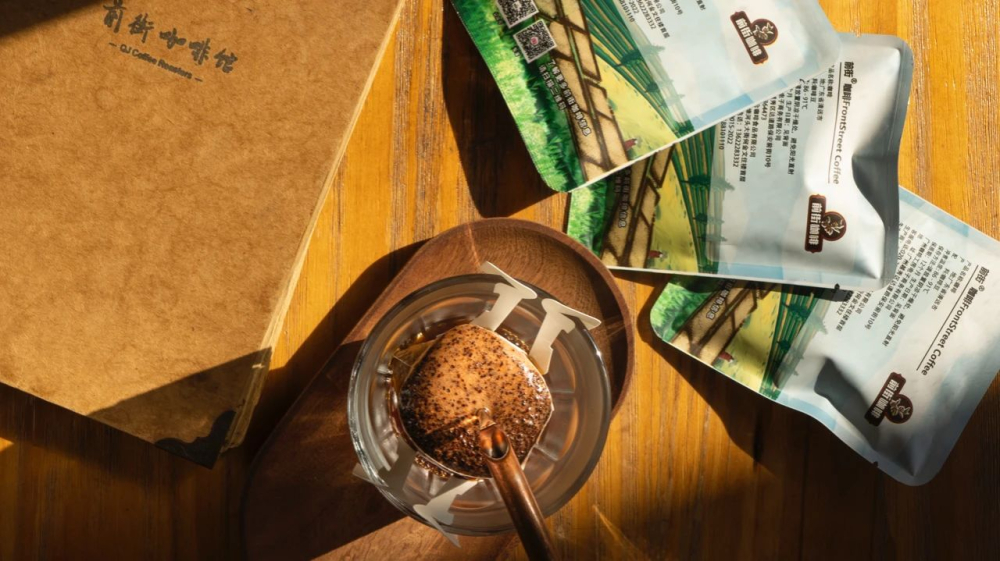
A drip bag is a filter pouch filled with freshly ground coffee, featuring two attached ear-like handles designed to hang over the edge of a cup for brewing. This format dates back to Japan in the 1990s when pour-over culture was thriving, but many young office workers lacked the time to wait for the full pour-over process—thus giving rise to this brewing method that combines convenience with flavor.
The first prototype of a drip bag was developed in 1990 by Yamashita Sangyo Co., Ltd., inspired by tea bags. However, due to an unstable structure, it never went into mass production. It wasn’t until 1998, when Daiki Shoji improved the design by extending and widening the ears, significantly enhancing stability, that it evolved into the familiar form we know today.
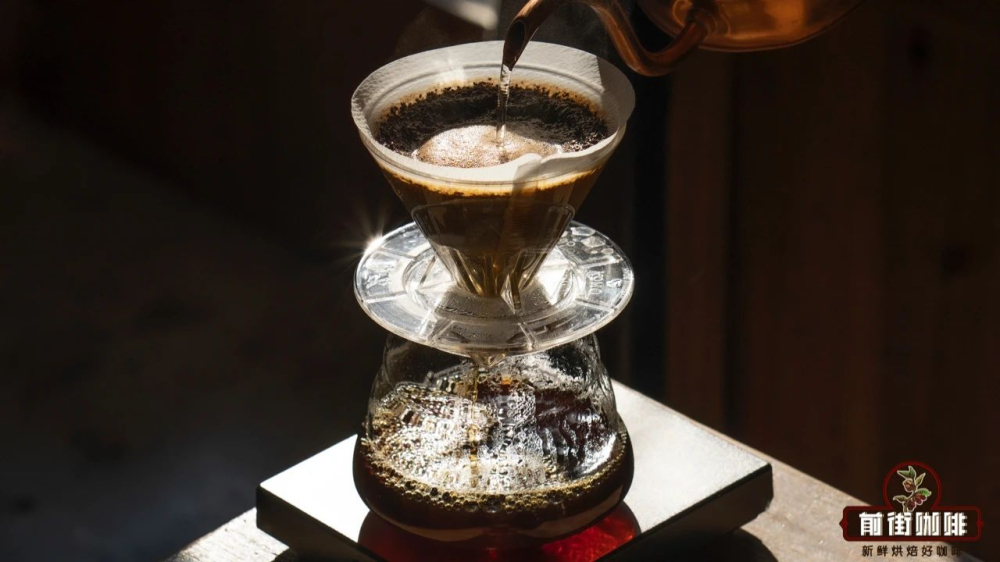
Nowadays, there is a wide variety of drip bags available on the market, including sun-dried Ethiopian Red Cherry, fruity Brazilian Red Berry, Honduran Sherry with wine-like characteristics, and seasonal mystery box blends combining multiple regions. Each bean reflects the unique terroir and processing methods of its origin, offering a rich spectrum of flavors from citrus and berries to nuts and chocolate.
Take the Ethiopian Yirgacheffe Red Cherry, for example. This bean comes from a local quality improvement initiative that encouraged farmers to handpick only ripe fruits by offering higher purchase prices. Its flavor profile is dominated by bright citrus, floral notes, and light acidity, making it a classic example of high-end washed-process beans.
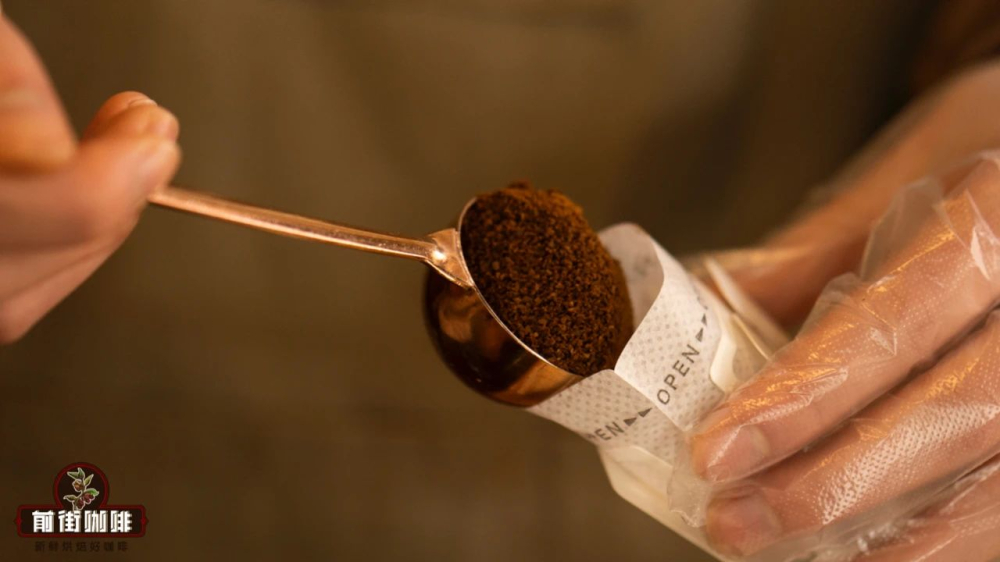
The Brazilian Red Berry drip bag showcases another classic style. Coffee was introduced to Brazil in the 1720s, and the country has since become the world’s largest exporter. Brazilian beans are known for their low acidity, full body, and nutty tones. This drip bag often delivers sweet caramel notes and a smooth mouthfeel, making it ideal for those who prefer a richer taste.
The Honduran Sherry is a standout representative of emerging processing methods in recent years, produced in the Masaguara region of Intibucá Province in southern Honduras. These beans are aged in whiskey sherry barrels, imparting layers of rich vanilla, cream, and nutty-chocolate flavors, with a long-lasting finish. Compared to another wine-barrel-processed bean, Lichee Lan, the Sherry has a more robust body, making it more popular among consumers.
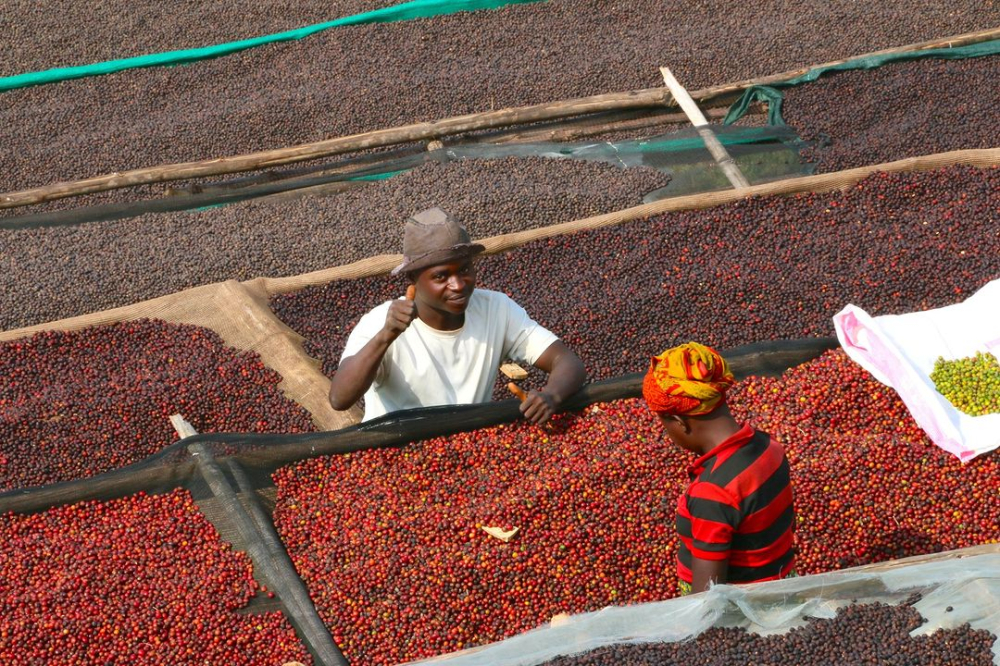
If you enjoy trying new things, you might opt for a seasonal blend drip bag, which contains five randomly selected beans from seven major regions—such as the herbal-nutty notes of Indonesian Mandheling, the peanut-creamy aroma of Colombian Huila, or the toffee scent of Costa Rican Tarrazú. Each brew may bring a different surprise.
For brewing, a standard drip bag usually contains 8 to 12 grams of coffee grounds. The recommended water volume can be adjusted based on personal preference for strength, typically around 150 to 200 milliliters. A commonly enjoyable amount is 180 milliliters, and if you prefer stronger extraction, you can go up to 200 milliliters. For medium to medium-dark roasts, it’s suggested to use hot water at 85°C to 95°C, starting with a 25 to 30-second bloom, followed by multiple even pours while maintaining a steady flow to avoid overflow.
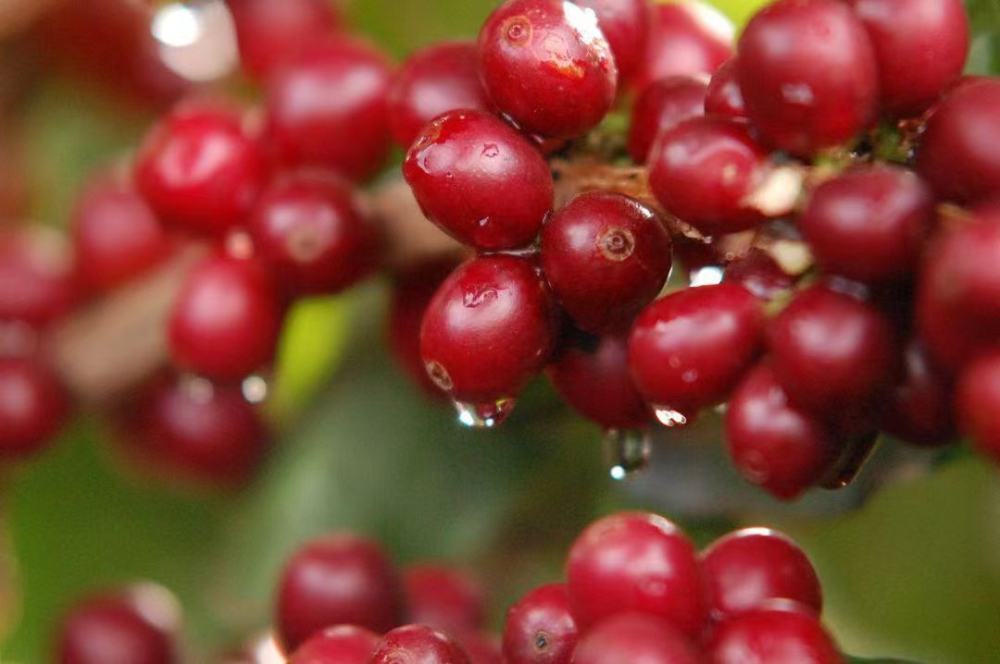
Here’s how to brew: First, carefully open the drip bag along the designated opening, shake the filter bag flat, tear open the coffee pouch, and hang the drip bag securely over the edge of the cup; next, pour hot water to bloom and activate the coffee’s aroma; once the liquid in the bag has drained a bit, continue pouring hot water until you reach your desired volume; finally, remove the drip bag when the coffee is about 70% full.
So, can you add milk to a drip bag coffee? The answer is yes, but the effect varies by bean. Generally, beans with pronounced fruitiness, like Yirgacheffe, may have their acidity and fruity notes masked by the milk, resulting in a less prominent overall profile. In contrast, beans with lower acidity and fuller body—like Brazilian beans—pair better with milk, yielding a smoother and sweeter milk coffee with a more harmonious taste.
Some readers might wonder: why not just pour hot milk directly into the grounds for brewing? This is because pouring milk into room temperature or slightly warm coffee grounds causes the temperature to drop rapidly and can create a milk skin at the filter opening, blocking the flow and leading to incomplete extraction. Even if the flavor is strong, the essence of the coffee won’t be fully extracted—something especially regrettable with high-quality beans. If you really want to try a milk coffee, it’s recommended to brew normally first, then add your preferred amount of hot milk afterward.
The above content is compiled by CoffeeHunters, a coffee news website.


