







Introduction:If you want to easily enjoy a refreshing cold brew coffee at home, the French press is actually the simplest and most practical tool. Through immersion brewing, it not only lowers the skill barrier but also preserves the original flavor layers of the coffee. This article will take you in-depth into the key elements of French press cold brew, including suitable types of coffee beans, precise coffee-to-water ratios, optimal steeping times, and practical filtering and storage tips—so you can master all the tricks in one go.
The methods for making cold brew coffee are flexible and varied, and the French press, as a common household tool, is actually very well-suited for this beverage. Compared to other brewing methods, the French press extracts coffee through prolonged immersion, a process that is simple and less prone to mistakes, especially for coffee lovers who enjoy experimenting with different flavors without the need to invest in specialized equipment.
The French press operates on the principle of immersion brewing. The biggest advantage of this method is that it requires minimal technical skill. Over time, the exchange of substances between the coffee and water gradually reaches equilibrium, effectively reducing the risk of over-extraction. In addition, there's no need to precisely control pouring techniques—just mix the coffee grounds with cold water and let it sit. It’s as intuitive as brewing tea.
When selecting coffee beans suitable for French press cold brew, it’s recommended to prioritize beans with clear floral and fruity characteristics, especially those that are medium to light roasted, as they often showcase more vibrant acidity and aromatic layers. If you prefer a refreshing and juicy mouthfeel, choose beans with distinct berry or citrus flavor notes; if you’re fond of a rich and smooth texture, darker roasts or coffees that develop chocolatey or caramel tones are more appropriate.
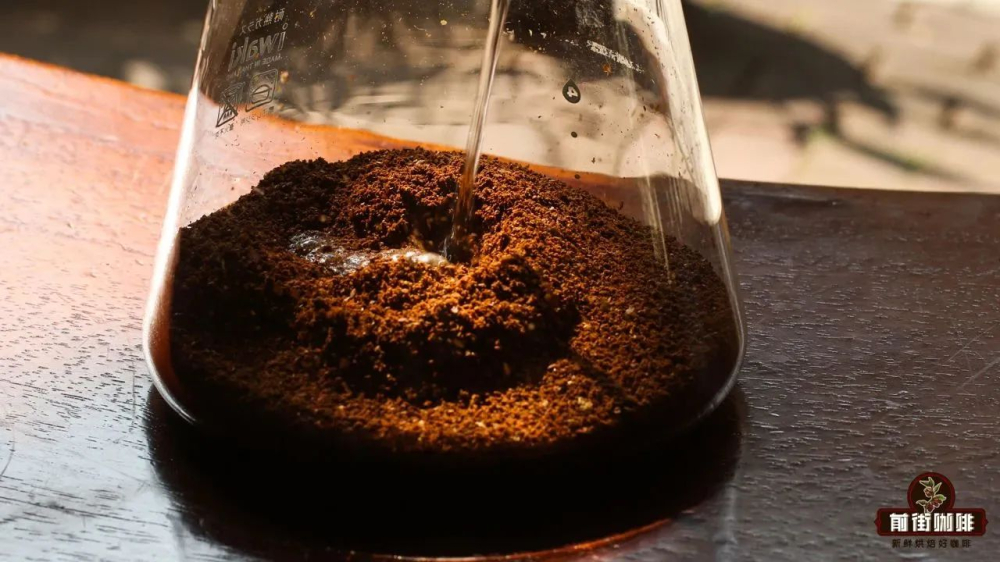
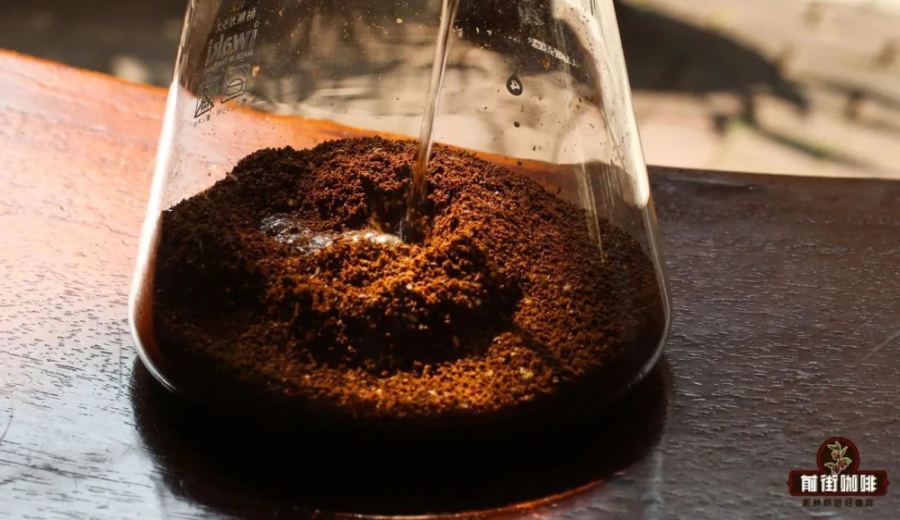
In practice, the capacity of the French press will directly affect the amount of coffee grounds used. It is generally recommended to follow a 1:10 coffee-to-water ratio. For example, for a 300 ml French press, you can use 30 grams of coffee grounds. The grind size should be roughly equivalent to an 85% extraction rate through a No. 20 sieve—that is, slightly coarser than pour over but a bit finer than the standard French press grind—to help control the extraction rate.
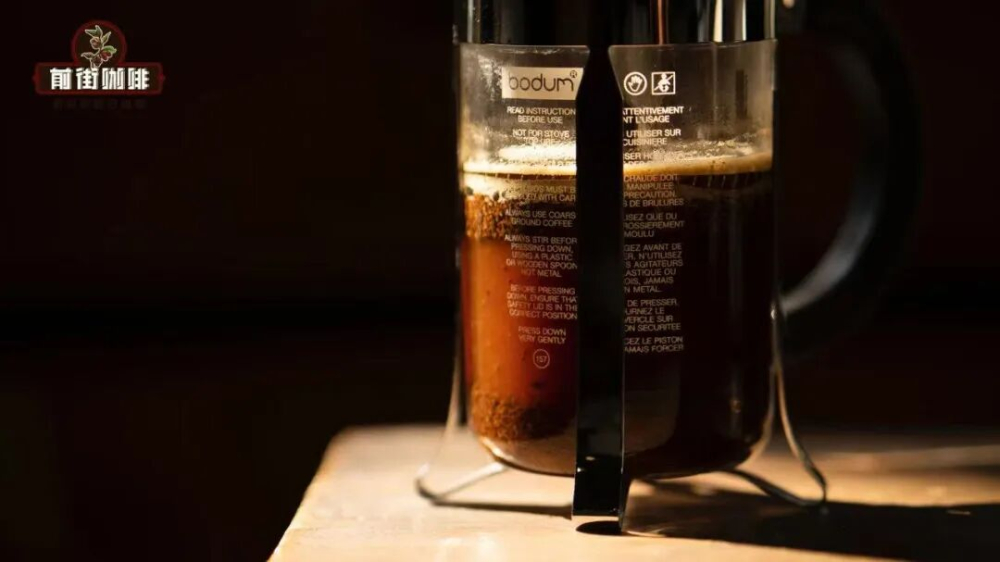
After placing the selected coffee grounds into the French press, slowly pour in room temperature water. It is recommended to use filtered water to avoid interference from off-flavors. Then, use a stirring stick to evenly mix the coffee grounds and water, ensuring that every coffee particle is fully in contact with the water. Immediately cover the lid but do not press down the filter yet, then place the entire press into the refrigerator for prolonged immersion.
According to most shared experiences, the optimal steeping time for French press cold brew is between 8 to 16 hours. Too short a time may result in under-extraction, making the flavor seem thin; too long may lead to over-extraction and a bitter taste. Beginners are advised to start with 12 hours and gradually adjust to find their personally preferred steeping duration.
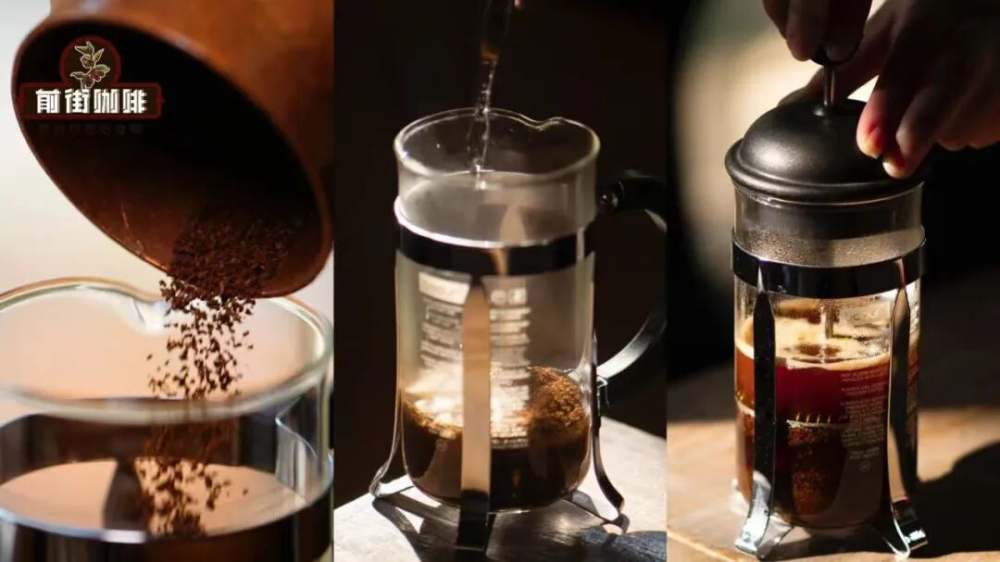
After steeping, first filter out the larger coffee grounds particles using a filter, then perform a second filtration with filter paper to ensure the final coffee liquid is clear and free of impurities. If you find the concentration too high, you can add an appropriate amount of ice cubes to adjust the mouthfeel. Alternatively, you can pour the coffee liquid into a clean, sealed container and refrigerate it for a few more hours to allow the flavors to further integrate, which usually results in a smoother and rounder texture.
It is recommended to consume the finished cold brew coffee within 5 days. Although under proper storage conditions the flavor may slightly improve over time, the variable environment inside the refrigerator increases the risk of spoilage with prolonged storage. To maintain the best quality and hygiene, it is advisable to avoid making excessive amounts at once or to adjust the batch size according to actual consumption.
The above content is compiled by CoffeeHunters, a coffee news website.


