







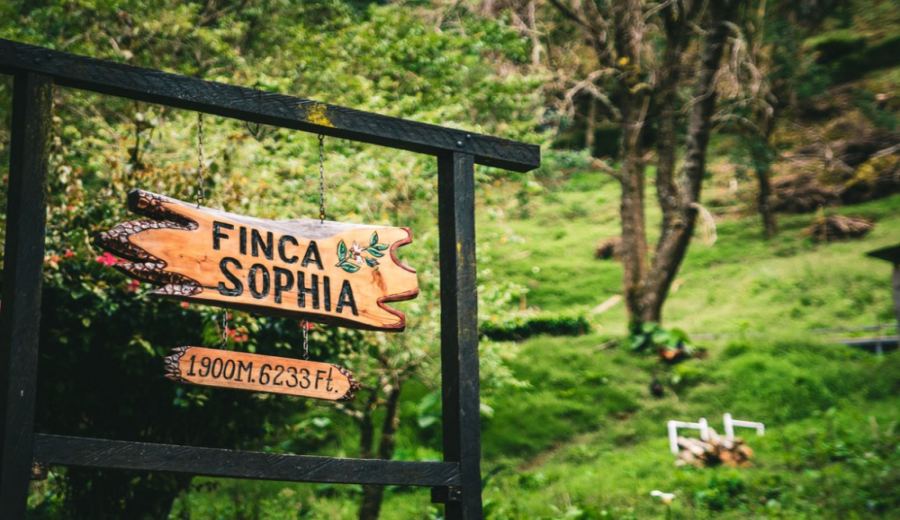
Introduction:Finca Sophia gained international recognition in the global specialty coffee scene after winning both the washed and overall championships at the 2017 and 2020 Best of Panama (BOP) competitions. Nestled in the high-altitude mountains of Panama, this farm, founded by coffee expert Willem Boot, produces Geisha beans of extraordinary flavor through its rigorous environment and refined processing methods. This article will take you through its cultivation journey, the terroir advantages behind its awards, and offer an in-depth analysis of the 2022 harvest’s natural Geisha — including its flavor profile and professional pour over recommendations.
In the world of specialty coffee, Panama’s Best of Panama (BOP) competition is often regarded as the industry’s equivalent of the Oscars. Farms that stand out here invariably demonstrate top-tier flavor profiles and cultivation capabilities. Among them, Finca Sophia made its BOP debut in 2017 by taking home the washed Geisha championship. In 2020, it went even further, securing both the washed group championship and the natural group runner-up, sending shockwaves through the coffee industry.
Located in Panama’s Volcán region, the farm was established in 2008 by Dutch-born coffee specialist Willem Boot. That year, he purchased a piece of land at extremely high altitude from the owner of Finca Cátuaba and named it Finca Sophia, symbolizing the pursuit of ultimate quality akin to the Greek goddess of wisdom. The farm’s logo is inspired by the unique highland pigeon (Spanish: Torcaza) native to the area.
Willem Boot is himself a veteran in the coffee world. As early as 2004, while serving as a BOP judge, he was immediately captivated by the Geisha variety from Finca Esmeralda. He subsequently traveled to Ethiopia to trace its roots and became actively involved in the research and promotion of the Geisha variety. In 2008, he resolved to grow the purest and highest-quality Geisha on his own high-altitude farm.
Finca Sophia sits at an altitude ranging from 1,900 to 2,150 meters, making it one of the highest-altitude coffee-growing regions in Central America. The challenges posed by such elevation are also formidable — in 2010, the first batch of 15,000 Geisha seedlings planted at the highest elevations nearly all froze to death after three years due to the excessively cold climate. It wasn’t until 2012 that the team made another attempt, planting another 15,000 seedlings between 1,900 and 2,000 meters. However, the high-altitude environment extended the coffee trees’ growth cycle, requiring 7 to 10 years before reaching stable production. As a result, it wasn’t until 2017 that the farm finally competed for the first time with its precious Geisha beans and won the BOP washed category championship.
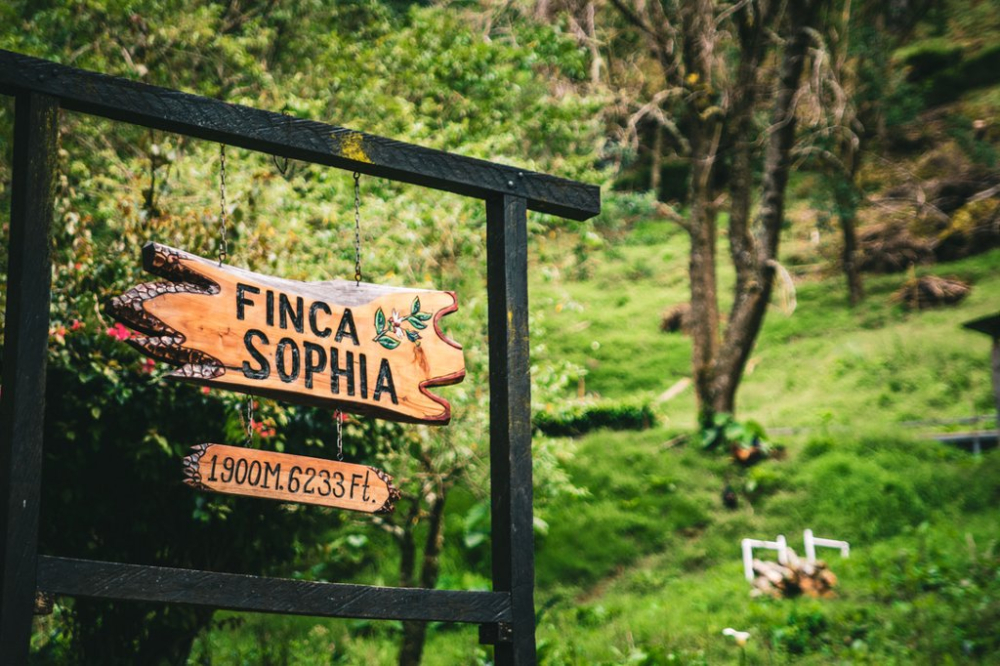
Currently, Finca Sophia is co-owned by Willem and Equator, a well-known American roaster, while day-to-day operations are managed by Kelly Hartmann, the youngest son of Panama’s prominent local coffee family, the Hartmanns. The farm is divided into four sections, with the main producing areas concentrated in the relatively lower-altitude third and fourth sections. The first and second sections, due to their higher elevation, are still in the adaptation phase. Additionally, Finca Sophia has a different harvest season compared to mainstream Panamanian regions — most farms harvest between August and December, but due to its high altitude and slow maturation, harvesting here only begins between February and June of the following year.
As a micro-sized farm, Finca Sophia has an extremely limited annual yield, producing only about three to four hundred kilograms. Today, some coffee shops still offer the 2022 harvest’s natural Geisha, which is processed with an extremely minimal natural method to faithfully present the bean’s original flavor profile. As Farm Owner Willem insists: “High-altitude premium Geisha doesn’t need complex processing — washed and natural methods are enough.”
To fully preserve the distinctive floral and fruity aromas of Geisha, some coffee brands opt for light roasting. During cupping, the dry fragrance clearly reveals the elegant notes of honeydew melon and rose. After brewing, the cup offers a bright acidity and sweetness reminiscent of orange, accompanied by flavors of honeydew, apple juice, rose blossoms, and a subtle oolong tea nuance. The sweetness is pronounced, and the aftertaste lingers beautifully.
Due to its high-altitude origin, these beans have a higher density, and even light roasting does not compromise their structure. It is recommended to use a medium-fine grind (approximately 78% passing rate through a Chinese No. 20 sieve), and extract with slightly higher water temperature to fully develop the layered flavors.
Some coffee brands recommend the following pour over parameters:
Filter: V60
Coffee dose: 15 grams
Coffee-to-water ratio: 1:15
Grind size: 78% passing rate through a Chinese No. 20 sieve
Water temperature: 90–91°C
Brewing technique: A three-stage circular pouring method is recommended. First, pour 30 grams of water and let it bloom for about 30 seconds to allow the coffee grounds to fully expand and form a “hamburger layer.” Then, steadily pour up to 125 grams and pause. When the water level drops to about two-thirds of the coffee bed, proceed to the third pour, adding water up to a total of 225 grams. The total brew time should be controlled around 2 minutes and 20 seconds.
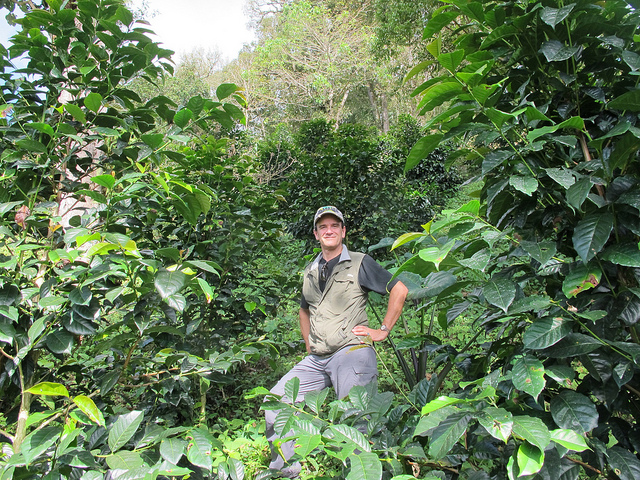
Final flavor profile: The initial sip delivers a sweet acidity with orange-like tones, accompanied by distinct notes of honeydew and rose. The mid-palate transitions into a refreshing apple juice flavor, while the finish leaves a delicate umami sweetness reminiscent of oolong tea, along with a long-lasting aftertaste. The cup is well-balanced and layered, representing the pinnacle of high-altitude Geisha.
The above content is compiled by CoffeeHunters, a coffee news website.


