







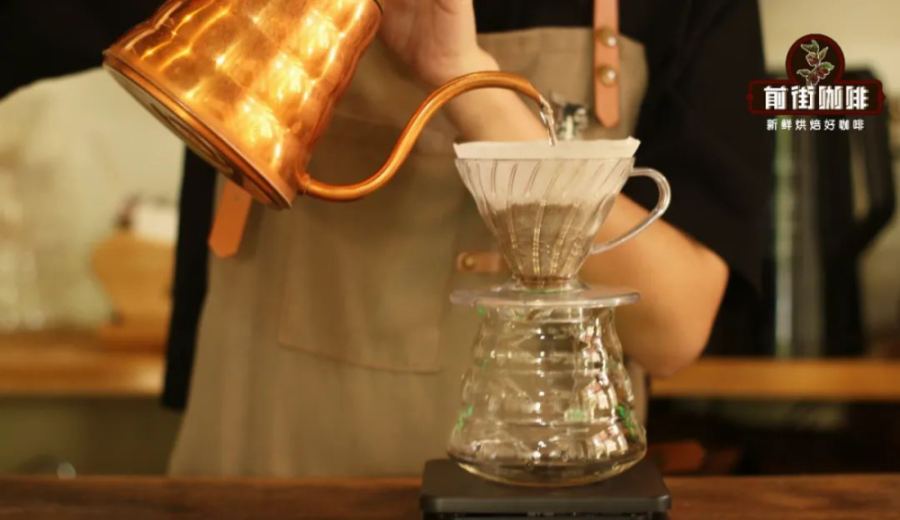
Introduction:Want to easily brew a single-origin pour-over coffee with layered flavors at home? The key lies not only in mastering the steps but also in understanding the relationship between equipment pairing, grind settings, and extraction logic. This article systematically analyzes essential pour-over tools, differences in dripper types, grind size and water temperature adjustments, as well as the golden ratio of coffee-to-water ratio and extraction time. Using the classic Yirgacheffe as an example, it demonstrates a three-stage pouring technique to help you grasp the key details for consistent results.
To brew a single-origin pour-over coffee with clear flavors and distinct layers at home, besides being familiar with the basic steps, it's essential to deeply understand the connection between equipment configuration, parameter settings, and extraction principles. Below, we will break down the key points from equipment preparation to actual operation around the core elements of pour-over coffee, helping you establish your own brewing rhythm.
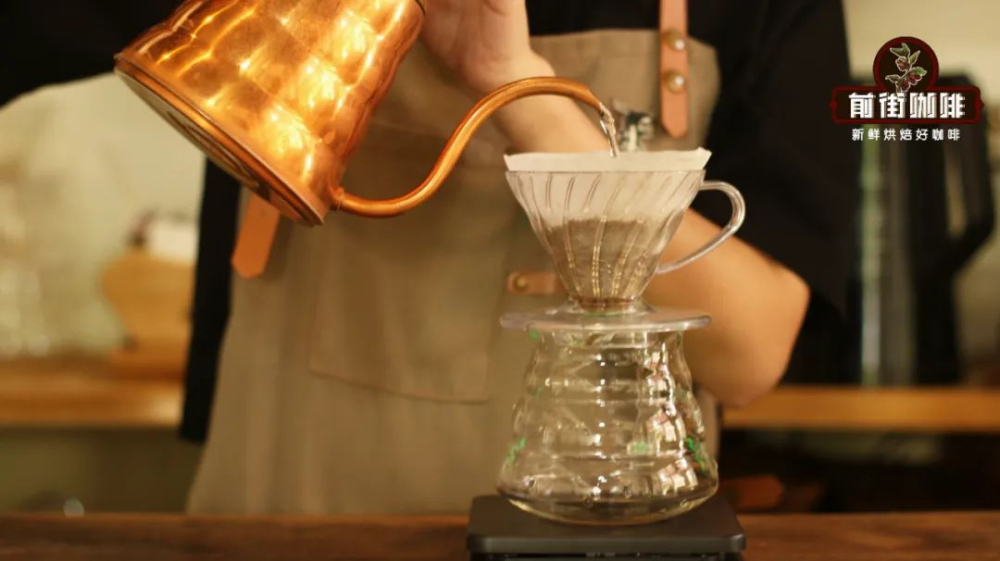
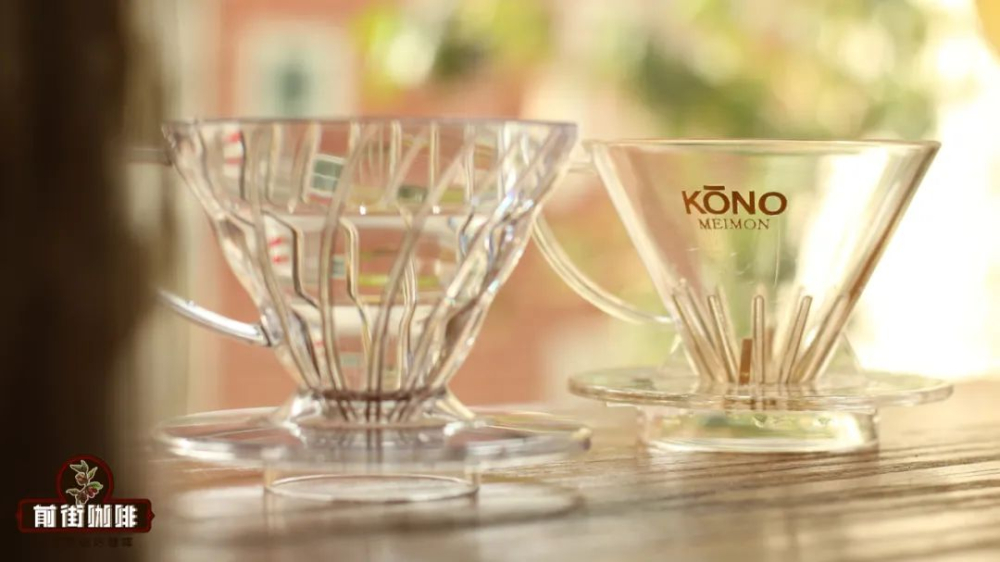
Before starting the brew, first prepare the basic tools: coffee beans, a coffee bean container, a coffee scoop, a dripper, filter paper, a server, a digital scale, and a pour-over kettle. If using a non-temperature-controlled kettle, a thermometer is also needed—ideally, check the water temperature before each pour. Don’t forget a wastewater container and a drinking cup. Among these, the dripper and filter paper play a crucial role—they not only effectively trap coffee grounds but also absorb some excess oils, resulting in a cleaner and crisper coffee taste. Common drippers like the V60 and KONO have their own unique characteristics: the V60, with its large holes and spiral ridges, has a faster flow rate, making it more suitable for medium to light roasted beans, highlighting delicate floral and fruity notes; the KONO, with a slower flow rate, is better for medium to dark roasted beans, enhancing a rich and full-bodied mouthfeel.
A digital scale is a key tool for ensuring stable parameters, used to precisely weigh coffee beans and the amount of water poured, guaranteeing consistent flavor in each brew. If your pour-over kettle lacks temperature control, a thermometer becomes indispensable—it’s recommended to confirm that the water temperature is within the appropriate range before each pour. For medium to light roasted beans (commonly used with the V60), the recommended water temperature range is 90–92°C; for dark roasted beans, it’s advised to lower it to 88–89°C to avoid over-extraction and bitterness.
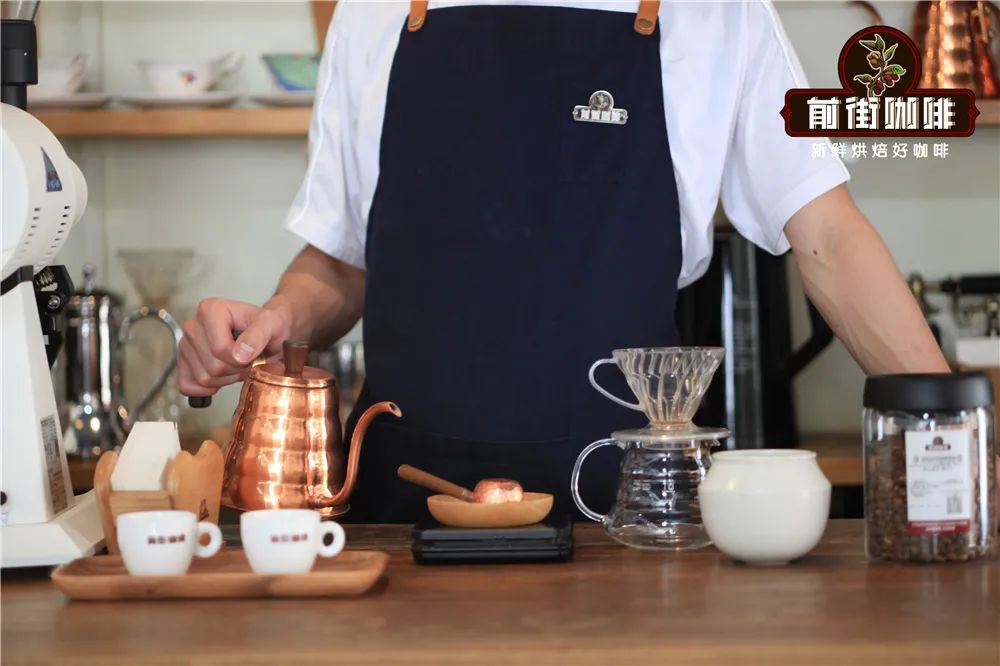
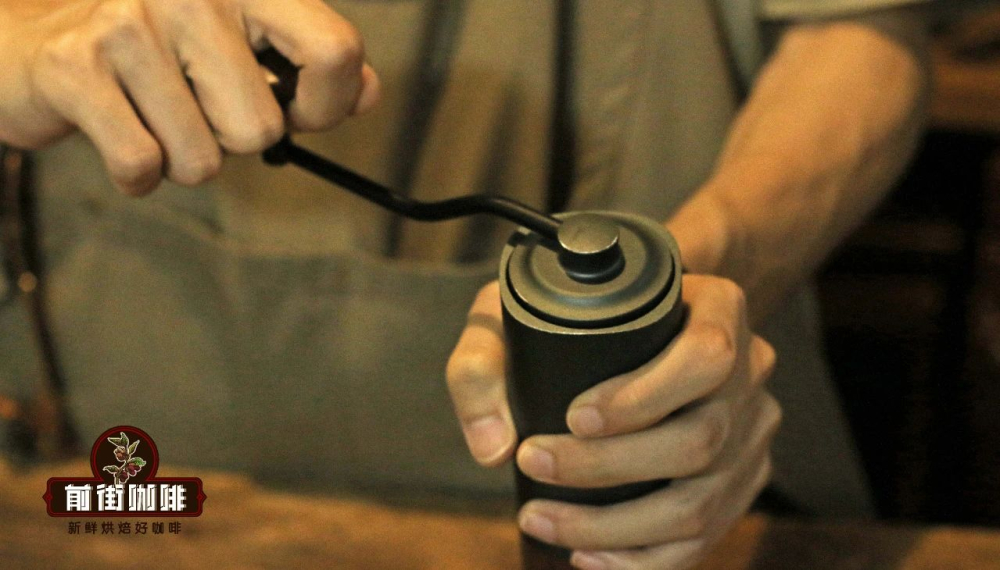
The grinder is also a critical factor influencing flavor, as it determines the coarseness of the coffee grounds, which directly affects extraction efficiency and taste. Too coarse a grind may result in weak flavors, while too fine a grind can lead to over-extraction and bitterness. Based on experience, a medium-fine grind is recommended for pour-over coffee, with an 80% passing rate through a standard #20 sieve—this means that after sieving, 80% of the coffee particles can pass through a 0.85mm mesh, ensuring aroma release without being overly intense.
Many factors influence the flavor of pour-over coffee, but the most important is the coffee-to-water ratio. This refers to the proportion of coffee grounds weight to the total water poured, with a commonly recommended value of 1:15 (e.g., 15g of coffee grounds with 225ml of water). This ratio balances concentration and flavor layers, harmonizing the coffee’s sweetness, acidity, and body. Of course, the ratio isn’t fixed—the adjustable range is generally 1:14 to 1:18: a smaller ratio (e.g., 1:14) yields a stronger flavor, while a larger ratio (e.g., 1:18) results in a lighter taste, allowing flexible adjustment based on personal preference.
The coarseness of the coffee grind also needs precise control. A simple way to judge if the grind is appropriate is to use a standard #20 sieve (0.85mm mesh), sift the ground coffee, and calculate the percentage of grounds that pass through. The ideal state is an 80% passing rate—that is, for 10g of coffee grounds, about 8g should pass through the sieve. If the passing rate is below 8g, the grind is too coarse, possibly leading to under-extraction; if above 8g, it may be too fine, so be cautious of over-extraction. Remember, only about 30% of the substances in coffee beans can be effectively extracted, with a recommended extraction rate of 18%–22%—below this range may result in bland flavors, above may cause bitterness, though not absolute—the key is finding the balance point suitable for the current beans.
Water temperature is another core parameter. Generally, pour-over coffee water temperature is recommended to be controlled between 86–93°C. For medium to light roasted beans (such as Panama Geisha Green Tip from Hacienda La Esmeralda), 90–92°C is recommended to fully bring out floral and fruity notes; for dark roasted beans (such as Indonesia’s Golden Mandheling), 86–88°C is suggested to avoid high temperatures highlighting bitter and off flavors. The higher the water temperature, the stronger the extraction efficiency and the more intense the coffee flavor; conversely, the more conservative the flavor release.
Extraction time also affects the final taste. Taking a three-stage brew of 15g of coffee beans as an example, the total time is usually controlled at around 2 minutes (for reference only). The longer the brew time, the more the coffee grounds interact with water, extracting more substances and resulting in a richer flavor; if too short, under-extraction may occur, leading to a thin taste.
Next, let’s take Yirgacheffe Kochere as an example to illustrate specific brewing steps. First, understand the bean details: the origin is Yirgacheffe Kochere, altitude 1650–1800 meters, variety is heirloom, processing method is washed, grade G1—these beans typically feature bright citrus acidity and floral notes, suitable for medium to light roasting and medium-fine grinding.
Preparation: Take out 15g of coffee beans, first wet the filter paper with hot water and attach it to the dripper to avoid paper taste affecting the flavor during brewing. Grind the coffee beans to medium-fine (80% passing rate through a #20 sieve), and once the water temperature reaches 90–92°C, start the formal brew. Use the three-stage pouring method:
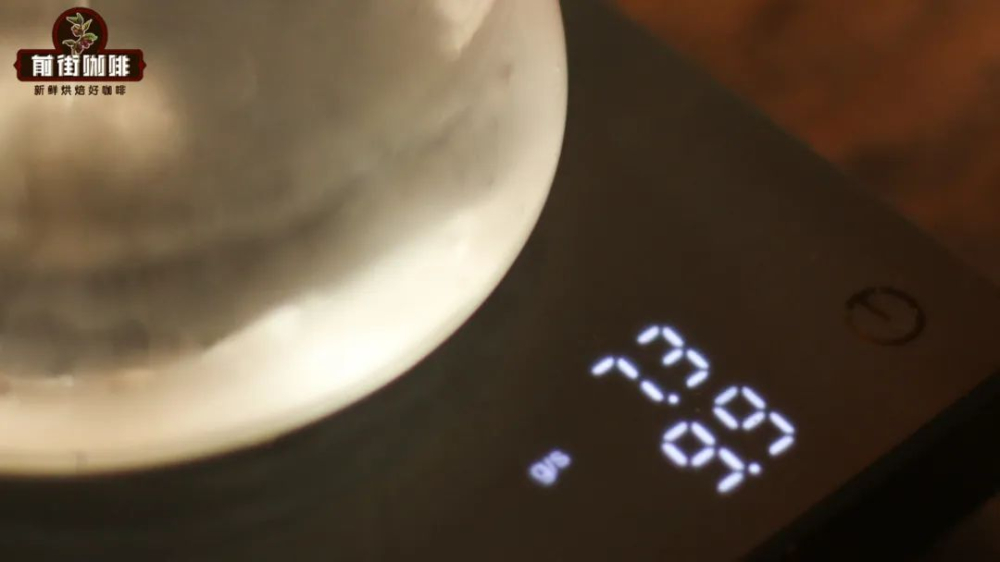
First stage: Pour 30g of hot water for the bloom, for about 30 seconds, to allow the coffee grounds to evenly absorb water, release CO₂, and pave the way for subsequent extraction.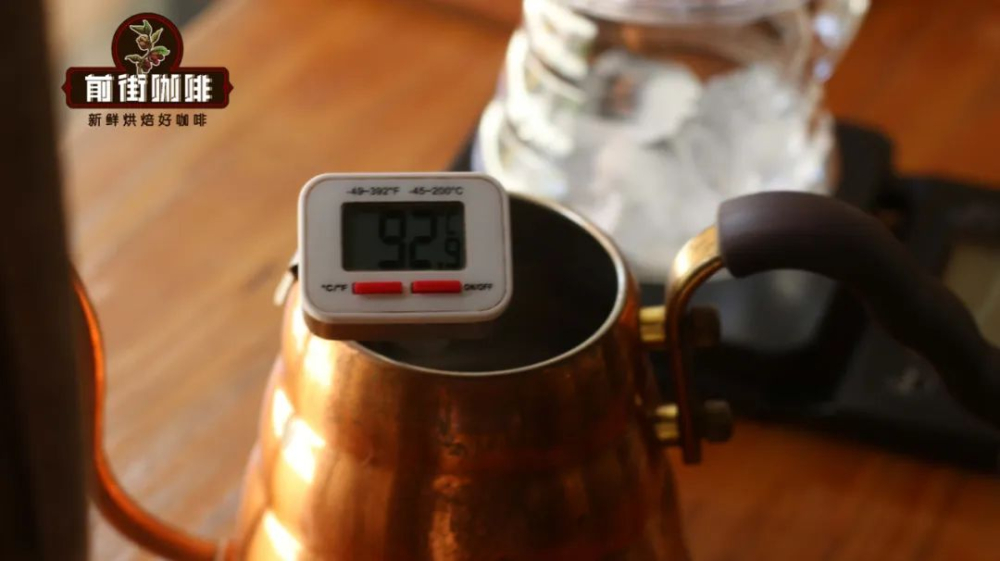
Second stage: Pour 95g of hot water with a steady stream, for a total pouring time of about 55 seconds. It’s recommended to pour in circular motions from the inside out (slow down if control is unstable), aiming to slightly lift the coffee bed, increasing the contact area between hot water and coffee grounds to promote flavor release.
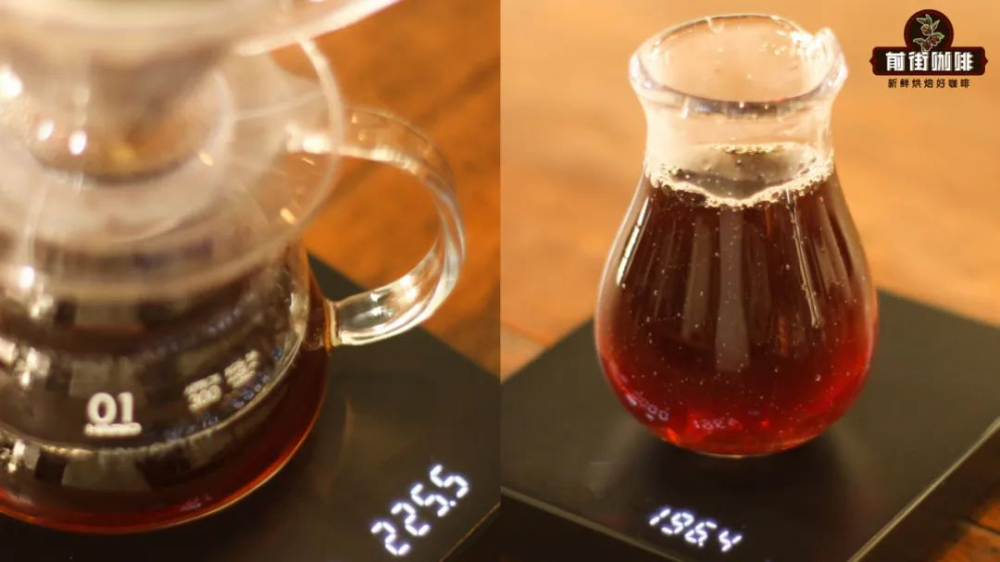
Third stage: When the liquid level drops to half of the coffee bed, switch to a small stream and pour in a small circle, adding 100g of hot water (at this point, the scale should show a total of 225g of water). This stage focuses on adjusting concentration and balancing flavors, avoiding excessive agitation of the coffee bed that could release bitterness—raising the pouring height can speed up the water flow, and keeping the pouring area small minimizes disturbance to the coffee bed.
After brewing, observe the shape of the coffee bed: a concave or flat bed often reflects differences in pouring technique and range, but it’s not the sole determinant of flavor quality. As long as the pouring is even and extraction is consistent, even if the bed shape isn’t perfect, you can still produce delicious coffee. Note that if a “flat bed,” “layer break,” or “uneven sides” occurs, it may be due to water directly hitting the dripper walls—adjust the pouring angle and range to ensure the water stream evenly covers the coffee bed.
The above content is compiled by CoffeeHunters, a coffee news website.


