







Introduction:The COE (Cup of Excellence) is one of the most authoritative specialty coffee competitions in the world. The selected coffees not only represent the highest standards of their producing regions but also enhance farmers' incomes and international visibility through public auctions. This article provides an in-depth look at the COE competition format, the advantages of auctioned beans, and focuses on COE22—one of the winning lots from Ethiopia’s first COE competition in 2020. From regional background and natural processing flavors to optimal pour over parameters, you’ll gain practical insights into the appeal of this high-quality auction lot.
In the specialty coffee world, the COE (Cup of Excellence) has long been a highly credible international evaluation competition. This contest not only helps select the most representative coffees of the year but also enables farmers to receive fair compensation and global exposure through its auction model. This article will fully introduce the COE competition mechanism, analyze the market advantages of auctioned coffee beans, and introduce you to COE22—featured on the menu of a well-known café and originating from Ethiopia's inaugural COE competition in 2020. You’ll explore its regional characteristics, flavor profile, and ideal pour over approach.
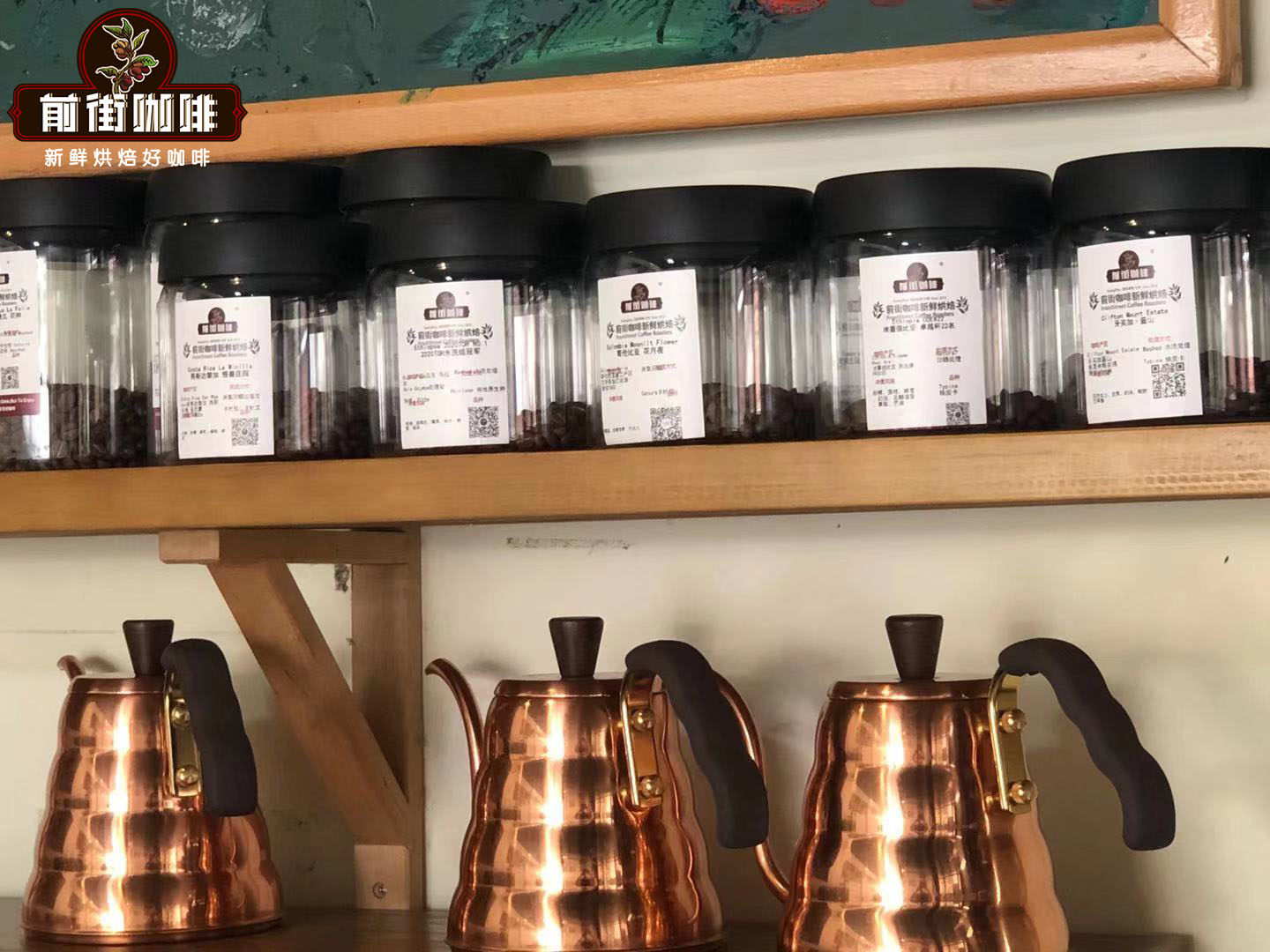 When visiting specialty coffee shops, it’s common to see special labels like “COE” or “TOH” on some coffee menus. These often come from internationally recognized coffee competitions. Among them, COE stands for Cup of Excellence, or the "International Coffee Excellence Cup," a high-standard international coffee cupping competition known for its rigorous evaluation process. Only coffees that stand out after multiple rounds of strict cupping can earn the COE title and qualify for auctions. Such coffees not only represent the highest quality of their country for that year but also connect directly with international buyers through global online auctions, bypassing traditional trade channels and ensuring producers are rightly compensated. This mechanism enhances farm visibility while giving consumers the chance to taste top-tier, directly sourced coffees.
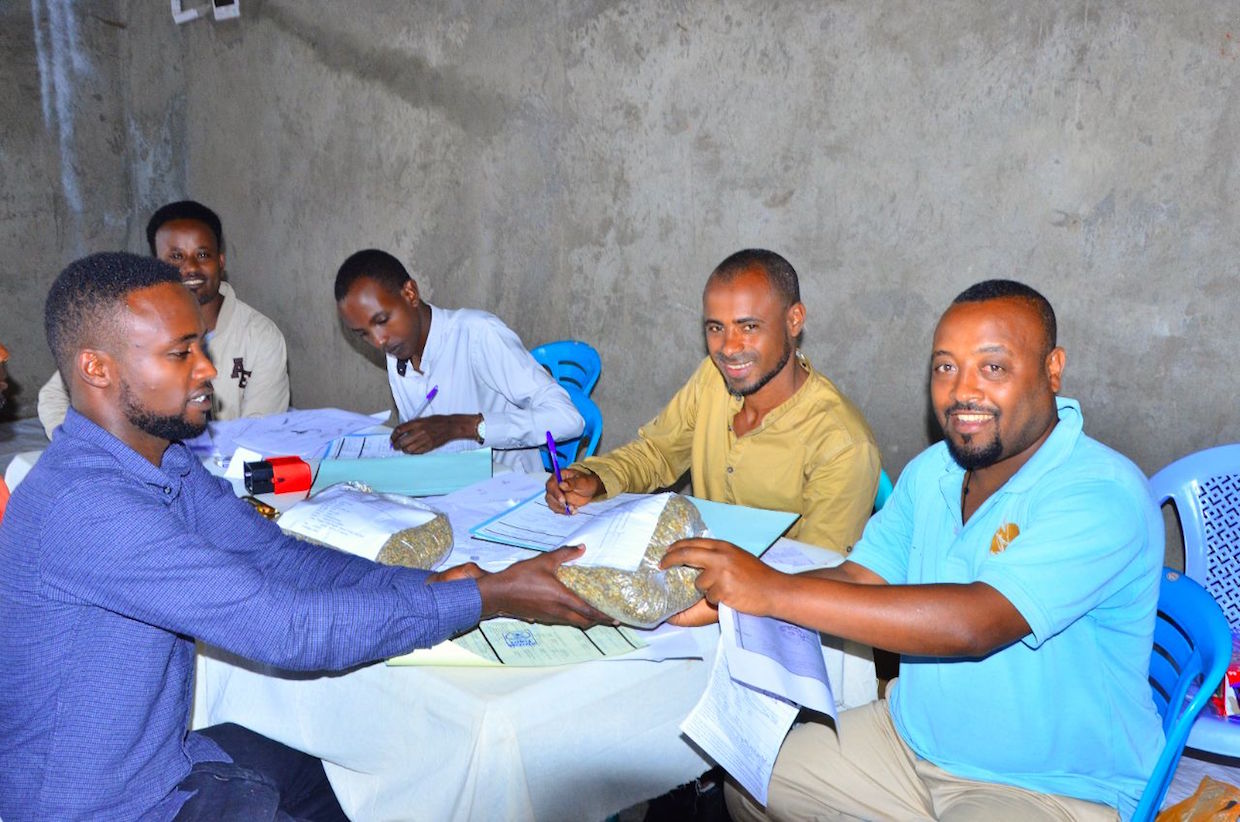
The COE competition follows a very rigorous process. Participating farmers must first select around 25 to 35 bags of coffee beans from their own farms—each bag weighing about 60 kilograms—and send them collectively to a designated warehouse for the competition. In the early stages, usually over 500 farms from various countries apply. The competition is divided into preliminary, semi-final, and Top 10 stages, with a minimum cupping score of 84 required to advance. Ultimately, only 20 to 30 coffees make it to the final rankings, with their auction order determined by score to ensure the highest-quality coffees receive the most attention.
 Coffees that stand out in the COE competition often exhibit exceptional quality consistency and unique terroir expression. These coffees not only have low defect rates, uniform bean appearance, and consistent color and size, but also perform excellently after roasting. Each award-winning coffee showcases the combined influence of local altitude, microclimate, soil, and processing methods. Therefore, even batches from the same farm that qualify for the competition are carefully selected among the best. For consumers, these coffees often feature distinct and layered flavor profiles, making them an excellent choice for pour over enthusiasts.
For producers, participating in the COE competition is not just an honor but also an opportunity to expand into international markets. Through the auction platform, small-scale farms can directly connect with global buyers, reducing middleman exploitation as well as shipping and tariff costs, thereby increasing actual profits. For the specialty coffee market, the COE competition continuously drives producers to improve quality and offers consumers a more diverse and high-quality coffee experience.
Speaking of COE, one cannot overlook Ethiopia’s first COE competition held in 2020—the coffee origin’s debut in this prestigious international evaluation. A well-known café also participated in that year’s auction, and one of its coffees, named COE22, scored 87.64 points, ranking 22nd for the year, making it one of the most representative auction lots of that season.
The COE22 from the well-known café originates from the Alsie sub-region in Ethiopia’s Sidamo area. It was grown by Adem Banta Sute, using the traditional Typica variety and processed via the natural (sun-dried) method. The Sidamo region is known for its varied altitudes (approximately 1400 to 2000 meters), diverse soil types, and microclimates, meaning that even neighboring regions can produce coffees with distinct flavor profiles. Natural processing is quite common here, where the complete retention of fruit fermentation imparts rich berry and creamy tones to the coffee, resulting in a smooth mouthfeel and complex layers.
The natural (sun-dried) method is the most traditional post-harvest coffee processing technique. After harvest, red coffee cherries undergo strict selection, with only the ripest fruits chosen. These coffee cherries are evenly spread on raised drying beds and manually turned for 30 to 60 minutes each day over approximately two weeks, until the moisture content drops below 25%. This process not only prevents over-fermentation but also avoids ground moisture and odor absorption, resulting in pure and intense fruit aromas. Once the fruit stabilizes, the skin, pulp, and parchment layers are removed, leaving behind the essential green coffee beans. Many coffee enthusiasts believe that natural processing highlights stronger sweetness and fruity notes, making it the preferred choice for those who enjoy fruit-forward flavors.
To preserve the bright acidity and fruity aromas of this coffee, the roaster at the well-known café chose a medium-light roast. For coffees roasted to this level, it is recommended to use water at 91°C, with a medium-fine grind (approximately 80% passing through a Chinese standard No. 20 sieve), a brew ratio of 1:15, and about 15 grams of coffee. A Hario V60 filter cone is suggested for pour over. The steps are as follows:
- Step 1: Pour 30 grams of hot water and bloom for about 30 seconds
- Step 2: Slowly pour in a circular motion with a small stream of water up to 125 grams for the first pour
- Step 3: When the water level drops to about one-third, continue pouring up to 225 grams, then stop
- Final step: Allow the V60 to fully drip through, with total extraction time controlled to around 2 minutes
These parameters help fully highlight COE22’s berry notes, rich body, and bright acidity—making it ideal for coffee lovers who enjoy fruit-forward, layered pour over experiences.
The above content is compiled by CoffeeHunters, a coffee news website.


