







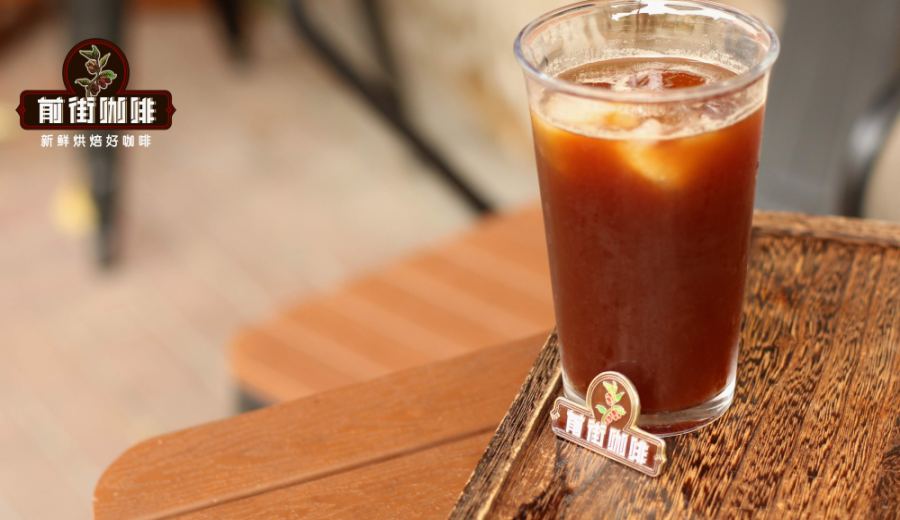
Introduction:Want to enjoy a refreshing and layered iced coffee in the summer? This article will take an in-depth look at four major types of iced coffee—cold brew, cold drip, nitrogen coffee, and flowing sand iced americano—breaking down everything from extraction principles and parameter settings to flavor characteristics. It will guide you through the unique aspects of each method. Whether you want to recreate the rich foam and dark beer-like texture at home or savor the smooth and refreshing taste of cold-brewed coffee, this guide has you covered.
During the peak of summer, iced coffee becomes the go-to choice for many to refresh and energize. In addition to common options like iced americano, cold brew, and cold drip, a creative beverage that has emerged in recent years is flowing sand iced americano, which evolved from iced americano. Its inspiration actually comes from the increasingly popular nitrogen coffee. This article will provide a detailed comparison of these four types of iced coffee—from the beer-like fine bubbles unique to nitrogen coffee, to the distinct, smooth, and layered visual effect of flowing sand iced americano, to the differences in extraction time and flavor between cold brew and cold drip. We’ll analyze them all and offer practical brewing tips so you can easily master the secrets of making these iced coffees.
When it comes to iced coffee, most people first think of iced americano, cold brew, and cold drip. However, there is also a beverage that combines creativity and taste—flowing sand iced americano, which draws its inspiration from nitrogen coffee. Many wonder, is it possible to create a coffee with an alcoholic feel without adding any alcohol? The answer is yes, and nitrogen coffee is exactly that.
So-called “nitrogen coffee” involves injecting high-pressure nitrogen gas into black coffee, producing fine and dense bubbles that mimic the texture and appearance of dark beer. It offers a refreshing and sweet aftertaste with delicate bubbles, making it feel like drinking a non-alcoholic dark beer. However, nitrogen equipment isn’t easily accessible to everyone, which is where “flowing sand iced americano” becomes an incredibly creative alternative.
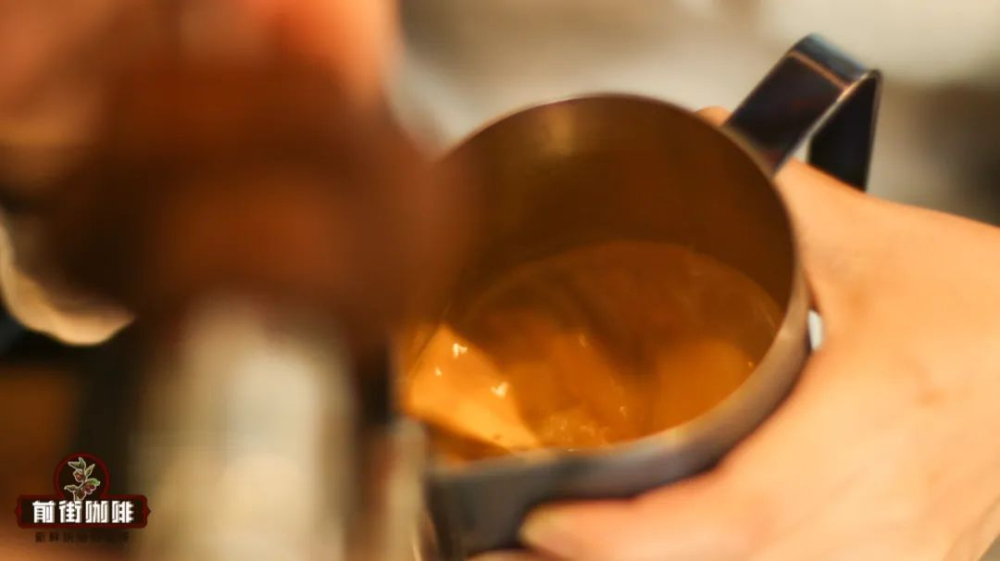
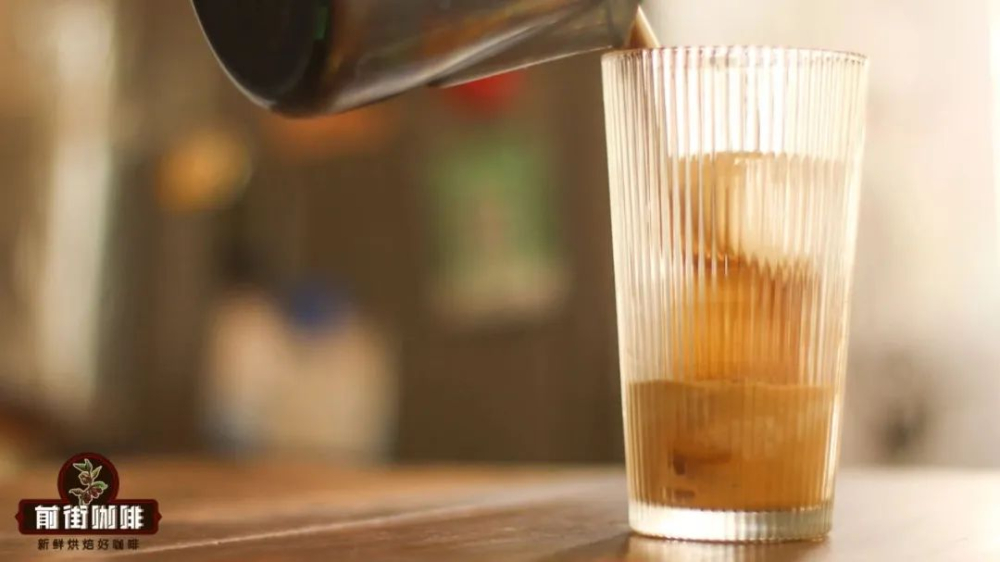
The so-called “flowing sand” effect refers to the golden crema of espresso being steamed and aerated into fine bubbles. When poured into a cup with ice cubes and left to settle, the difference in density creates a visual and textural experience similar to fine sand gradually cascading down. This layer of foam forms because the steaming process incorporates a large amount of air, and the surface tension of milk proteins helps form tiny bubbles. Meanwhile, the proteins, sugars, and aromatic compounds in the coffee crema encapsulate the air during aeration, forming larger bubbles. These bubbles are then subdivided into even smaller ones, eventually creating a stable and dense foam structure.
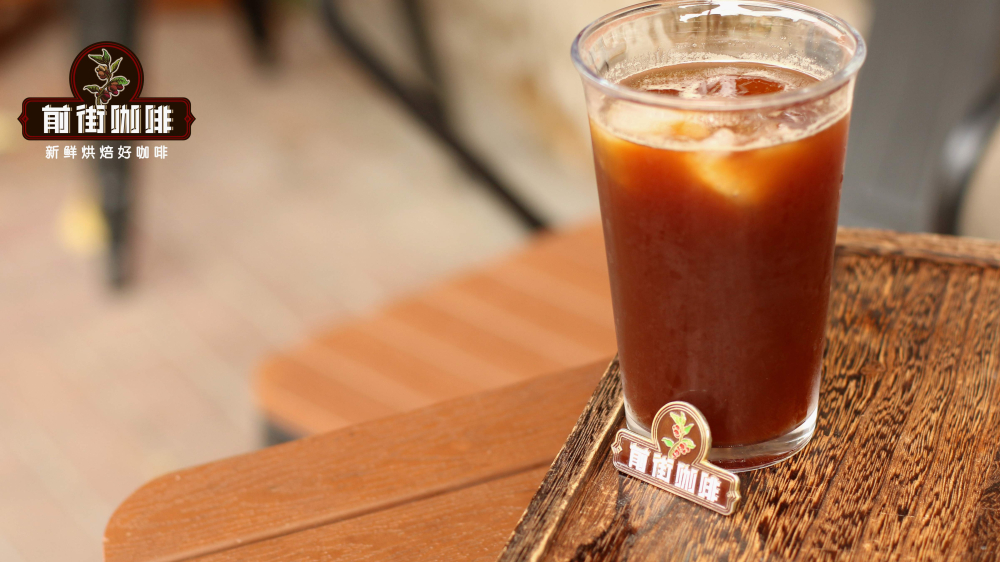
During the aeration process, lighter, small bubbles rise to the top, while denser liquid sinks, creating a clear sense of layering and resulting in the “flowing sand” visual effect. For preparation, it’s recommended to use 38 grams of double espresso, add about 100 grams of ice cubes and 50 grams of room-temperature water, gently shake to cool, and then aerate in a way similar to frothing milk. Be sure to add a small amount of ice water appropriately to avoid excessive aeration or insufficient liquid causing uneven aeration. Finally, pour the aerated coffee into a cup with ice cubes to enjoy the visual effect of a cascading waterfall, while savoring its subtle vanilla and berry acidity paired with a delicate foam that delivers a dark beer-like mouthfeel.
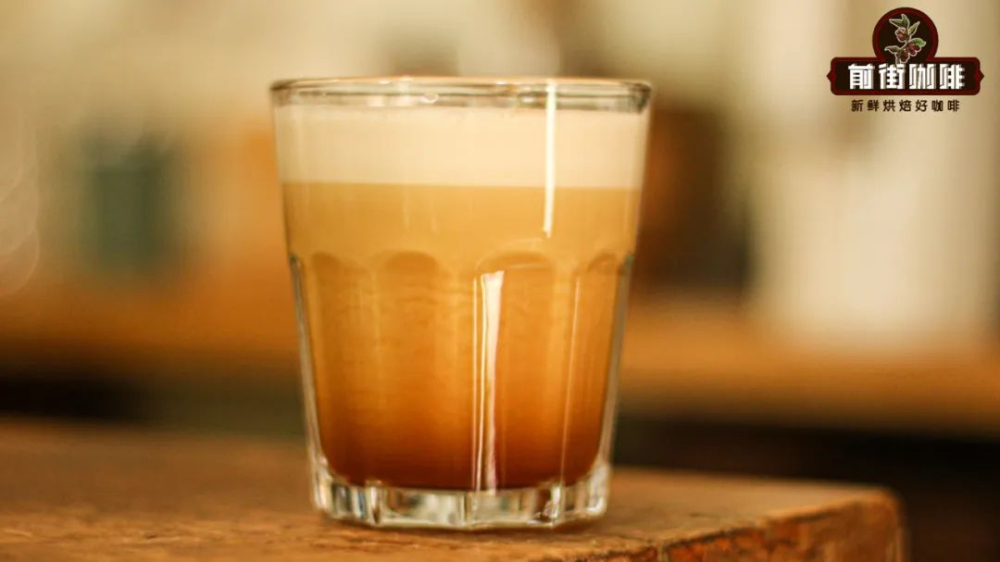
Another common and relatively simple method of making iced coffee is “cold brew.” This method involves steeping coffee grounds in cold water for an extended period, eliminating the need for high-temperature extraction. As a result, the flavor is relatively mild, with bright acidity, minimal bitterness, and the ability to highlight the floral and fruity notes of the coffee beans. Cold brew requires no complicated equipment—just a glass bottle and cold water—making it a favorite summer choice for many coffee enthusiasts.
Taking 50 grams of coffee grounds as an example, it’s recommended to use specialty coffee beans with prominent floral and berry flavors. The grind size should be slightly coarser than that used for typical pour over, ideally around a Chinese standard No. 20 sieve with a passing rate of about 65%. Place the coffee grounds in a glass bottle, add 500 grams of cold water at a 1:10 coffee-to-water ratio, stir well, seal, and refrigerate for 12 to 24 hours. After extraction, filter out the coffee grounds with paper filters, then let the filtered coffee liquid sit in the refrigerator for another 4 hours before drinking for a more rounded and balanced flavor.
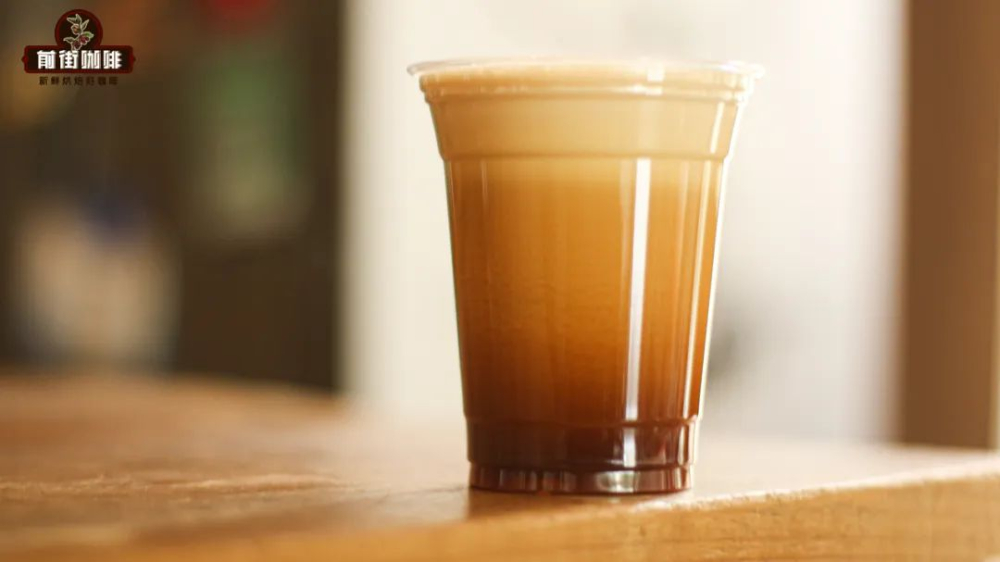
If you’re seeking a deeper, slower extraction experience, “cold drip coffee” is a great option. This method involves slowly dripping ice water through a bed of coffee grounds at an extremely low temperature over a long period, extracting the delicate and complex layers of flavor in the coffee. It’s ideal for those who enjoy deep, layered taste profiles.
It’s recommended to use 60 grams of coffee grounds, such as strawberry sugar coffee beans with a sweet strawberry note. The grind size should be slightly coarse, with a suggested 20-number sieve passing rate of about 85%, and the coffee-to-water ratio remains 1:10. The overall extraction time is approximately 6 to 8 hours. During preparation, place circular filter paper at the bottom of the powder chamber, wet it, and ensure it adheres to the cup walls. Add the ground coffee, press it lightly to flatten, then cover with another layer of filter paper to prevent the coffee bed from collapsing. First, evenly moisten the coffee grounds with a small amount of ice water for pre-wetting to improve extraction consistency, then allow an ice water mixture to drip through. The dripping speed should be controlled at about 7 drops per 10 seconds. Finally, seal the finished coffee liquid and refrigerate it to allow the flavors to further integrate and ferment, resulting in a richer taste profile.
The above content is compiled by CoffeeHunters, a coffee news website.


