







Introduction:Want to understand the charm and brewing secrets of Indonesian Golden Mandheling? This article delves into the origins of the Golden Mandheling trademark registered by PWN, the G1 grade standards, and explores the unique terroir of the Gayo Highlands in Aceh, Sumatra. From the background of the Ateng variety, the characteristics of the wet-hulled processing method, to recommended pour over water temperature, grind size, and the use of the Kono filter, we provide a complete brewing guide to help you brew a classic Mandheling with rich layers and a long-lasting aftertaste at home.
Mandheling coffee is not only a representative variety of Indonesia but also widely loved by coffee enthusiasts around the world for its rich and bold profile. Among them, Golden Mandheling launched by Indonesian PWN is a standout in the specialty market. This article will start from the history of coffee cultivation in Sumatra, guide you through the origins of this classic bean, and deeply analyze its trademark background, G1 grade standards, main varieties, and regional characteristics, so you can fully grasp what makes Golden Mandheling unique.
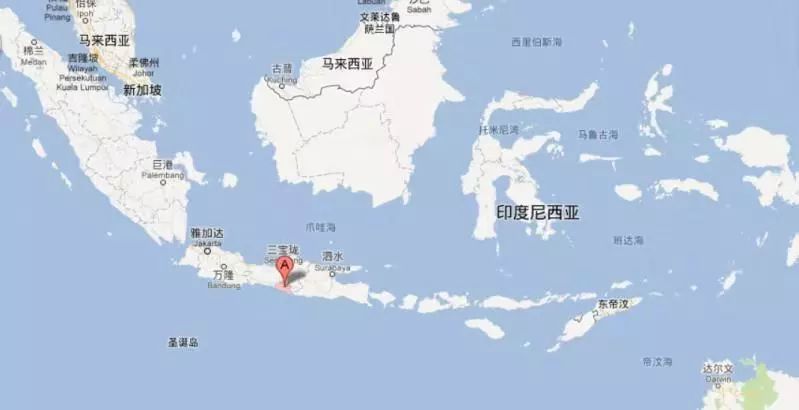
As an important coffee-producing region in Indonesia, Sumatra’s coffee cultivation history dates back to 1696. At that time, the Dutch introduced coffee to Java Island and later expanded to Sumatra, gradually making the island a key hub for Indonesian coffee exports. The name “Mandheling” actually originates from Sumatra. Although it was once mistaken for Robusta, it is actually a high-quality Arabica variety, known especially for its full body, low acidity, and intense aroma.
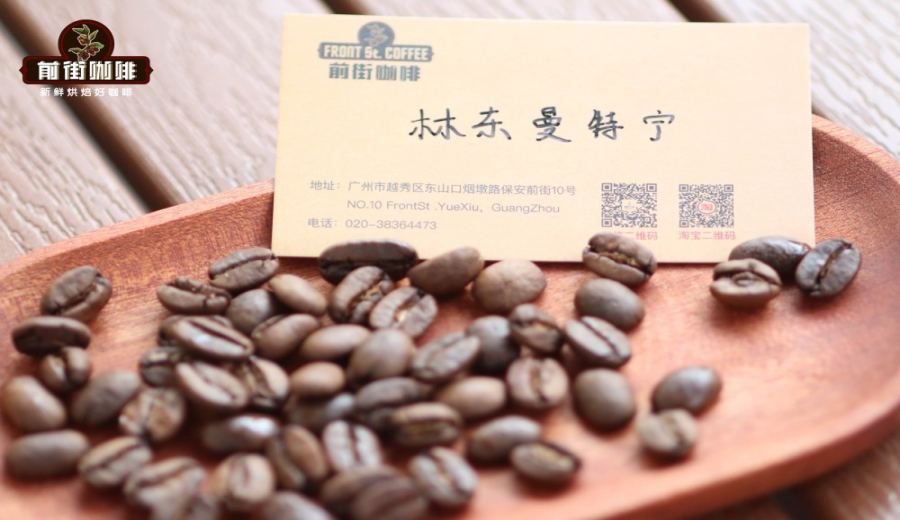
So, what is PWN Golden Mandheling? First, “Golden Mandheling” is not a coffee grade, but a trademark registered by the Indonesian coffee company PWN (N.V. Pawani Medan). Established in 1957, PWN was the first company in Indonesia dedicated to exporting coffee from North Sumatra and played a significant role in promoting the “Mandheling” name internationally, especially enjoying high prestige in the Japanese coffee market. Since 1977, PWN has focused on exporting high-quality Arabica Mandheling and Robusta from Sumatra, with Japan and Chinese Taipei as its primary markets, accounting for over 95%, making “PWN” almost synonymous with quality assurance.
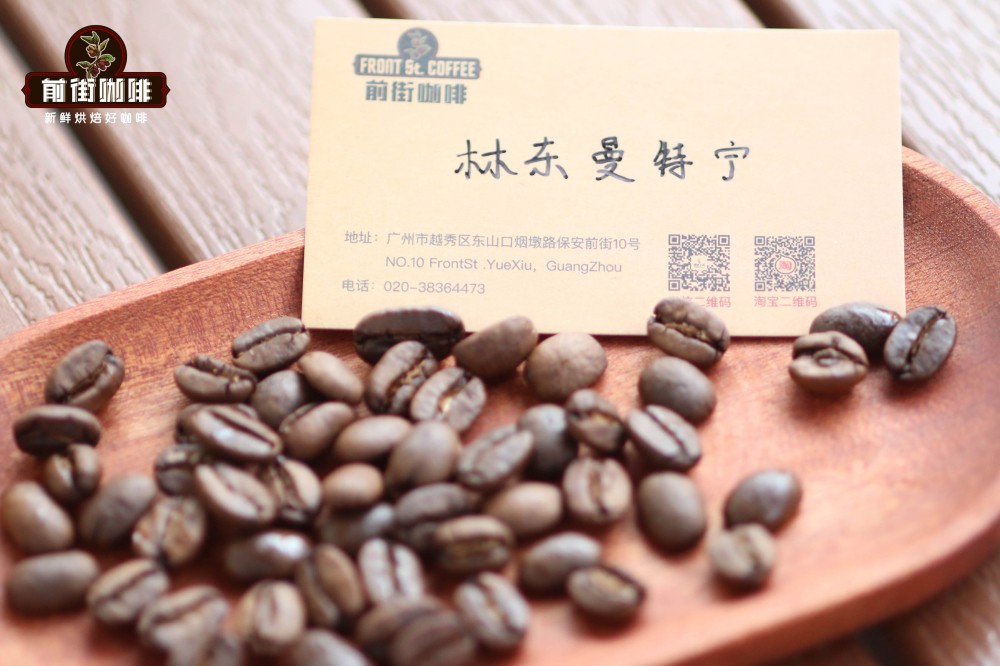
As PWN’s flagship product, Golden Mandheling is in a league of its own compared to regular Mandheling. A certain coffee brand’s offering of PWN Golden Mandheling uses beans sourced from the Gayo Highlands in Aceh, North Sumatra, and the variety is Ateng, which is actually the local term for Catimor. This variety is a hybrid of Arabica and Robusta, known for its strong disease resistance and high yield. Although its flavor is not as delicate as pure Arabica, with proper processing and selection, it can still showcase a rich and bold character.
The Gayo Highlands are located at the northernmost tip of Sumatra, with an average altitude between 1100 and 1600 meters. The geographical environment and microclimate contribute to the unique flavor of the coffee here. Coffee cultivation in this area is mainly concentrated around the town of Takegon and Lake Tawar. In the past, exports were affected by political instability, but in recent years, as the situation has stabilized, the quality of beans from the region has gradually improved, even surpassing the well-known Lintong region. PWN has extremely strict selection criteria for these beans: green beans must be above 19 mesh, with no more than 3 defective beans per 300g sample, meeting the top-tier G1 grade. The beans are uniform in shape and have a dark green color, reflecting the high standards of specialty coffee.
The unique flavor of Golden Mandheling is directly related to the wet-hulled processing method used. Due to Indonesia’s hot and humid climate and limited water resources, farmers developed this efficient processing technique: removing the outer parchment layer before the coffee beans are fully dried, then proceeding with subsequent drying. This method helps retain a fuller body and lower acidity while bringing out intense caramel, nutty, and chocolate-like aromas, creating the signature “bold” style of Mandheling. A certain coffee brand’s PWN Golden Mandheling uses this traditional process to deliver a rich, rounded cup with a sweet aftertaste.
If you want to brew this classic bean at home, here are professional recommendations: since PWN Golden Mandheling is a dark roast, it is recommended to use a water temperature of 88°C to avoid over-extraction and unwanted off-flavors. Using a Kono filter can further extend the contact time between water and coffee grounds, enhancing the body. Specific parameters are as follows: 15g of coffee, a 1:15 coffee-to-water ratio, and a medium-fine grind (approximately 70% through a 20-mesh sieve). Start with a 30-second bloom using 30g of water to release CO₂; then pour in a slow, circular motion until you reach 125g for the first pour, followed by pouring up to 225g before stopping. The total brew time should be around 2 minutes, and you can remove the filter once the dripping finishes.
After brewing, you’ll experience the rich layers of this Golden Mandheling, from intense nutty and caramel aromas to a long-lasting chocolatey finish. The overall profile is balanced and full-bodied, making it a classic Indonesian coffee worth savoring.
Quick tip: For the best flavor, choose freshly roasted coffee beans—the optimal window is within 5 days post-roast. After receiving your beans, it’s recommended to let them rest for 4 to 7 days to allow the flavors to fully develop. If you’ve purchased pre-ground coffee, it’s best to brew it as soon as possible to avoid oxidation affecting the flavor. To fully experience the charm of Golden Mandheling, try the pour over process described above and enjoy the unique character of this classic Indonesian bean.
The above content is compiled by CoffeeHunters, a coffee news website.


