







Introduction:Delve into the development trajectory of Yunnan coffee, from its historical cultivation background to the distribution of major producing regions, with a focus on the unique flavor profiles of the two major varieties: Catimor and Typica. This article systematically reviews Yunnan coffee beans’ processing methods, altitude adaptability, and practical pour over recommendations to help you fully grasp the essence of this locally grown specialty coffee in China.
Yunnan coffee is gradually making its mark in the global specialty coffee market. Although its development timeline is relatively short, it has demonstrated undeniable potential thanks to its superior natural environment and continuous varietal improvement. Particularly noteworthy is a dedicated coffee estate located in Baoshan, where the cultivation and refined processing of the Typica variety have drawn significant attention. The following will detail the evolution of Yunnan coffee cultivation, the characteristics of its main producing regions, the flavor differences between its two flagship varieties, the impact of processing methods on final flavors, and offer practical pour over parameter suggestions.
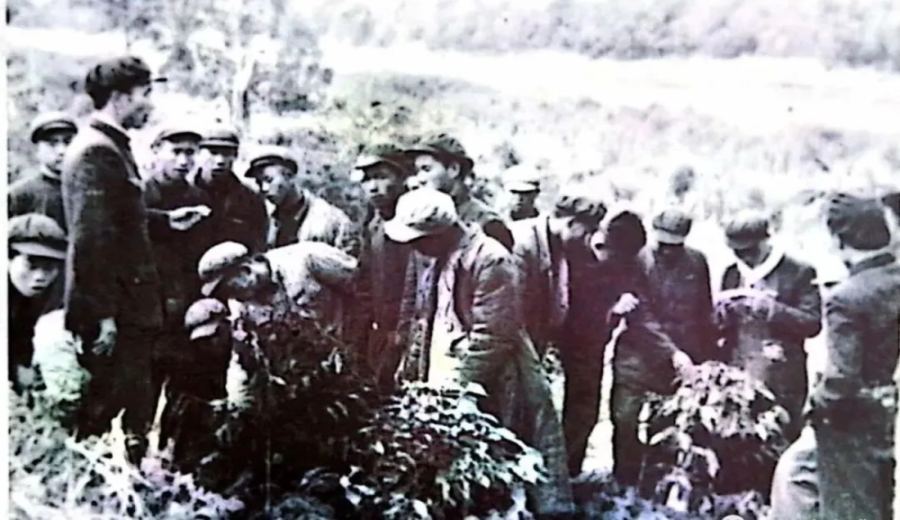
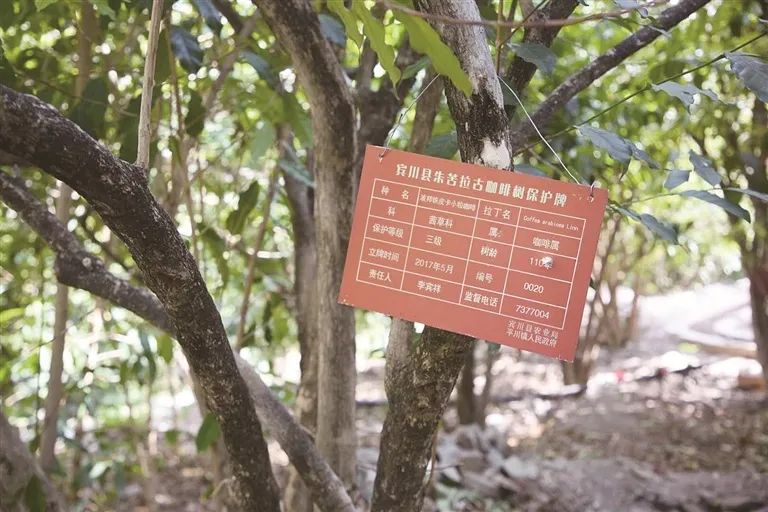
The history of Yunnan coffee cultivation can be traced back to 1904, when French missionary Téodore Monnier (田德能) introduced coffee seeds from abroad and successfully planted the first coffee tree in Zhukula Village, Binchuan County, Dali. This event is regarded as the starting point of Yunnan coffee. Subsequently, in the 1930s, the planting tradition was continued when the renowned overseas Chinese leader Liang Jinshan brought coffee to the Puliang and Luoming areas. By 1952, under the technical guidance of Ma Guojin, an expert from the Baoshan Tropical Economy Research Institute, large-scale coffee cultivation began in regions such as Ludian. The primary variety planted at that time was Typica, and its scaled development has continued for nearly sixty years. In 1992, with the deepening of reform and opening up, foreign enterprises such as Nestlé entered Yunnan and promoted the Catimor variety, which is highly resistant to disease and boasts high yields. Gradually replacing the originally flavorful but disease-prone Typica, Catimor became the market mainstream. To date, Yunnan’s coffee planting area accounts for 70% of the national total, with production exceeding 80%, firmly establishing it as the leading coffee-producing region in China.
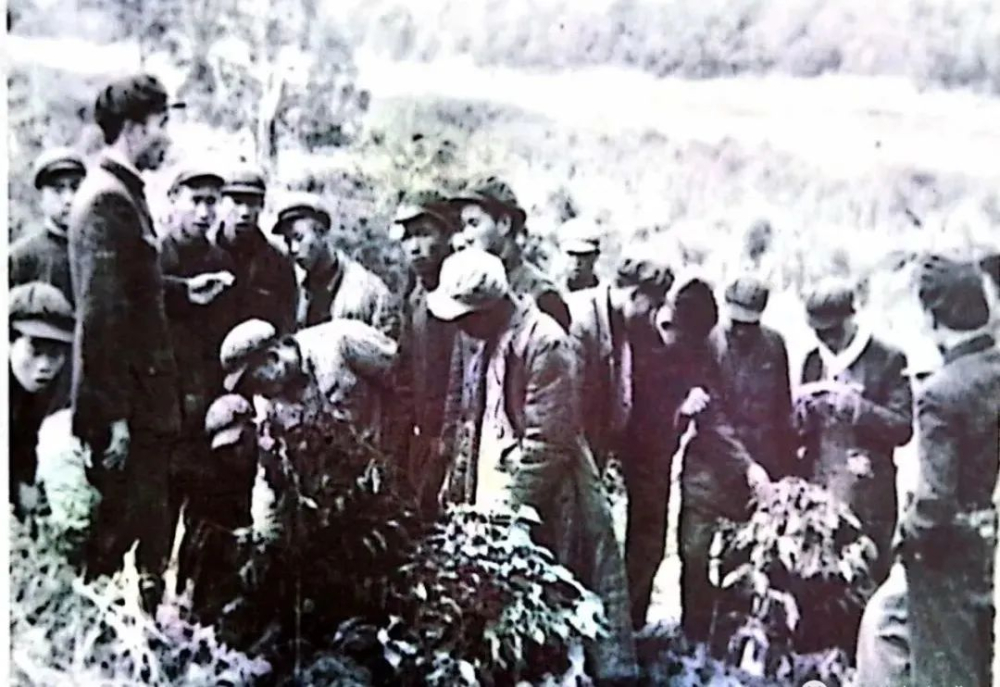
From a geographical perspective, the western and southern parts of Yunnan are located between 15 degrees north latitude and the Tropic of Cancer, with altitudes generally ranging from 1,000 to 2,000 meters. The climate conditions here are exceptionally favorable. The mountainous terrain, abundant sunshine, plentiful rainfall, and significant day-night temperature variations provide an ideal growing environment for Arabica coffee. Currently, the main producing regions include Pu’er, Xishuangbanna, Wenshan, Baoshan, Dehong, and Lincang. Among them, Dehong is hailed as the “Hometown of Chinese Coffee,” with planting altitudes often exceeding 1,000 meters—some reaching above 1,600 meters—and many farms adopting organic farming practices, earning widespread acclaim for their quality. Since the mid-1950s, Baoshan has been cultivating coffee, and the small beans from the Ludian Basin are known for their rich flavors and fruity notes, which have long been favored by markets in Europe, America, and Hong Kong-Macao. In 2010, it was awarded the national geographical indication protection for “Baoshan Small Coffee Beans.” Lincang and Pu’er have also become important coffee-producing areas due to their unique geographical environments and long-standing cultivation histories.
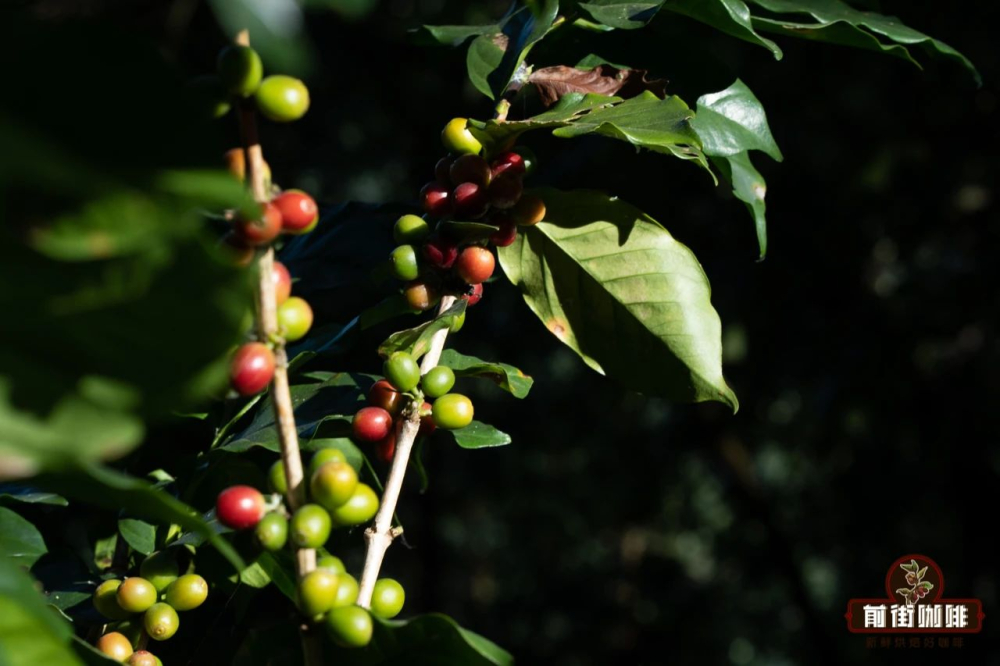
In terms of varieties, the most widely cultivated in Yunnan is Catimor, a hybrid of Arabica and Robusta species containing 25% Robusta genetics. As a result, it is highly resistant to disease, yields abundantly, and has rich crema, but its flavor profile is relatively mild. In contrast, a small number of Typica and Bourbon varieties are still preserved in the Baoshan area. Typica, as the oldest original Arabica variety, offers delicate flavors and high cleanliness, but its plants are more fragile, susceptible to leaf rust, and have limited yield. Bourbon, a mutation of Typica, sees its ripe fruits turn from green to red, and features pronounced wine-like acidity and sweet aftertastes. It is also a low-yield but high-quality variety.
Regarding processing methods, Yunnan coffee has experimented with various techniques, including innovative processes such as anaerobic fermentation. However, the methods that best authentically represent regional and varietal characteristics remain traditional washed and natural (sun-dried) processing. Some producers insist on using these two methods to showcase the most genuine flavor features of Yunnan coffee. The natural (sun-dried) process, also known as the dry process, requires continuous sunny days for 27 to 30 days of drying, preserving more fruit pulp flavors and resulting in a richer, more intense cup. The washed process, which involves removing the pulp through fermentation, delivers a cleaner, brighter acidity and a crisp mouthfeel, serving as an essential entry point for understanding regional flavor profiles. Generally, washed coffee is better suited for consumers trying Yunnan-origin coffee for the first time, as it allows for clearer identification of its unique regional characteristics.
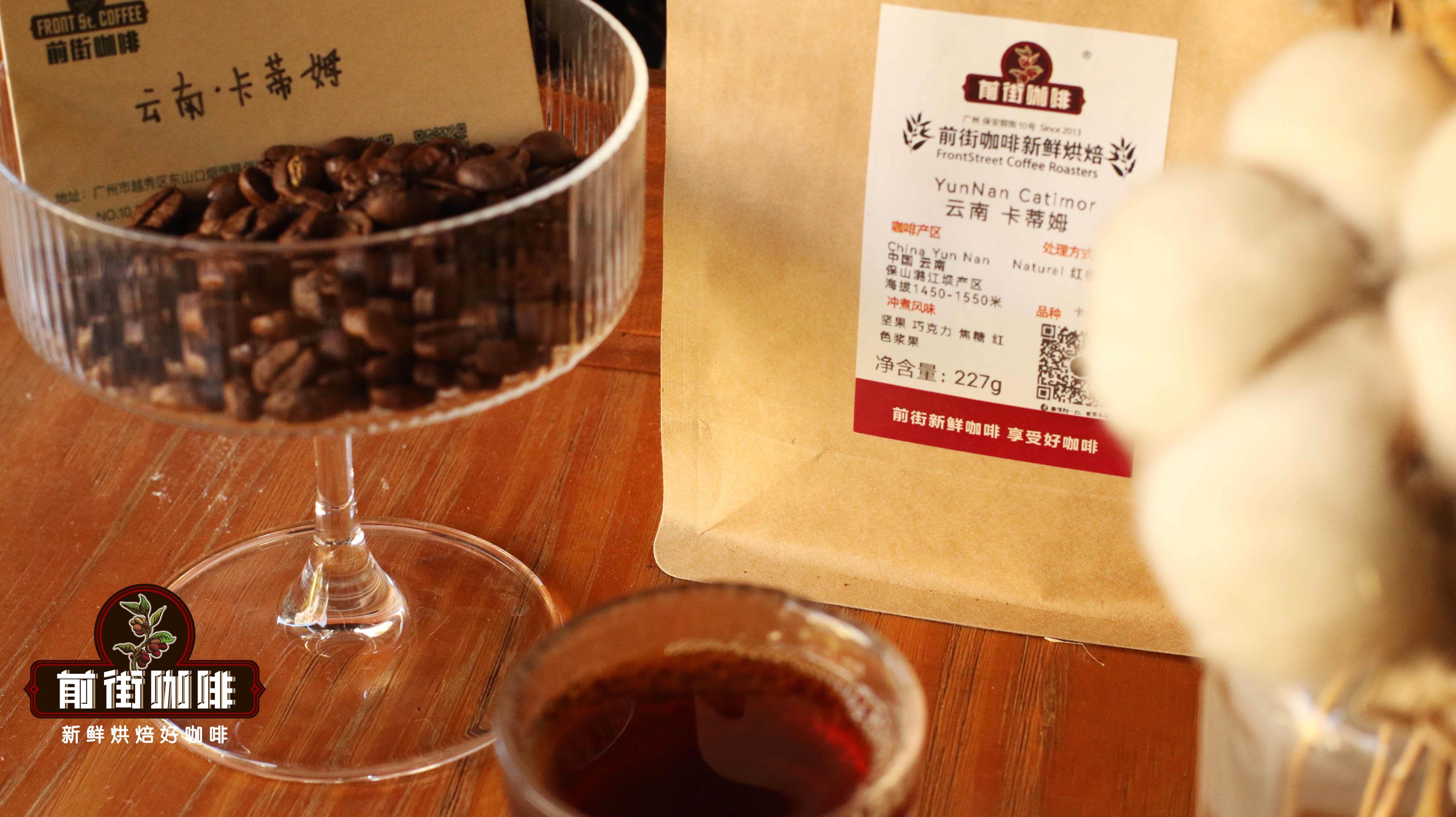
For different varieties, some merchants offer several representative coffee bean products. For example, one product sourced from Lincang at an altitude of 1,300 meters uses the ancient Typica variety, combined with organic fertilizer management and a pristine forest environment. Its flavors showcase plum, melon, brown sugar, and black tea notes, making it ideal for coffee lovers who enjoy fruity and tea-like profiles. Another is a washed Catimor from the Baoshan region, with flavors dominated by herbal, nutty, chocolate, and caramel notes, suitable for everyday drinking. Additionally, there is a product from Baoshan at an altitude of 1,450–1,550 meters, processed with red cherry natural (sun-dried) method, offering caramel, dried fruit, cocoa, dark chocolate, and herbal woody tones, perfect for those who prefer bold flavors.
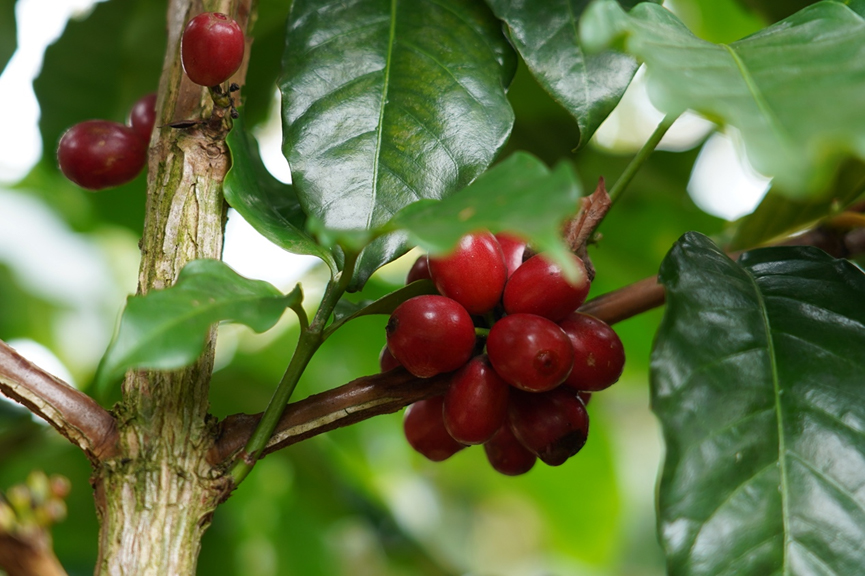
If you choose to pour over this 2013 Typica coffee bean, it is recommended to use a V60 dripper, with water temperature controlled at 90°C, a coffee-to-water ratio of 1:15, and a grind size of medium-fine (approximately 75% passing through a Chinese standard No. 20 sieve). Specifically, start with a 30g bloom for 30 seconds, then pour in a slow circular motion until reaching 124g for the first pour. After the water level drops, continue pouring to 227g, with a total extraction time of about 2 minutes. These parameters will fully highlight the Typica bean’s floral aroma, melon sweetness, and tea-like finish. Maintaining even pouring and stable water temperature helps improve extraction consistency.
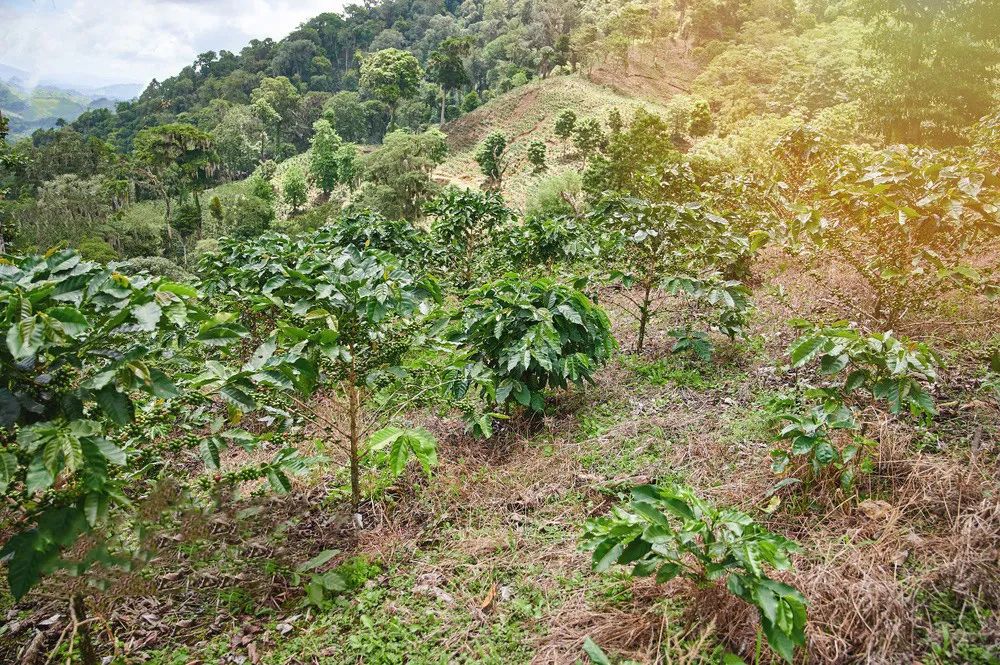
In summary, from the early Typica to today’s dominant Catimor, the evolution of varieties and processing techniques has created a diverse range of flavor expressions. Understanding the altitude, climate, and processing characteristics of each producing region will help you more deeply appreciate the unique charm of this locally grown Chinese specialty coffee. Whether you are just starting out or seeking specific flavor profiles, Yunnan coffee offers a wealth of choices and delightful surprises.
The above content is compiled by CoffeeHunters, a coffee news website.


