







Introduction:An in-depth exploration of washed-process coffees from Ethiopia’s two renowned regions—Yirgacheffe and Kochere. From regional history and varietal characteristics to the details of washed processing, we analyze the unique flavor origins of their citrus, floral, and honeyed sweetness. Practical pour-over brewing tips are also provided, including grind size, water temperature, brew ratio, and stage extraction techniques, to help you achieve a clean and bright cup.
Yirgacheffe and Kochere are often regarded as the twin jewels of Ethiopia’s specialty coffee. Since the introduction of washed processing in the 1970s, these two highland regions in the south have, through refined processing techniques and unique microclimates, produced coffees with notes of citrus, lemony freshness, and delicate jasmine. Kochere, in particular, has made significant progress in recent years in micro-region tracking and refined grading, becoming a high-value choice for many pour-over enthusiasts.
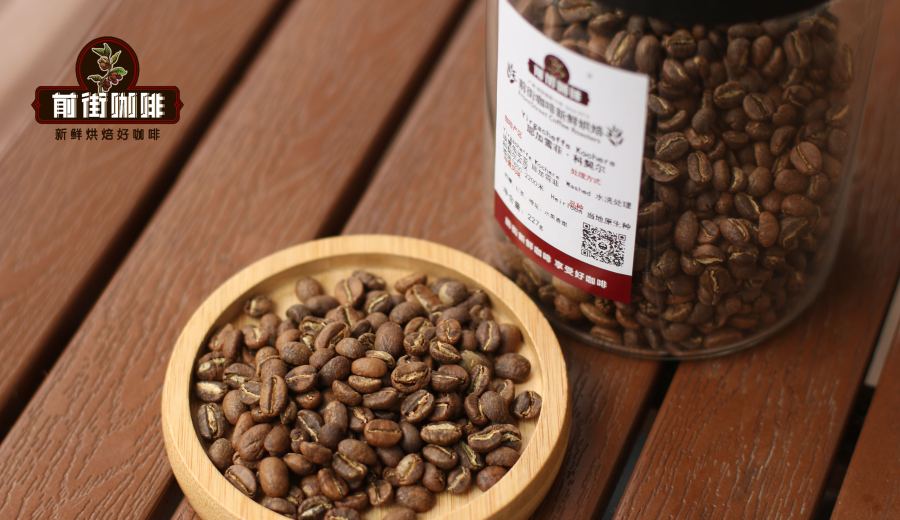
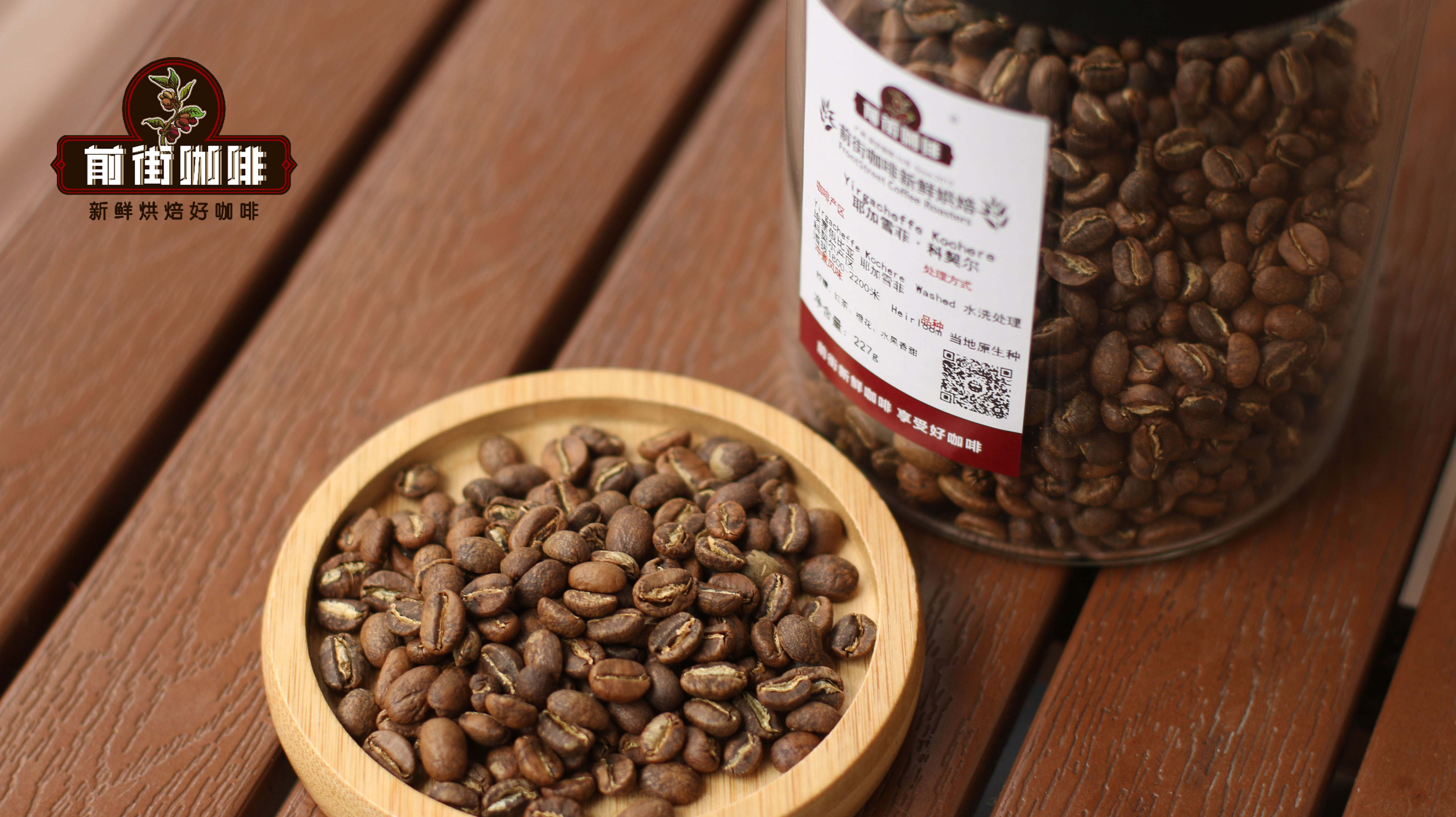
A certain coffee brand’s selection of washed Kochere beans, using medium-light roasting and V60 filter brewing with staged extraction, clearly showcases a honey-like sweetness and a smooth oolong tea-like aftertaste. This article will comprehensively explore the charm of washed coffees from these two regions—from regional background, varietal features, processing methods, to practical brewing advice and parameter settings.
The name Yirgacheffe originates from a small town in the Gedeo zone of southwestern Ethiopia, administratively part of the Sidama region. Before the mid-20th century, like neighboring towns, the area primarily used traditional sun-drying methods to process coffee, and had not yet developed the distinctive flavor profile it is now famous for.
The change began in the 1970s. At that time, Yirgacheffe established the first washed coffee processing station in the Sidama region and introduced washed processing technology and equipment originating from Latin America. This move significantly improved the quality of green coffee beans and also unlocked more recognizable flavors—bright and fresh citrus and lemon aromas, paired with a clear acidity and clean mouthfeel, allowing Yirgacheffe to stand out and become a classic sought after by global specialty coffee lovers.
To promote the standardization and branding of the coffee industry, the Ethiopian government registered the flavor profiles of the Yirgacheffe (Yirgacheffe®), Sidamo, and Harar regions as commercial trademarks in 2004, and established the Ethiopian Commodity Exchange (ECX) in 2008, incorporating coffee into an auction system. Through a strict grading and flavor classification system, it ensures that each batch of exported coffee reflects the typical characteristics of its region.
In the ECX classification standards, the so-called "Yirgacheffe flavor" refers to aromas of citrus (such as lemon, orange) and flowers (especially jasmine), with a bright and clean acidity, a vibrant taste, and a clean cup without impurities. Many coffee enthusiasts describe a high-quality Yirgacheffe as tasting more like a colorful fruit tea than traditional coffee.
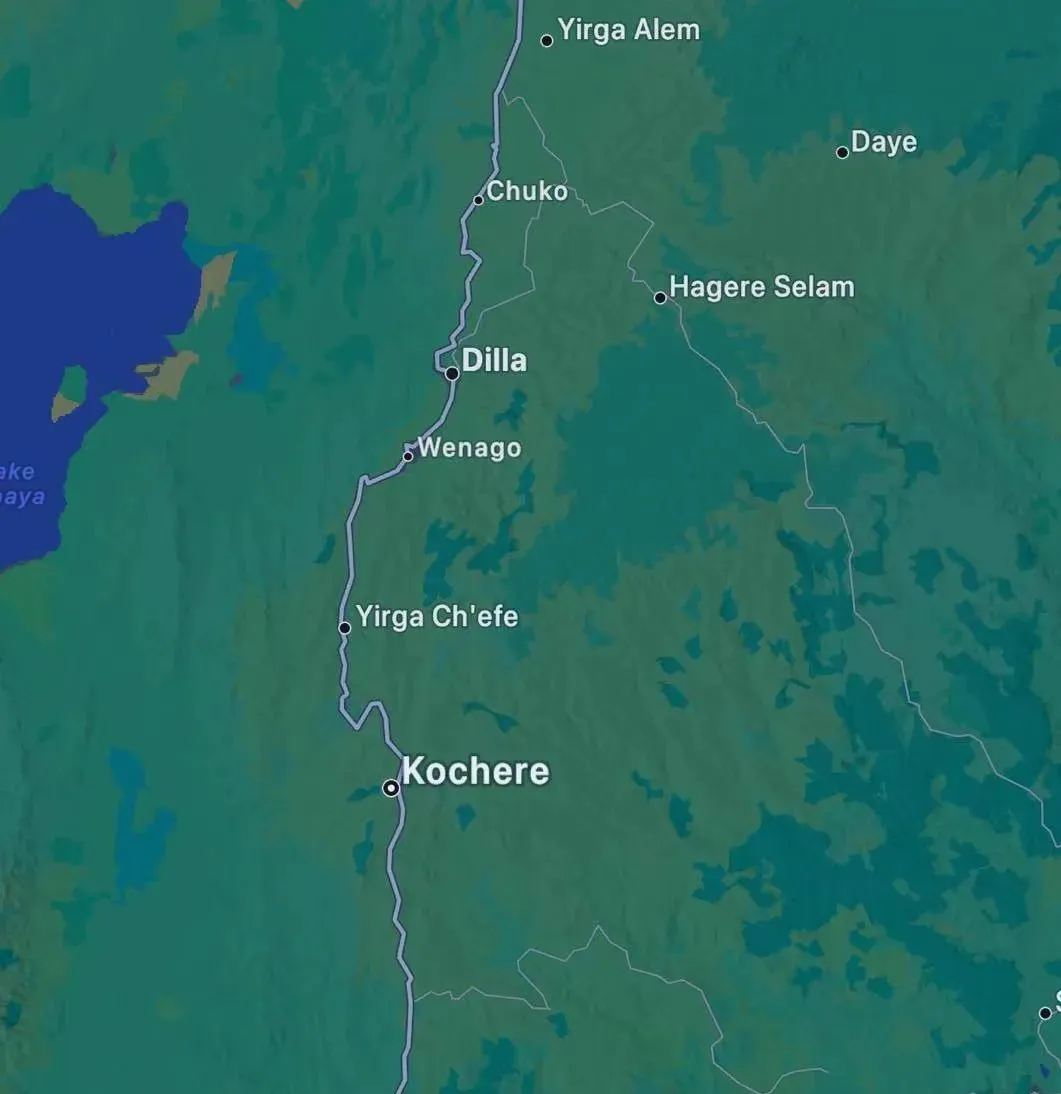
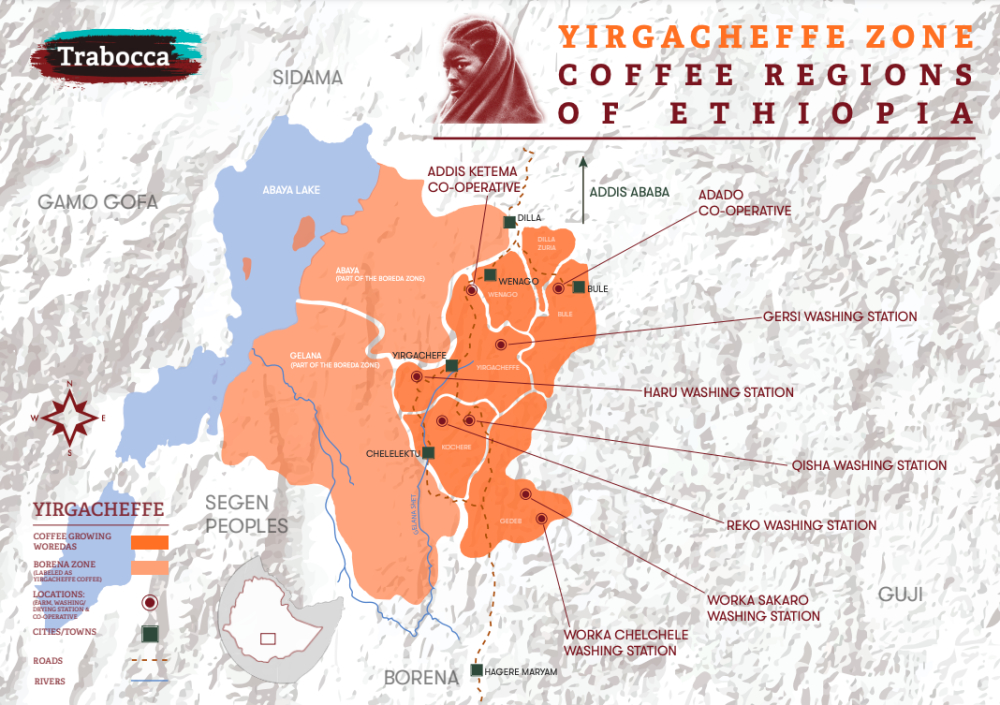
In addition to the town of Yirgacheffe itself, the ECX also includes coffees from surrounding small regions such as Wenago, Gelena Abaya, and Kochere under the Yirgacheffe flavor system, due to their highly similar flavor profiles.
The Gedeo zone where Yirgacheffe is located is one of the highest-altitude coffee-growing regions in the world, mainly distributed between 1100 and 2300 meters above sea level. The soil here is deep, well-drained, and slightly acidic red earth, with some areas being humus-rich loam, making it very suitable for coffee tree growth. In addition, the region is located on a tropical plateau, with cool weather and large day-night temperature variations, which helps coffee cherries ripen slowly and accumulate richer flavor compounds.
Kochere is a small town located about 25 kilometers southeast of Yirgacheffe, administratively part of one of the 77 Woredas (districts) under the Southern Nations, Nationalities, and Peoples' Region (SNNPR), and is also an important part of the Gedeo zone. Kochere coffee, with its rich floral and fruity character and outstanding processing quality, has gradually emerged in the international market and is regarded as an elite within the Yirgacheffe flavor system.
According to records from the renowned review website Coffee Review, washed coffees from the Kochere region have received scores as high as 94, demonstrating the consistency and excellence of their quality. In addition, Kochere can be further subdivided into multiple micro-regions, such as Chelelektu, Teklu Dembel, and Banko Gutiti. Some batches can even be traced back to specific processing mills or villages, aligning with the current specialty coffee trend emphasizing “traceability.”
Since batches from subdivided regions or processing mills are usually smaller in scale, they tend to have higher flavor consistency and rarity, and thus are relatively more expensive, but they offer coffee enthusiasts a more refined and terroir-specific taste experience.
As a genetic treasure trove of coffee, Ethiopia is home to a large number of uncategorized native varieties, collectively referred to as Heirloom. In Kochere and Yirgacheffe, farmers often intercrop various coffee trees with other cash crops, and harvest them together without selecting for individual varieties. These coffee cherries from different farmers and growing environments are eventually sent to cooperative washing stations, processed together, and exported under the Heirloom designation.
Heirloom is not a single variety, but rather a collective term for all traditionally cultivated, non-commercially classified coffee varieties in the region. Precisely because each batch may contain dozens or even hundreds of genetically different coffee trees, the flavor profiles of Kochere and Yirgacheffe coffees are full of variation and surprise, but this also results in less uniform bean size and appearance, making them typical “blended lots.”
Coffee processing in the Kochere region mainly uses the washed method. The main harvest season is from November to December each year. Local farmers generally use traditional, pesticide-free farming methods, and most coffee farms are organically managed—even if they may not hold organic certification, ensuring the beans are inherently clean and low in contaminants.
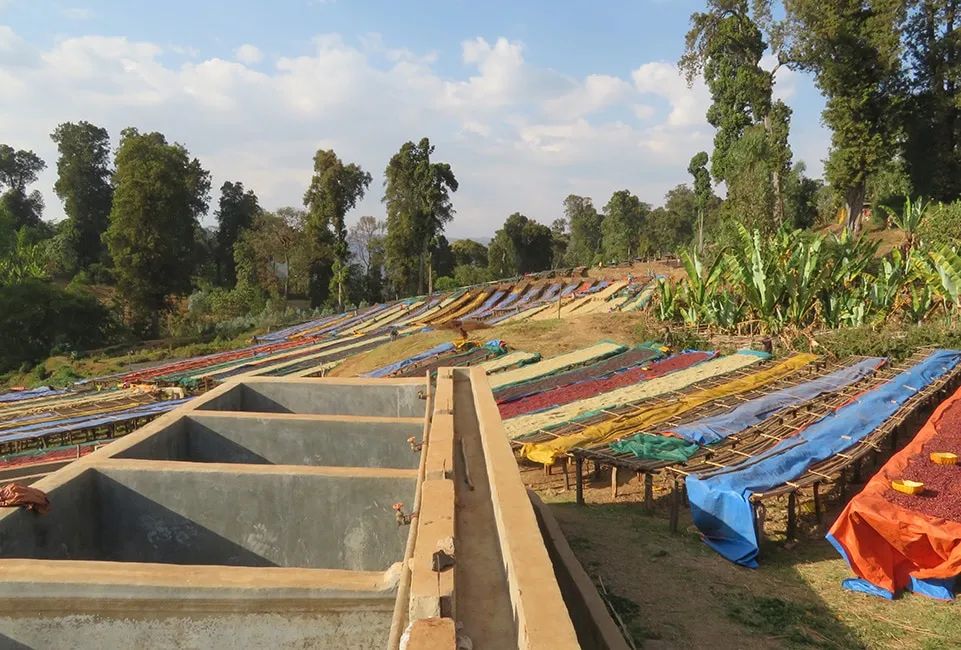
During the washed processing, farmers first remove the coffee cherry stems, then use a pulper to remove the outer skin and part of the pulp. The mucilage-covered beans are then soaked in water for fermentation, typically lasting between 18 to 36 hours. After fermentation, the beans are thoroughly washed with clean water to remove any remaining mucilage. Finally, the parchment-covered beans are evenly spread on raised beds or dried using machines until the moisture content is reduced to around 12%, after which the parchment is removed, completing the process.
The washed Kochere beans introduced by a certain coffee brand are processed using this traditional method, resulting in their bright acidity, honey-like sweetness, and refreshing floral characteristics.
In terms of roasting and pour-over parameters, since Kochere and Yirgacheffe coffee beans are generally suited to acid-forward flavor profiles, a certain coffee brand typically uses medium-light roasting. For example, light roasting preserves more white floral and fruity acidity, while medium-light roasting balances acidity, sweetness, and body, suitable for showcasing an oolong tea-like finish.
It is recommended to use a V60 filter for pour-over brewing, with the water temperature set to91°C, to fully highlight the citrus and floral components. The recommended grind size ismedium-fine (approximately 80% passing through a Chinese No. 20 sieve)—too coarse may lead to under-extraction and weak flavors, while too fine may cause over-extraction and bitterness at high temperatures.
In practice, you can use the following staged extraction parameters: coffee dose15 grams, brew ratio1:15. The first step is the bloom, pouring30 grams of waterto evenly wet the coffee grounds and form a “bun” shape, with a bloom time of30 seconds; the second step is to pour1 minute 00 seconds, waiting until the water level drops to two-thirds of the coffee bed before continuing; the third step is to pour125 grams of waterat1 minute 40 seconds, keeping the total brew time within225 grams of waterat1 minute 59 seconds, with the entire process taking approximately2 minutes. After brewing, it is recommended to gently swirl the coffee before drinking to achieve a more balanced flavor.
The flavor profiles of Kochere and Yirgacheffe washed coffees typically includelemon, orange, jasmine, honey, and cane sugar, delivering a clean and refreshing cup with a honey-sweet aftertaste and a soft oolong tea-like finish, making them highly suitable for pour-over enthusiasts who enjoy bright acidity and fruity-floral notes.
One key to brewing high-quality coffee is the freshness of the beans. It is recommended to choose beans shipped within 5 days of roasting, and allow the beans to rest for a4 to 7 daysde-gassing period after arrival. Once the CO₂ has sufficiently dissipated, the flavors will reach their optimal state.
If purchasing pre-ground coffee, although there’s no need for a de-gassing period, ground coffee has a larger surface area exposed to air, leading to quicker flavor loss. It is advised to brew it as soon as possible. For the fullest and most layered flavor experience, however, it is still recommended to purchase whole beans and grind them fresh before brewing, in order to truly appreciate the essence of Kochere and Yirgacheffe washed coffees.
The above content is compiled by CoffeeHunters, a coffee news website.


