








Introduction:There are over five thousand coffee varieties in the world, among which Arabica dominates the mainstream market and is further divided into well-known cultivars such as Typica, Bourbon, Pacas, and Catimor. Understanding the origins and flavor characteristics of these varieties can help consumers choose coffee beans that suit their personal taste preferences. This article will delve into the historical background, cultivation traits, and typical flavor profiles of these classic cultivars, supplemented with real-world regional examples to help readers grasp the connection between coffee varieties and flavors from the ground up.
The variety of coffees available on the market can be overwhelming. There are currently more than five hundred known species of coffee plants, and if including all kinds of varieties, the total number exceeds six thousand. For general consumers, getting to know the main Arabica species and its representative cultivars is the first step into the world of specialty coffee. This article will systematically guide you through the historical origins and flavor differences of common cultivars such as Typica, Bourbon, Pacas, and Catimor.

In everyday coffee consumption, the vast majority comes from one of the three original species: Arabica. Compared to Robusta, which is commonly used in instant coffee or commercial beans, and the extremely rare Liberica, Arabica is beloved for its elegant aroma and complex flavors. Within Arabica, there are several classic cultivar branches, among which Typica is one of the oldest cultivars still in existence.
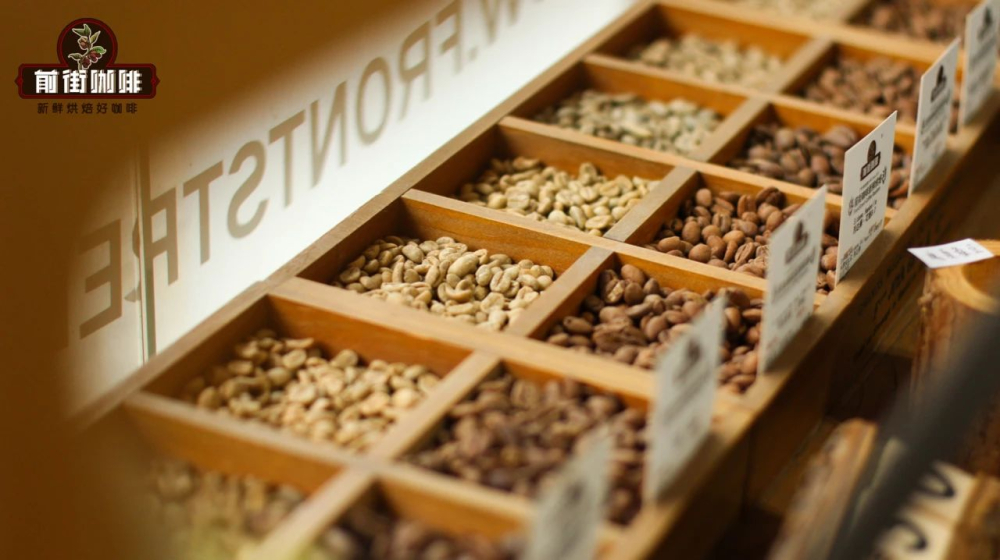
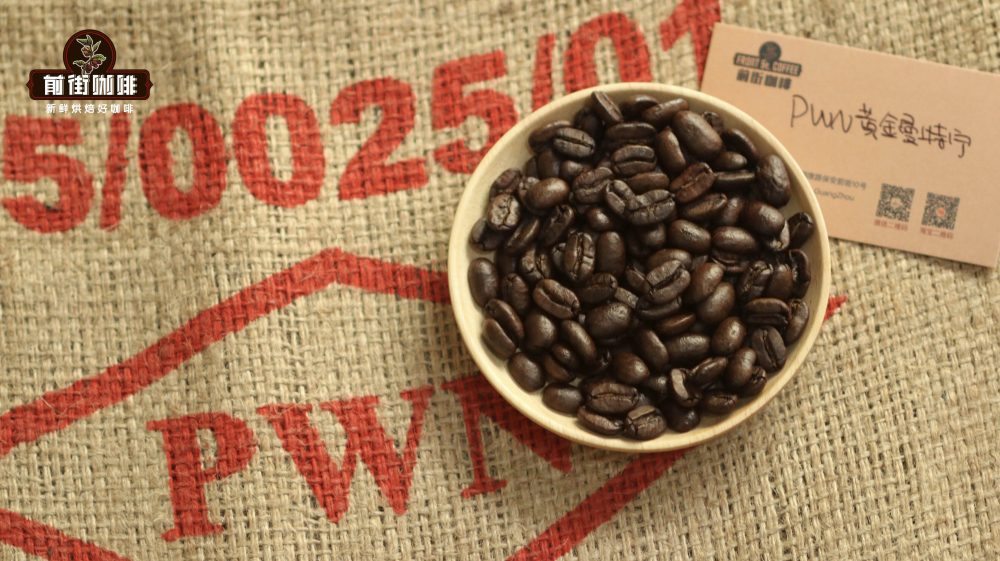
Typica originated on the island of Martinique in the Caribbean. Its beans are long and slender, with a naturally sweet profile. However, due to its ancient lineage, Typica has relatively weak resistance to pests and diseases and yields are low, so it is mainly grown in high-altitude regions with ideal climatic conditions. Interestingly, depending on the planting location, Typica gradually develops regional variations. For example, in Indonesia, Typica evolved into the distinctive Mandheling cultivar. Indonesian Mandheling coffees, including Lintong Mandheling, Golden Mandheling, and Tiger Mandheling, all exhibit rich and full-bodied characteristics. Among them, Golden Mandheling is particularly renowned for its delicate sweetness, soft acidity, and clear layering.
Another ancient cultivar on par with Typica is Bourbon. Bourbon is considered a natural mutation of Typica, with slightly rounder beans and flavors that often feature more pronounced sweetness and fruity notes. There are many types of Bourbon, among which Red Bourbon and Yellow Bourbon are the most common. A product featuring Brazilian Red Fruit coffee is a bean variety primarily based on Red Bourbon, showcasing a strong profile of nuts and chocolate, along with creamy and peanut-like sweet aromas.
Yellow Bourbon is a variety developed in places like Brazil, characterized by its ability to adapt to high-altitude environments and to present a good balance of acidity and sweetness through natural sun-dried processing. The Yellow Bourbon produced by Brazil’s Queen Estate demonstrates a perfect blend of mellow nutty tones and soft acidity.
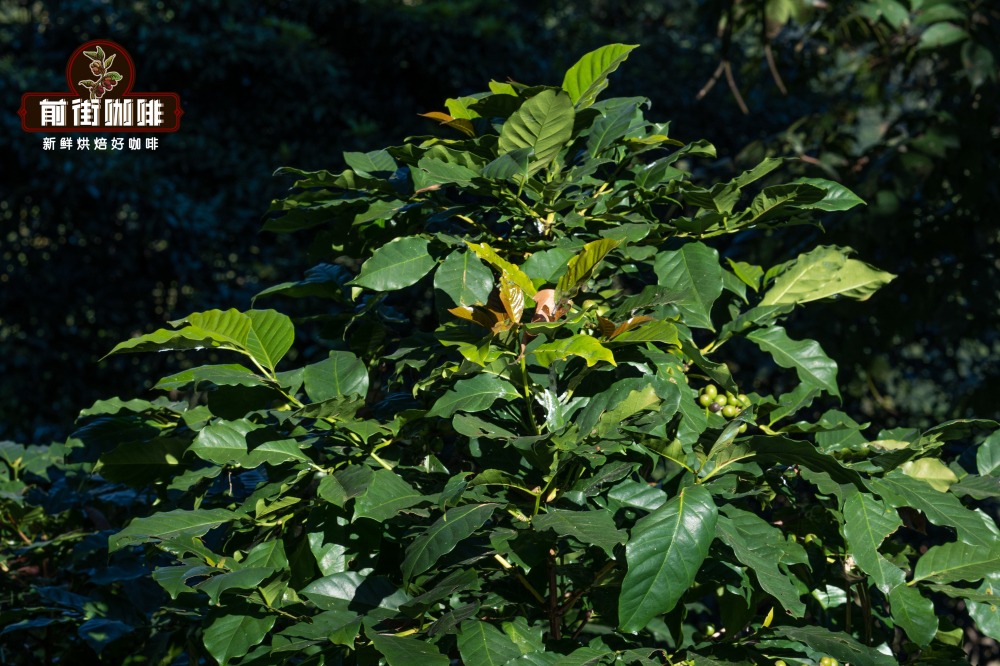
Among the derivatives of Bourbon, Pink Bourbon is a relatively rare variety. This cultivar’s coffee cherries display an enchanting pink color and result from a cross between Red Bourbon and Yellow Bourbon. Pink Bourbon was first planted in the Huila region of Colombia, typically harvested and processed individually to preserve its unique berry and fruit aromas. After cooling, it often leaves a honey-like aftertaste with a clean and smooth mouthfeel.
Continuing to explore other important cultivars, Pacas is a natural hybrid originating in El Salvador and later introduced to Honduras. This cultivar is known for its bright floral aromas and rich body. In a certain brand’s Honduran Sherry coffee, Pacas is interplanted with varieties such as Caturra and Catuai, and undergoes whiskey sherry barrel fermentation, adding extra layers of vanilla, nuttiness, and wine-like notes to the coffee.
As for Catimor, it is a hybrid offspring of Arabica and Robusta, mainly resulting from a cross between Caturra and Timor (a mutant of Typica). This cultivar combines the aromatic traits of Arabica with the robust adaptability of Robusta. It has high disease resistance and stable yields, making it widely cultivated in Southeast Asia and Yunnan, China. Yunnan Catimor coffee, when processed using natural (sun-dried) methods, often exhibits aromas of nuts, spices, and chocolate; whereas when processed via washed methods, its caramel-like sweetness becomes more prominent, making it suitable for consumers who prefer a mellow taste.
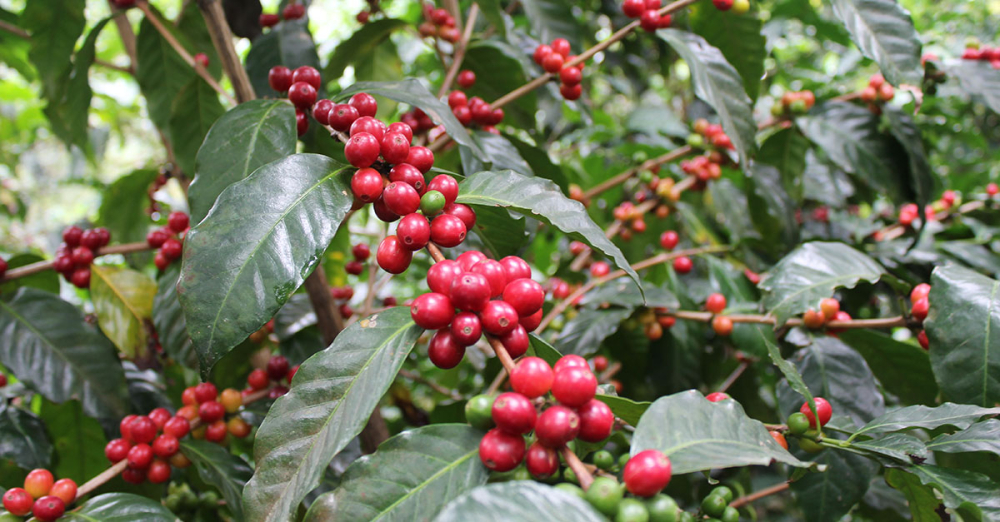
In summary, from Typica to Catimor, each coffee cultivar has its own unique historical background, cultivation conditions, and flavor expression. Understanding these differences not only helps consumers make more precise choices based on personal taste but also allows for a deeper appreciation of the agricultural wisdom and regional characteristics behind coffee.
The above content is compiled by CoffeeHunters, a coffee news website.


