







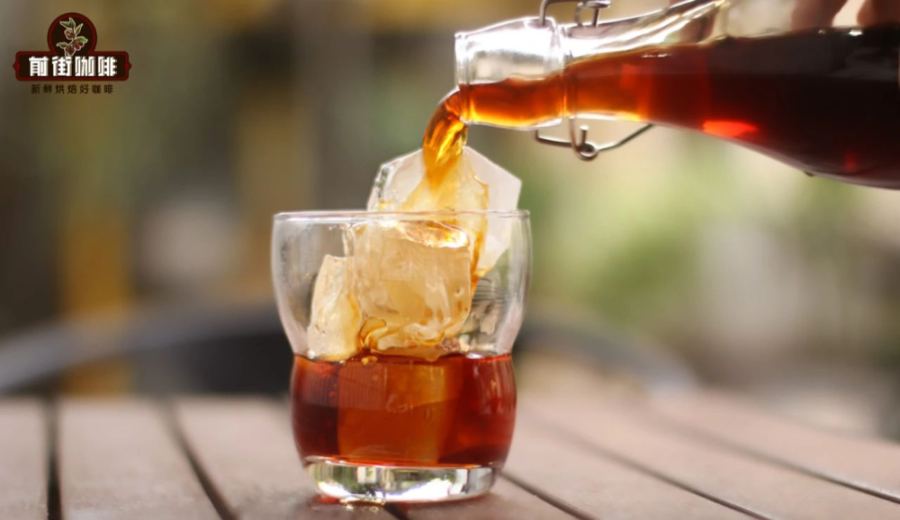
Introduction:Cold brew coffee is an excellent choice for beating the summer heat. Not only is it easy to make, but it also highlights the balanced acidity and sweetness of coffee. This article delves into the extraction principles of cold brew, covering everything from the types of coffee beans suited for cold brewing, the ideal coffee-to-water ratio and grind size, to the optimal steeping time and shelf life. We also recommend a variety of beans with distinct flavor profiles, helping you easily make a refreshing and flavorful cold brew at home.
On a hot summer day, a cool and smooth cup of cold brew coffee becomes a lifesaver for many coffee enthusiasts. It not only cools you down but has also gained widespread popularity in recent years due to its low bitterness and well-balanced flavor. This article will take you through the basic principles to understand why cold brew offers a smooth and complex taste, and will detail how to make a stable and delicious cold brew at home—including key factors such as bean selection, coffee-to-water ratio, grind size, and steeping time. Finally, we also provide practical bean recommendations to help you avoid common pitfalls.
Cold brew refers to the process of steeping coffee grounds in cold water (typically between 4–10°C) for an extended period, then filtering out the grounds to obtain the coffee liquid. Compared to traditional hot brewing methods, the extraction rate in cold brew is significantly slower, especially for large molecules that often cause bitterness and astringency, which are less likely to be released. Instead, compounds such as sugars and organic acids—responsible for sweetness and bright acidity—are more easily dissolved. This results in a more balanced overall flavor, a smoother mouthfeel, and a clean, refreshing aftertaste.
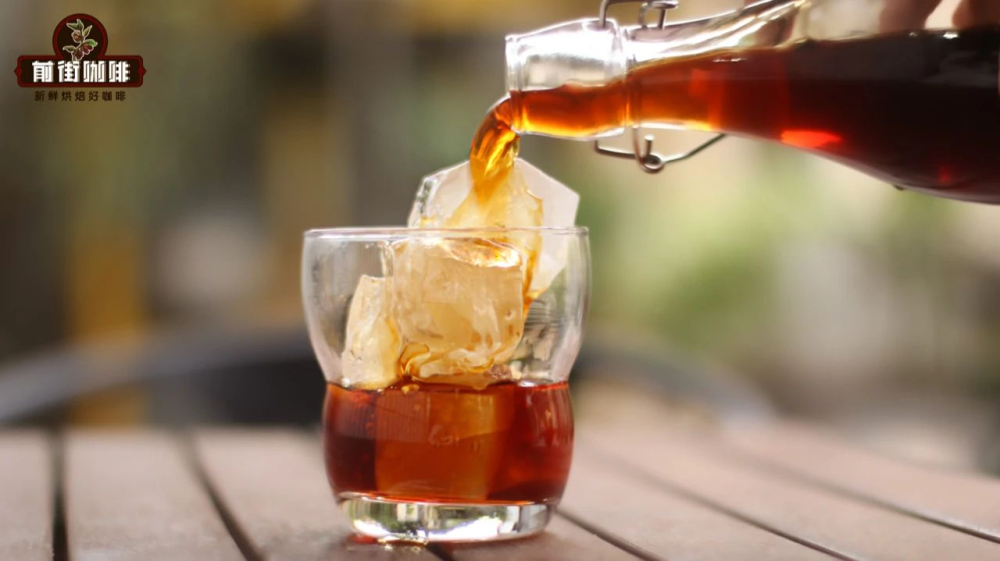
Not all coffee beans are suitable for cold brew, but in practice, most single-origin beans suitable for pour over can be tried. Dark roasted beans often exhibit intense caramelized aromas and rich, sweet finishes when brewed hot, but when cold brewed, they can highlight a caramel-like sweetness and a sturdy woody character—classic dark roasts are recommended for this. If you prefer a bright, fruity profile, light to medium roasted washed beans are a great choice, offering a juice-like freshness. Additionally, for more unique flavor experiences, you might explore beans that have undergone wine barrel aging or honey processing, which often showcase more pronounced fruitiness and wine-like notes. For those who prefer less acidity, Papua New Guinea’s Bird of Paradise is also worth trying, showcasing the pure essence of coffee.
When making cold brew, the coffee-to-water ratio is one of the key factors influencing flavor and strength. Many people, for convenience, simply mix coffee grounds with water and steep them, overlooking the importance of the ratio, which can lead to inconsistent extraction. It is recommended to control the coffee-to-water ratio within1:10 to 1:13, meaning using 10 to 13 milliliters of water per 1 gram of coffee grounds. This range balances flavor extraction and smooth mouthfeel. If the final brew turns out too strong, you can adjust by adding ice cubes. A consistent ratio is an important foundation for achieving uniform flavor.
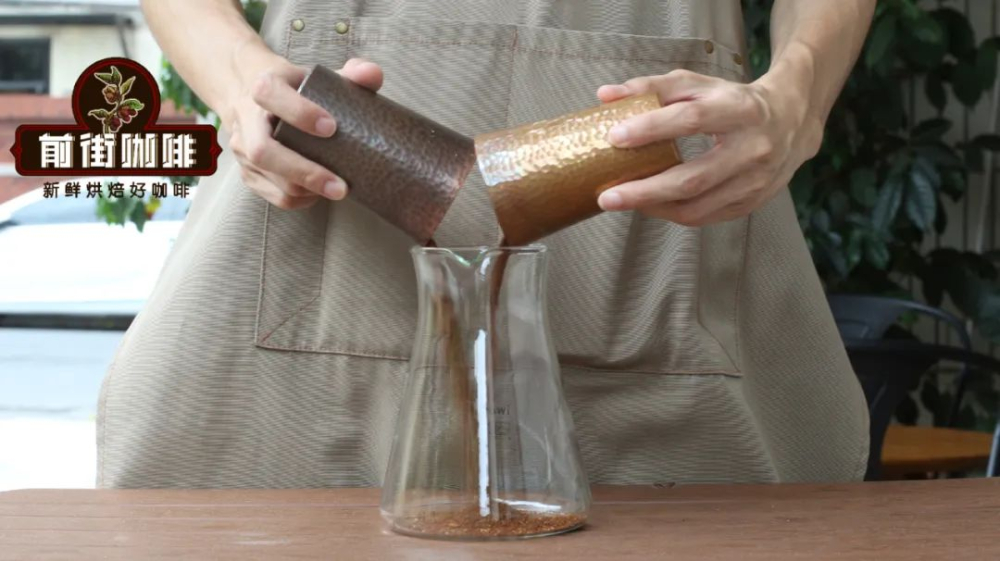
The combination of grind size and steeping time is another key factor in the success of cold brew. Since cold brew uses only cold water, the temperature cannot accelerate extraction, so adjustments must be made through grind fineness and steeping duration. Generally,the finer the grind, the faster flavors are extracted, but over-extraction can easily lead to bitterness and a gritty mouthfeel. Conversely, a grind that is too coarse may result in under-extraction and a flat flavor. In practice, it is recommended to use a grind size similar to that of fine sugar, with a 20-mesh sieve passing rate of about 70%–85%, which achieves a more balanced extraction.The steeping time is generally recommended to be 8 to 24 hours. If the grind is finer, the time should be appropriately shortened; if coarser, the steeping time can be extended. A common mistake is using a very fine grind without adjusting the time accordingly, which can lead to unpleasant woody or hay-like bitter notes. It is recommended to start the brewing process the night before, allowing it to steep in the refrigerator overnight, then filter it the next day for a rounder flavor.
After extraction, it is recommended to store the cold brew in the refrigerator. Be aware that over time, the cold brew may gradually develop fermented notes, which can affect the purity of the overall flavor. Whether it's cold brew or ice drip,it is recommended to consume within 3 daysto enjoy the best flavor experience and ensure food safety. While it may not necessarily spoil after 3 days, the flavor often declines noticeably, so it’s best to enjoy it as soon as possible to savor the most captivating layers and refreshing qualities of cold brew coffee.
The above content is compiled by CoffeeHunters, a coffee news website.


