







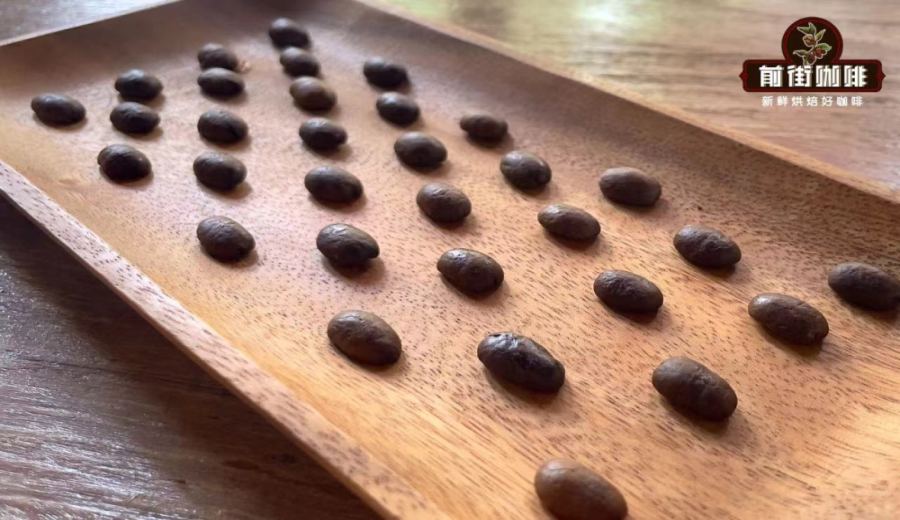
Introduction:Dive into the origins of the name "Mandheling" coffee, explore the unique trademark background and premium characteristics of Golden Mandheling. This article details practical brewing parameters used by a well-known coffee brand for Golden Mandheling, including equipment, water temperature, grind size, and a three-stage pouring technique, helping you brew this classic Sumatran coffee with rich body and chocolate notes at home.
Mandheling is arguably one of the most representative types of coffee from Indonesia and is often seen as a symbol of the country’s coffee quality. Many coffee enthusiasts are drawn to its bold, full-bodied taste and chocolatey, nutty notes. However, the origin of the name "Mandheling" has an unexpectedly interesting historical anecdote.
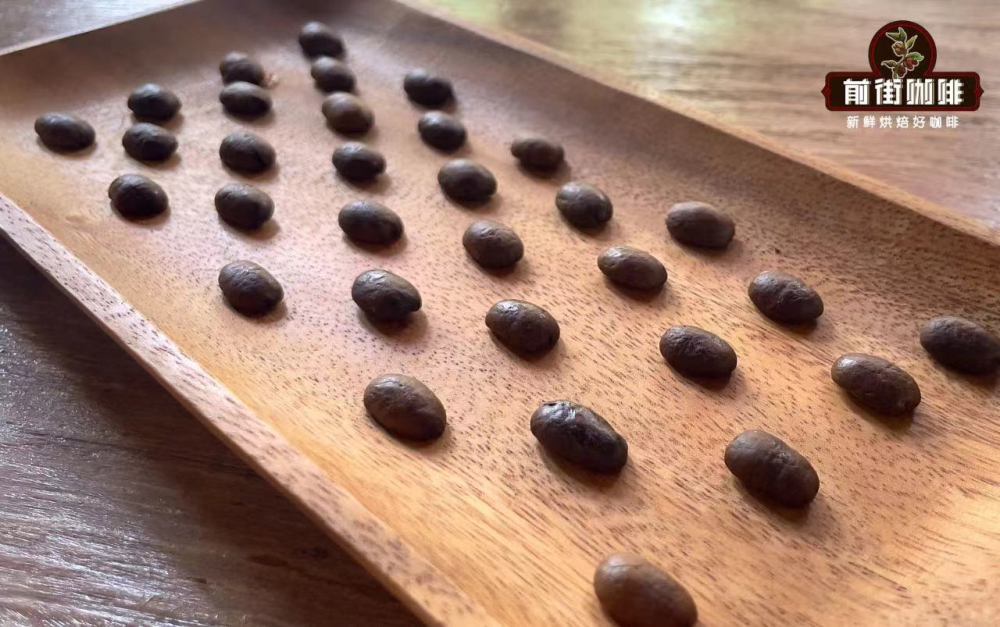
In fact, the term "Mandheling" comes from the Mandailing ethnic group in Sumatra, Indonesia, and was a name misunderstood by a Japanese soldier during World War II. It’s said that while tasting a rich cup of coffee at a café, he curiously asked its name, but the shop owner, thinking he was asking where he was from, answered "Mandheling." After the war, the soldier recalled that unforgettable coffee and imported 15 tons of it to Japan through an Indonesian coffee trader. Since then, the term "Mandheling" gradually became widely known and came to represent high-quality Indonesian coffee.
Mandheling coffee is renowned for its full body, low acidity, yet lively mild acidity and intense aroma, accompanied by unique earthy and herbal notes that add depth to the overall flavor. This dark-roast style coffee often leaves a memorable aftertaste of chocolate and nuts.
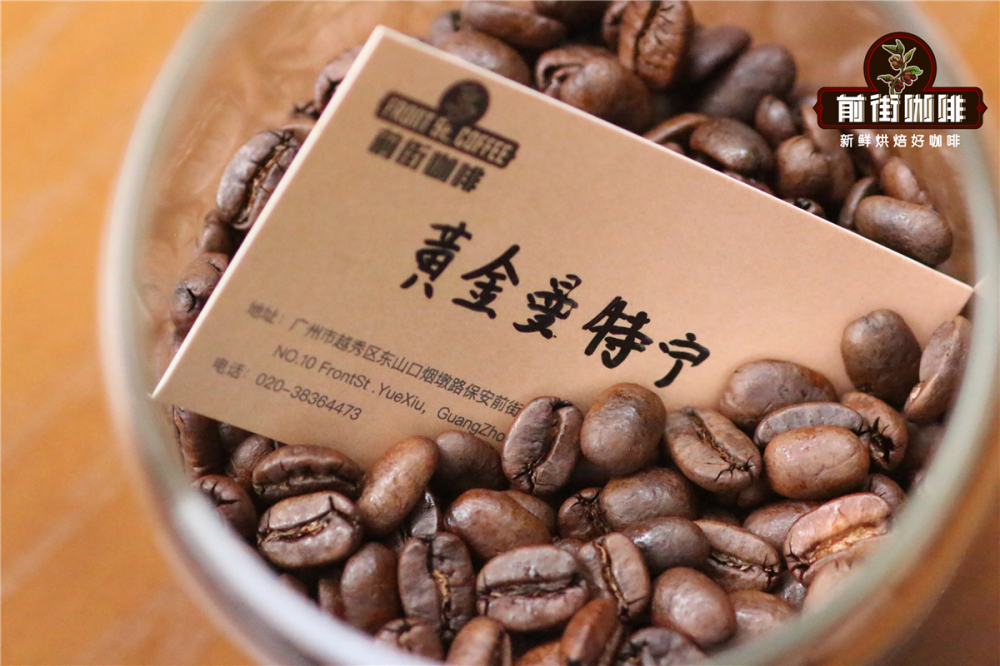
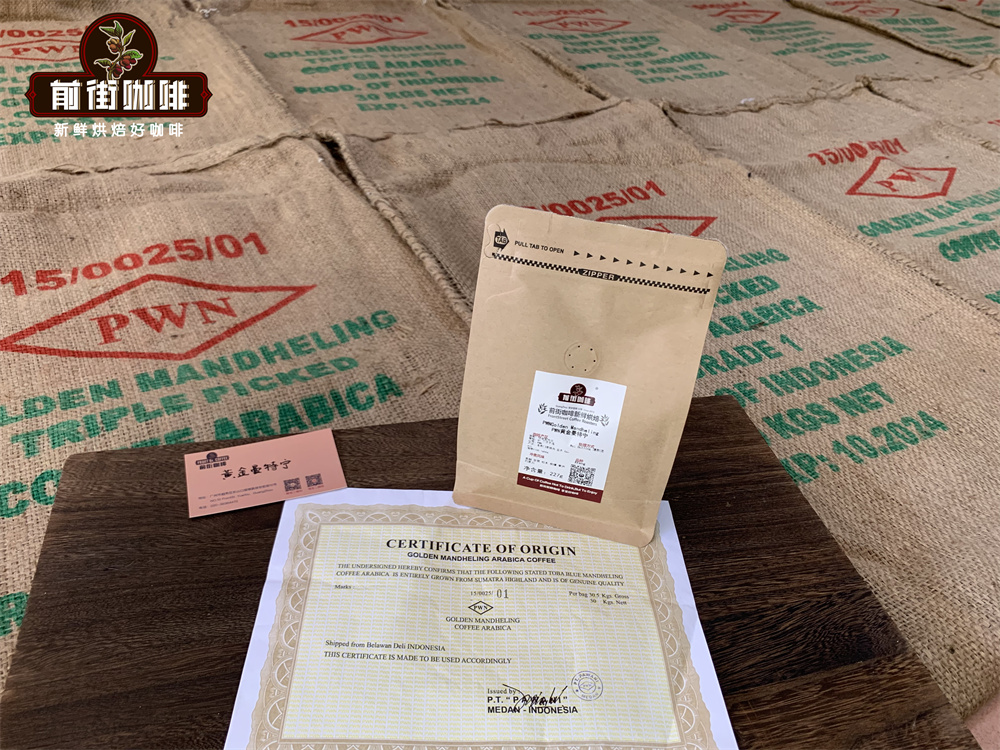
When talking about Mandheling, one cannot overlook "Golden Mandheling." However, it does not refer to a grade classification by origin, but rather is a trademark registered by Indonesia’s Pwani Coffee Company (N.V. Pwani Medan, abbreviated as PWN). Established in 1957, PWN was among the first companies in Indonesia to export Sumatran coffee to markets such as Japan, playing a significant role in promoting the international recognition of Mandheling. Since 1977, PWN has focused on exporting high-quality coffee, with "Golden Mandheling" being one of its registered premium trademarks, widely favored by consumers in Japan, Taiwan (China), and the United States.
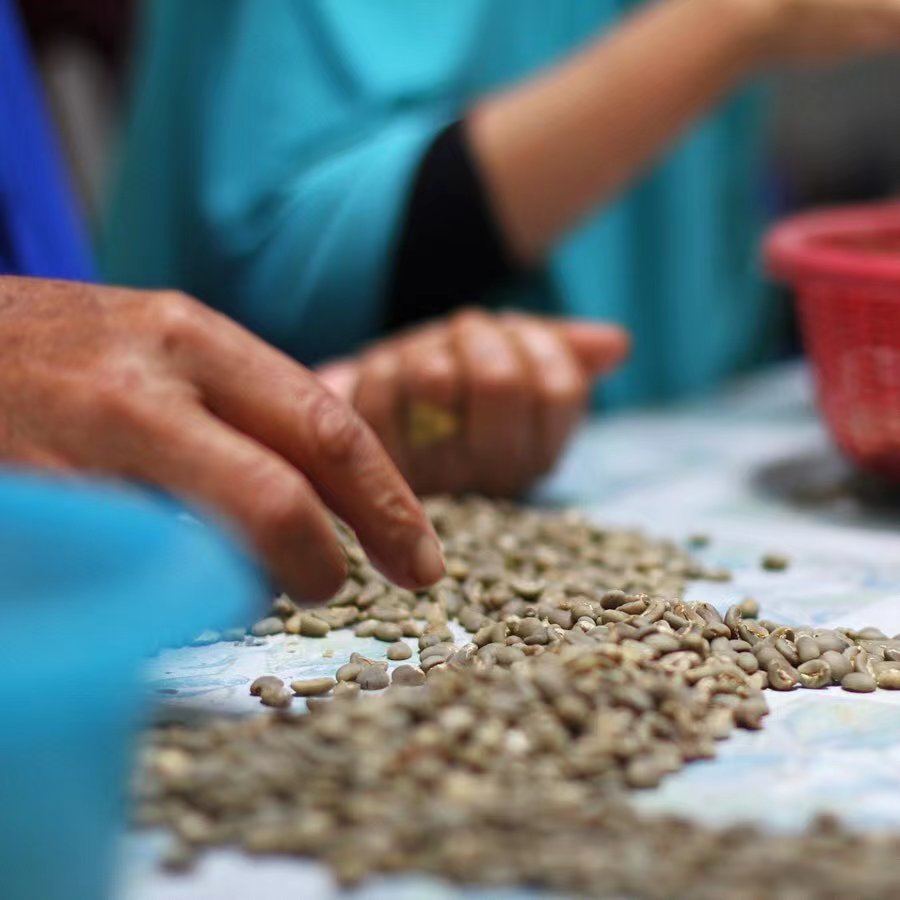
It’s worth noting that the "Golden Mandheling" trademark is owned by PWN, so if you come across products labeled as "Golden Mandheling" without an official PWN certificate or verifiable source, extra caution is advised. The Golden Mandheling supplied by a certain well-known coffee brand all comes from Gayo Mountain in Aceh, Sumatra, Indonesia, is G1 grade, and has undergone three rounds of manual sorting—resulting in large, uniform beans with low defect rates. This ensures a rich, clean taste profile along with a prominent sweetness.
If you want to brew Golden Mandheling at home that rivals café-quality, mastering the correct brewing parameters is crucial. Below are the recommended brewing settings tested and endorsed by a well-known coffee brand to help you recreate that rich, layered classic Mandheling flavor.
For equipment, it is recommended to use a Kono filter cone, whose special design allows the filter paper to adhere tightly to the walls, minimizing bypass flow and enhancing the coffee’s body. A dose of 15 grams is suitable for 1 to 2 servings. Using too much or too little may affect extraction balance.
In terms of coffee-to-water ratio, the recommended golden ratio is 1:15. This ratio maintains a rich flavor while avoiding excessive intensity that might cause discomfort. If you prefer a lighter expression, you can adjust slightly to 1:16, but beginners are advised to start with 1:15 to get familiar with the flavor characteristics of Mandheling.
For grind size, a medium-coarse grind passing through a No. 20 sieve at around 70% is recommended, similar in texture to fine sugar. As Golden Mandheling is typically dark roasted with a looser bean structure, an overly fine grind can lead to over-extraction and produce burnt, bitter flavors; an overly coarse grind may under-extract, making the coffee taste thin and bland.
The recommended water temperature is set between 87–88°C. This range balances the extraction of sweetness and body, while avoiding the risks of over-extraction due to high heat. If using freshly roasted beans, you may slightly lower the temperature to suppress any potential sharp acidity or over-extraction.
For the brewing technique, a three-stage pouring method is recommended, which helps achieve even extraction and enhances flavor layers. Start with a 30 ml bloom pour to awaken the coffee grounds and release CO₂; then pour 100 ml in the second stage to stabilize and extract the main body of flavors; finally, pour 95 ml in the third stage to enhance sweetness and aftertaste. This segmented approach effectively brings out the chocolatey and nutty base notes of Mandheling and improves overall drinkability.
In summary, Mandheling coffee is not only a coffee icon of Indonesia, but its name also hides a fascinating cross-cultural story. Golden Mandheling, as a premium product with rigorous selection and brand assurance, is truly worthy of appreciation by coffee lovers. With the right brewing parameters and techniques, you can easily enjoy a rich, clean, and flavorful classic Sumatran coffee at home.
The above content is compiled by CoffeeHunters, a coffee news website.


