








Introduction:As a globally renowned coffee-producing nation, Indonesia boasts three major producing regions—Sumatra, Java, and Sulawesi—renowned for their unique flavor profiles and traditional processing methods. This article delves into the geographical conditions, primary varieties, and classic processing techniques of these regions, analyzes the typical flavor profiles of Mandheling, Java, and Kopi Luwak coffees, and offers expert pour-over recommendations to help you find your own Indonesian coffee experience.
Indonesia is not only one of the world’s leading coffee producers but also widely cherished for its rich, bold, and low-acidity coffee flavors. These coffees often feature sweet aftertastes of caramel and dark chocolate, leaving an unforgettable impression. From the introduction of coffee cultivation by the Dutch in the 17th century, to the devastation caused by the coffee leaf rust epidemic that nearly wiped out Arabica, to the rise of Robusta, Indonesia’s coffee industry has undergone many twists and turns. Today, the three major regions—Sumatra, Java, and Sulawesi—have become important pillars of the global specialty coffee market.
What makes Indonesian coffee most fascinating is its rich and varied flavor expressions. Take Sumatra, for example. Coffees from this region generally exhibit low acidity, a full body, and complex layers, with common flavor notes including earthiness, spices, smokiness, and chocolate tones.These characteristics are primarily attributed to the local wet-hulling process, as well as the high-altitude, volcanic soil growing environment.
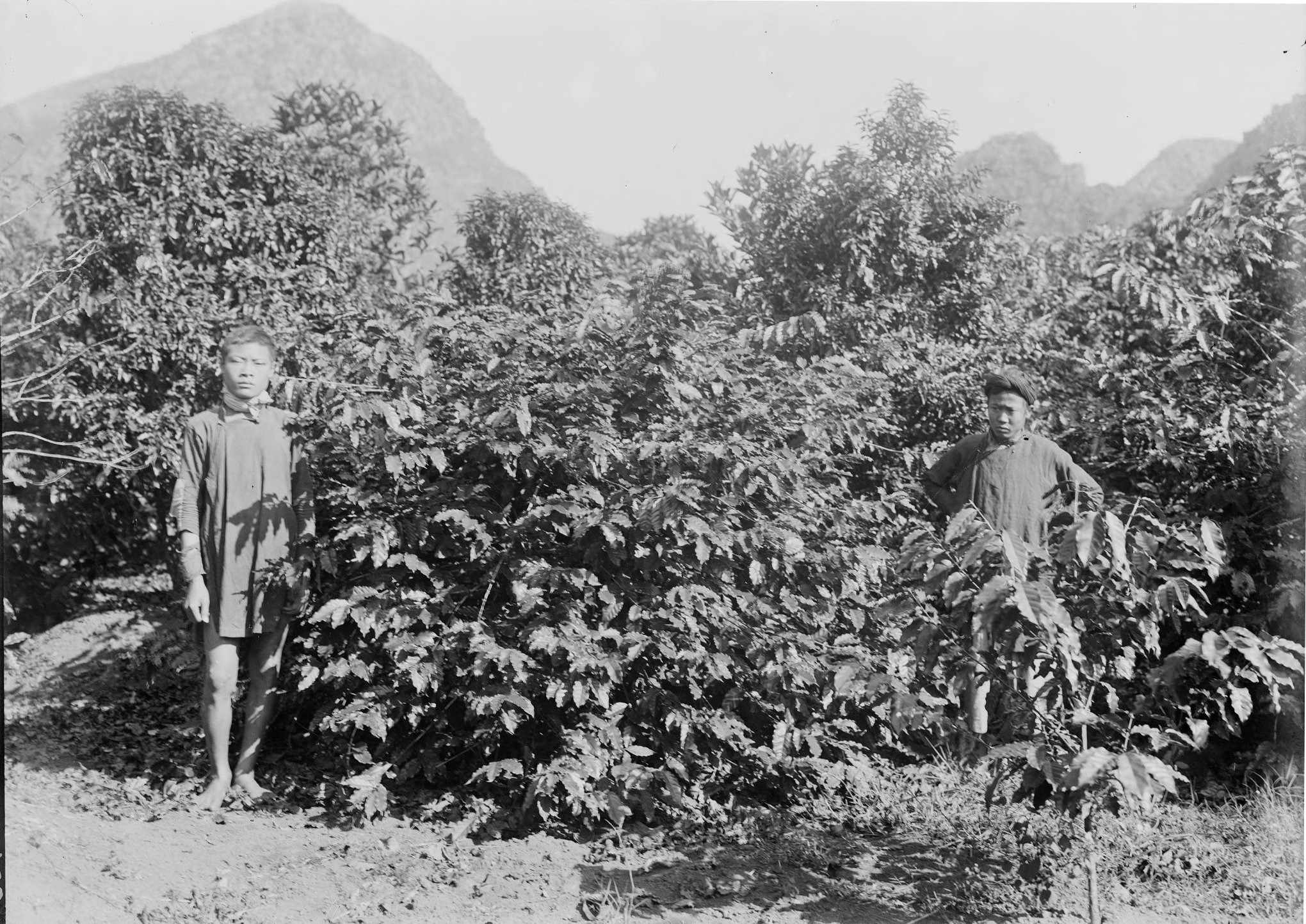
The history of coffee cultivation in Indonesia dates back to 1696, when the Dutch East India Company first introduced coffee seedlings to Java. Initially, plantations were concentrated in central and eastern Java, later expanding to Sumatra and Sulawesi. However, the coffee leaf rust epidemic of 1877 almost destroyed the local Arabica coffee trees, making the more disease-resistant Robusta the dominant variety. To this day, Robusta accounts for up to 90% of Indonesia’s coffee production, while Arabica is mainly found in the Gayo Highlands of Aceh in northern Sumatra and some high-altitude areas of Java.
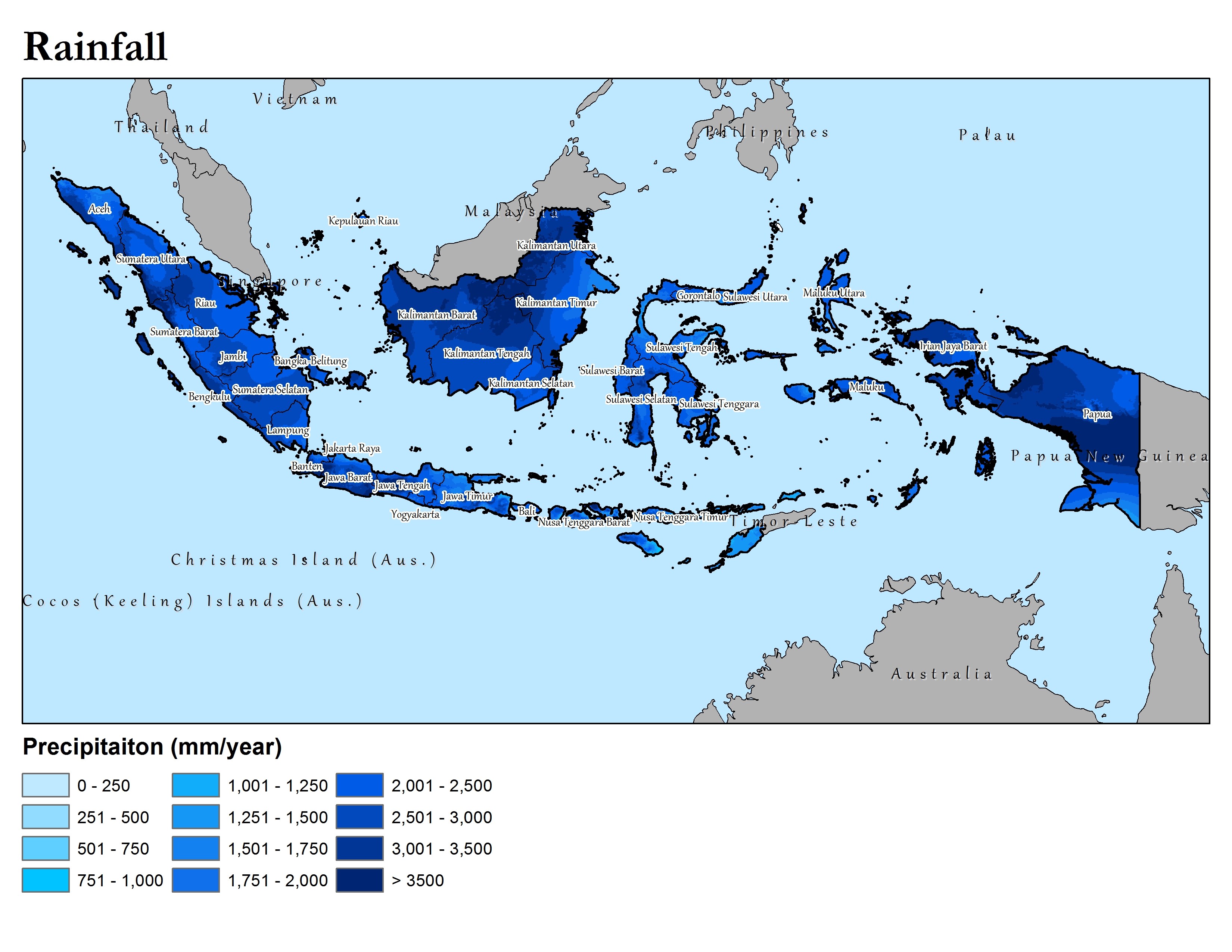
Indonesia’s climate is tropical rainforest-type, with high temperatures and humidity year-round. Average temperatures range between 25–27°C, and annual rainfall is about 1600–2200 mm. Located within the Pacific Ring of Fire, the country has abundant volcanic soils rich in minerals, which are highly conducive to coffee growth. Coffee is cultivated at elevations ranging roughly from 900 to 2100 meters, with the highest-quality beans typically coming from mid-to-high altitudes around 1200 meters. Indonesia has two main harvest seasons each year: the primary season runs from September to October, and the secondary season from May to June.
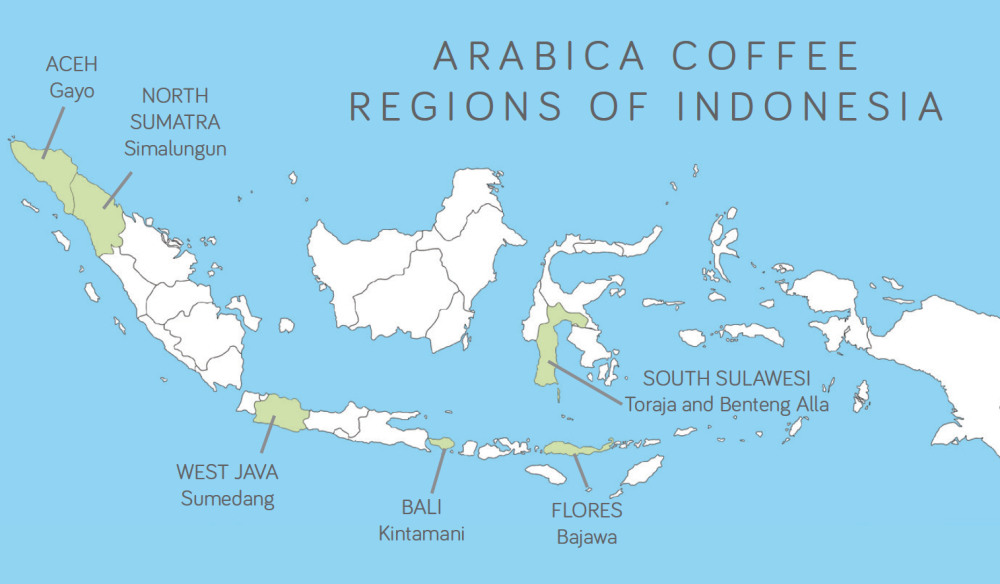
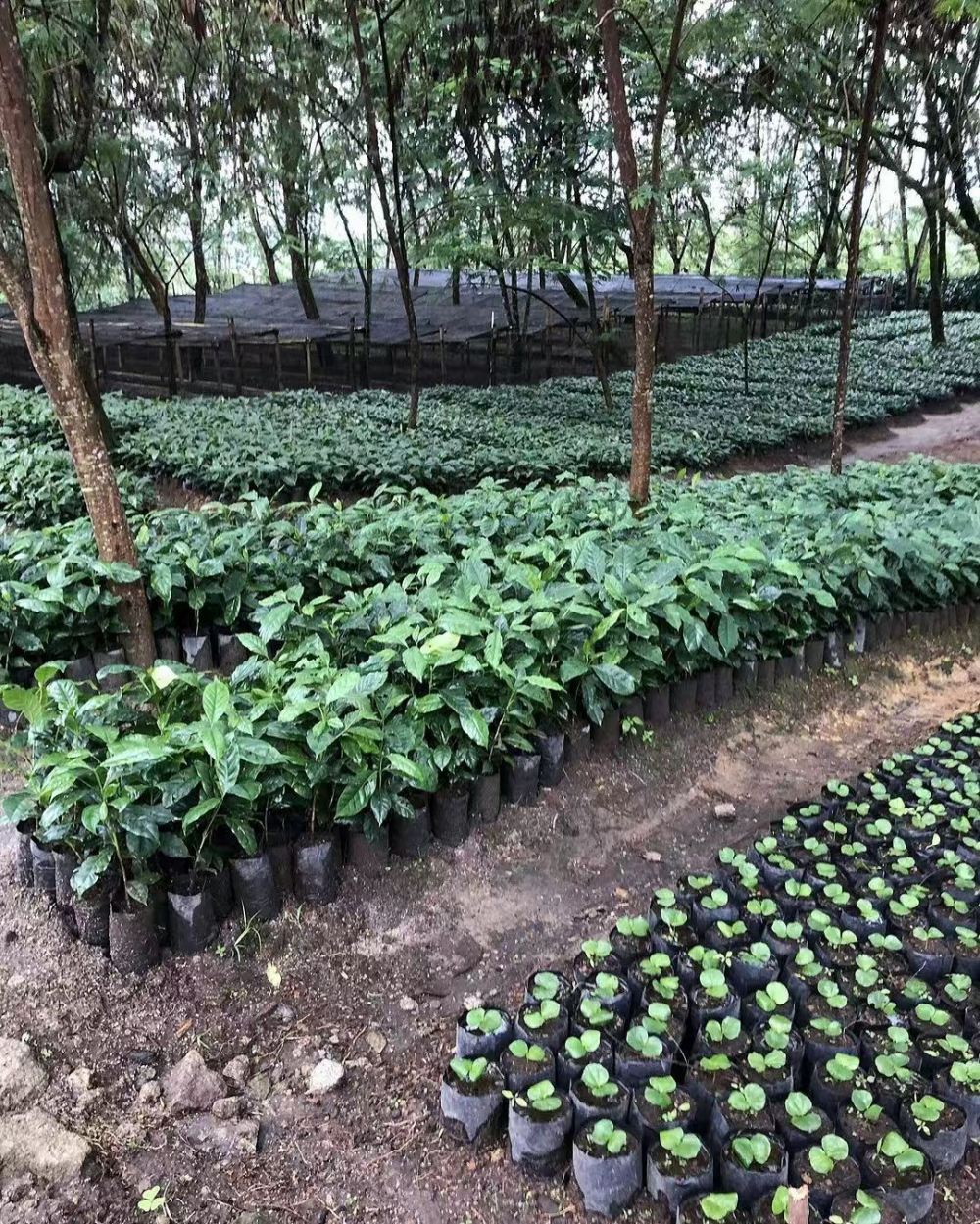
Indonesian coffee can be categorized by variety into Arabica, Robusta, and Liberica, with over 20 commonly grown cultivars, such as Catimor, Tim Tim, Typica, S288, and S795. Currently, the country’s coffee-growing area exceeds one million hectares, with smallholder farmers accounting for over 95% of total production. Many adopt organic farming practices, and 19 cooperatives and exporters have earned international organic certification.
The most representative coffee processing method in Indonesia is "wet-hulling" (giling basah), also known as semi-washed or hull-drying. This technique involves removing the coffee parchment at around 30% moisture content—after depulping and initial drying—and then continuing to dry the beans to a storable state. This method enhances the coffee’s body and low-acid characteristics, imparting unique earthy, spicy, and woody tones. Because the beans’ outer layers are exposed earlier in the process, they are also more prone to absorbing ambient odors, contributing to the deep and complex flavors often found in Sumatran coffees.
Mandheling coffee from Sumatra is one of Indonesia’s most iconic offerings. Major producing areas include Lintong near Lake Toba, the Gayo Highlands, and Aceh Province, among which Golden Mandheling is the most renowned. Golden Mandheling undergoes strict selection, with uniformly sized beans typically above 18 mesh, and multiple rounds of hand sorting to ensure pure and consistent flavors. Compared to regular Lintong Mandheling, Golden Mandheling has noticeably fewer off-flavors, with more pronounced caramel and nutty aromas, making it ideal for drinkers who enjoy a full-bodied taste without excessive intensity.
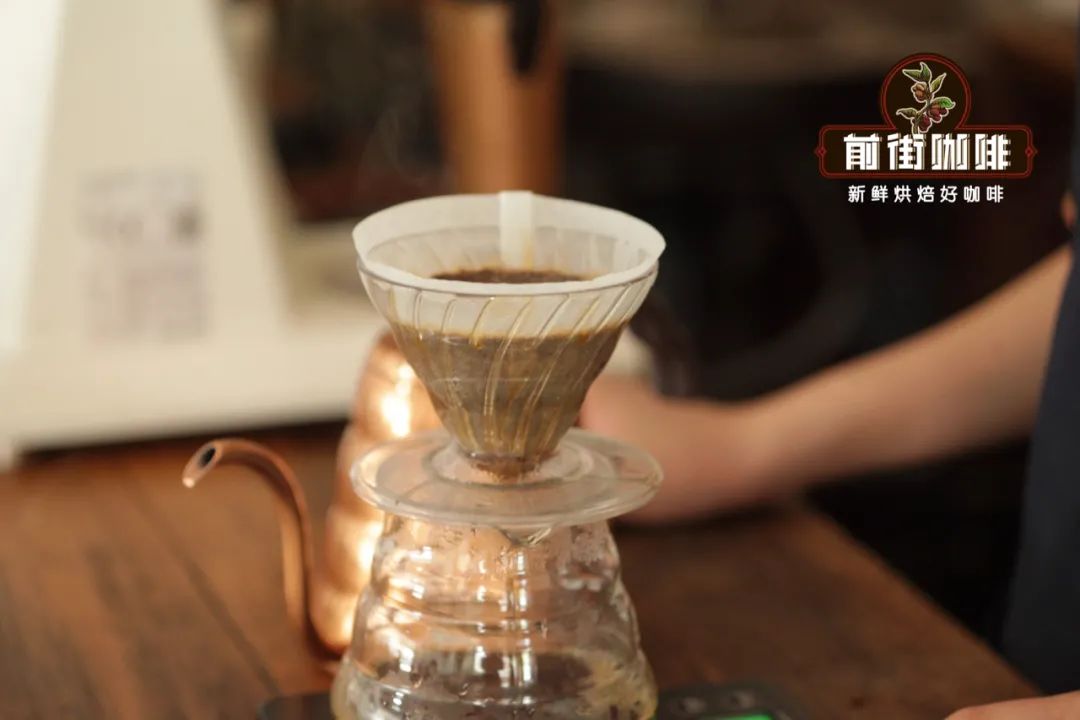
Taking 【Golden Mandheling】 as an example, its flavor profile often includes notes of nuts, chocolate, spices, herbs, and caramel. It has a soft acidity with layered complexity, and a sweet, smooth black sugar-like finish. It is recommended to use a Kono filter for pour-over brewing, as its design prolongs water-coffee contact time and enhances body. Suggested parameters are: water temperature 86°C, coffee dosage 15 grams, brew ratio 1:15, grind size approximately 11 on the EK43s grinder (medium-coarse). Start with a 30-second bloom using 30 grams of water, then proceed with pulse pouring to reach 225 grams total, achieving a total extraction time of about 2 minutes.
Another highly talked-about item is “Kopi Luwak,” commonly known as civet coffee. The beans in this type of coffee are actually fermented in the digestive tract of civet cats and then collected after excretion. Since civets prefer to select ripe, sugar-rich coffee cherries, and due to the enzymatic action in their bodies, this coffee often features unique fermented aromas and a full body. However, because the production process involves ethical concerns regarding animals and the yield is scarce, prices tend to be very high. In terms of flavor, common notes include herbal, nutty, dark chocolate, and subtle fermentation undertones, making it a great choice for coffee enthusiasts looking to try something unique.
Finally, don’t miss Java coffee. Compared to the boldness of Sumatra, Java coffee usually showcases a brighter acidity and delicate fruity notes, with a balanced taste and distinct layers. The main producing areas are concentrated in the volcanic regions of western Java at elevations above 1400 meters, where fertile, well-drained soils and stable climatic conditions contribute to its unique flavor expression. Common flavor notes include tropical fruit profiles like mango, red wine, peach juice, plum, and jackfruit, with a clean finish and subtle sweetness.
When brewing Java coffee, it is recommended to use a V60 filter to highlight its bright acidity and fruity notes. Suggested brewing parameters are: water temperature 90°C, coffee dosage 15 grams, brew ratio 1:15, grind size approximately 10 on the EK43s grinder (medium-fine). Again, start with a 30-second bloom using 30 grams of water, then proceed with pulse pouring to reach 225 grams total, keeping the total time around 2 minutes to fully showcase its refreshing and layered flavor characteristics.
The above content is compiled by CoffeeHunters, a coffee news website.


