







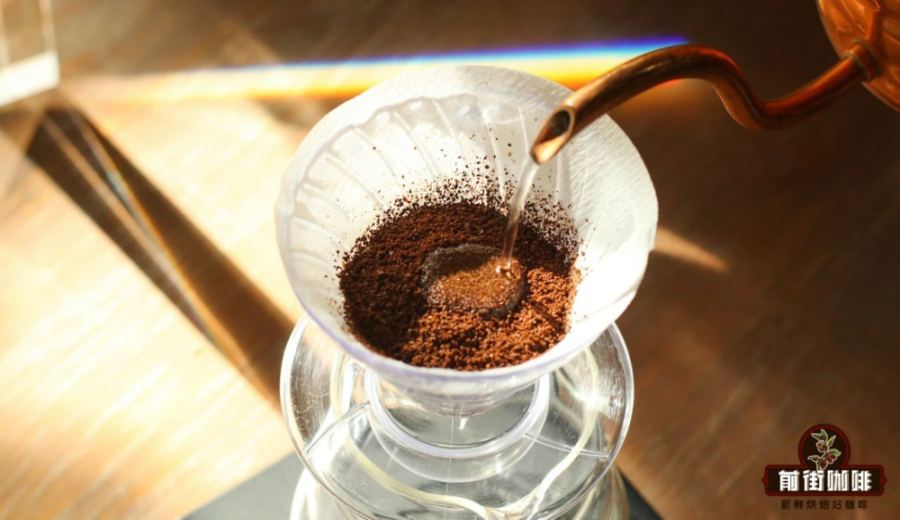
Introduction:When starting out with pour over coffee, many beginners often wonder whether they should add sugar or milk, and are curious about how to brew black coffee to get the right flavor. In fact, there’s no absolute standard for how pour over coffee should be enjoyed—the key lies in understanding the flavor profile of the coffee and your personal preferences. This article delves into the rationale behind adding sugar or milk, explores the sources of coffee bitterness, and offers practical advice on bean selection and brewing to help you find your own way to enjoy coffee.
For those who are just beginning to explore pour over coffee, a common question is: what’s the “right” way to drink it? Some believe that black coffee is the only way to truly appreciate its flavor, while others prefer to add a bit of sugar or milk for taste. In truth, there’s no one-size-fits-all answer to how pour over coffee should be consumed—the crucial factor is understanding the characteristics of the coffee itself and your own taste preferences.
Common debates around whether to add sugar or milk include: does adding sugar ruin the coffee’s original flavor? Does adding milk make you seem inexperienced? Actually, there are no absolute right or wrong answers to these questions. Coffee exists to be enjoyed, and if adding sugar or milk makes the coffee smoother and more satisfying for you, there’s no need to give up your preference just because of others’ opinions.
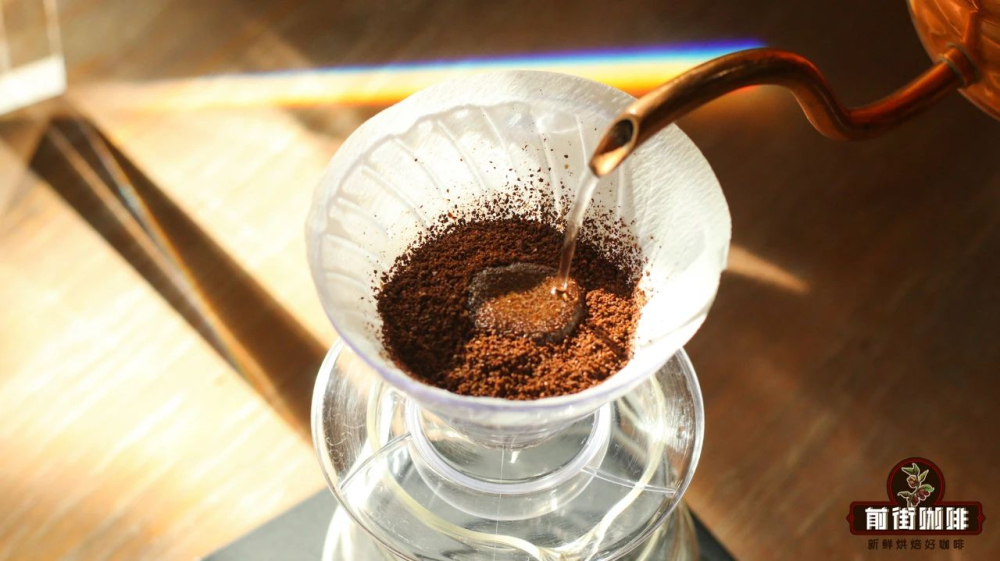
Of course, understanding why some people advocate for black coffee and where the bitterness in coffee comes from can help you appreciate coffee more fully. Let’s first talk about the choice between adding sugar or milk. Why do you drink coffee? Ultimately, it’s to enjoy the sensory experience—from smell to taste. If a cup of coffee with sweet, milky notes brings you joy, then insisting on drinking it without sugar or milk might cause you to miss out on a wonderful experience that’s perfect for you.
On the other hand, many coffee enthusiasts recommend drinking pure black coffee, and there’s good reason for that. Try different methods depending on your mood—you might discover that you have a particular affinity for a certain style. No matter which you choose, what matters is understanding the reasons behind it, rather than blindly following others.
As for coffee temperature—including the ideal brewing water temperature and the optimal drinking temperature—this will be explored in detail in a future article. For now, let’s focus on the most frequently asked question: should you add sugar or milk to your pour over coffee?
First, let’s take a look at bitterness. Many coffee lovers believe that “good coffee isn’t bitter,” but in reality, bitterness is an inevitable part of coffee’s flavor and one of the key elements that contribute to its complexity. If coffee has no bitterness at all, it’s like removing the unique flavor of bitter melon—it might actually make the overall taste feel thin.
The bitterness in coffee is primarily formed by a variety of organic compounds, such as caffeine, chlorogenic acid, and trigonelline. Some types of bitterness can bring a sense of richness and aftertaste, complementing the trace amounts of sugar naturally present in coffee to create a pleasant finish; however, some bitterness carries a noticeable astringency, making the back of the tongue feel heavy—this is often a sign of improper roasting or poor-quality beans.

Generally speaking, specialty grade coffee beans, due to their strict harvesting and processing methods and usually medium-level roasting, have relatively lower levels of chlorogenic acid and caffeine, resulting in less bitter or astringent flavors. Instead, they showcase bright fruit acidity and rich aromas. These kinds of coffee can still display captivating layers and aftertastes even without sugar or milk.
If you prefer milk-based coffee, it’s recommended to choose beans with intense flavors and a rich body. For example, medium-to-dark roasted beans with notes of caramel, chocolate, or roasted nuts pair especially well with milk. These beans usually have lower acidity, which can form an excellent balance with the smooth texture of milk, resulting in a dense mouthfeel and sweet aftertaste.
In summary, there’s no fixed rule for how to drink pour over coffee. You can choose to enjoy the pure, original flavor of black coffee, or add sugar or milk according to your personal taste. The key is that by understanding the sources of coffee bitterness, roasting characteristics, and suitable brewing parameters, you’ll be able to confidently choose the drinking method you like and truly appreciate the endless joys of pour over coffee.
The above content is compiled by CoffeeHunters, a coffee news website.


