







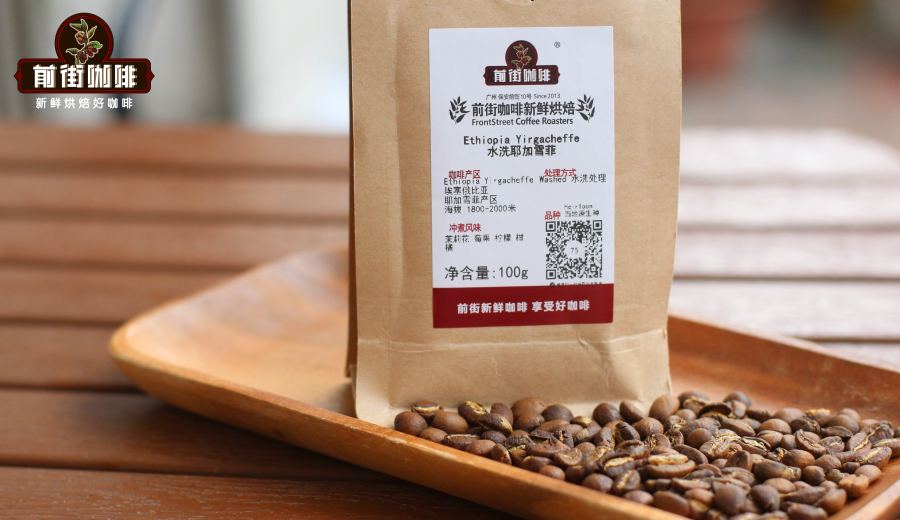
Introduction:As Ethiopia’s most iconic specialty coffee region, Yirgacheffe is renowned for its distinctive floral and citrus notes. This article delves into the region’s geographical environment, key cooperatives, and flavor variations, with a special focus on the natural-process beans from the Konga Cooperative. From soil conditions and varietal characteristics to roasting and pour over extraction, it provides practical parameters and steps—including a three-stage pouring method—to help you master brewing techniques for high-altitude hard beans.
Yirgacheffe is one of the most famous specialty coffee regions in southern Ethiopia, celebrated worldwide for its bright acidity, delicate floral aromas, and citrus profiles. Whether you’re just starting out or already experienced, understanding the region’s geographical background, varietal traits, and processing methods can help you better capture its flavor potential. This article begins with the origins of the region, gradually exploring well-known cooperatives including Konga, and introduces you to the unique charm and hands-on brewing of natural-process beans.
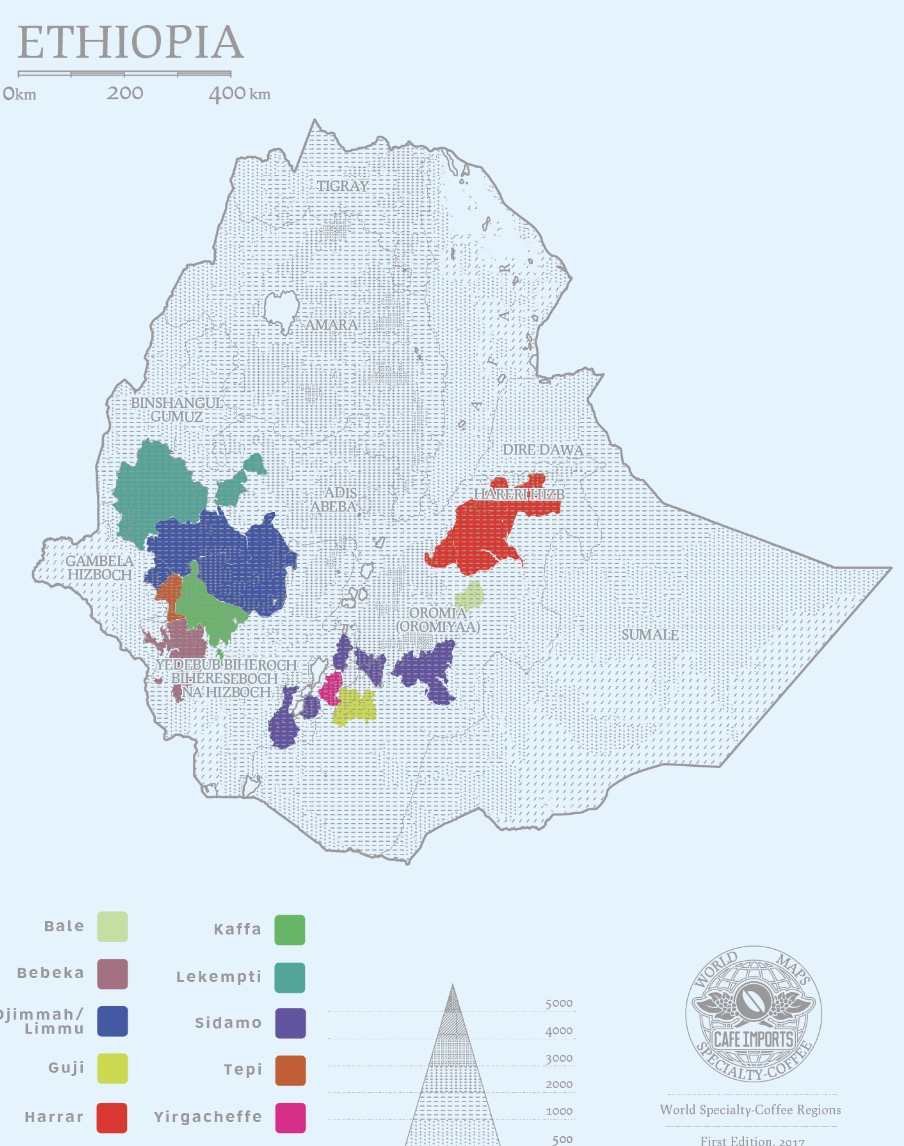
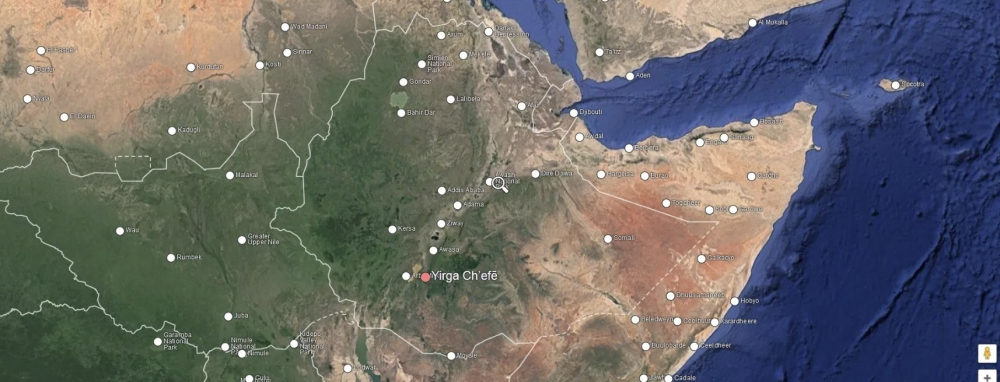
Located in southwestern Ethiopia, Yirgacheffe was originally just a small town under the Gedeo Zone. Thanks to its abundant water sources, suitable average annual temperature (15–25°C), and significant diurnal temperature variation in the highlands, it became an ideal growing ground for Arabica coffee. In its early days, it was part of the Sidamo region, but due to its distinctly fresh fruity and floral coffee profile—and the preference of international buyers—the Ethiopian government designated it as the independent Yirgacheffe region in 2010, officially establishing its status as a specialty coffee origin.
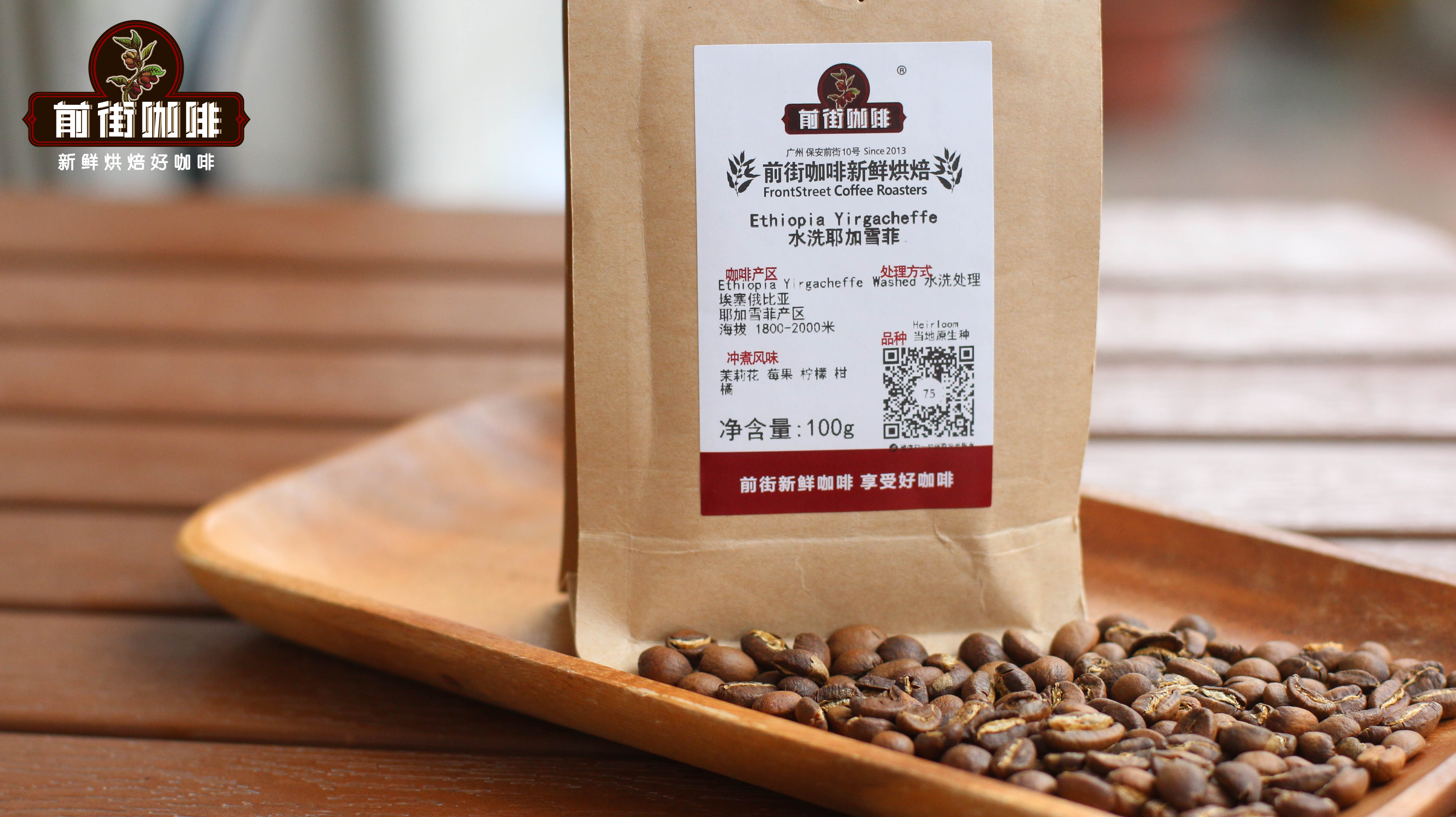
Ethiopia boasts the world’s richest coffee genetic repository, but since most plants remain unclassified by variety, the variety column often simply states “Ethiopian Heirloom.” This also leads to inconsistencies in bean size, posing challenges for roasting and extraction. Most coffee farmers in Yirgacheffe operate on a small scale, with mixed varieties but distinct native characteristics, giving rise to its unique flavor spectrum.
The Yirgacheffe area is home to numerous small cooperatives, among which Guji Dandi, Konga, Worka, Hafursa, and Idido are highly regarded in the market for their clear flavor profiles and consistent quality. These cooperatives are not bound by the commodity trading system, allowing them to directly engage with buyers, provide traceable green bean information, and ensure farmers receive fair compensation—further enhancing coffee quality.
The Guji Dandi Cooperative, located in the Worka region, consists of about 300 farmers and excels in traditional washed and natural processing methods. Its washed beans often exhibit citrus acidity, white floral notes, honey sweetness, and a green tea-like aftertaste, making them ideal for those who prefer a clean, refreshing cup. The Konga Cooperative, on the other hand, is situated in the Gedeo area, where the soil is rich in iron and over 1.5 meters deep, fostering robust coffee tree root development and nutrient absorption—ultimately enhancing fruit quality.
The natural-process beans from the Konga Cooperative, thanks to their soil conditions and processing techniques, often showcase bright citrus acidity, intense berry juice flavors, honey sweetness, and a creamy, silky mouthfeel. Due to their high altitude and hard bean characteristics, these beans are typically lightly roasted to preserve their delicate flavor layers.
In addition to Konga, the Worka Cooperative also processes coffee using traditional washed and natural methods. With over 300 farmer members and a cultivation area spanning 763 hectares, the cooperative enjoys stable production. Its washed beans often present refreshing acidity reminiscent of lemon and grapefruit, ginger flower aromas, honey sweetness, and a tea-like finish akin to Tieguanyin, reflecting typical regional flavor traits. The Worka Cooperative has also earned EU Skal organic certification for its chemical-free farming practices, earning international recognition for its quality.
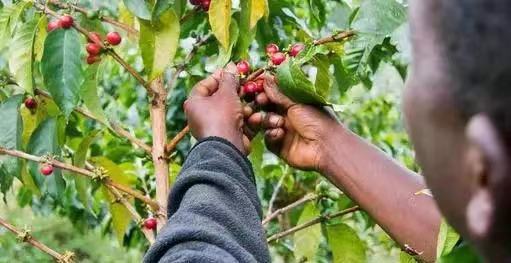
The Hafursa Cooperative is one of Ethiopia’s earliest-established cooperatives, with coffee farms distributed across hillside plots at elevations between 1,850 and 2,100 meters—offering exceptional environmental conditions. The Idido Cooperative is located in Yirgacheffe’s high-altitude valleys, where abundant annual rainfall supports coffee cultivation by smallholders at around 2,000 meters. Red cherries are harvested fully ripe between December and February, and the resulting coffee often exhibits floral notes akin to Geisha, with intricate and captivating flavors.
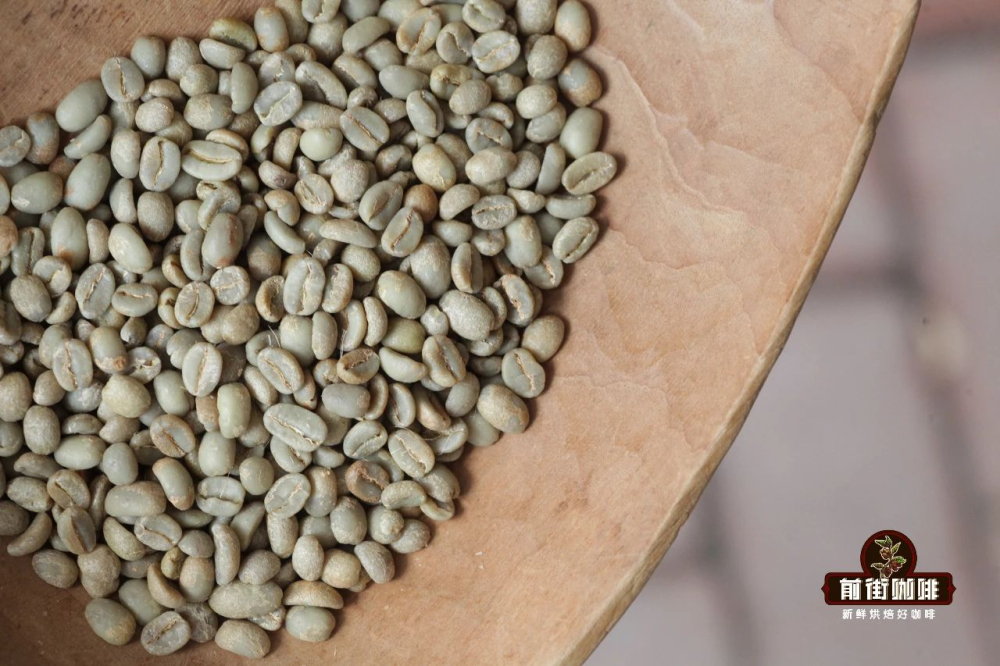
In terms of processing methods, Yirgacheffe coffee is primarily divided into washed and natural categories. Washed processing involves removing the fruit skin and pulp, fermenting to eliminate mucilage, and then drying—resulting in a cleaner profile with pronounced acidity. Natural processing, on the other hand, dries the beans with the fruit flesh intact, allowing sugars and fermentation aromas to penetrate the beans for richer sweetness and fermented notes. These two methods directly influence the final flavor expression during extraction.
Yirgacheffe coffee is typically lightly roasted to preserve its bright acidity and fruity-floral character. To fully showcase its flavors, it is recommended to enjoy the coffee within five days of roasting to experience the most complete aromatic and taste layers.
For pour over brewing of Konga natural beans, due to the high altitude making the beans harder and the light roast preserving more cellular structure, a medium-fine grind (similar to granulated sugar or 80% passing rate through a Chinese No. 20 sieve) is recommended, along with a brewing temperature of 90–92°C to evenly extract flavor compounds.
A 1:16 coffee-to-water ratio is advised, with a three-stage pouring method to control extraction rhythm: First, place 15 grams of coffee grounds in the filter. The first pour involves adding 30 grams of water for a 30-second bloom, using a gentle stream to circle from the center outward to ensure even saturation. The second pour uses a slightly coarser stream to add 120 grams of water, reaching a total of 150 grams around the 55-second mark—keeping the water column vertical and even to enhance bed expansion. For the final pour, when the water level drops halfway, add 90 grams of water with a small, tight circle until the total reaches 240 grams, with a total drip time of about 2 minutes and 10 seconds. After brewing, gently swirl the server to blend the coffee, and enjoy a Konga natural Yirgacheffe with distinct layers and balanced acidity and sweetness.
The above content is compiled by CoffeeHunters, a coffee news website.


