








Introduction:Many coffee enthusiasts wonder whether espresso blends can also be used for pour over, or if single-origin beans can produce espresso. This article delves into the fundamental differences between the two main brewing methods, analyzes how blends and single-origin beans perform under different extraction techniques, and provides practical examples and recommended parameters to help readers flexibly choose based on their needs—enhancing brewing versatility and flavor experience.
There are many ways to brew coffee, among which espresso and pour over are the most popular. However, many coffee lovers often face a common question: can espresso blends, which are originally designed for espresso machines, yield good flavors when used for pour over? Conversely, can single-origin beans, designed specifically for pour over, also be used to make espresso? To answer these questions, we need to start with the basic principles of the two extraction techniques.
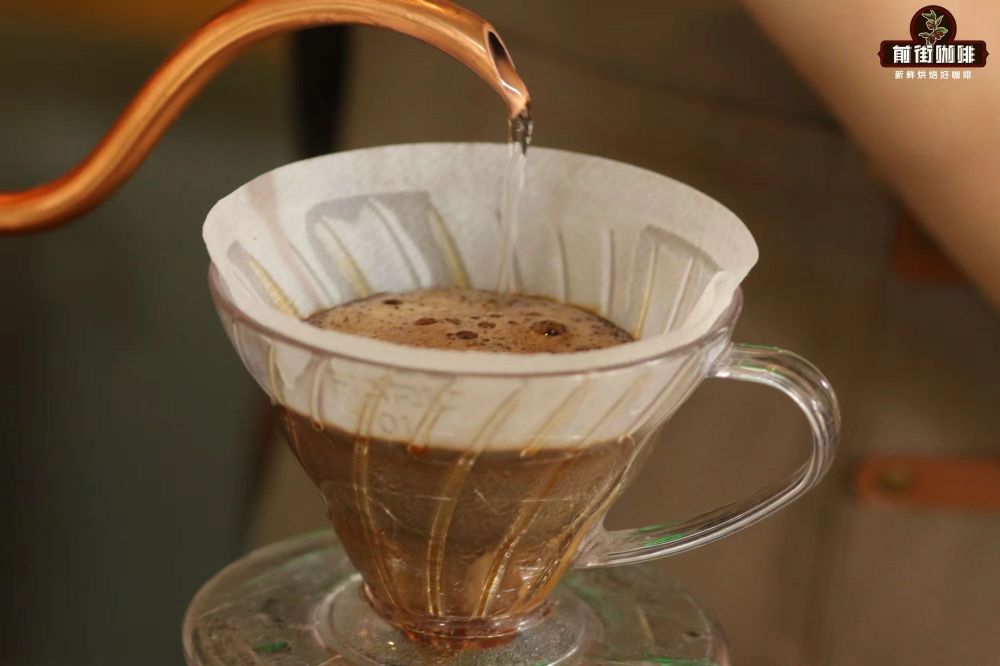
Pour over coffee is a type of drip filtration extraction that relies on hot water slowly seeping through ground coffee, gradually releasing its aromatic compounds. This technique emphasizes the coordination of water temperature, grind size, and pouring rhythm. Common parameters include using 15 grams of coffee, a 1:15 coffee-to-water ratio, with water temperature around 87–93°C, and a medium-coarse grind passing about 70–80% through a #20 sieve, extracted using a combination of filter cone and paper. This method highlights clear, bright flavor layers and a clean aftertaste.

In contrast, espresso uses a high-pressure, high-temperature pressurized extraction method. This technique is typically applied in semi-automatic or fully automatic coffee machines, where extremely finely ground coffee is extracted under 9–10 atmospheres of pressure for a short period of time, producing a rich and creamy shot of coffee. A freshly extracted espresso will have a layer of golden to brown crema on the surface, a result of the interplay between high pressure and coffee oils, and also an important indicator of quality. A common extraction example includes using 20 grams of coffee to produce 40 grams of espresso in 29 seconds—a ratio that achieves balanced intensity and concentrated flavor expression.
So, can espresso blends be used for pour over? The answer is yes, but with conditions. Generally, espresso blends are roasted medium-dark to achieve a stable and full-bodied taste, and often consist of beans from different origins to ensure consistent and balanced flavors. These beans are initially designed for high-pressure extraction environments, so switching to drip filtration can lead to underwhelming flavors due to slow release, or even result in overly bitter or thin tastes. However, there are increasingly more espresso blends with distinct flavor profiles on the market—such as those blending Colombian washed, Ethiopian natural, and Costa Rican honey-processed beans. These beans, even when used for pour over, can still showcase rich floral-fruity notes, creaminess, and gentle sweetness, making them suitable for home experimentation with standard coffee equipment.
As for whether single-origin beans for pour over can be used to make espresso, the answer is similarly challenging but possible. Since pour over beans typically emphasize bright acidity and clear layers, using them directly in high-pressure, high-temperature espresso extraction may cause the acidity to become overly sharp, and the originally rich flavors may turn into unpleasant bitterness. Therefore, if you want to challenge making espresso with single-origin beans, it is recommended to choose beans with a more moderate roast level. Such beans usually have broader adaptability, not only suitable for pour over but also capable of delivering stable flavor performance under high-pressure conditions.
Below are several single-origin beans with different flavor profiles, recommended as references for trying espresso production:
1. Natural Yirgacheffe Red Cherry Coffee Beans: This bean is known for its fruity profile, showcasing high sweetness and berry aromas when brewed with pour over. If the grind is adjusted to a finer size suitable for espresso, it can yield a shot with berry sweetness and caramel layers, featuring fine and pale yellow crema. When combined with milk, it becomes even more honey-like and silky sweet.
2. Mozart Coffee Beans: Processed with anaerobic honey fermentation, this bean retains a large amount of mucilage during fermentation, resulting in exceptionally prominent sweetness. It presents rose floral and raisin sweetness when brewed with pour over, but transforms into rich tropical fruit and fermented complex flavors when made into espresso—suitable for drinkers who enjoy unique aromas.
3. Brazilian Queen Estate Yellow Bourbon Coffee Beans: This Brazilian bean, roasted medium-dark, offers nutty, creamy, and peanut aromas, with a lingering chocolatey finish. When extracted into espresso, it produces rich crema and delivers full-bodied aroma even in milk-based drinks, making it a stable and forgiving choice in terms of flavor.
In conclusion, although espresso blends and single-origin beans each have their most suitable brewing methods, understanding their roast characteristics and flavor profiles allows for breakthroughs beyond traditional frameworks by adjusting parameters appropriately. Whether challenging the pour over performance of blends or experimenting with espresso extraction from single-origin beans, the key lies in understanding each bean’s individuality and using the right equipment and techniques to bring out its optimal flavors.
The above content is compiled by CoffeeHunters, a coffee news website.


