







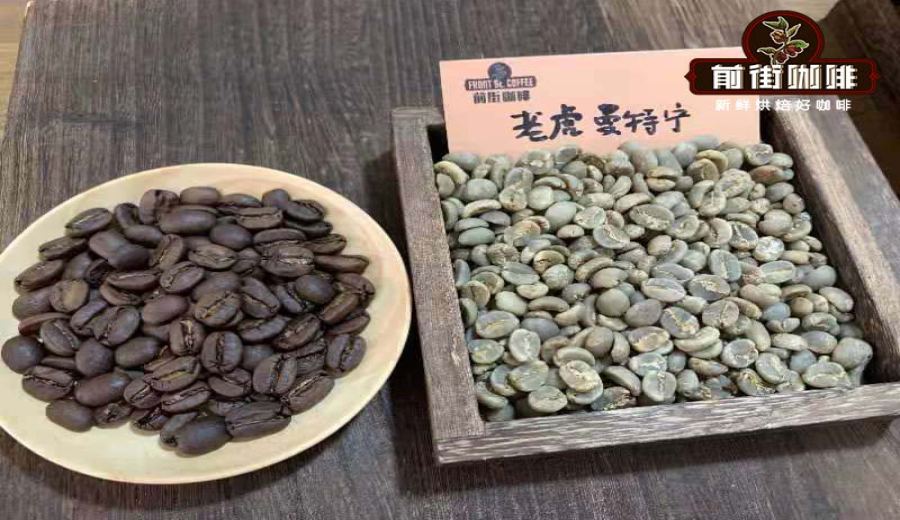
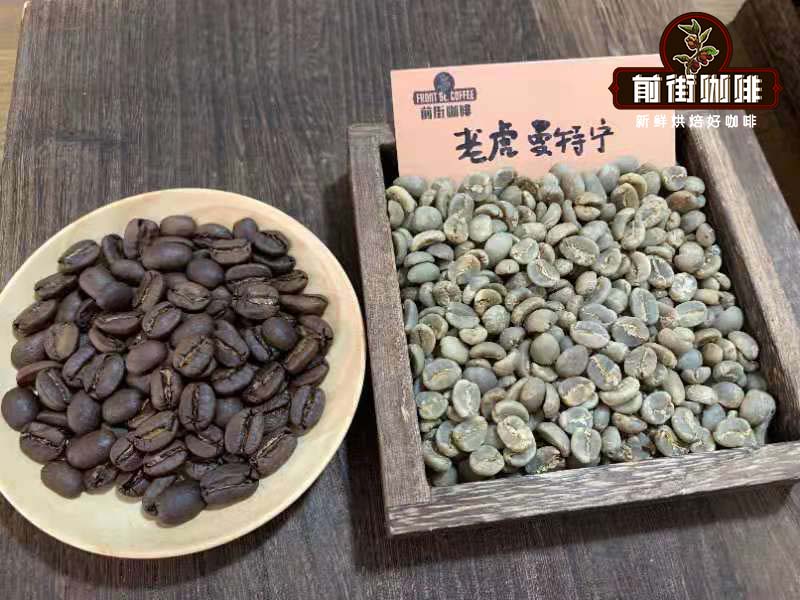
Introduction:Tiger Mandheling comes from the Lake Tawar region in Aceh, Sumatra, Indonesia. It is one of the few high-quality Mandheling beans that have undergone strict screening with a defect rate below 4%. Processed using the wet-hulled method, this coffee exhibits distinct citrus, cream, dark chocolate, and herbal notes, making it highly favored by pour over enthusiasts. This article will delve into its origin background, processing characteristics, roasting recommendations, and pour over parameters to help you fully master the brewing essentials of this classic bean.
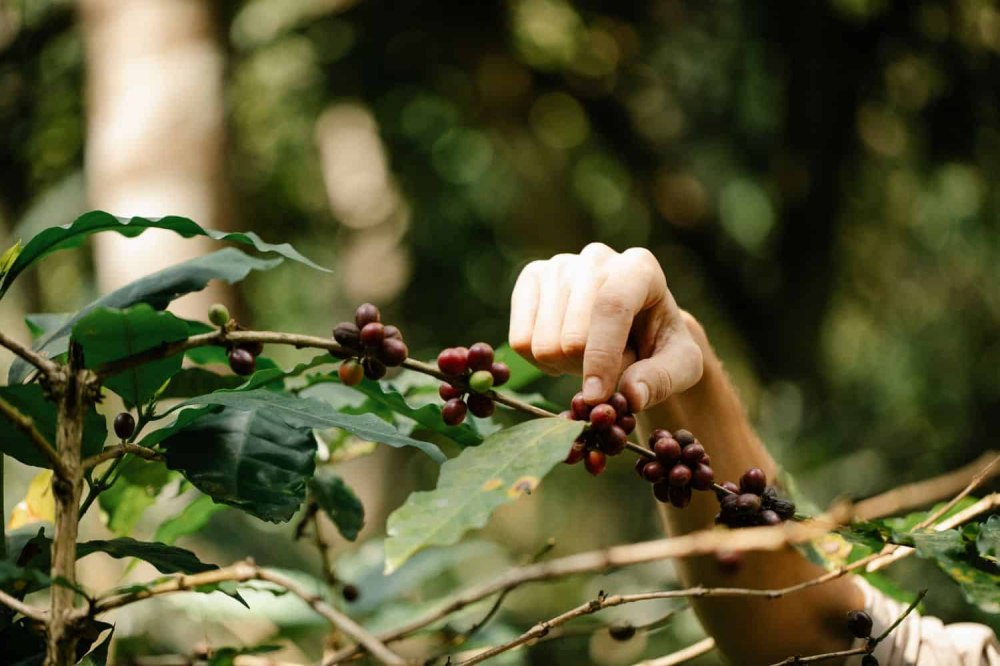
Tiger Mandheling is a premium-grade Mandheling coffee originating from around Lake Tawar in Aceh Province, Sumatra, Indonesia. This area is located in the Gayo highlands, featuring fertile volcanic soil and abundant rainfall, typical of a tropical rainforest climate, providing an ideal environment for coffee cultivation. However, due to its remote location and limited transportation, coffee farming started relatively late, with the earliest records dating back to 1924. Local farmers mostly operate on a small scale, with each household owning an average of 1 to 2 hectares of coffee gardens and maintaining traditional organic farming practices without the use of pesticides, thus producing coffee with unique flavors.
The story behind the name of Tiger Mandhelinginvolves an interesting misunderstanding. In fact, “Mandheling” is not a place name or a coffee variety, but originated from a miscommunication between Japanese soldiers and local residents in the early days. It originally referred to a certain indigenous tribe, but due to the language barrier, it was mistakenly understood to be the name of a coffee, and the name has been passed down ever since. The term “Tiger” symbolizes the high quality of this particular batch of beans—only those with a bean size of 17 or above and a defect rate controlled below 4% qualify to be named as such.
Indonesia is one of the world’s major coffee exporting countries, particularly renowned for its Mandheling. Compared to other regions, Mandheling is known for its rich body and complex aroma profile, often regarded as a top-tier coffee on par with Blue Mountain, especially popular in the Japanese market. As one of its representatives, Tiger Mandheling not only retains the signature boldness of Mandheling but also delivers a more refined performance due to its stringent selection process.
Many people’s first impression of Mandheling is “bitter,” but in reality, it is more about “bitterness with sweetness” in a complex flavor structure. Mandheling from different regions has its own characteristics—for example, Golden Mandheling is known for its clean and bright profile, while Tiger Mandheling stands out with its rich fruit acidity and aroma, particularly notable for its citrus, cream, dark chocolate, and unique cedar and herbal notes, which are its key distinguishing features.
Regarding the processing characteristics of the wet-hulled method, this is a unique processing technique in the Sumatra region and a key factor in shaping the flavor profile of Tiger Mandheling. With year-round high temperatures and humidity in Indonesia—average annual temperatures remain above 25°C, humidity often reaching 70%–90%, coupled with frequent typhoons—it is difficult to carry out stable sun-drying processes. Traditional washed processing is also relatively costly. To balance efficiency and quality, local farmers developed the wet-hulled method.
This technique involves partially drying the coffee beans, still in their parchment, after the washing and fermentation stages. They are sun-dried for 2 to 3 days until the moisture content drops to around 20%–24%, at which point the outer parchment layer is removed. Since the beans are not fully dried at this stage, the outer shell is relatively fragile, and the hulling process can easily cause pressure marks, resulting in so-called “horse hoof beans” or “goat hoof beans,” hence a slightly higher defect rate. However, it is precisely because of this special processing that Tiger Mandheling achieves its distinctive rich, bold, low-acid yet multi-layered flavor.

The main varieties planted for Tiger Mandheling include Catimor, Typica, and Sidikalang. These varieties, grown in the high-altitude regions of Sumatra, exhibit distinct citrus acidity—clean and bright with a naturally sweet aftertaste. The green beans typically appear yellowish-green in color, with plump and uniform shapes, and a slightly higher moisture content. Therefore, special attention should be paid to temperature control during the drying phase of roasting.
In terms of roasting, Tiger Mandheling is generally recommended to be roasted at a medium-dark to dark level. This helps reduce pronounced fruit acidity while enhancing the overall body and sweetness, as well as bringing out its signature cedar aroma. Over-light roasting may fail to fully showcase its rich foundation, while over-dark roasting can easily mask its delicate fruity notes.
Recommended roasting curve:: The charge temperature can be set at around 200°C, with moderate initial heat focusing on thorough drying to prevent sourness. Before and after the first crack, gradually reduce the heat to stabilize the temperature rise curve. Around 4 minutes after the first crack, when approaching 203°C, drop the beans. This helps preserve the sweetness and subtle spice notes. Such a roasting strategy can fully balance its richness and aroma.
As for pour over extraction, it is recommended to use a KONO filter. Its design helps extend water contact time, delivering a fuller body and richer mouthfeel. The grind size is suggested to be medium-coarse, around 70% passing through a #20 sieve, paired with a 1:15 coffee-to-water ratio, which can effectively highlight the boldness and aromatic layers of Tiger Mandheling.
Specific pour over parameters are as follows: Suggested water temperature is around 87°C, with about 15 grams of coffee. The first step is to pour 40 grams of water for blooming for about 30 seconds, during which the coffee bed will gradually expand, forming a shape resembling a “hamburger.” The second step involves pouring 120 grams of water in a circular motion from the center outward, paying attention to the pouring speed and height to avoid excessive agitation. The final step pours another 100 grams of water. Extraction ends once all the coffee liquid has dripped through, with a total brew time of about 2 minutes, achieving a balanced and layered flavor profile.

In summary, Tiger Mandheling is a premium coffee that combines boldness with finesse. Its unique processing method and strict selection criteria have earned it a distinctive status within the Mandheling family. Whether you prefer a rich mouthfeel or complex aromatic layers, coffee lovers can find surprises in this bean. Mastering the correct roasting and pour over techniques can further reveal its hidden flavor potential.
The above content is compiled by CoffeeHunters, a coffee news website.


