








Introduction:To extract an espresso with rich crema and balanced flavors at home or in a café, choosing the right blend is the crucial first step. This article delves into the definition of espresso blends, the differences between green blending and roasted blending, and takes you through the entire process—from setting flavor targets, planning blend ratios, to cupping verification. It also provides a detailed introduction to the origin composition, roasting strategies, and extraction recommendations of four classic espresso blends, along with an iced latte preparation method. Finally, it answers why espresso is always served with a spoon.
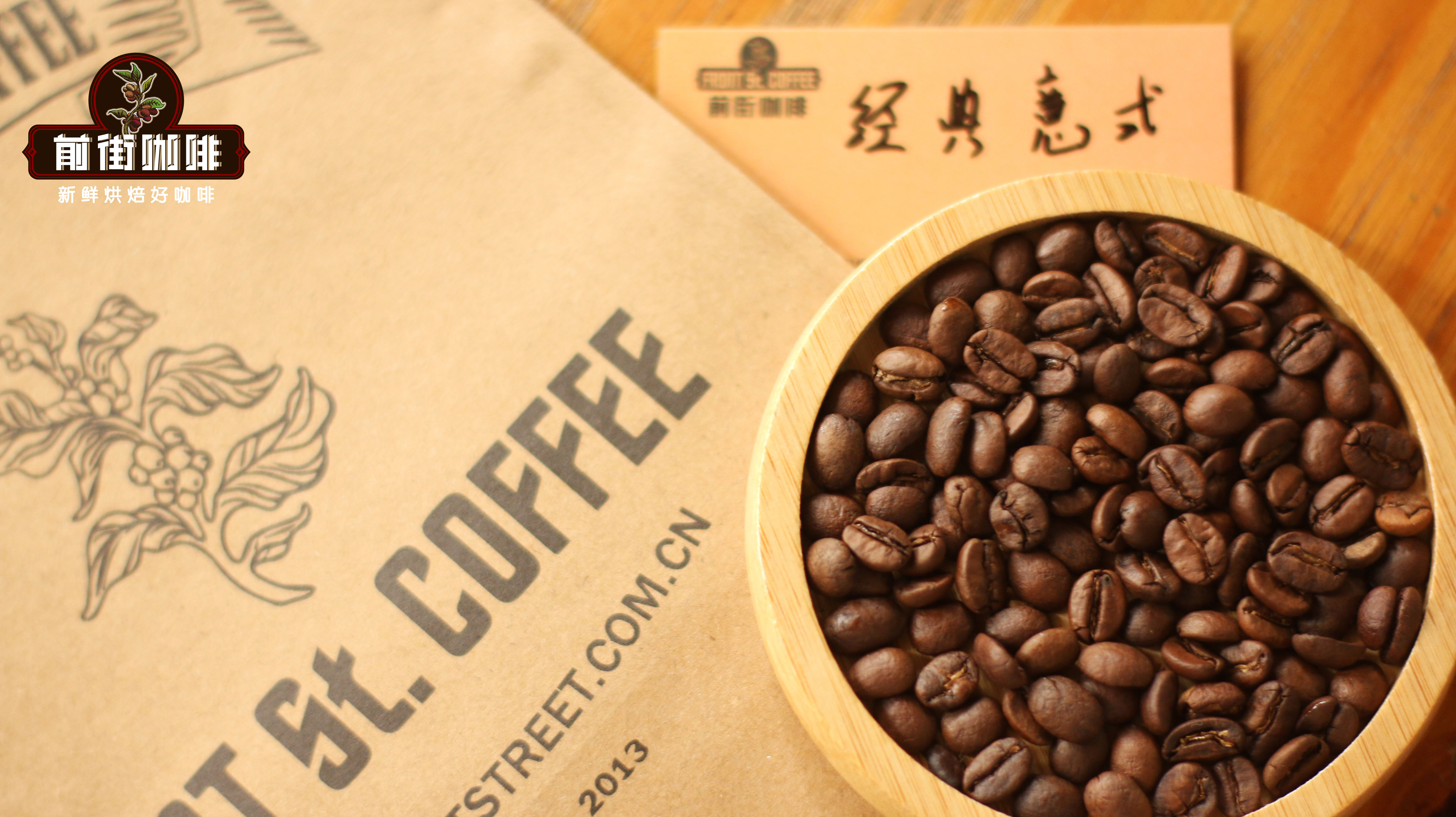
Espresso is renowned for its intense flavor and enticing crema, yet achieving such consistent quality heavily relies on selecting the appropriate blend. Generally, espresso beans are a mix of beans from different origins, achieved through blending techniques to ensure harmony and balance in flavor. This article starts with fundamental concepts, guiding you through the principles, craftsmanship, and practical applications of blending, and uses four classic espresso blends as examples to explain their composition, roast profiles, and extraction parameters.
What is a blended coffee?
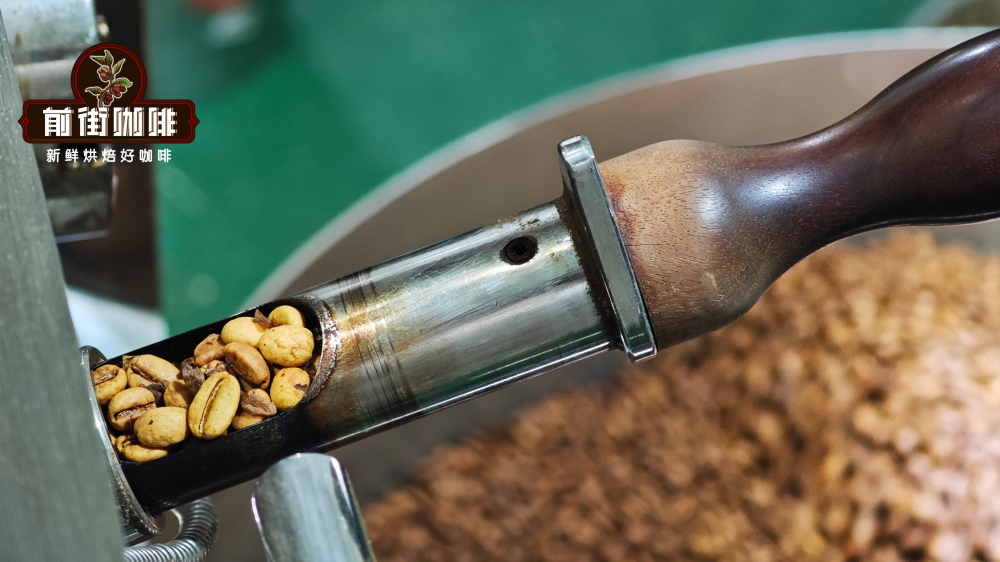
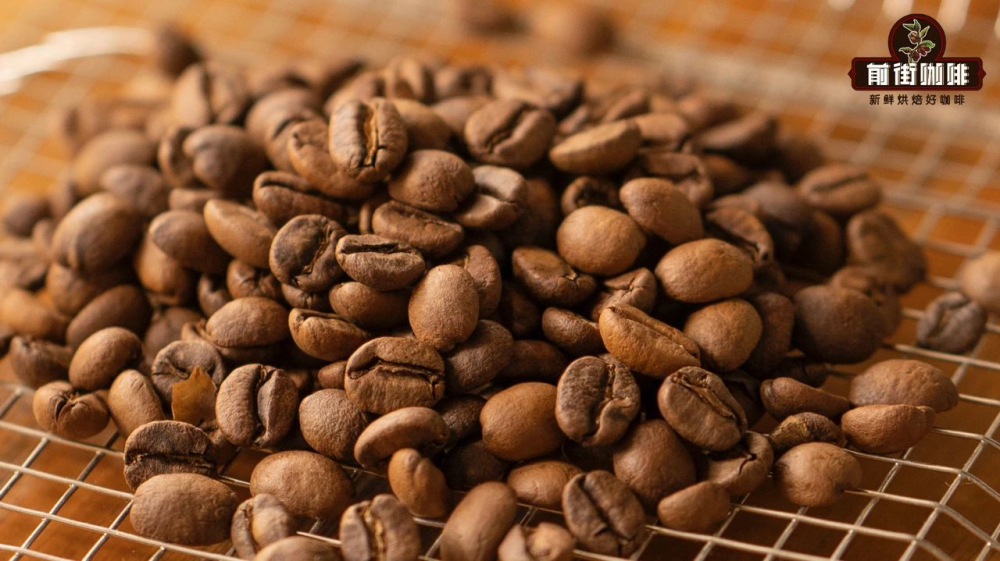
Blended coffee, also known as mixed coffee, refers to a combination of two or more coffee beans from different origins or varieties, mixed in specific proportions to achieve desired flavor profiles. This approach compensates for the shortcomings of single-origin beans—for example, some beans may have prominent aromas but lack body, and blending them with fuller-bodied beans can result in a more complete taste experience. Blending can be divided into “green blending” and “roasted blending.” The former mixes beans at the green bean stage and roasts them together, while the latter involves roasting each type separately before blending.

The advantage of green blending is that it maintains roast consistency and is relatively simple to execute; roasted blending, on the other hand, allows for optimal roast levels tailored to each bean’s characteristics, highlighting their unique flavors, though it requires stricter quality control and rest management. Regardless of the method chosen, decisions should be made based on the final product’s flavor objectives.
Why blend? Four core purposes
Behind blended coffee often lie multiple considerations, with the most common purposes including:
1. Flavor stability: Since coffee beans are agricultural products, seasonal climate variations can affect their flavor profiles. Blending helps mitigate these fluctuations, ensuring consistent taste year after year.
2. Balanced mouthfeel: The high-pressure extraction of espresso machines amplifies certain characteristics of the beans. Using beans from a single origin may lead to excessive bitterness or sourness. Blending skillfully merges the strengths and weaknesses of different beans, creating a smoother, more balanced mouthfeel.
3. Creating unique flavor profiles: Some flavors cannot be achieved with beans from a single origin—such as winey notes, caramel sweetness, or complex fruit acidity. Blending allows for the combination of layers and distinctive flavor expressions.
4. Cost and market strategy: Some cafés adjust cost structures through blending while maintaining quality and flavor, a common practice for commercial beans.
Breakdown of the blending process: from goal setting to cupping verification
To design a successful blend, the following key steps are essential:
1. Clarify the goal: First, define the purpose of the blend—is it to stabilize flavor, reduce costs, or create a unique profile? This will influence subsequent bean selection and roasting strategies.
2. Define target flavor: Based on product positioning, set the desired flavor profile—such as bold, bright acidity, or rich wine notes. This step highly tests the blender’s understanding of the characteristics of beans from various origins.
3. Choose blending method: Decide whether to use green blending or roasted blending. Both have pros and cons, and the choice depends on bean density, roast flexibility, and final product goals.
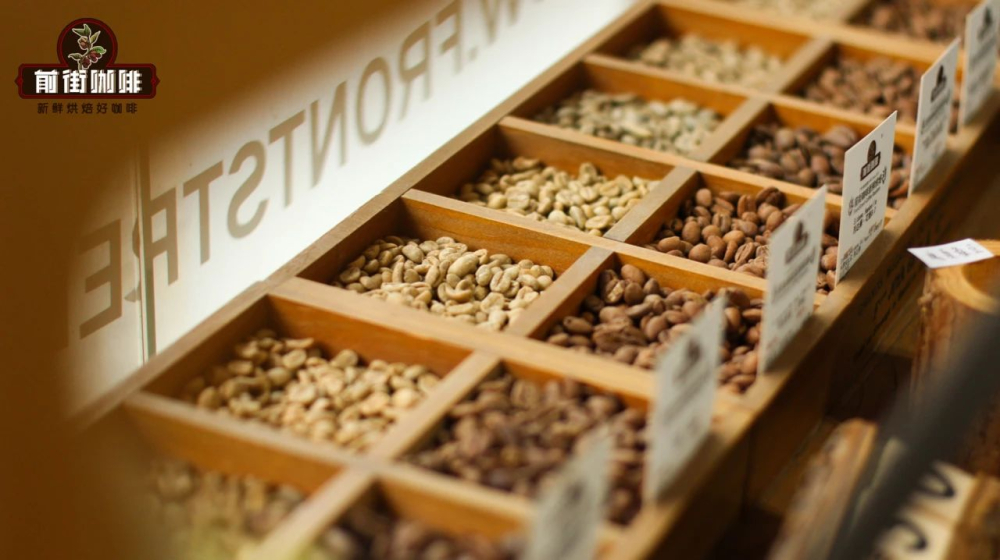
4. Set and verify blend ratios: Through pre-blend cupping, test flavor performance at different ratios, then make final adjustments and confirmations based on roast methods to ensure the expected results are achieved during actual extraction.

Analysis of four classic espresso blends
Below are four main espresso blends, including their origin sources, roasting methods, and extraction recommendations, suitable for users with varying needs and budgets.
1. Premium Espresso Blend (Colombia : Brazil 3:7)
Made with beans from Colombia’s Huila region and Brazil’s Cerrado region in a 3:7 ratio. Huila beans offer notes of nuts, chocolate, and caramel with moderate acidity; Brazilian beans are primarily full-bodied and smooth, making them suitable as the base of the blend. Roasted to medium-dark levels, this blend is ideal for daily café use, with medium-to-high crema and a mild, non-irritating flavor.
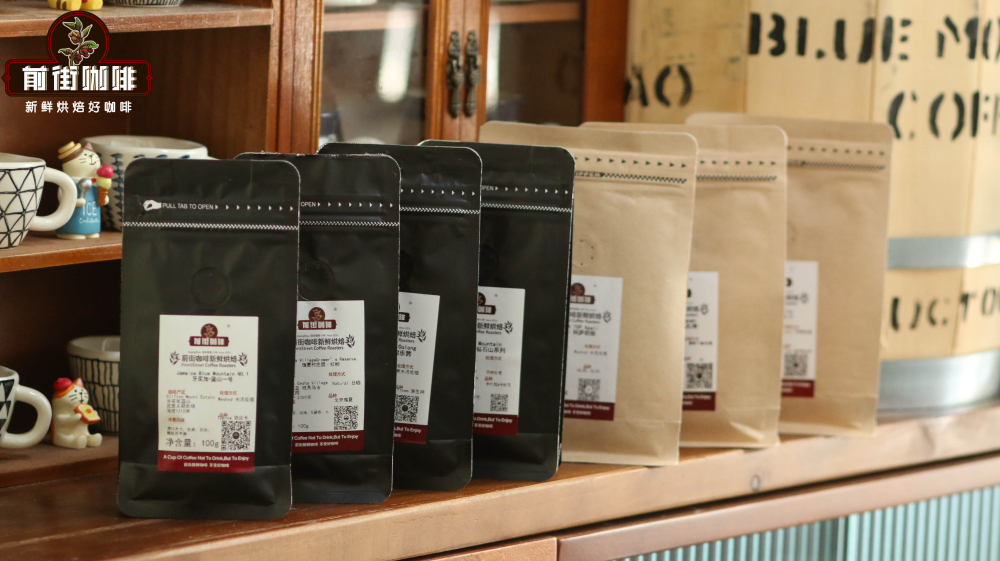
2. Commercial Espresso Blend (Colombia : Brazil : Robusta 3:6:1, green blended)
With a small amount of Robusta beans added, this blend enhances overall crema and sweet-bitter notes, making it suitable as a cost-effective commercial option. The flavor profile features caramel sweetness and dark chocolate tones, with low acidity and stable aftertaste, fitting for high-volume production cafés.
3. Basic Espresso Blend (Yunnan AA : Brazil 3:7, roasted blended)
A mix of Yunnan Typica and Brazilian beans, using roasted blending to highlight each bean’s characteristics. The flavor leans toward gentle fruit acidity and caramel sweetness, suitable for users with limited budgets who still seek basic flavor expression—ideal for home or entry-level cafés.

4. Sunflower Warmth Blend (Honduras Sherry Barrel : Yirgacheffe Natural 7:3)
Made with specialty-grade estate beans, featuring Honduras Sherry Barrel beans as the main component, delivering pronounced winey notes and chocolate undertones. Paired with the fruit acidity and citrus tones of Yirgacheffe, it offers a richly layered flavor. Recommended for medium-dark roasting, ideal for espresso and iced lattes, especially recommended for summer iced drinks.
Espresso extraction parameters and iced latte preparation
Taking the Sunflower Warmth Blend as an example, recommended espresso extraction parameters are: 20g coffee grounds, 40g yield, 28 seconds. These parameters fully bring out the winey notes and sweetness, with thick and stable crema.
When making an iced latte, mix this espresso with cold milk for a smooth texture and noticeable chocolate aftertaste—perfect for hot weather.
Why does espresso always come with a spoon?
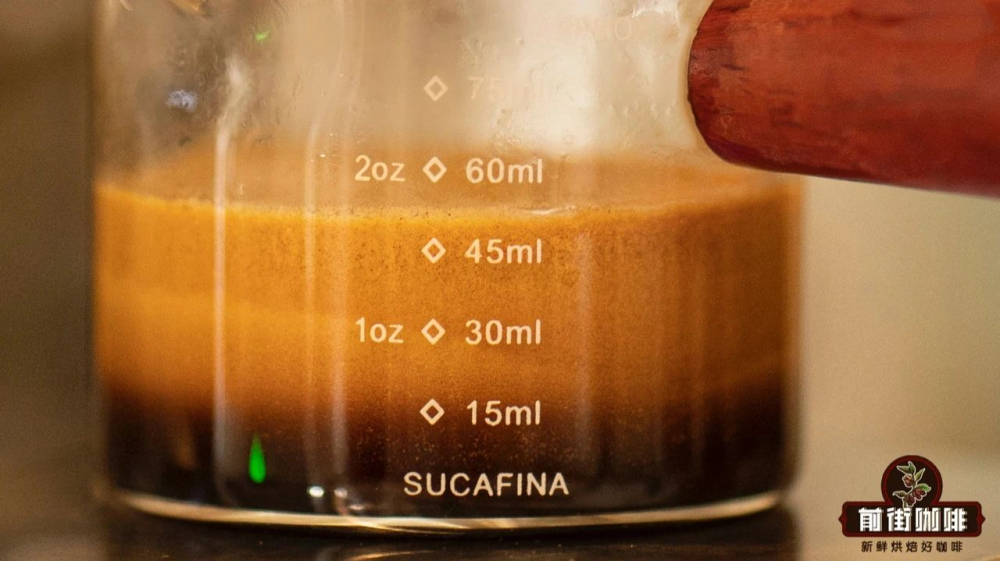
During espresso extraction, in addition to water-soluble flavor compounds, liposoluble aromatic substances are also released, forming the crema that floats on top. This layer of fine bubbles is rich in aroma; drinking without stirring may result in an incomplete flavor experience. Stirring lightly with a spoon before drinking allows water-soluble and liposoluble components to blend evenly, delivering a richer taste and olfactory experience.
The above content is compiled by CoffeeHunters, a coffee news website.


