







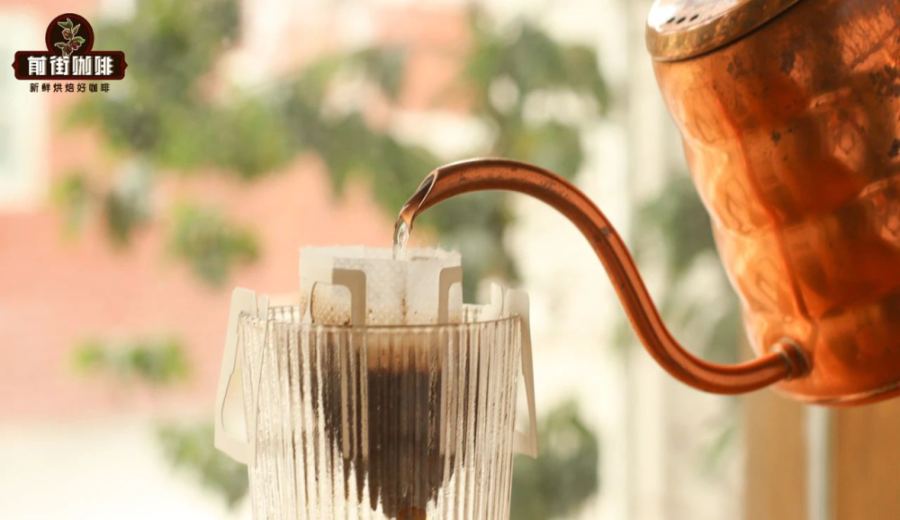
Introduction:Drip bags have become a daily pick-me-up choice for many busy modern individuals due to their ease of use and portability. However, for beginners, questions such as how to properly control water temperature, water volume, and the number of brews remain common. This article will provide a detailed guide on the key aspects of brewing with drip bags, including the optimal coffee-to-water ratio, blooming techniques, water temperature control, and why multiple brews are not recommended. At the end, we’ve also selected five drip bags with distinct flavor profiles from Ethiopia, Kenya, Panama, Indonesia, and Honduras to help you explore the unique tastes of different coffee regions.
Drip bags combine convenience with quality—just hot water and a cup are all you need to enjoy a freshly ground-level coffee experience at home or on the go. Their biggest advantage is that they don’t require complicated equipment, making them especially user-friendly for busy professionals or frequent travelers. However, many people still feel uncertain about controlling water temperature, determining the right amount of water, and whether it’s possible to rebrew when using them for the first time.
First, drip bags usually come with pre-ground coffee powder, typically around 10 grams per serving, which saves you the trouble of grinding beans and measuring them yourself. When brewing, it’s recommended to usea coffee-to-water ratio of 1:15, meaning 10 grams of coffee powder with approximately 150 milliliters of water. This ratio extracts a balanced intensity and layered flavors. If you prefer a lighter taste, you can opt for a 1:16 ratio, but be aware that the flavor may come across as more subtle.
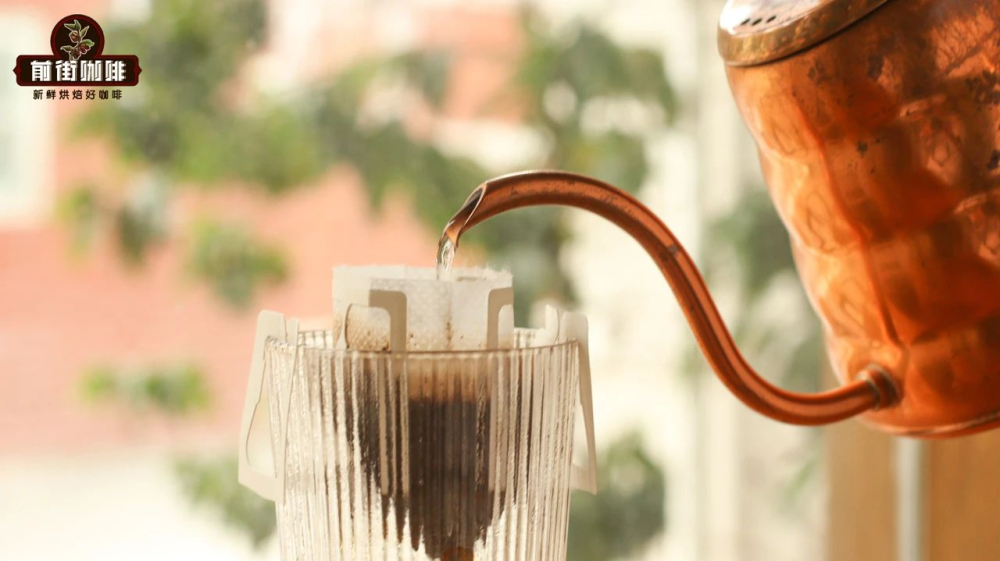
As for water temperature, it should be adjusted based on the roast level of the coffee beans.For medium to light roasts, it’s advised to use water at around 90°C, while medium to dark roasts are better brewed at approximately 88°C. If you don’t have a thermometer, you can boil the water, then turn off the heat, leave the lid open, and let it sit for 2 to 3 minutes—the temperature will drop to around 90°C (based on a room temperature of 28°C). This kind of control helps avoid over-extraction or under-extraction, both of which can negatively affect the overall flavor.
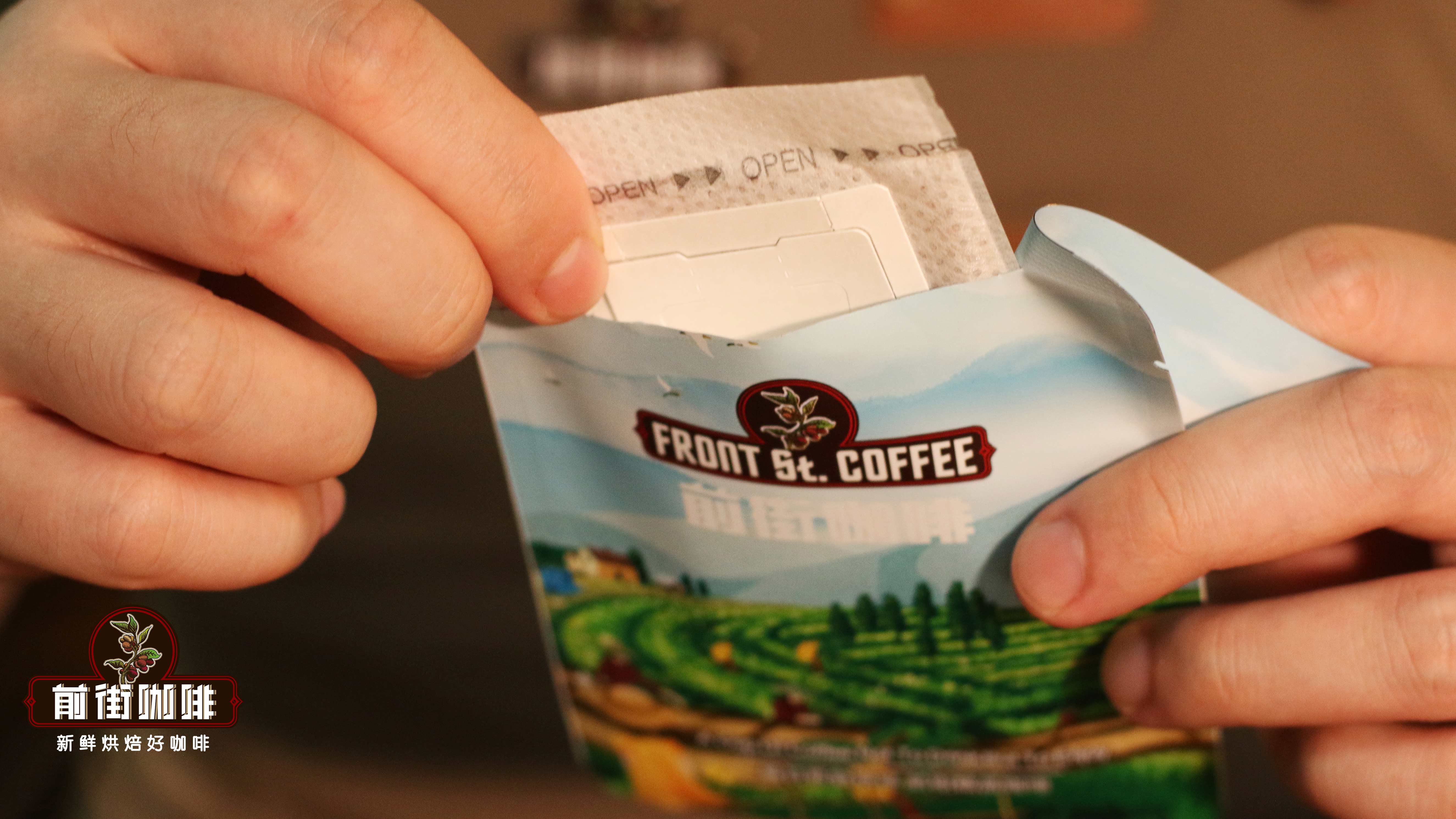
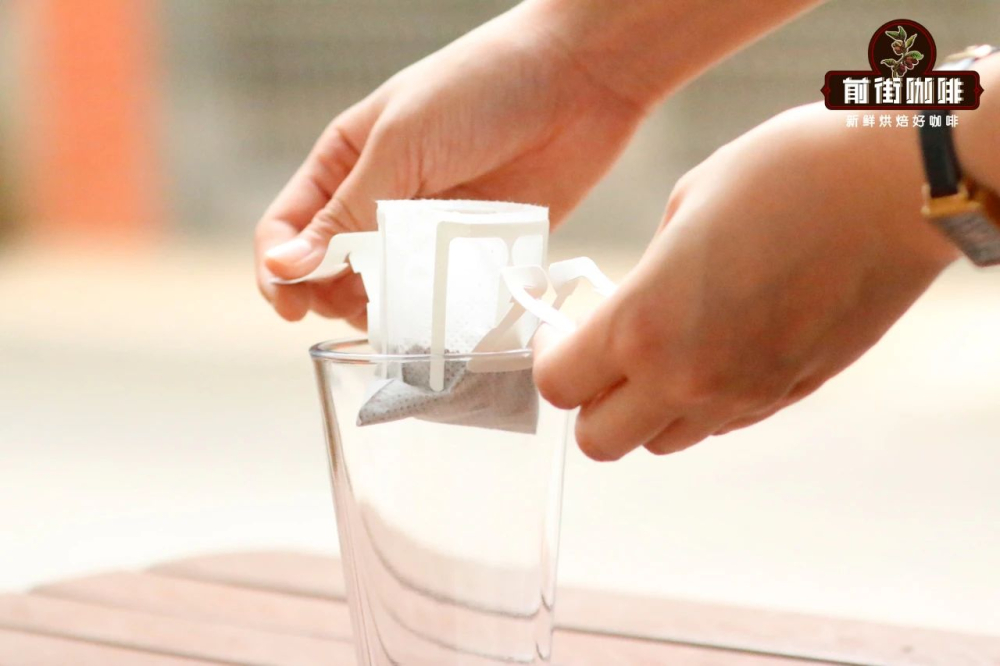
To begin brewing, you can first rinse your cup with hot water to warm it up. Then, unfold the drip bag and pull apart the two filter paper panels on the sides, placing it steadily on the rim of the cup. Gently shake the coffee powder layer to ensure an even distribution. For the initialblooming stage, it’s recommended to pour 20 to 30 grams of water. This step helps to activate the aromatic compounds in the coffee grounds, similar to the initial step in pour over brewing,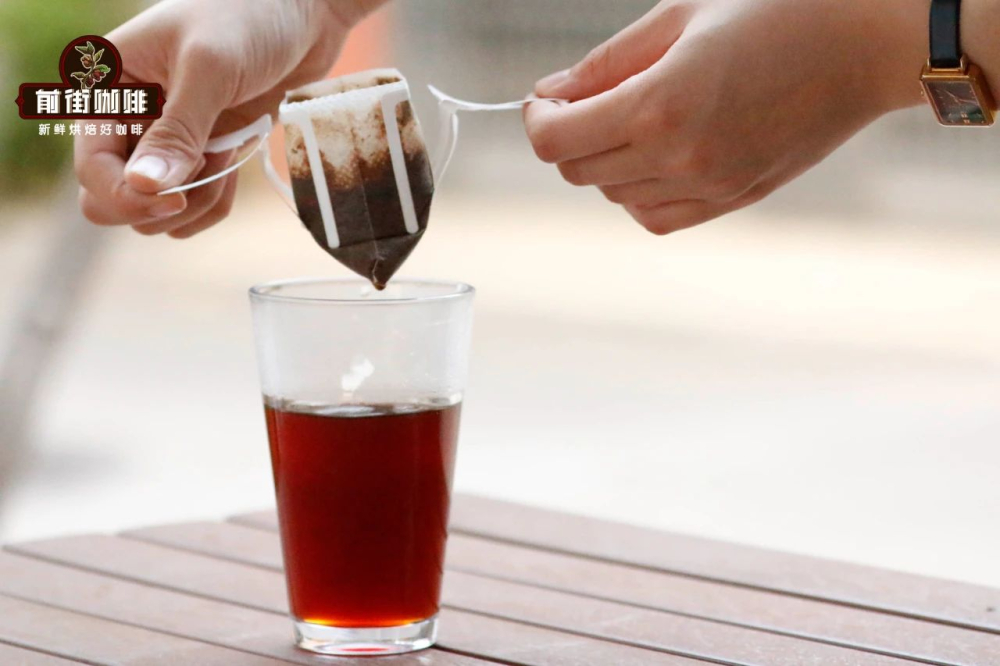 and is equally important.
After blooming, you can start the main extraction phase. Use a thin stream of water and pour in a circular motion. Once the coffee bed has settled slightly, continue pouring until the total volume reaches 140 to 150 milliliters. For more precise control, you can measure out 150 to 160 milliliters of water in advance, pour it all at once, and wait until the coffee liquid has completely dripped through before removing the drip bag. You’ll then have a hot cup of pour over-quality coffee. The entire process usually takes no more than a minute, making it highly efficient.
It’s worth noting that the coffee powder in drip bags is pre-ground, so compared to whole beans, its flavor deteriorates much more quickly. Therefore, it’s recommended to consume it soon after purchase to enjoy the best flavor. In addition, since only about 30% of the substances in coffee are soluble flavor compounds, with the rest mostly being woody fibers, rebrewing not only results in extremely weak flavors but can also release bitterness and woody off-notes. Thus,drip bags are not recommended for multiple brews.
If you’d like to explore the unique characteristics of coffees from different regions, the following five uniquely flavored drip bag sets can help you experience a diverse world of coffee in one go:
Ethiopia Yirgacheffe Sun-Dried Red Cherry: Processed using the natural (sun-dried) method, this coffee boasts pronounced sweet and sour notes, with hints of lemon, berries, and fermented wine-like aromas. It leaves a clean, refreshing aftertaste with pleasant sweetness. This coffee comes from the Red Cherry Project, which aims to improve coffee quality and farmers' incomes by handpicking ripe cherries and processing them using the sun-dried method, resulting in a rich and sweet cup.
Kenya Assalia: Sourced from a high-altitude region and fermented for up to 72 hours, this coffee features bright acidity with layers of cherry tomato and black plum flavors. Its mid-palate offers prominent sweetness, while the finish reveals notes of berries, brown sugar, and green tea, making for a delicate and complex flavor profile.
Panama Geisha Blend (Flower Butterfly): A blend consisting of 70% Geisha lineage along with Catuai and Caturra varieties, grown in the Baru Volcano region. It delivers citrus, floral, honey, and tea-like notes, with high sweetness and excellent cost-performance, perfect for those who enjoy fruity and floral profiles.
Indonesia Lintong Mandheling: Processed using the wet-hulled (Giling Basah) method, this coffee exhibits a bold profile of herbs, nuts, and cocoa, with a rich flavor and long-lasting aftertaste—ideal for those who prefer deeper, more intense cups.
Honduras Sherry: From the Mocha Estate in Masaguara, this coffee showcases enchanting layers of vanilla, cream, and sherry wine notes, with a notable wine-like body. It’s well-suited for coffee lovers who enjoy sweet, creamy, and wine-infused flavor profiles.
The above content is compiled by CoffeeHunters, a coffee news website.


