








Introduction:The charm of pour over coffee lies in its ability to clearly showcase the unique characteristics of single-origin beans. This article explores the flavor profiles and recommended brewing styles of coffee from the three major regions—Asia, Africa, and Latin America—and highlights popular single-origin beans such as Indonesia’s Golden Mandheling, Ethiopia’s Yirgacheffe, and Colombia’s Hiza, helping you find the one that best suits your taste preferences.
To enjoy a clear and distinctive single-origin pour over at home, the first step is choosing the right coffee beans. With an overwhelming variety of single-origin options available—especially from shops offering over 200 choices—it can be daunting for beginners. In fact, by grasping the basic flavor profiles of the three major regions, you can quickly narrow down your options and find the bean that best matches your palate.
Specialty coffee emphasizes beans sourced from a single origin, or even a specific farm, allowing the unique terroir and processing methods of that region to shine. The world’s major coffee-producing regions can be divided into three main areas: Asia, Africa, and Latin America. Due to differences in altitude, climate, and processing traditions, the balance of acidity, sweetness, and bitterness, as well as the aromatic profiles, vary significantly. Generally speaking, Asian-origin coffees tend to be bold and full-bodied, with spicy and herbal notes; African coffees are known for their bright fruit acidity and citrus tones; while Latin American coffees are mostly well-balanced, with a foundation of nuts, chocolate, and cocoa.
[Asian Region: Bold & Herbal, Spicy Notes]
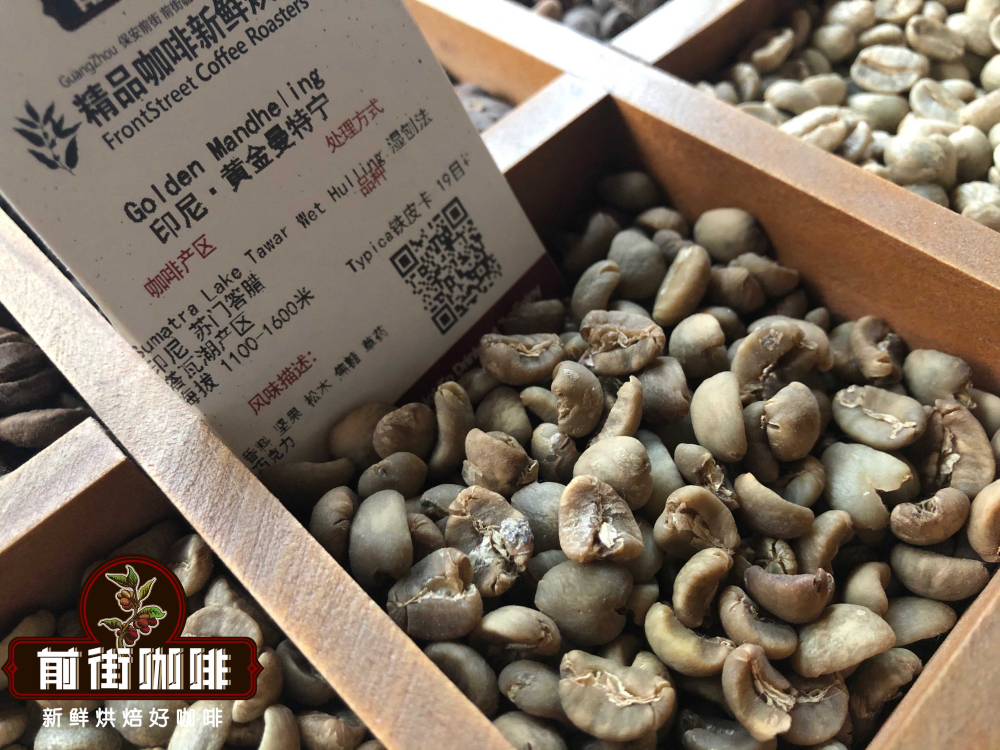
Asia is the world’s second-largest coffee-producing region, represented by Indonesia and China’s Yunnan Province. Coffees from this area are typically bold and substantial, with lower acidity but often accompanied by complex notes resembling wood, herbs, or spices. Wet-hulling is a unique processing method in Indonesia that helps maintain quality in rainy conditions, resulting in classic profiles such as those of Mandheling—low in acidity with earthy, nutty, and caramel-like aromas.
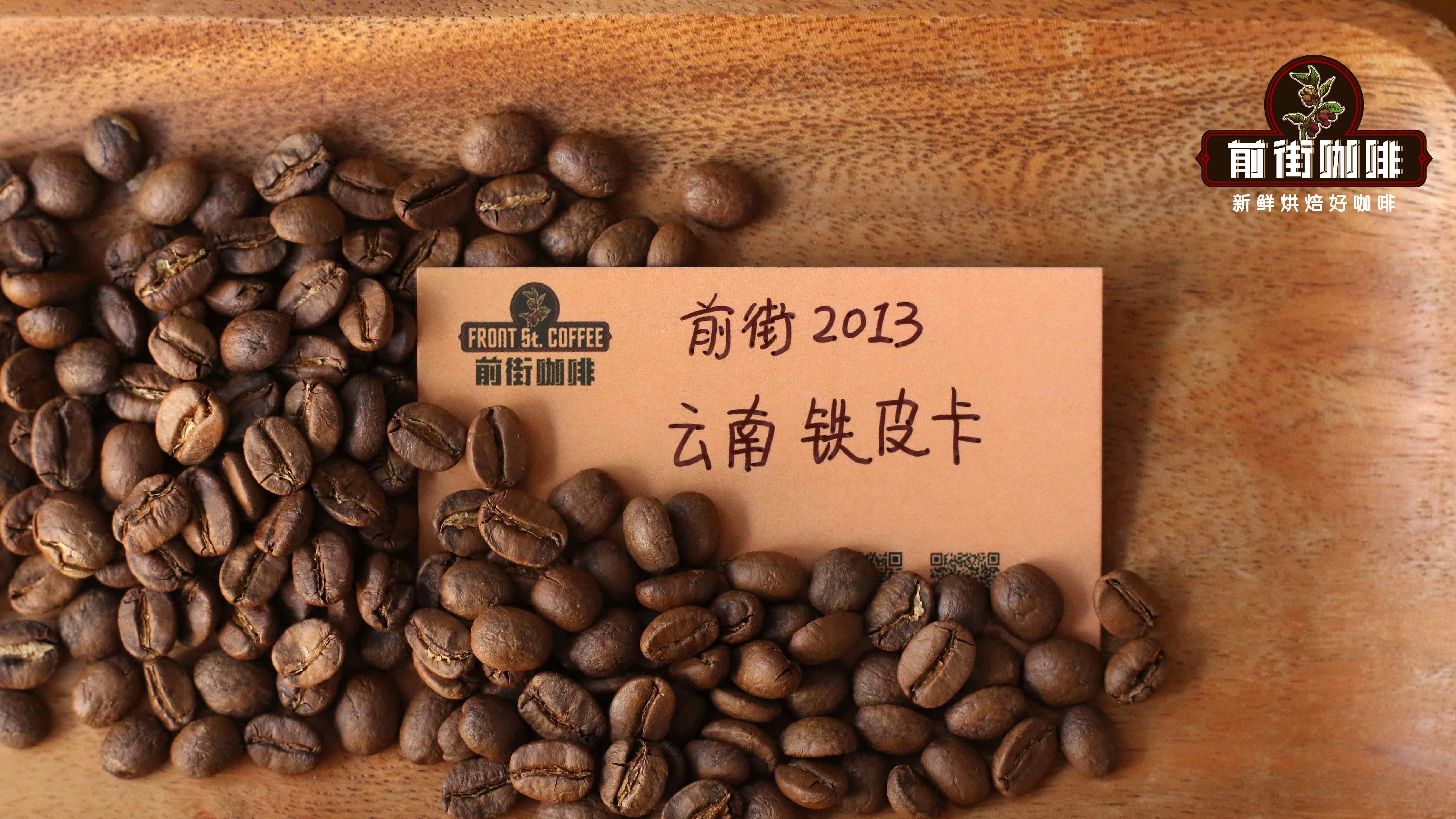
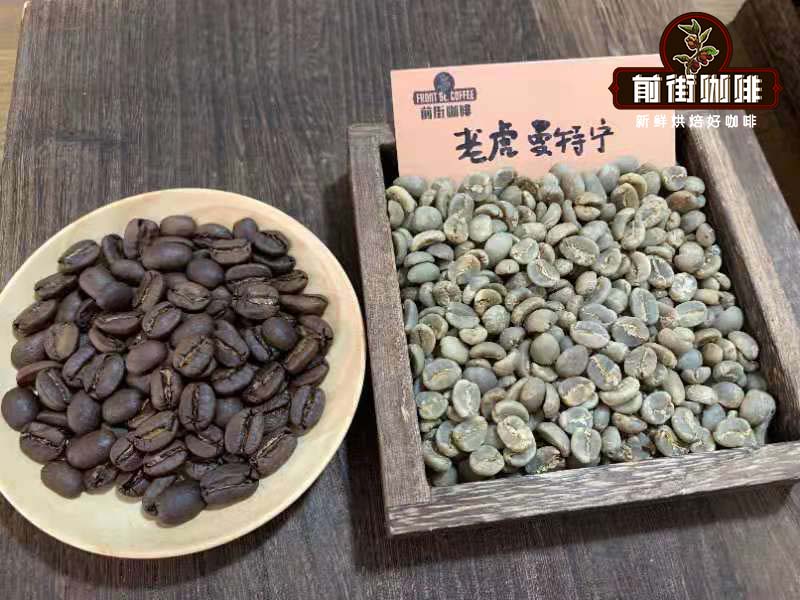
Indonesia’s Sumatra Golden Mandheling, grown at altitudes of 1100–1600 meters on the Gayo Plateau using the Ateng variety and wet-hulling processing, offers pronounced notes of roasted toast, nuts, and caramel after brewing, with noticeable herbal undertones but improved overall clarity. For a fuller and more balanced profile, Tiger Mandheling (grown at 1500 meters, with varieties including Catucai and Typica) features layers of cream and dark chocolate with a well-balanced bitterness and sweetness. Aged Mandheling, on the other hand, undergoes 2–3 years of natural aging, reducing acidity and developing flavors reminiscent of aged pu’er, caramel, and chocolate—ideal for those who prefer deep, low-acidity profiles.
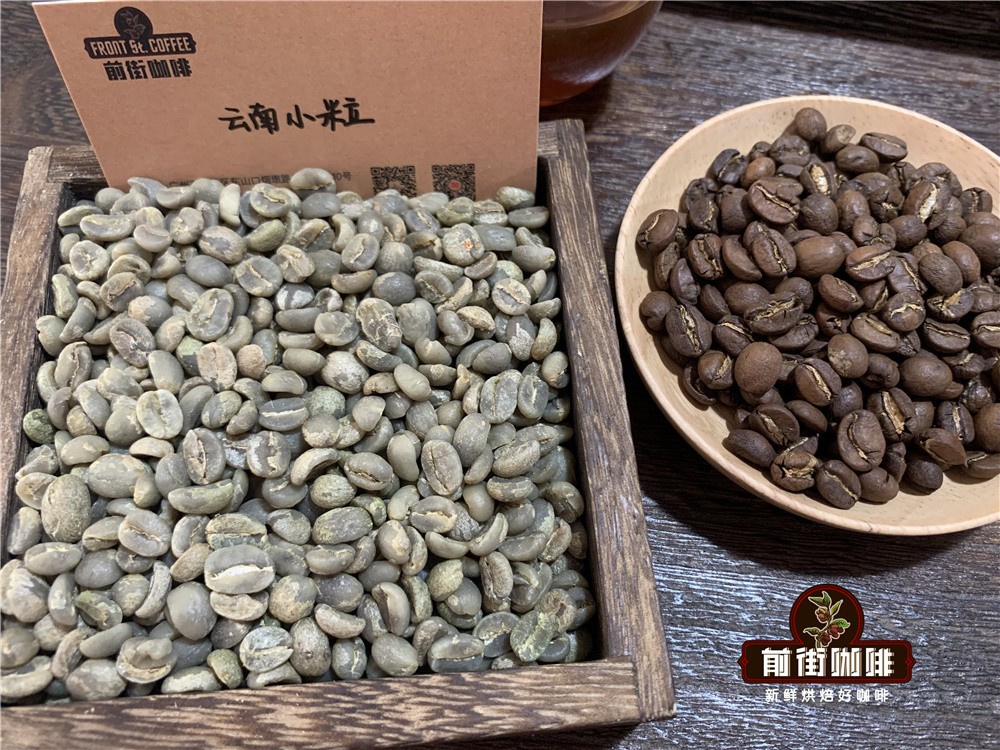
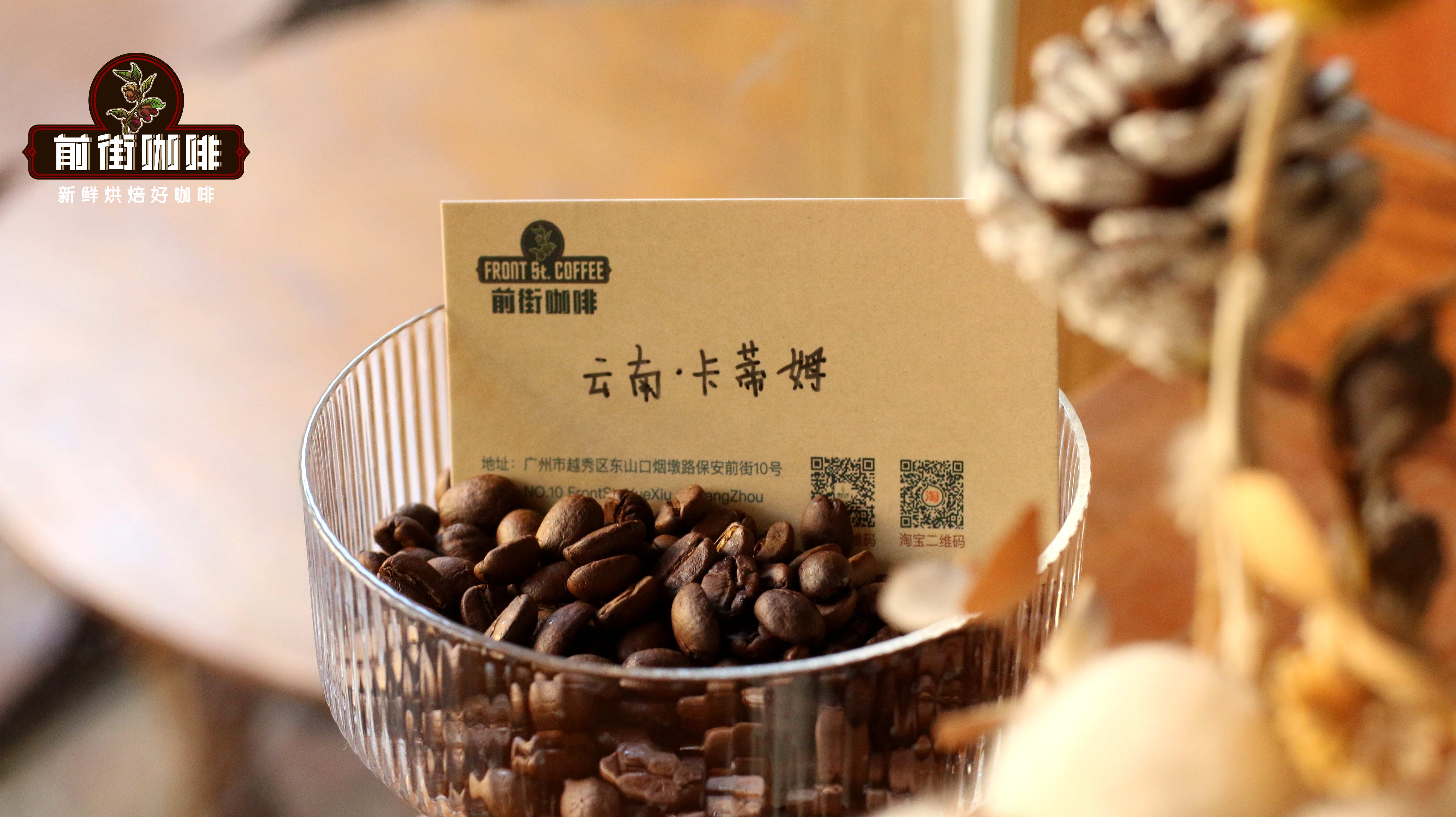
Although China’s Yunnan is not traditionally a major player in specialty coffee, its quality has improved rapidly in recent years. Locally grown Typica (1450–1550 meters, washed process) offers notes of citrus, plum, and brown sugar, making it suitable for those who enjoy fruity aromas and mild acidity. Sun-dried Catimor, on the other hand, undergoes prolonged fermentation with the fruit pulp, resulting in a rich profile of caramel, dried fruit, and dark chocolate—perfect for drinkers who prefer sweet and intense flavors.

[African Region: Bright Acidity, Citrusy Flavors]
Africa is the birthplace of coffee, boasting diverse varieties, particularly Ethiopia and Kenya. Coffees from this region typically feature vibrant fruit acidity, with citrus or berry aromas. They are refreshing and bright, though they often lack the body and sweetness seen in other regions.
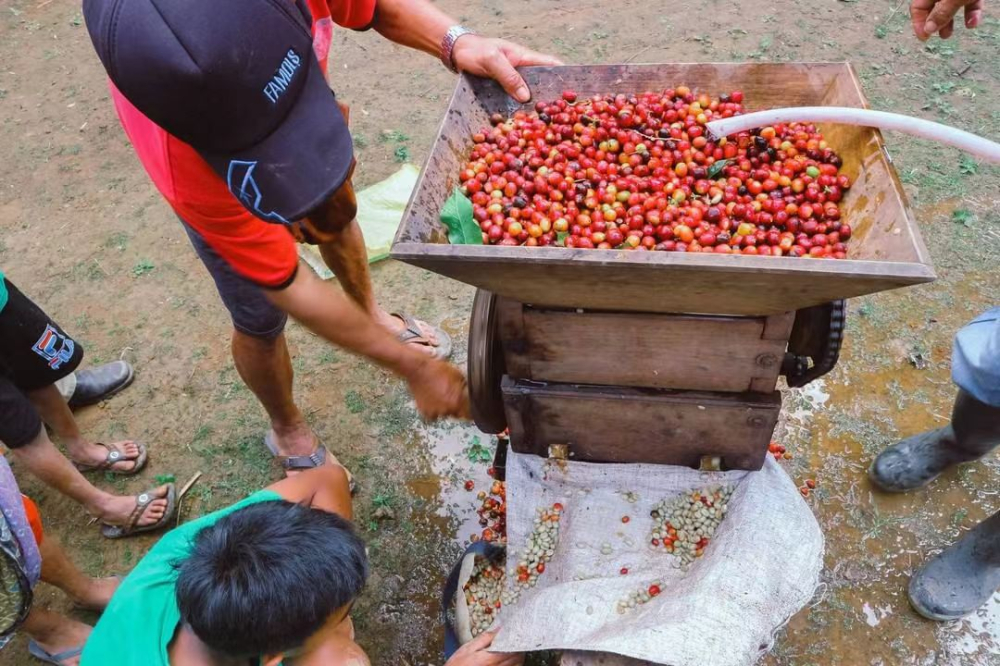
Ethiopia’s Yirgacheffe region is renowned for its natural red cherry processing method. Native variety beans grown at 2300 meters produce vibrant notes of berries, lemon, and fermented wine when brewed, with bold aromas and rich sweetness.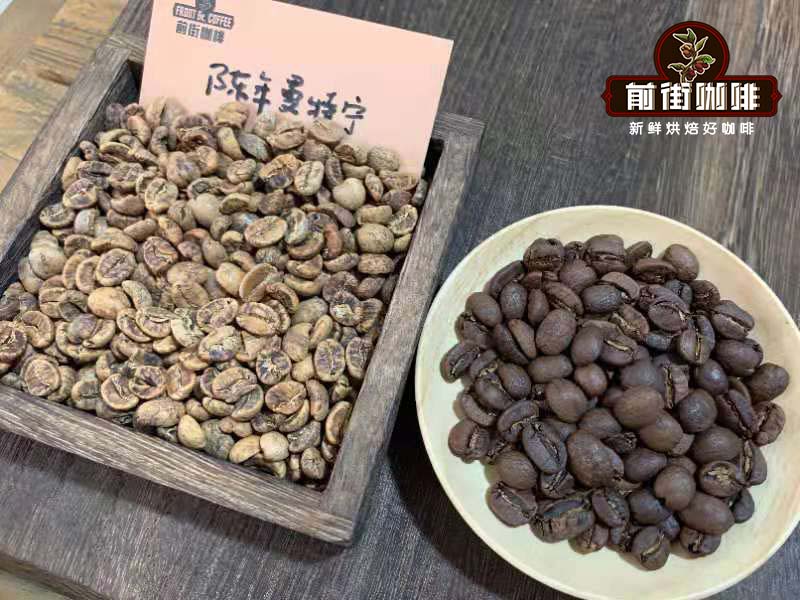
Kenya’s Assaliya region uses a 72-hour cold water washing process. The SL28 and SL34 varieties, grown at 1550–1750 meters, yield a bright and layered profile of pears, black plums, brown sugar, and cherry tomatoes when brewed. These beans are an excellent choice for those who love high acidity and vibrant flavors.
[Latin American Region: Balanced & Full-Bodied, Nutty & Chocolatey Foundation]
Latin America includes well-known producing countries such as Brazil, Costa Rica, and Colombia. Coffees from this region are typically well-balanced, with a solid foundation of cocoa, nuts, and dark chocolate—ideal for those who prefer stable flavors and comforting profiles.
Brazil’s Fazenda Rainha Yellow Bourbon (1400–1950 meters, pulped natural process) is known for its sweetness, featuring aromas of nuts, peanut butter, and fermented fruit. Its sugarcane-like sweetness results in a smooth and rounded cup. Costa Rica’s Musician Series uses honey processing, with Mozart (1800 meters, Catuaí and Catucaí) celebrated for its raisin acidity, berries, and floral notes—its sweetness persists even as it cools. Bahia (1950 meters) offers rich fruit tea notes and subtle wine-like aromas, with a prominent sweetness in the mid-to-late sips.
Colombia’s Hiza (1800 meters, double anaerobic natural process) has become a common contender in recent competitions, showcasing layered fruit notes of passionfruit, grapes, and apricots. Rosalía (1700 meters, anaerobic double enzymatic washed process) is characterized by honey, strawberry, and juice-like sensations, making it a great choice for coffee lovers who enjoy sweet and fruity profiles.

The above content is compiled by CoffeeHunters, a coffee news website.


