








Introduction:German-style iced coffee often uses espresso as its base, paired with ice cream, caramel sauce, and alcohol to create a rich and sweet flavor profile. But if you're looking for an easier and more refreshing summer iced coffee option, cold brew is a great solution. This article will delve into the brewing principles, steps, and key parameters of cold drip cold brew coffee, and recommend several high-quality coffee beans suitable for making iced drinks—perfect for both beginners and advanced enthusiasts.
Iced coffee varies in style around the world. In the United States, the popular iced americano is made primarily with espresso and iced water; Italians are accustomed to shaking espresso with ice cubes to produce a coffee with delicate foam; as for Germany, they take extended-extraction espresso and add vanilla ice cream, whipped cream, caramel sauce, and even rum, creating a luxurious iced coffee that resembles a dessert. However, these beverages mostly rely on espresso machines, making them relatively complex for home use.
If you want to easily enjoy a cool and refreshing cup of coffee at home, cold brew is undoubtedly a more accessible and simple choice. Through long-term cold water immersion, it reduces bitterness while fully extracting flavors, making it especially suitable for summer consumption. Next, let’s take an in-depth look at the cold brew process and recommended beans, mastering everything from extraction principles to practical operation.

Unlike traditional hot water extraction, cold brew coffee uses room temperature or cold water for extended immersion, typically taking 12 to 16 hours. Due to the absence of heat, bitter substances are less likely to be released, resulting in a smoother and cleaner taste. At the same time, the longer steeping time allows for the extraction of richer aroma and sweetness, with relatively higher caffeine content, making it ideal for moments when you need a pick-me-up.
The steps for making cold brew coffee are quite simple and require no professional equipment—just a cold brew pitcher or a sealed container. It’s recommended to use light-roast, washed-process coffee beans to better highlight bright acidity and floral notes, making it easy even for beginners. For example, washed Ethiopian beans, with their vibrant citrus, green tea, and creamy tones, are a classic choice for cold brew.
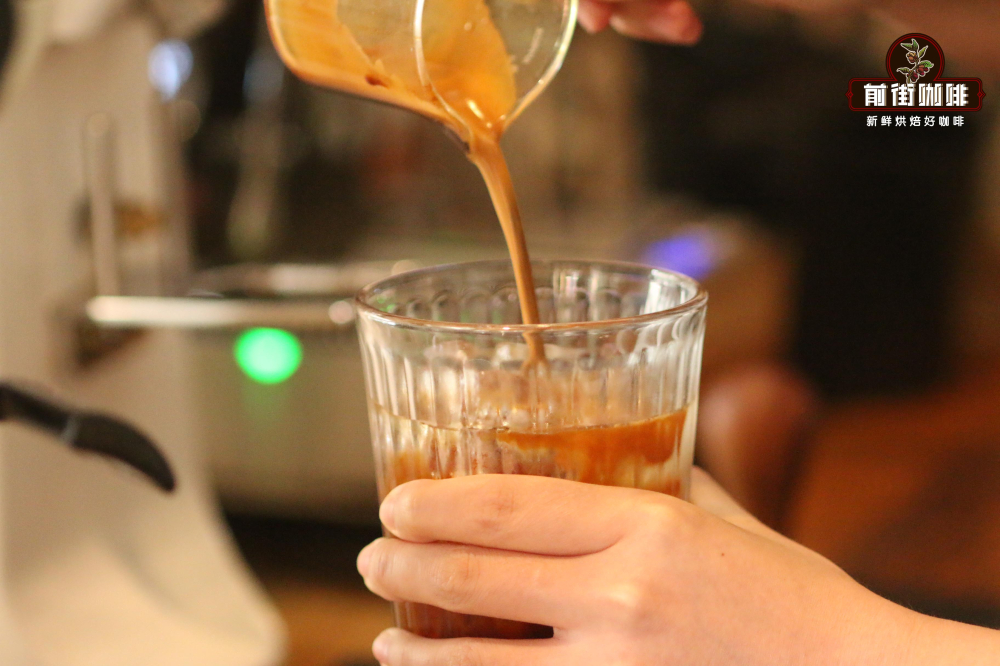
Here are the reference parameters for making cold brew coffee at home: the coffee-to-water ratio is suggested to be 1:12 (i.e., 12 grams of water for every gram of coffee), using room temperature water for brewing, with a time frame of 12 to 16 hours. Brewing in the refrigerator yields better results. If you’re using a cold brew pitcher with about 1-liter capacity, you can use around 60 grams of coffee, but this can be adjusted based on personal preference and container size—as long as the same ratio is maintained and the coffee is fully submerged in water.
The specific steps are as follows: First, place the ground coffee into the filter of the cold brew pitcher, then slowly pour 720 grams of room temperature water, gently stirring to ensure the coffee grounds are evenly wet. Next, cover the filter lid and main lid, and place the entire pitcher in the refrigerator for 12 to 16 hours. After steeping, lift the filter and let it sit at the opening of the pitcher to allow residual coffee liquid to drip off, then remove the coffee grounds and pour out to enjoy. If you find the concentration too strong, you can adjust by using a 1:13 coffee-to-water ratio or adding ice and water when serving.
Choosing the right coffee beans for cold brew is crucial. Below are several high-quality bean options with distinct flavors, well-suited for making iced drinks. First is the Ethiopian Natural Red Cherry coffee bean, a medium-light roasted washed bean with pronounced white floral, citrus, green tea, and creamy aromas. It has a balanced sweet and sour profile, a refreshing taste, and due to being sun-dried with the whole fruit, it carries a gentle fermentation note with prominent sweetness—ideal for those seeking a fresh fruity aroma.
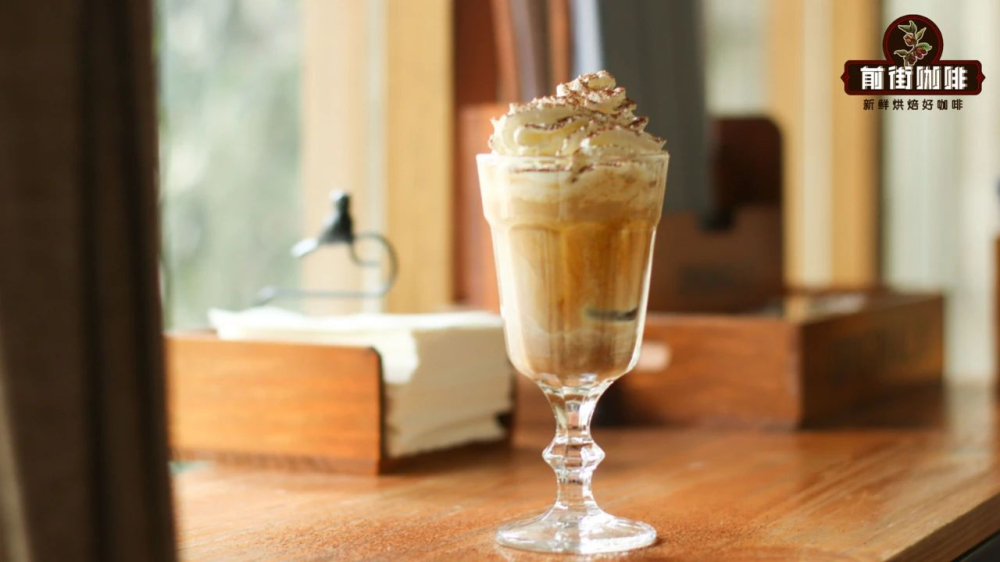
Another recommendation is the Panamanian Elida Estate Natural Typica coffee bean, a medium roast that showcases flavors of peach, orange, raisin, and caramel. The Typica variety itself has a clean character, and the natural processing brings a rich juiciness, making this bean deliver a smooth and full-bodied taste in iced drinks—perfect for consumers who enjoy fruity and mellow sweetness.
Finally, we recommend the Colombian Finca La Frontera Sidra coffee bean, which uses the Sidra variety—a hybrid experimental variety between Typica and Red Bourbon—boasting highly expressive floral and fruity notes, including peach, citrus, grape, and honey. It has moderate acidity, a round mouthfeel, and excellent cost-performance. The Sidra variety has gradually gained attention for its outstanding performance in international competitions, making it a great choice for those seeking unique flavors and high-quality cold brew.

The above content is compiled by CoffeeHunters, a coffee news website.


