







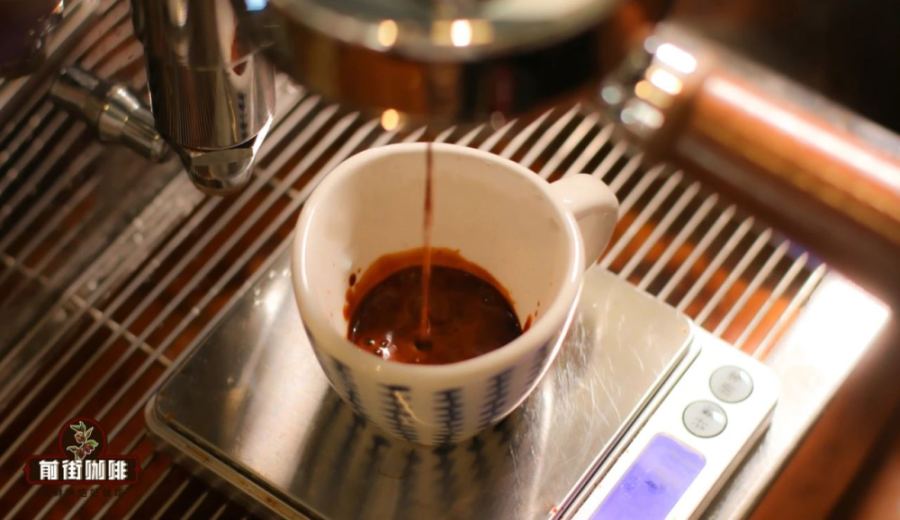
Introduction:Struggling to make espresso at home that rivals café quality? This article delves into the principles of espresso extraction with home espresso machines, covering everything from how the machine works, key parameter settings, coffee bean selection, to step-by-step practical instructions. It helps you master extraction techniques and dial in a rich, smooth shot—offering useful tips for both beginners and advanced enthusiasts.
Espresso is beloved for its intense, bold flavor, yet many encounter issues like underwhelming extraction or overly bitter, burnt notes when using home machines. To brew a shot that approaches professional standards, it’s essential to understand the extraction principles and proper workflow.
Making espresso relies on the high-pressure hot water generated by a specialized machine. The machine heats water in the boiler to approximately 94°C, then forces it through finely ground coffee under high pressure (around 9-10 bar), extracting a thick, honey-like coffee liquid. This process usually takes only 25 to 30 secondsto produce a standard double shot.
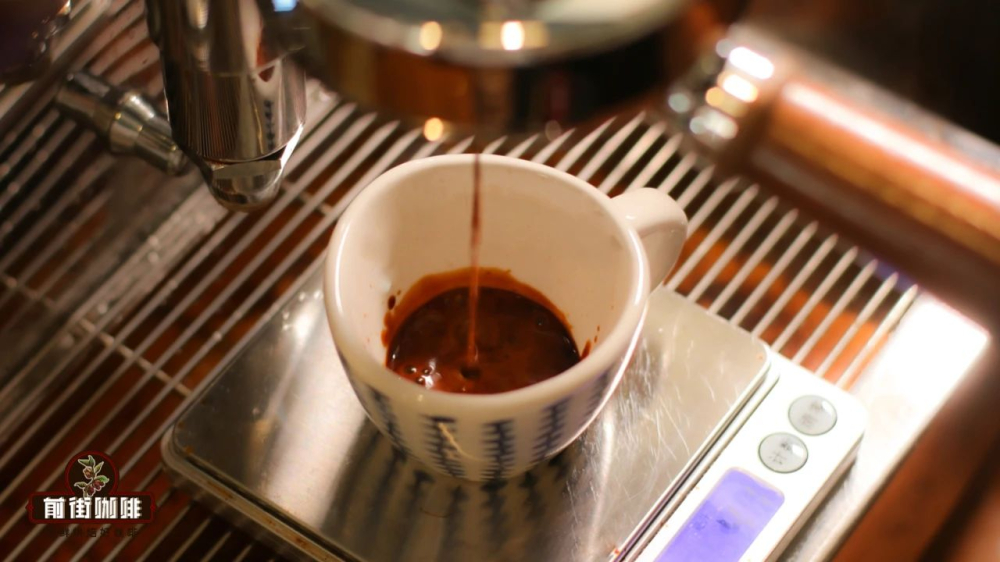
How can you tell if your espresso extraction is successful? An ideal shot will start as a deep reddish-brown with a smooth, velvety texture; as extraction continues, the color gradually transitions to golden and light gold. If the flow is too fast, the coffee may taste weak and thin; if too slow, it can become overly bitter or burnt. A common guideline is to use a double basket with 20 grams of coffeeto yield 40 grams of espresso, or a single basket with 10 grams of coffee to produce 20 grams of espresso, maintaining a ratio of 1:2, and keeping the time between 25–30 seconds.
If the shot pulls too quickly, try grinding finer or slightly increasing the coffee dose; if it pulls too slowly, consider a coarser grind or reducing the coffee amount to balance the flavor.
Your choice of coffee beans greatly affects the final espresso profile. For beginners, it’s recommended to start with espresso blends specifically designed for this purpose, as their flavor is stable and pairs well with high-pressure extraction, helping to mitigate the downsides of single-origin beans under intense brewing.
If you prefer a more complex, layered flavor, try a blend combining Ethiopian Yirgacheffe natural and Honduran Sherry beans, which offers whisky-like fermentation notes, fruity acidity, and caramel sweetness—with vivid, multi-dimensional taste.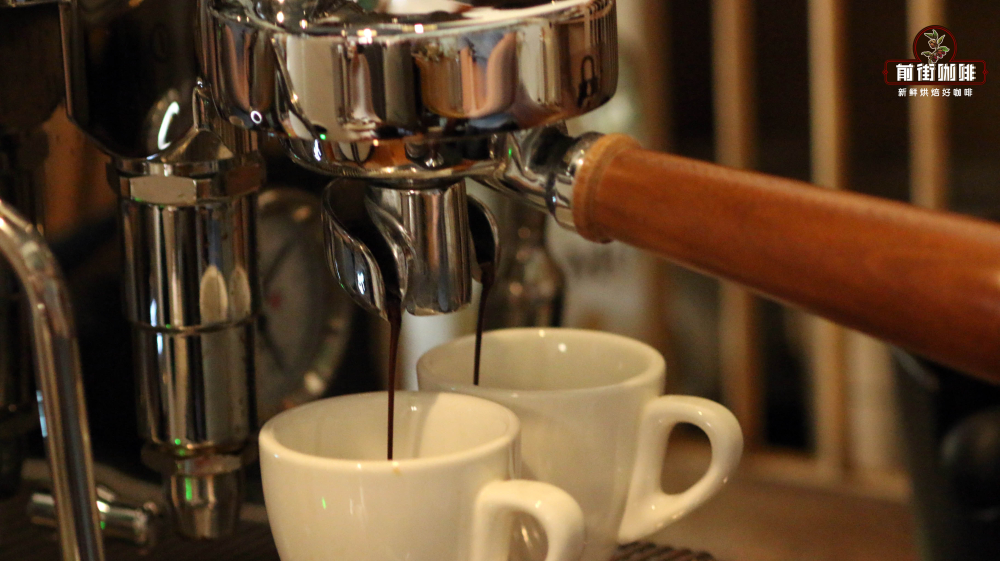
For a bold, rich-bodied espresso with a thick crema, opt for a blend based on Brazilian and Indonesian Arabica beans, with a small portion of Robusta. These typically feature intense roasted nut and dark cocoa aromas, along with silky caramel sweetness and an inviting golden crema.
In terms of the actual brewing steps, first turn on the machine and preheat it to 94°C. Before brewing, ensure the portafilter basket is dry, and use a scale to precisely measure 20 grams of coffee(for a double shot) or 10 grams(for a single). Use a distribution tool to evenly spread the grounds, then tamp firmly and evenly with a tamper—this is the foundation for stable extraction.
Next, open the brew switch to run water for 1–2 secondsto purge the group head and remove any old coffee grounds. Place your cup under the spout and tare the scale to zero in preparation for measuring the yield.
Lock the portafilter securely into the group head and begin extraction. Observe the flow rate and color changes of the espresso; when you’ve reached 40 grams and the time is around 25–30 seconds, stop the extraction. Note that factors such as ambient humidity and bean freshness may affect extraction parameters—adjust the dose, grind size, and yield as needed to achieve the best flavor.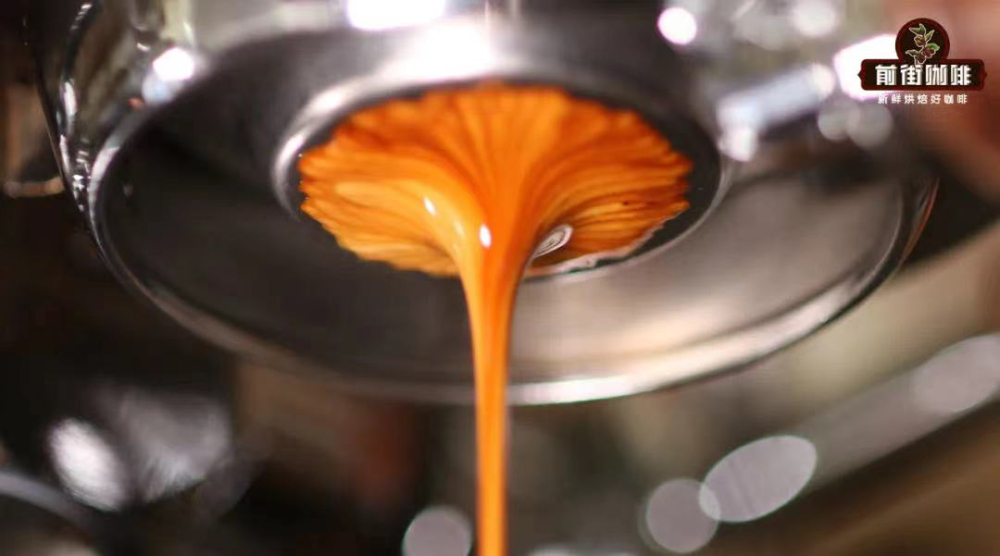
The above content is compiled by CoffeeHunters, a coffee news website.


