







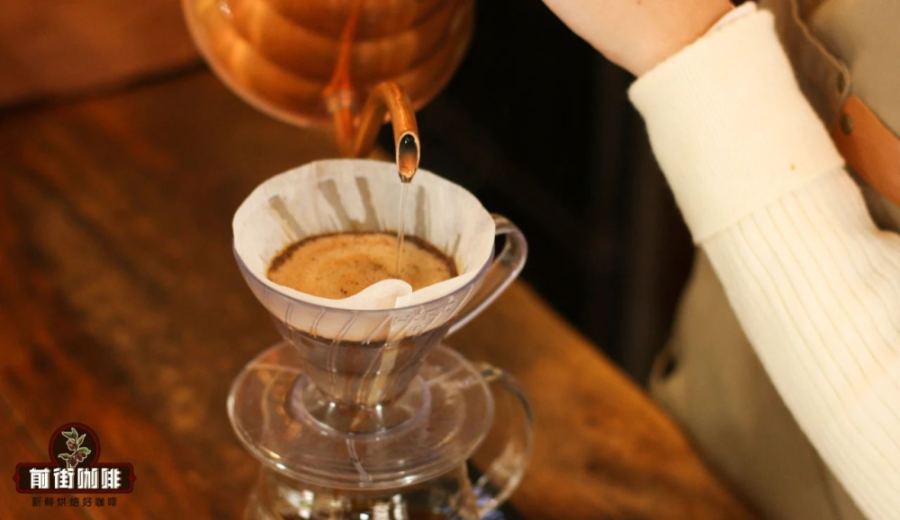
Introduction:When brewing pour over coffee at home, do you often encounter inconsistent flavors even after mastering basic parameters? The key usually lies in the nuances of the "pouring technique." This article delves into the logic behind water distribution in single-pour (一刀流) and three-pour (三刀流) methods, explores how blooming water volume, swirling speed, pouring height, stream strength, and pouring range impact extraction flavor, and provides complete brewing references for three classic single-origin beans (washed Yirgacheffe, Tarrazú, and Lintong Mandheling) to help you fine-tune your technique from beginner to advanced.
Many pour over enthusiasts, even after fixing variables like coffee dose, brew ratio, water temperature, grind size, and equipment, still notice significant flavor variations between brews. A common bottleneck in such cases is the control of the "pouring technique." This article will break down the extraction differences between single-pour and three-pour methods by focusing on two core aspects: water volume distribution and pouring technique. It also analyzes how details like blooming water volume, swirling speed, pouring height, stream size, and swirling range directly affect final flavor profiles, along with practical brewing references for three regionally distinctive single-origin beans—washed Yirgacheffe, Tarrazú, and Lintong Mandheling.
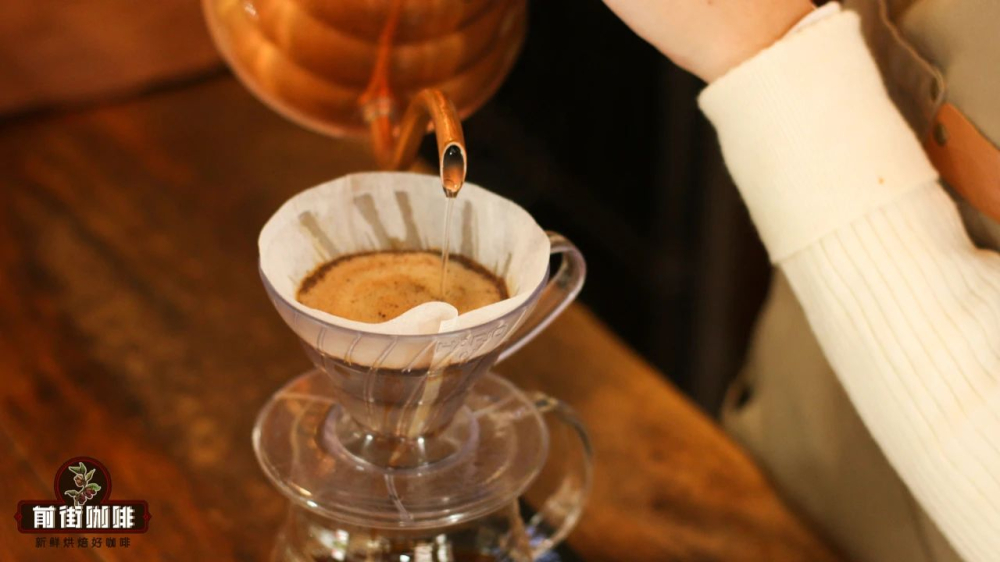
The essence of pour over coffee is the process of evenly infiltrating hot water through a bed of coffee grounds to extract flavor compounds, and the key to a well-balanced brewing recipe lies in "how to pour" to achieve optimal equilibrium. This can be simplified into two main elements: the logic of water volume distribution and the specifics of the pouring technique.
Water volume distribution refers to how blooming and subsequent pours are arranged in proportion and stages, given a fixed total brew ratio. The commonly used single-pour and three-pour methods represent two distinctly different distribution strategies.
In the single-pour method, all remaining water is poured continuously in one go after blooming; whereas the three-pour method divides this water into three stages for gradual pouring. Notably, the total water volume is the same for both, but the single-pour method, due to the larger volume poured at once, can cause the water level to rise quickly, shortening overall extraction time, often resulting in brighter, cleaner, but relatively flatter flavor profiles. In contrast, the three-pour method extends extraction time through segmented pours, typically yielding richer, fuller, and more complex taste experiences.
Even when using multi-stage pours, uneven water distribution across stages can still affect the final flavor. For example, with light roasted beans, a higher proportion of water in the early stage can emphasize acidity while lacking sweetness; if the later stage has too much water, it may enhance sweetness but risk introducing bitterness if not managed properly.
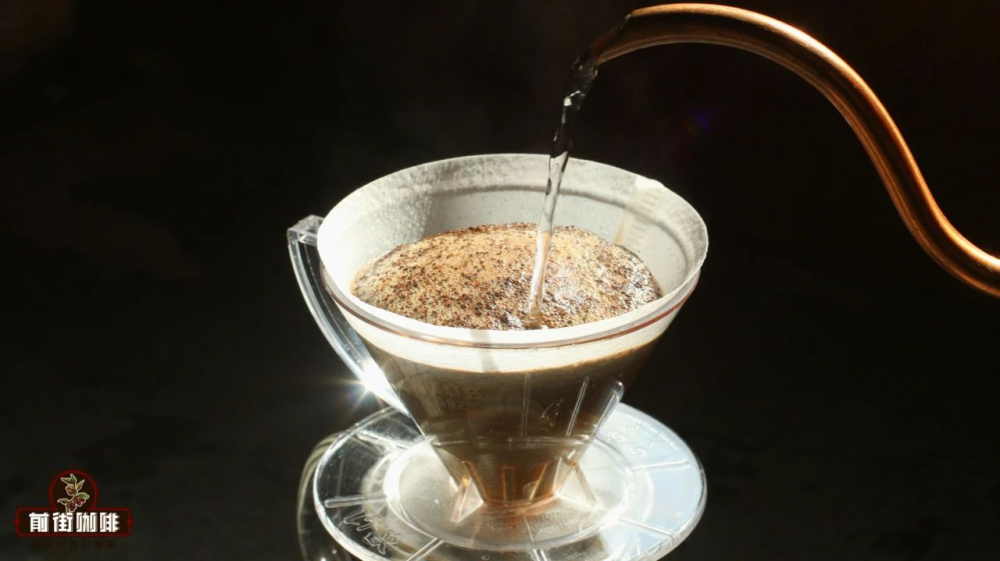
Beyond water volume distribution, the pouring technique is equally crucial to extraction outcomes, encompassing multiple variables such as blooming method, swirling speed, pouring height, stream size, and swirling range.
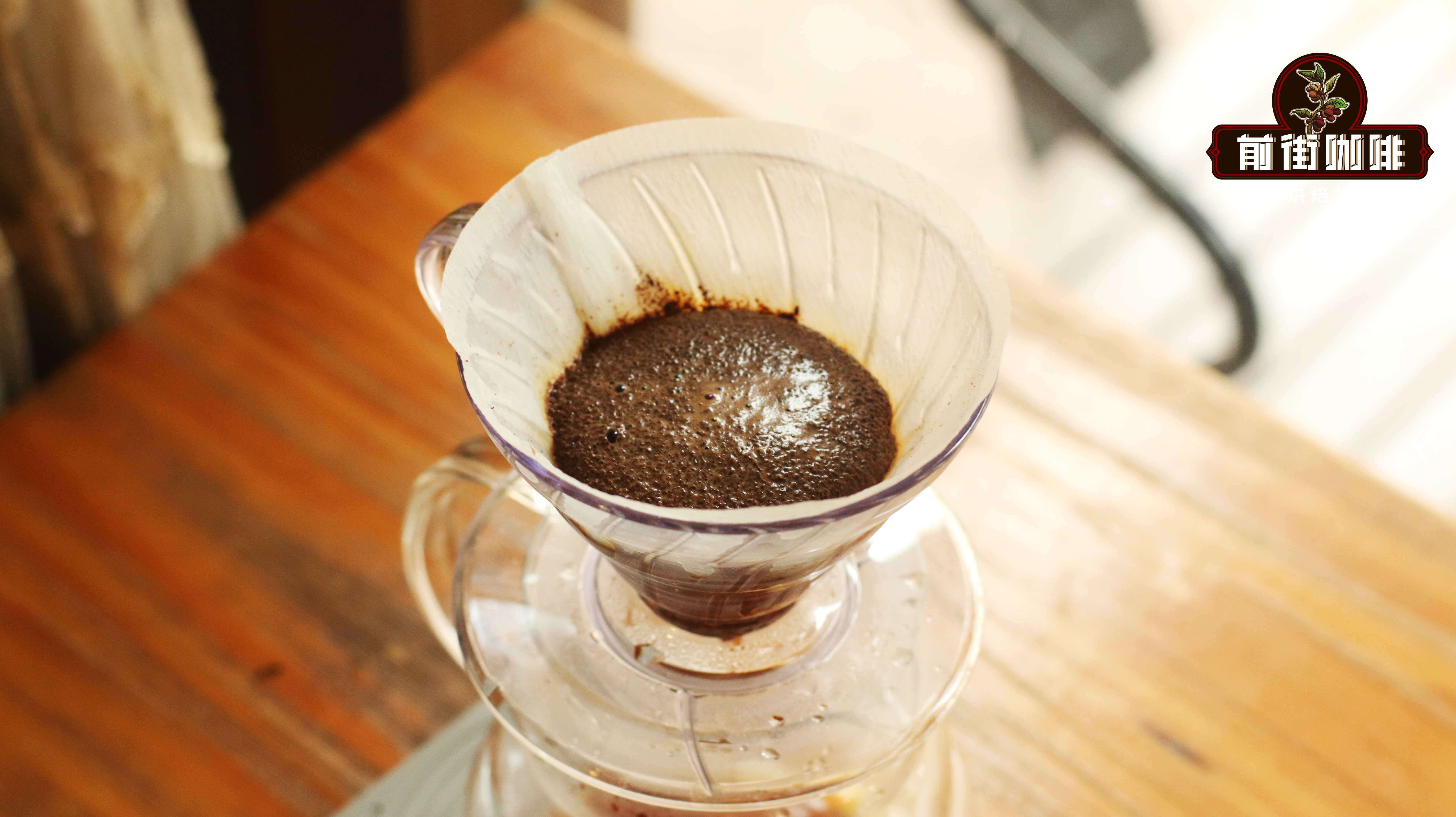
Blooming can be considered the foundational first step in achieving a successful pour over. Its primary purpose is to allow all coffee grounds to uniformly absorb water and smoothly release carbon dioxide (i.e., degas). Uneven absorption of the coffee bed leads to uneven degassing, causing some areas to be over-extracted while others under-extracted, resulting in unpleasant astringency.
As for standard blooming practices, a common recommendation is to use twice the weight of the coffee dose in hot water and bloom for about 30 seconds. For beginners, following this guideline is usually sufficient; however, to refine further, one needs to understand the underlying principle: the saturated absorption capacity of coffee grounds is roughly twice their own weight, and most beans at their peak freshness can release the majority of active gases within about 30 seconds of contact with water.
However, the grind size of coffee affects water absorption rate. During the brief blooming period, coarser particles may not fully saturate, and pouring the full double dose too quickly could cause premature dripping from the filter. Therefore, for users more confident in their pouring control, trying 1.5 times the coffee dose in water for blooming can be an option. Conversely, using more than double the dose may lead to excess water that doesn’t fully extract coffee compounds flowing into the server prematurely, reducing overall extraction yield and causing an overly acidic flavor due to a high proportion of small molecular acidic compounds in the initial liquid.
Additionally, too short a blooming time may result in incomplete degassing, reducing subsequent extraction efficiency; too long a time may cause the subsequently poured water to extract large molecular bitter compounds prematurely.
As for swirling speed, pouring height, stream size, and swirling range, here are common observations from advanced practice:
A faster swirling speed enhances the fluidity of the water flow, encouraging more thorough agitation of coffee grounds, increasing extraction yield, resulting in a richer, more aromatic, and fuller-bodied cup with preserved fragrance, but also carries a risk of over-extraction. In contrast, slower swirling mainly relies on the impact force of the water column itself to move the coffee bed, leaving some grounds relatively static, leading to lower extraction yield and a gentler, more balanced taste and aroma.
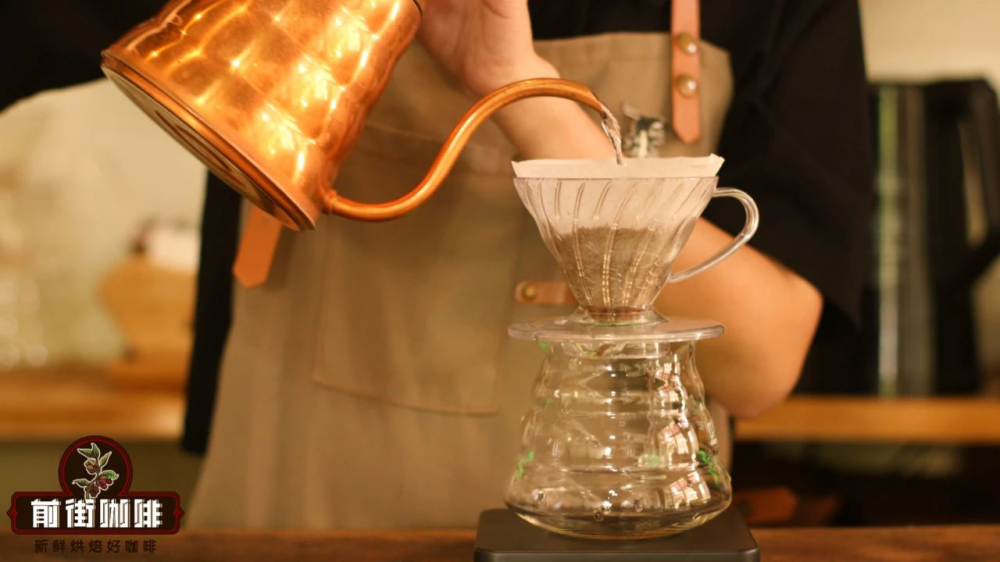
Regarding pouring height, a higher water column (e.g., pouring from too far above the coffee bed) generally results in lower extraction yield compared to a lower one. It is generally recommended to control the pouring height at around 6–7 cm to balance extraction uniformity and flavor expression.
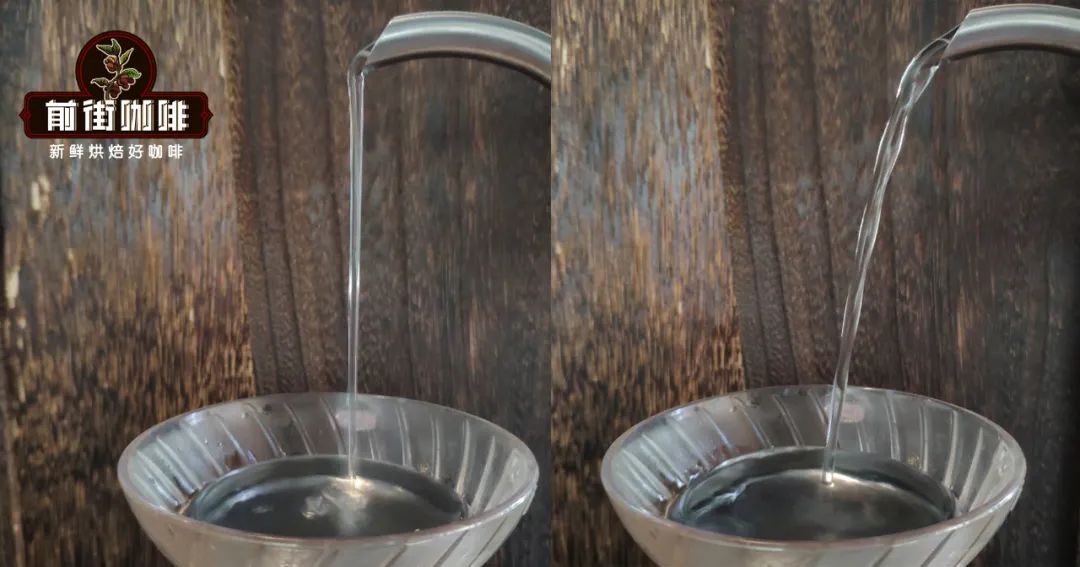
Stream size also affects liquid level height and extraction contact time. A larger stream causes the liquid level to rise quickly to the shorter ribs of the filter, leading to more water flowing along the edges and reducing contact time with coffee grounds. A smaller stream maintains a lower liquid level, keeping the coffee bed thicker and extending contact time. Fast, large streams can shorten extraction time and highlight aroma, but flavors may become more one-dimensional. Slow, small streams prolong extraction time, bringing out more layered complexity, but care must be taken to avoid over-extraction.
Swirling range is also worth noting. A smaller swirling range helps concentrate flavor, especially useful for highlighting the sweetness of light roasts, resulting in a more substantial mouthfeel. Only swirling over a large range may present a brighter, more acidic flavor but with thinner layers. When using a conical filter, swirling only on the outer edge, though seemingly avoiding direct contact with the filter paper, may still indirectly affect the ribbed edge area of the coffee bed due to the impact force of the water column, leading to incomplete extraction.
These details all require extensive hands-on experience to master. Below are three single-origin beans with distinct regional characteristics, ideal for training pouring techniques and flavor recognition.
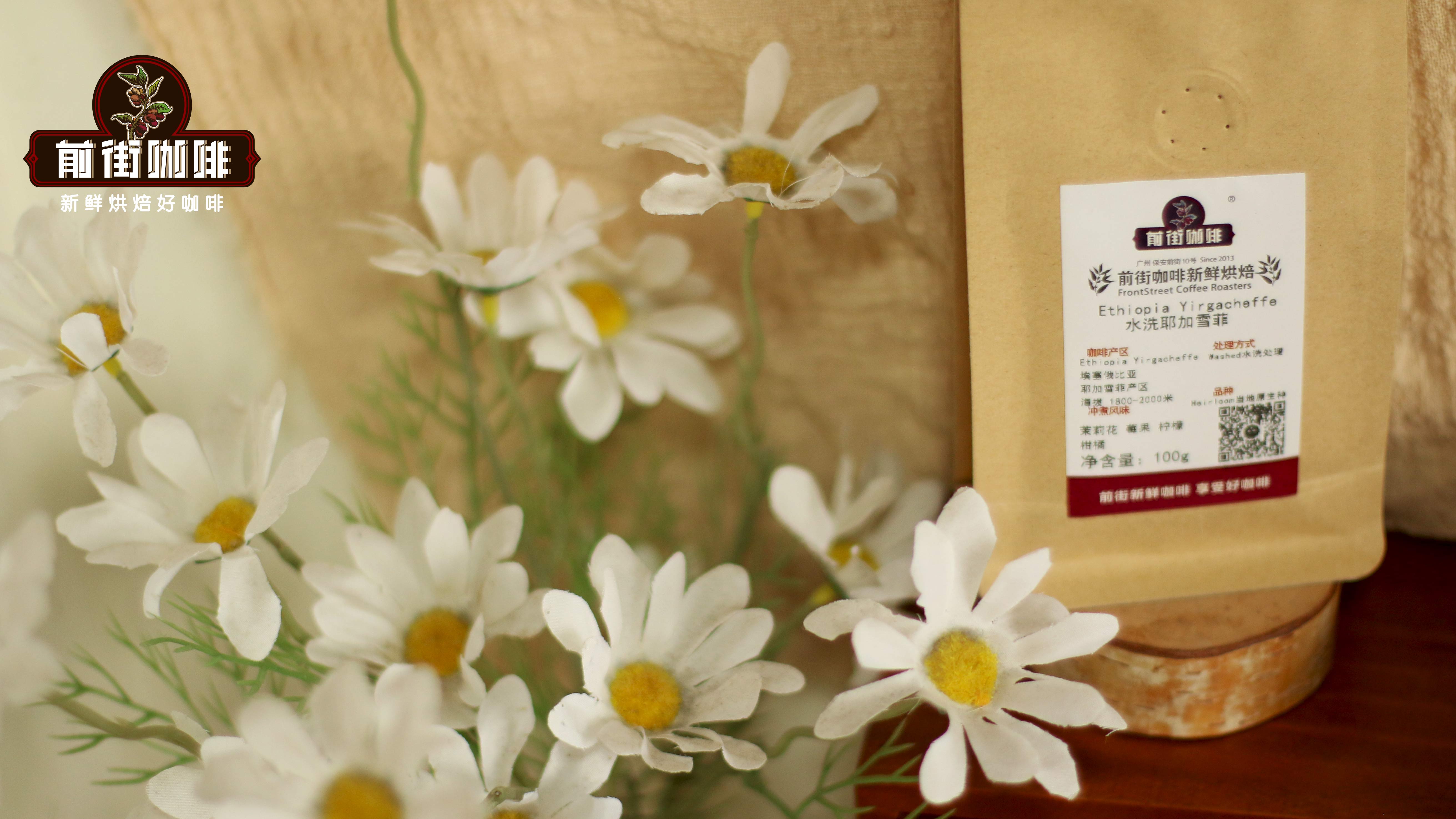
Ethiopia Washed Yirgacheffe
Origin: Ethiopia, Yirgacheffe
Elevation: 1800–2000 meters
Variety: Local landrace
Processing: Washed
Flavor: Jasmine, berries, lemon, citrus
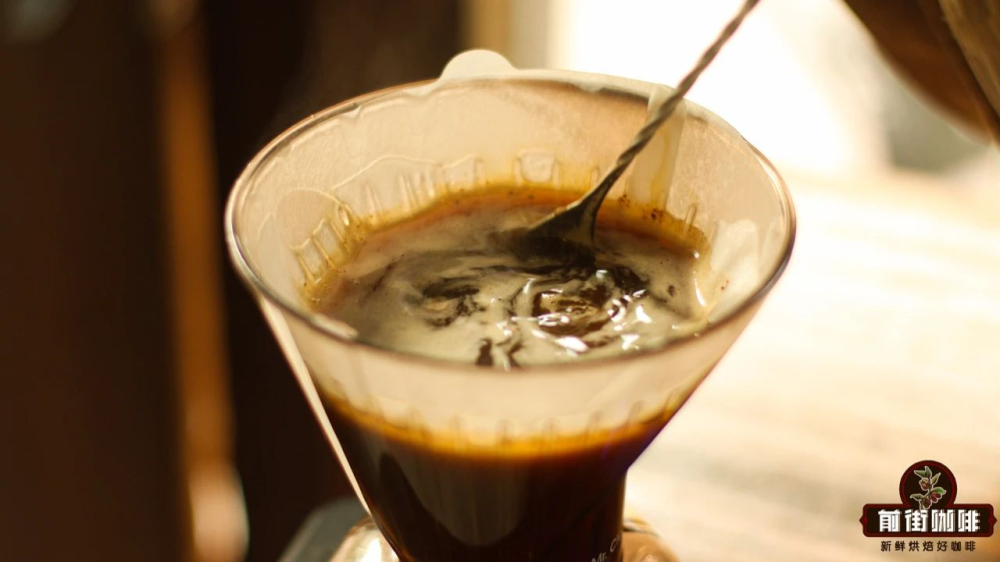
Yirgacheffe is located on a plateau at an altitude of 1700–2100 meters and is one of the world’s renowned high-altitude specialty coffee regions. Represented by the Misty Valley area, it enjoys year-round foggy, cool, and humid weather, giving rise to unique fruity acidity and floral flavor profiles. The so-called "Yirgacheffe flavor" typically refers to bright citrus and lemon acidity paired with intense jasmine floral notes, and a refreshing taste as elegant as lemon tea.
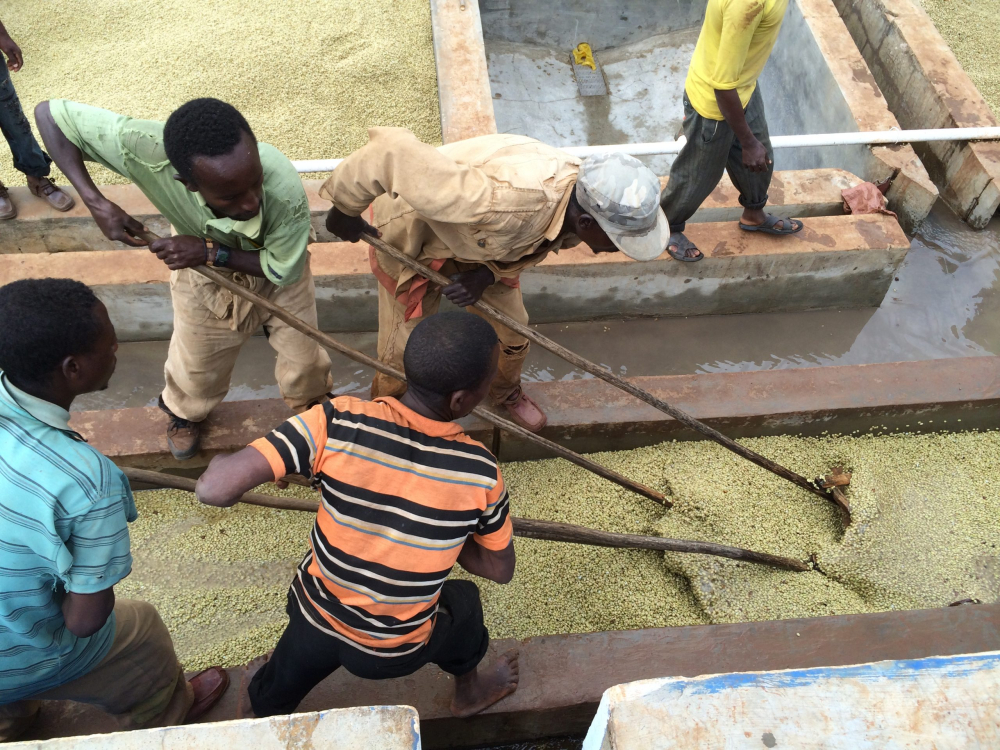
The washed processing method enhances the coffee’s cleanliness and flavor purity, hence washed beans are often the benchmark when analyzing regional characteristics. Though this washed Yirgacheffe is graded as G2 (allowing 4–12 non-severe defective beans per 300g of green beans), it underwent two rounds of manual sorting before roasting to ensure quality. The roaster chose a medium-light roast to preserve its citrus acidity and floral notes, with a charge temperature of 200°C, yellowing point at 5’35, first crack starting at 9’08 (182.1°C), and development for 2 minutes before dropping at 195°C.
Brewing Recommendation:
Water Temperature: 90–91°C
Grind Size: EK43s grinder, setting 10 (granulated sugar size, sieved to 80% through a #20 sieve)
Brew Ratio: 1:15
Coffee Dose: 15 grams
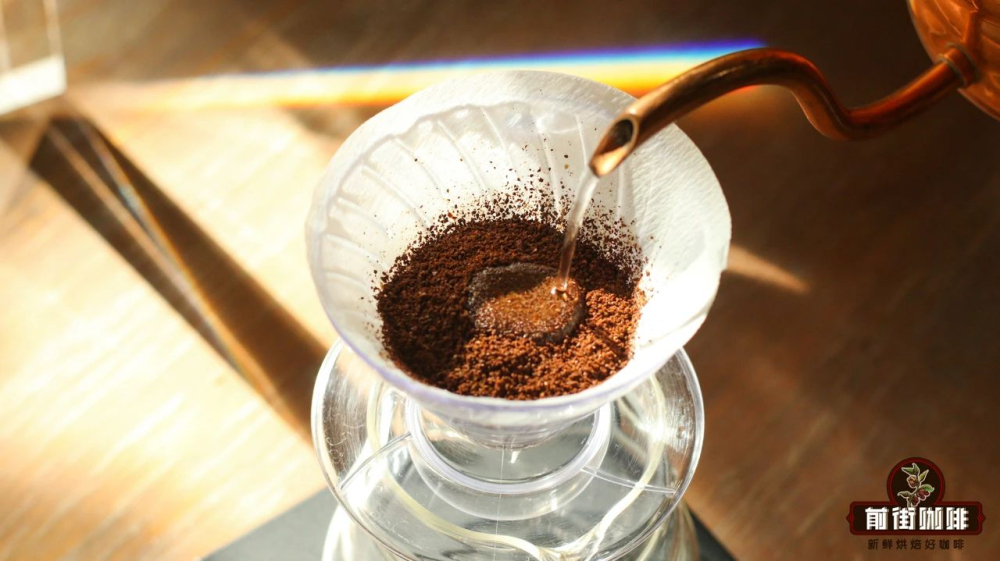
Technique: First pour 30g water for 30-second bloom, then pour 95g (showing ~125g), completed in about 1 minute; when the water level drops to 2/3 of the coffee bed, pour the remaining 100g (showing ~225g), completed in about 1’40”. Total brew time ~1’55”–2’00”. Flavor Profile: Jasmine floral notes, berry juice-like brightness, lemon and citrus acidity, overall bright and clean.
Costa Rica Tarrazú
Origin: Costa Rica, Tarrazú
Elevation: 1500 meters
Variety: Caturra, Catuaí
Processing: Washed
Flavor: Sweet orange, honey, toffee, nuts
The Tarrazú region in Costa Rica is known for its balanced flavor, rich chocolate notes, and smooth mouthfeel. These beans have a full body, high richness, with pronounced nutty and chocolate aromas, moderate acidity, and captivating fragrance.
Its washed processing is similar to the aforementioned: fermentation, washing, and drying remove the pulp and mucilage, reducing moisture content to 12% before removing the parchment.
Brewing Recommendation:
Water Temperature: 90–91°C
Grind Size: EK43s grinder, setting 10 (granulated sugar size, sieved to 80% through a #20 sieve)
Brew Ratio: 1:15
Coffee Dose: 15 grams
Technique: First pour 30g water for 30-second bloom, then pour 95g (showing ~125g), completed in about 1 minute; when the water level drops to 2/3 of the coffee bed, pour the remaining 100g (showing ~225g), completed in about 1’40”. Total brew time ~2’03”. Flavor Profile: Sweet orange acidity and sweetness, prominent nut and chocolate notes mid-palate, long-lasting caramel aftertaste, hints of cedar, overall balanced.
Indonesia Lintong Mandheling
Origin: Indonesia, Sumatra, Lintong
Elevation: 1100–1600 meters
Variety: Typica, Catuaí
Processing: Wet-hulled (Giling Basah)
Flavor: Toasted bread, nuts, caramel, pine, herbs
The name "Mandheling" originates from the Mandheling tribe in Indonesia, not a specific variety or region. Lintong Mandheling comes from the Lintong mountainous area in north-central Sumatra, processed using the conventional wet-hulled method, resulting in its characteristic low acidity and high body. During wet-hulling, semi-hard and semi-soft coffee beans are prone to bruising, forming the unique "elephant ear" appearance, which is normal and not a defect.
The wet-hulled process includes brief fermentation, removal of mucilage and parchment layer, followed by continued sun drying to 12% moisture content. Beans processed this way often exhibit a dark greenish appearance and noticeable compression cracks.
Brewing Recommendation:
Recommended to use a Kono filter, whose rib design restricts airflow and extends water absorption time, improving extraction uniformity and body.
Water Temperature: 87–88°C
Grind Size: EK43s grinder, setting 11 (coarse sugar size)
Brew Ratio: 1:15
Coffee Dose: 15 grams
Technique: 30g water for 30-second bloom, small stream swirling pour to 125g then pause, continue pouring to 225g as water level drops, remove filter just before the coffee bed is exposed, total brew time ~2’00”. Flavor Profile: Herbal botanical notes, dark chocolate, caramel, with a sweet aftertaste in the finish.
The above content is compiled by CoffeeHunters, a coffee news website.


