







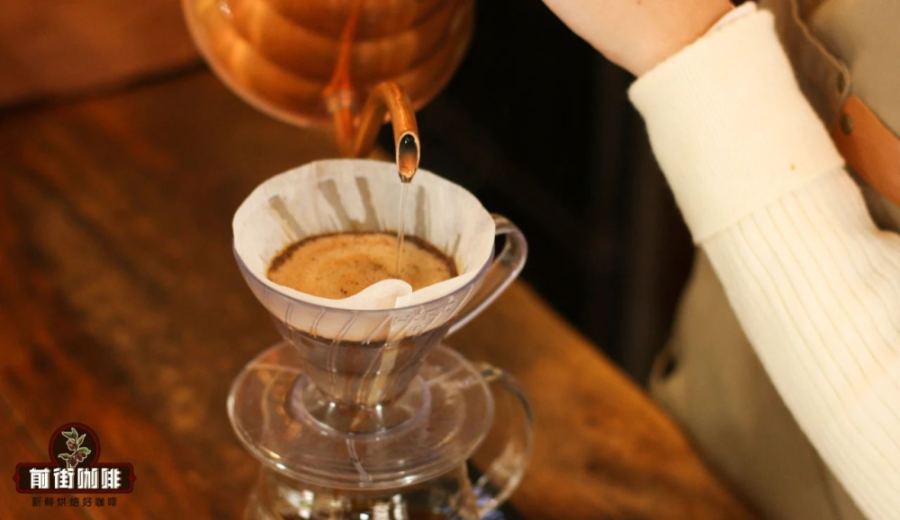
Introduction:Mastering pour over coffee is not just about equipment and basic parameters—it’s also about pouring technique and distribution strategy. This article dives deep into the extraction differences between single-pour (一刀流) and three-pour (三刀流) methods, detailing how factors such as blooming, swirling speed, water flow height, and pouring range influence the final flavor. We’ve also selected three single-origin beans with distinct regional profiles, offering specific parameters and recommendations to help you further refine your pour over skills and taste sensitivity.
Among the many factors that influence coffee flavor, beyond the basic objective conditions like dose, brew ratio, water temperature, grind size, and equipment, one often overlooked yet crucial variable is the pouring method. This article focuses on two core techniques in pour over brewing: the logic behind water distribution and the specifics of pouring technique, helping you find your own optimal extraction strategy.
Simply put, pour over brewing is the process of pouring hot water through coffee grounds. How you allocate the timing, volume, and method of this water directly affects the extraction efficiency and the resulting flavor profile. We’ll explore this from two main angles: water distribution and the details of pouring technique.
[Water Distribution: Single-Pour vs. Three-Pour]
When all other parameters remain constant, the way water is distributed often becomes the decisive difference between various brewing methods. The commonly used single-pour and three-pour methods are two highly representative strategies for water distribution.
Single-pour refers to pouring all the remaining hot water continuously in one go after blooming. In contrast, three-pour divides the total water volume into three stages and pours them sequentially. Although the total water volume is the same, the single-pour method leads to a faster rise in water level and shorter overall extraction time, resulting in a clearer and more straightforward flavor. On the other hand, the three-pour method, by distributing the water in stages, allows each layer of coffee grounds more time to steep and release, typically yielding a richer and more complex flavor profile.
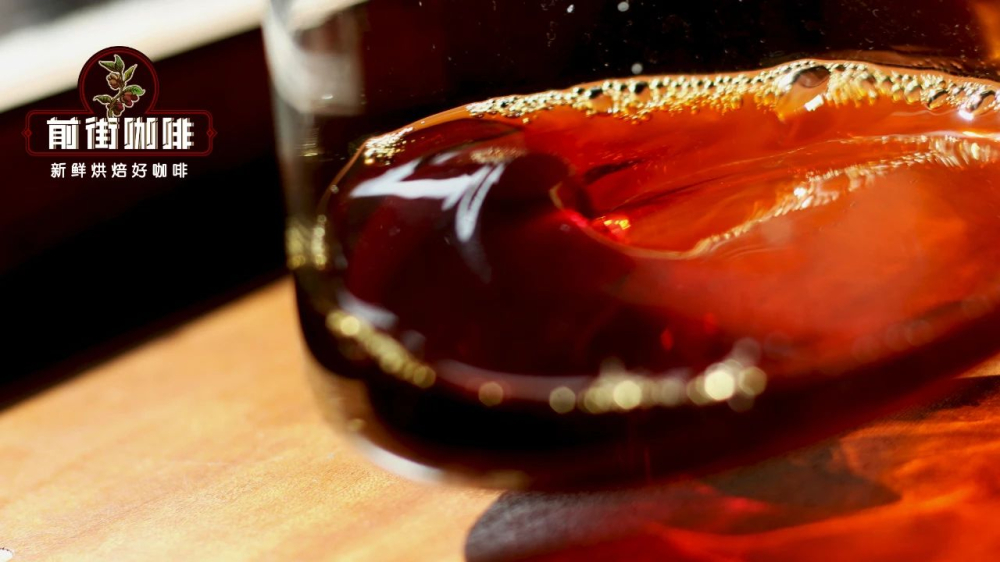
Additionally, adjusting the proportion of water used in each stage during multi-pour brewing can also significantly affect flavor expression. For example, with light roast coffee, a higher proportion of water in the early stage tends to emphasize bright fruit acidity, while more water in the later stage can highlight sweetness—but if not managed well, it may also introduce unwanted bitterness.
[A Comprehensive Breakdown of Pouring Technique Details]
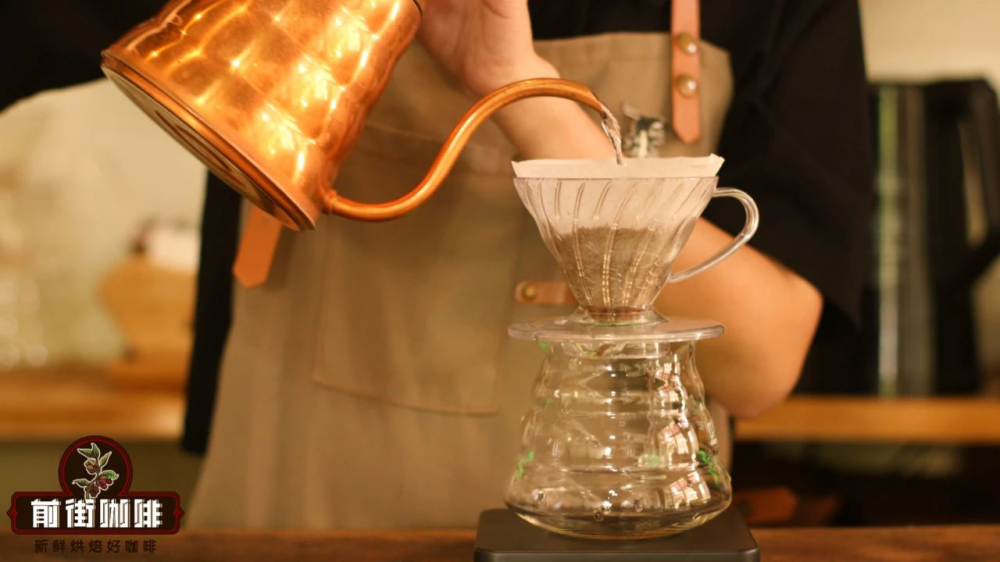
Beyond water distribution, the various operational details during the actual pouring process are equally vital. These include blooming technique, swirling speed, pouring height, water flow strength, and swirling range—all of which subtly adjust the coffee’s extraction performance.
Blooming: The First Step to Successful Extraction
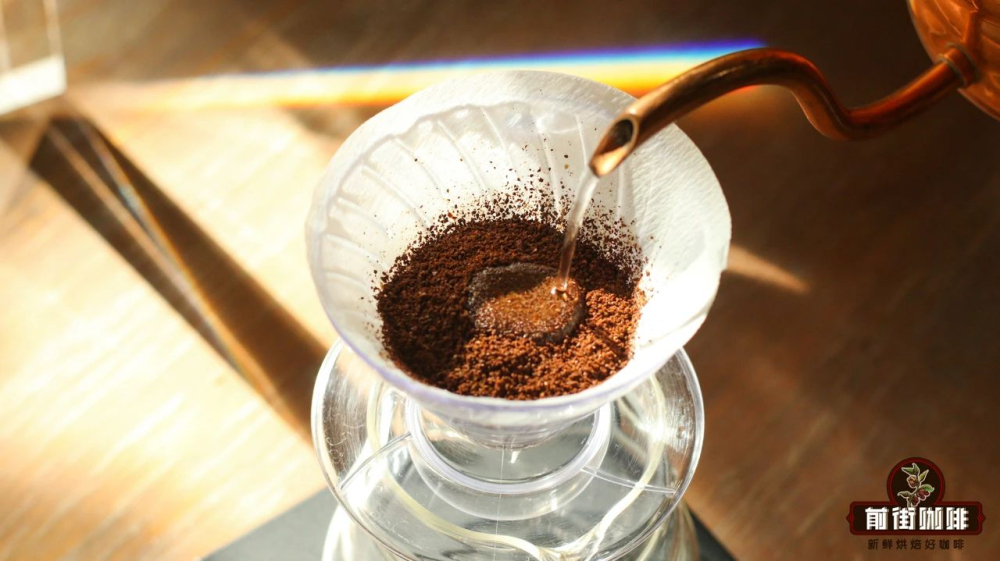
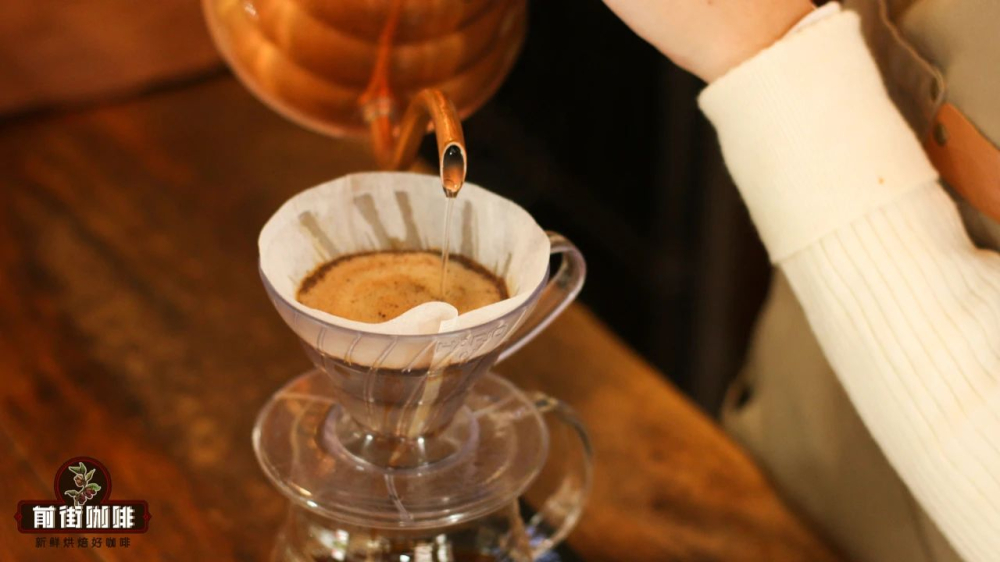
Blooming is one of the most critical initial steps in the pour over process, aimed at allowing the coffee grounds to fully absorb water and release carbon dioxide. An ideal bloom ensures that all coffee grounds are evenly wetted; otherwise, it may lead to localized over-extraction or under-extraction, affecting the overall balance of flavors.
It is generally recommended to use about twice the weight of the coffee grounds in water for blooming, for around 30 seconds. This value is based on the water absorption characteristics of coffee grounds and the time required for gas release. However, for those with precise control, using 1.5 times the weight of the coffee in water for blooming is also an option, provided the water flow can be steadily managed. Note that too much blooming water may cause under-extracted acidic compounds to flow prematurely into the brew, leading to an overly sour flavor; conversely, insufficient blooming time may result in incomplete gas release, compromising subsequent extraction efficiency.
The Impact of Swirling Speed, Water Height, and Range
The speed of swirling significantly affects how much the coffee grounds are agitated, thereby altering extraction uniformity and intensity. Faster swirling enhances flow and helps improve overall extraction rate, resulting in a richer flavor but also increasing the risk of over-extraction. Slower swirling relies more on the natural flushing of the water stream, leading to a gentler extraction with a more balanced and mellow flavor profile.
Pouring height is another factor not to be ignored. It is recommended to maintain a water stream height of about 6 to 7 centimeters. This height helps sustain stable extraction pressure and avoids excessive splashing or rapid evaporation. Regarding water flow size, a larger stream can quickly lower the liquid level but may also reduce contact time between water and coffee grounds, resulting in prominent aroma but a more one-dimensional flavor. A smaller stream extends extraction time and aids in the full release of flavor compounds, though care must be taken to avoid over-extraction.
The swirling range also influences flavor expression. Concentrated small-circle pouring helps emphasize specific flavors, particularly suitable for highlighting the sweetness and fruit acidity of light roasts. In contrast, wide-range swirling may lead to a more acidic and thin-tasting cup. Additionally, when using a conical dripper, overly restricted swirling paths may prevent full extraction of the outer edges of the coffee bed, necessitating appropriate adjustments to the pouring trajectory.
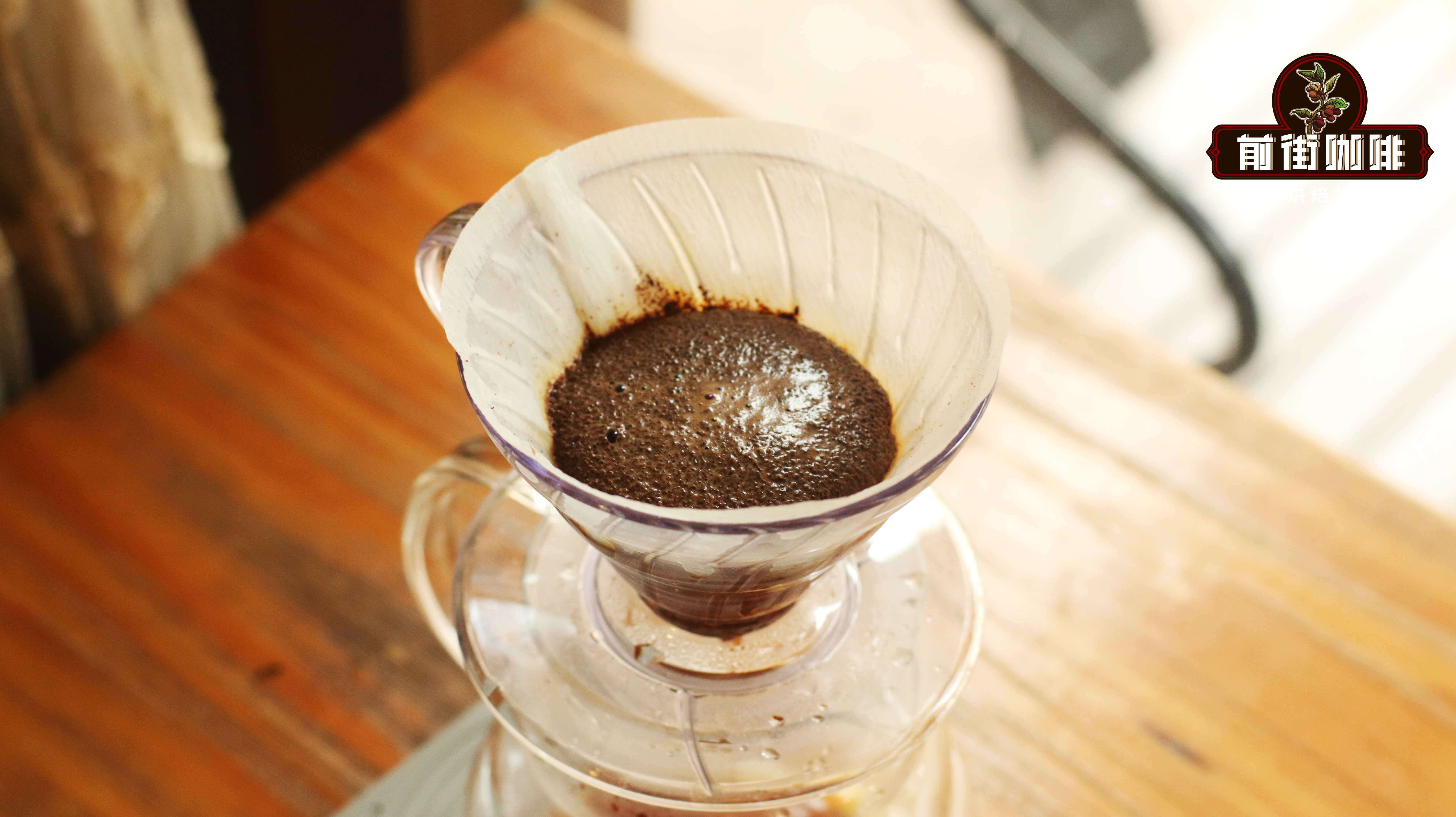
Three Distinct Flavor Profiles: Pour Over Practice Beans Recommended
To help readers practice the above techniques, we’ve selected three single-origin coffee beans with distinct regional characteristics. Each comes with suggested brewing parameters and flavor profiles, making them perfect for advancing your pour over skills.
1. Washed Yirgacheffe (Ethiopia)
Sourced from the world-renowned high-altitude coffee region of Yirgacheffe, this washed bean is celebrated for its bright fruit acidity and delicate floral notes. Recommended grind size is medium-fine (e.g., EK43s grinder setting 10), with a brew ratio of 1:15 and water temperature controlled at 90–91°C. Its flavor profile features a refreshing lemony acidity, berry-like juiciness, and subtle jasmine floral notes, resulting in a clean cup with clear layering.

2. Costa Rica Tarrazú (Caturra/Catuai)
From the renowned Tarrazú region in southern Costa Rica, this washed bean offers a full body and smooth mouthfeel. It also follows a 1:15 brew ratio and 90–91°C water temperature. After brewing, it presents a sweet orange-like acidity and fruity sweetness in the opening notes, followed by mid-palate flavors of nuts and chocolate, with a balanced and elegant finish of caramel and cedar.
3. Indonesia Lintong Mandheling (Sumatra)
Grown in the Lintong region of Sumatra and processed using the wet-hulled method, this bean showcases rich herbal, spicy, and caramel flavors. It is recommended to use a slightly coarser grind (e.g., EK43s setting 11) along with a slightly lower water temperature (87–88°C). Its flavor characteristics include a full body, notes of dark chocolate and herbs, with a lingering finish—perfect for coffee lovers who enjoy bold and robust flavors.
Mastering the art of pour over coffee isn’t just about knowing the basic parameters—it’s about understanding the intention and impact behind each pour. We hope this analysis and bean selection will help you brew with greater stability and confidence on your pour over journey.
The above content is compiled by CoffeeHunters, a coffee news website.


