







Introduction:If you’re new to coffee, do you find yourself confused about how to brew freshly ground coffee? This article will take an in-depth look at five mainstream brewing methods—steeping, pressure, gravity, immersion, and cold brew—and explain the principles, recommended equipment, and key techniques for each. We’ll also address common misconceptions about pour-over drip bags, such as whether they can be reused and how to manage their freshness, helping you choose the most suitable brewing method based on your available tools and the beans’ characteristics.
Many beginners who first encounter freshly ground coffee often share a common question: How exactly should I brew this pre-ground coffee? In fact, there is no so-called “standard answer”—it all depends on the characteristics of the coffee beans you’re using and the types of equipment you have on hand. This article will comprehensively introduce the five most common coffee brewing methods: steeping, pressure, gravity, immersion, and cold brew. It will also cover the correct usage and storage tips for drip bags, ensuring you find the right brewing choice from beginner to advanced levels.
In the early days, people brewed coffee in relatively simple ways—usually just adding hot water to ground coffee. While this preserved the original flavors, it often meant drinking too many fine coffee particles, which affected the taste. As the demand for higher-quality coffee grew, various brewing devices and methods emerged, aiming to effectively filter out coffee grounds while fully releasing the aroma. Based on how water interacts with the coffee grounds and the grind size, modern brewing methods can generally be categorized into five main types: steeping, pressure, gravity, immersion, and cold brew.
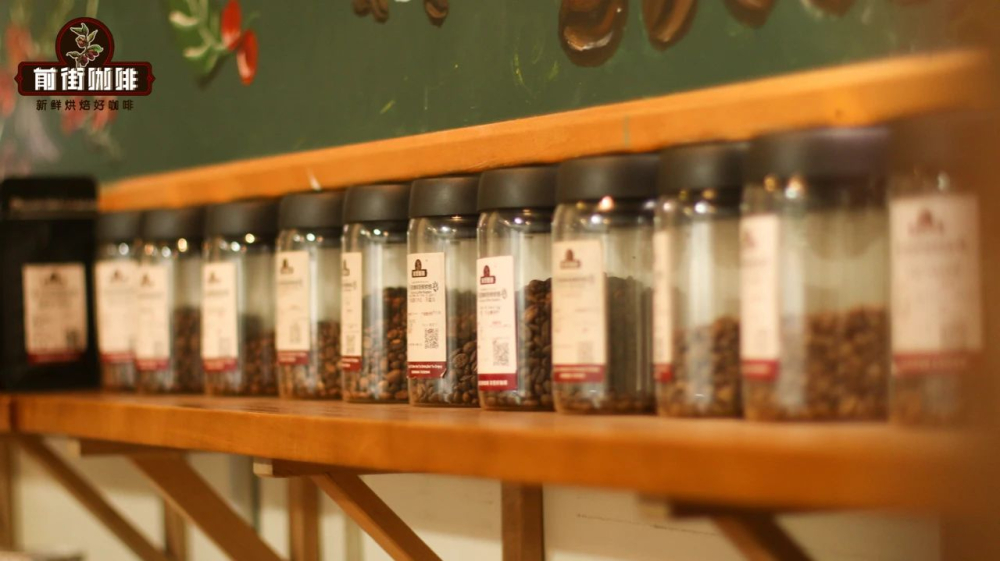
If you’re using freshly roasted coffee beans, it’s recommended to let them “degas” or “rest” first by placing them in a cool, dry, dark, and odor-free place for 2 to 3 days to allow their flavors to fully develop. No special treatment is needed during this resting period, just make sure the packaging remains unopened. If the package has already been opened, it’s best to transfer the beans to an airtight container or a coffee bag with a one-way valve to prevent exposure to air, which can lead to aroma loss and moisture absorption. Proper storage and appropriate resting are the first steps to brewing delicious coffee.
1. Steeping Method
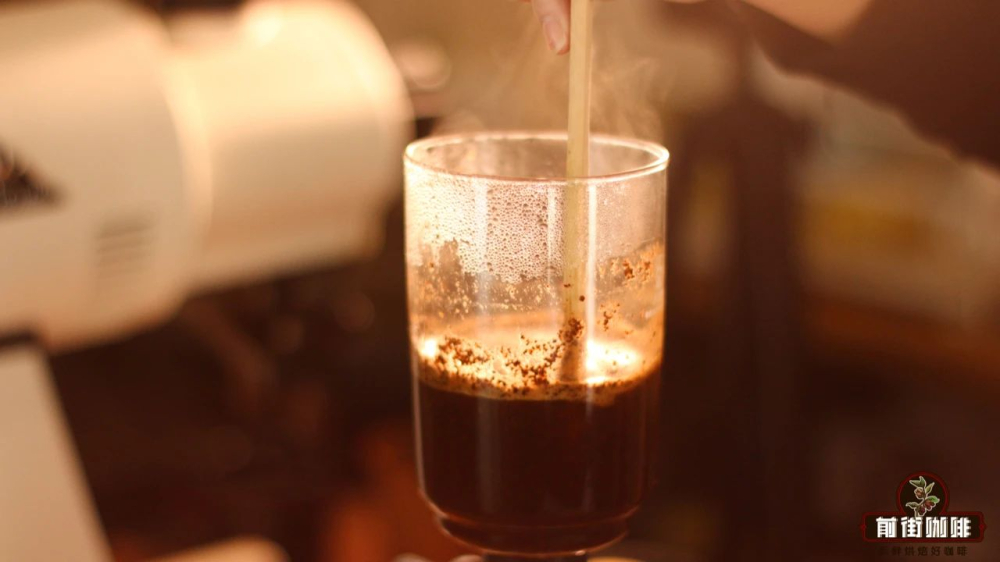
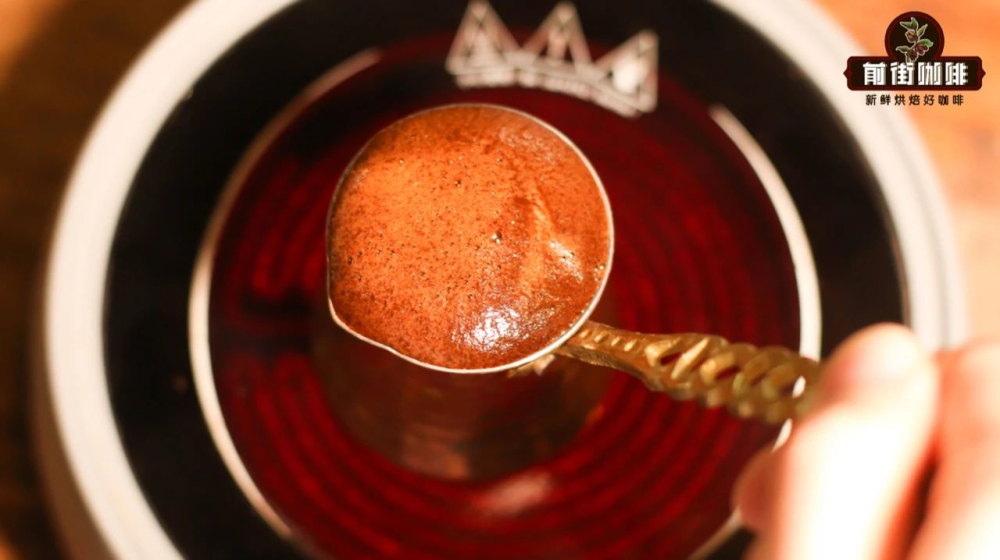
This is one of the most traditional and simplest brewing methods. Simply pour hot water over ground coffee in a cup and let it sit until the grounds settle. Although it leaves more sediment, it’s still used in places like Indonesia. Turkish coffee is a classic example of this method—it uses extremely finely ground coffee boiled with water, often with sugar and spices, and leaves coffee grounds at the bottom of the cup when served. Another style, known as “cowboy coffee,” involves boiling ground coffee directly with water and is commonly seen in Nordic regions. Though not particularly refined, it has its own unique flavor.
2. Pressure Method
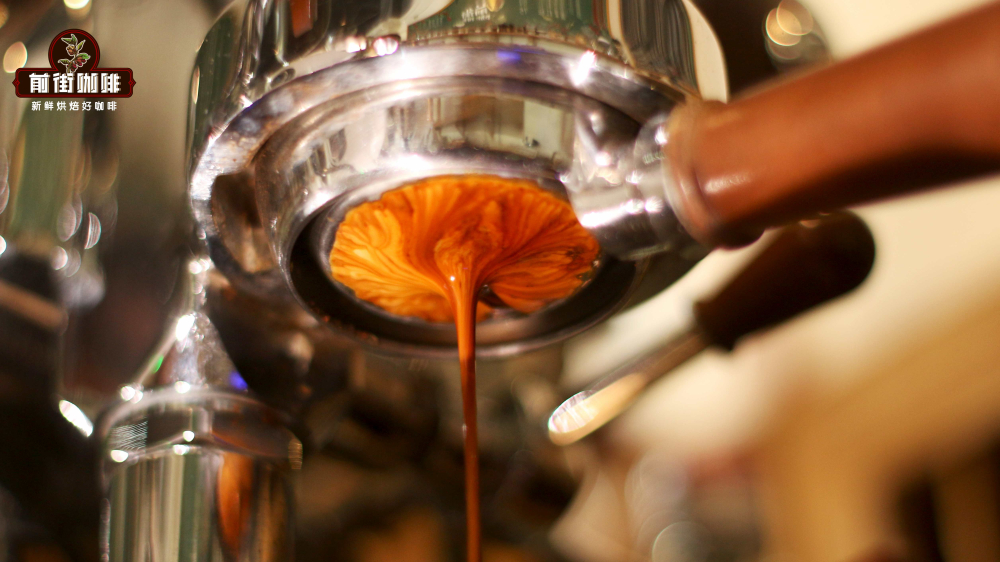
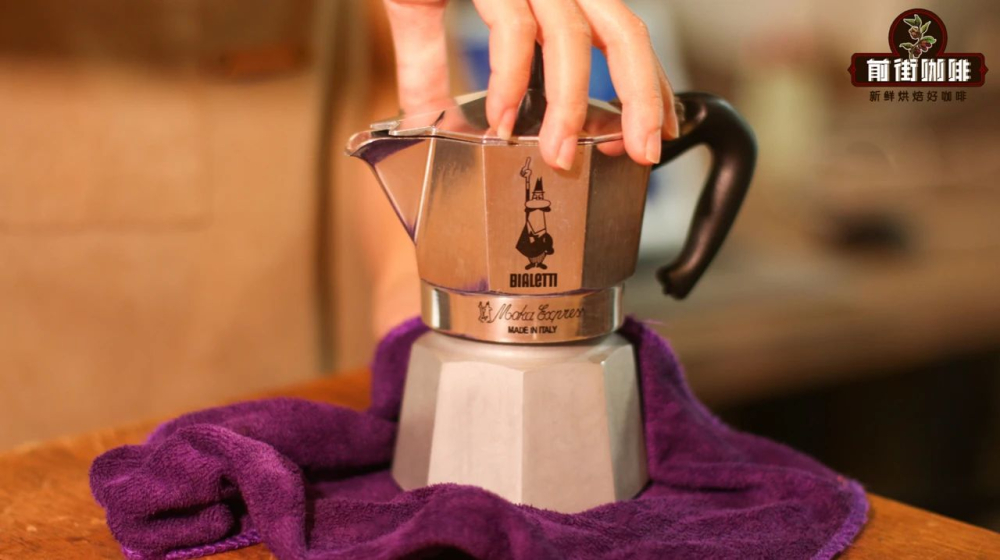
Espresso is the representative of this method. It forces hot water at 80–96°C through a compacted puck of coffee grounds under 8–9 atmospheres of pressure, extracting a small amount (about 30 ml) of highly concentrated coffee in around 30 seconds, topped with a layer of golden crema. The moka pot is a common pressure brewing tool for home use. Its three-tier design uses steam pressure to push water through the coffee grounds. While it doesn’t produce crema, its intensity is close to that of espresso. When using it, be mindful of controlling the heat source to avoid over-extraction.
3. Gravity Method
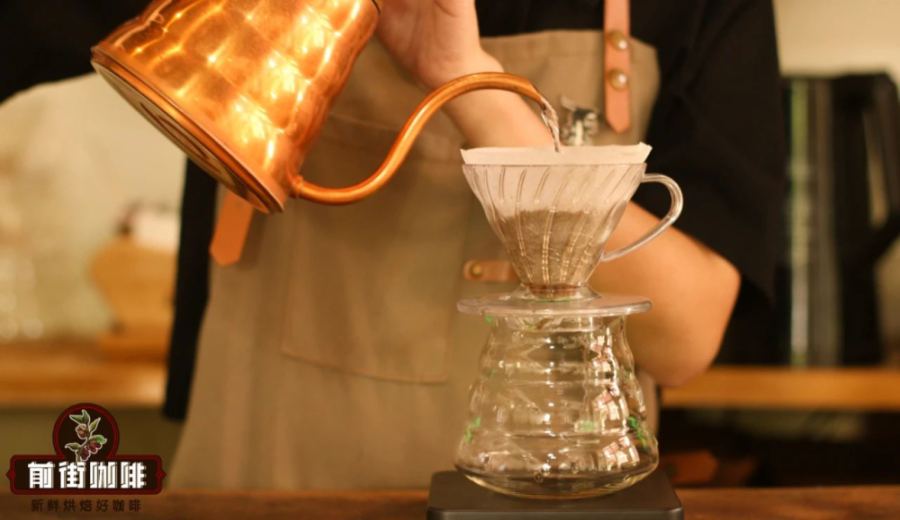
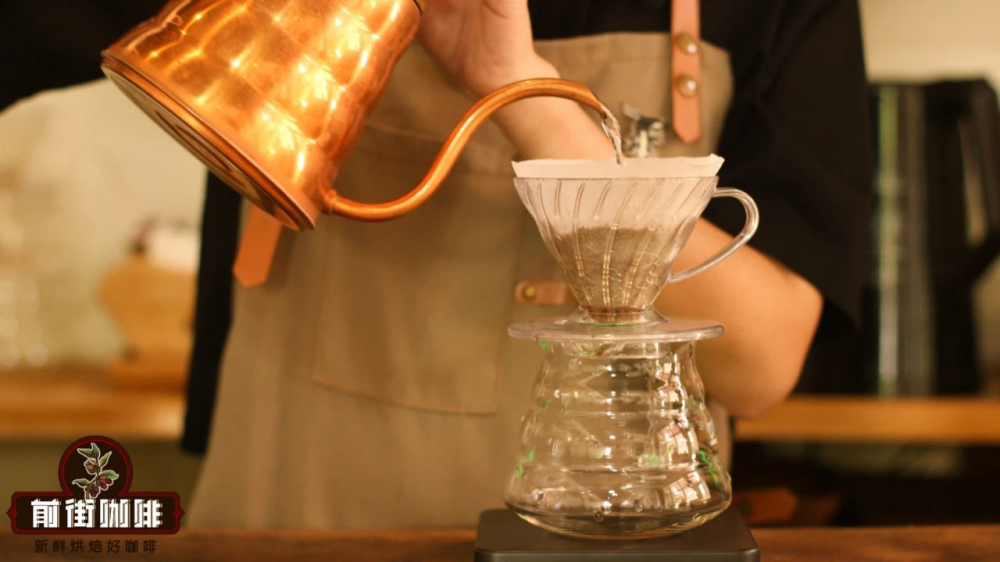
These methods involve allowing hot water to naturally flow downward through coffee grounds via a paper or metal filter. This category includes pour over and American drip coffee. The resulting brew is usually less concentrated, making it suitable for those who prefer a lighter taste. In the past, there were circulation-style drippers, but due to repeated heating affecting the flavor, they are now less commonly used. Selecting the appropriate grind size and water temperature is key to achieving good extraction results.
4. Immersion Method
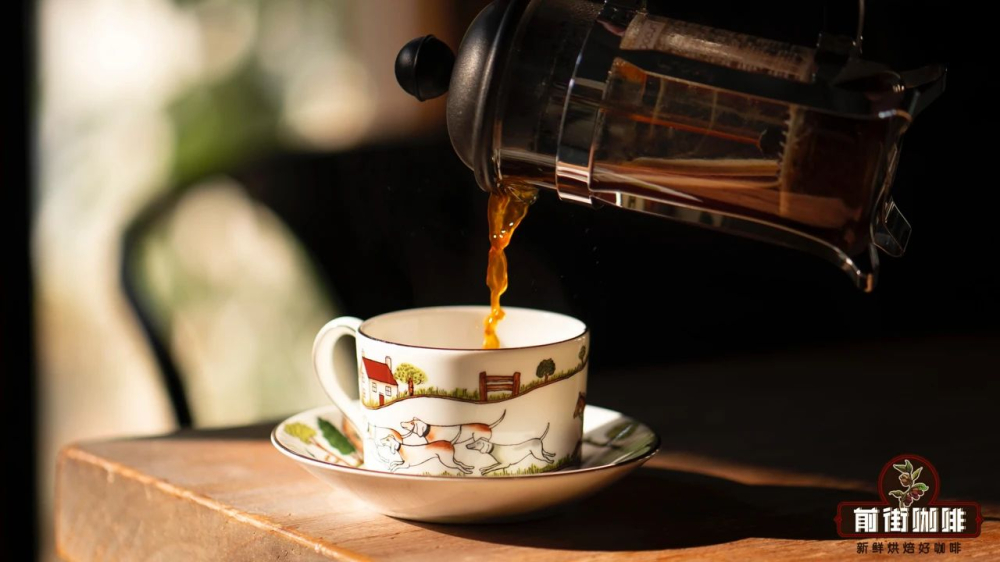
The French press is the most typical immersion brewing device. It uses a metal filter and soaking method to allow coffee grounds to fully interact with hot water for 4 to 7 minutes, after which the plunger is pressed down to separate the grounds. This method fully captures the original flavors of the coffee, is easy to operate, and has a high tolerance for brewing variations, making it suitable for most types of coffee beans. It’s recommended to use a medium-fine grind and optionally filter the brewed coffee again with paper to achieve a cleaner taste. Pour over coffee also falls under this category. By controlling the pouring speed and circular motion, you can further adjust the flavor profile.
5. Cold Brew Method
Cold drip or cold brew coffee does not use hot water at all. Instead, it relies on cold water melted from ice that drips through coffee grounds at an extremely slow rate—one drop at a time. The process may take several hours or even a full day. This method extracts extremely delicate and low-acidity coffee flavors, but it is time-consuming and costly, making it ideal for coffee enthusiasts seeking unique flavor profiles.
Drip Bag Coffee Usage Notes
Drip bag coffee is a convenient brewing option where the filter bag and coffee grounds come pre-packaged. Originating in Japan, it is especially popular among busy individuals. However, each drip bag typically contains only 10 grams of coffee grounds,and it is recommended to brew only once. Re-brewing not only fails to enhance the flavor but may instead intensify bitterness due to over-extraction, ruining the original balanced taste. Additionally, once coffee grounds are ground, their aroma dissipates quickly,so it’s advisable to choose freshly ground products and consume them within a short periodto enjoy the best flavor experience.
In summary, there is no absolute standard for how to brew coffee grounds—the key lies in understanding the characteristics of each brewing method and selecting the most suitable one based on the roast level, flavor profile of the beans, and your personal taste preferences. Whether you’re just starting out or already have some experience, mastering these basic concepts will enable you to brew satisfying coffee at home.
The above content is compiled by CoffeeHunters, a coffee news website.


