








Introduction:As the birthplace of coffee, Africa boasts the world’s most distinctive flavor profiles. From the floral and fruity notes of Ethiopia to the layered berry complexities of Kenya, each producing region has its own unique characteristics. This article systematically introduces the geographical environments, processing methods, and flavor profiles of Africa’s major coffee-producing countries, while analyzing how different processing techniques influence coffee expression—helping you build a structured understanding of African coffees.
As the genetic library of coffee, the African continent has given rise to some of the world’s most recognizable flavor types. When you sip an Ethiopian natural-processed coffee, the bright layers of citrus and jasmine bloom on your palate; when tasting a Kenyan washed coffee, the vivid berry acidity and wine-like finish are truly remarkable. These unique flavors are the result of Africa’s diverse geography and traditional processing craftsmanship working in harmony.
Ethiopia: The Cradle of Coffee Genetics
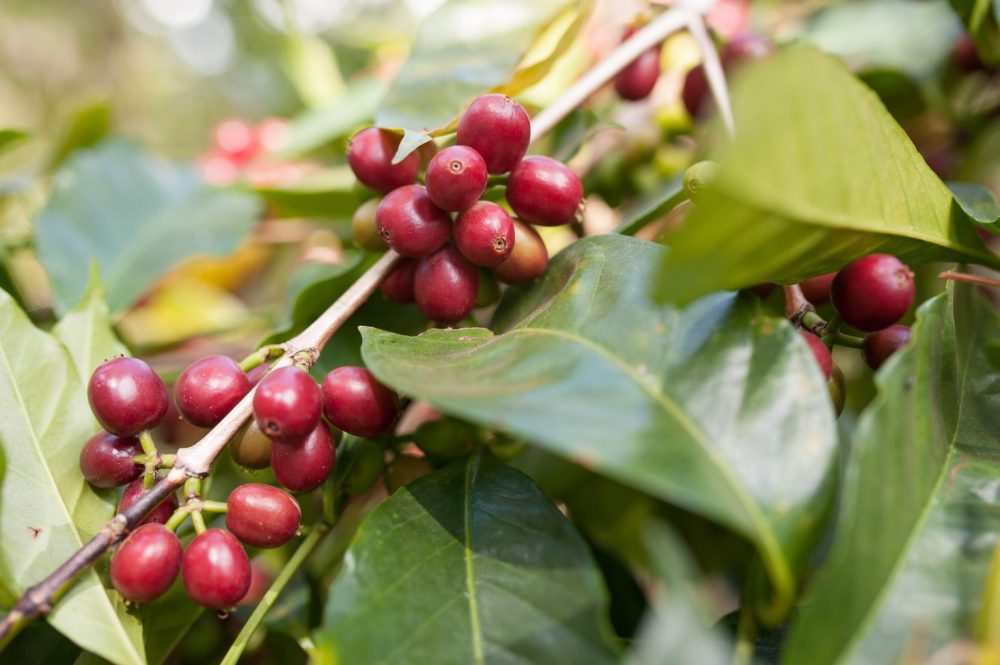
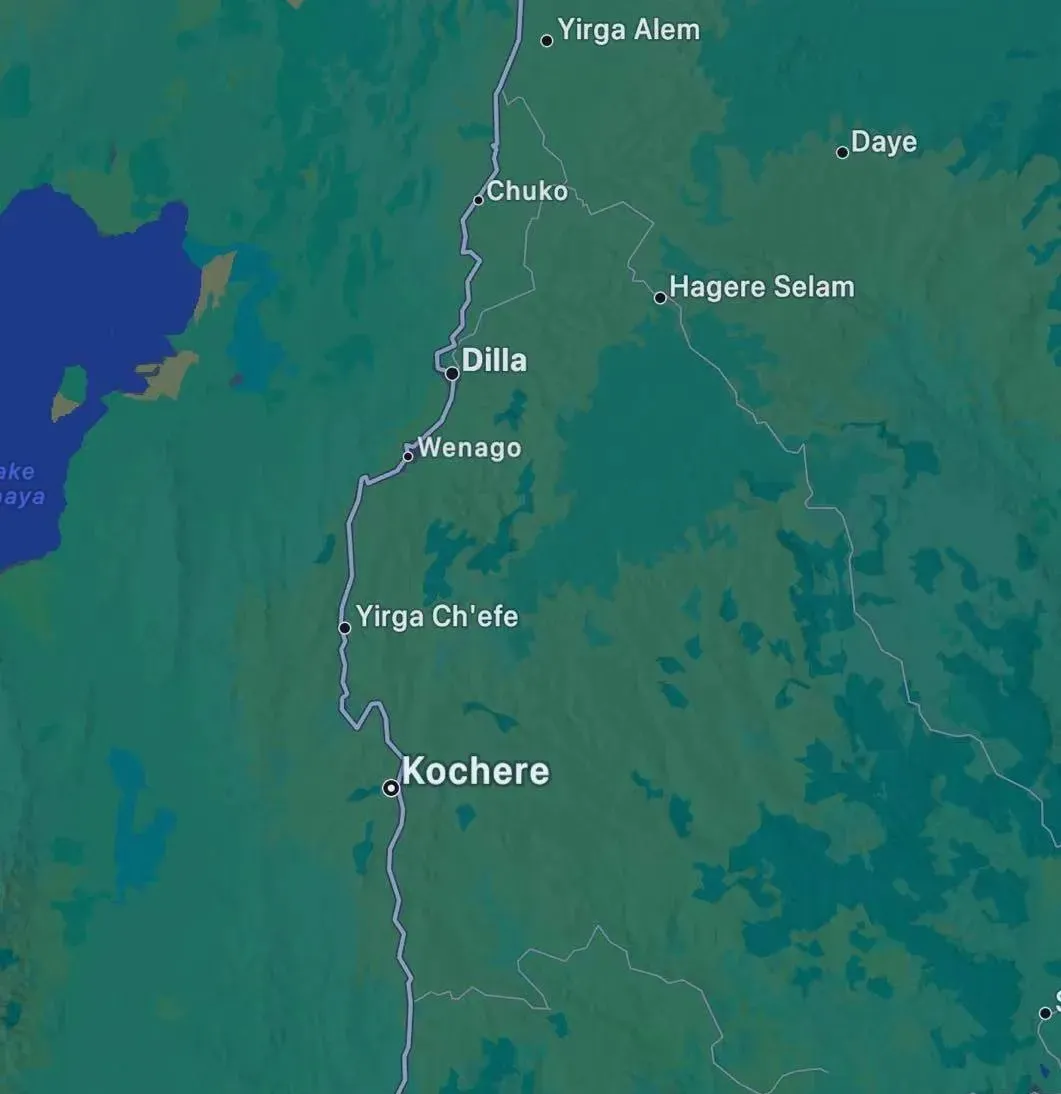
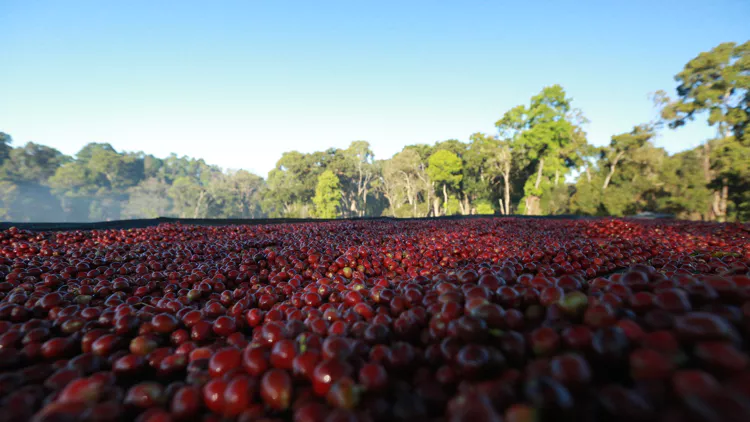
Recognized globally as the birthplace of coffee, Ethiopia’s coffee ecosystem is a veritable biodiversity treasure trove. Approximately1.2 million smallholder farmersrely on coffee for their livelihoods, with each managing less than 4 hectares of high-altitude (1000–2300 meters) farmland on average. The Yirgacheffe region, situated in a fog forest zone at elevations of 1700–2100 meters, implements a unique “Red Cherry Project” that mandates manual harvesting of only fully red cherries, resulting in specialty-grade beans that often fetch prices exceeding$30 per kilogram.boutique-grade beans.

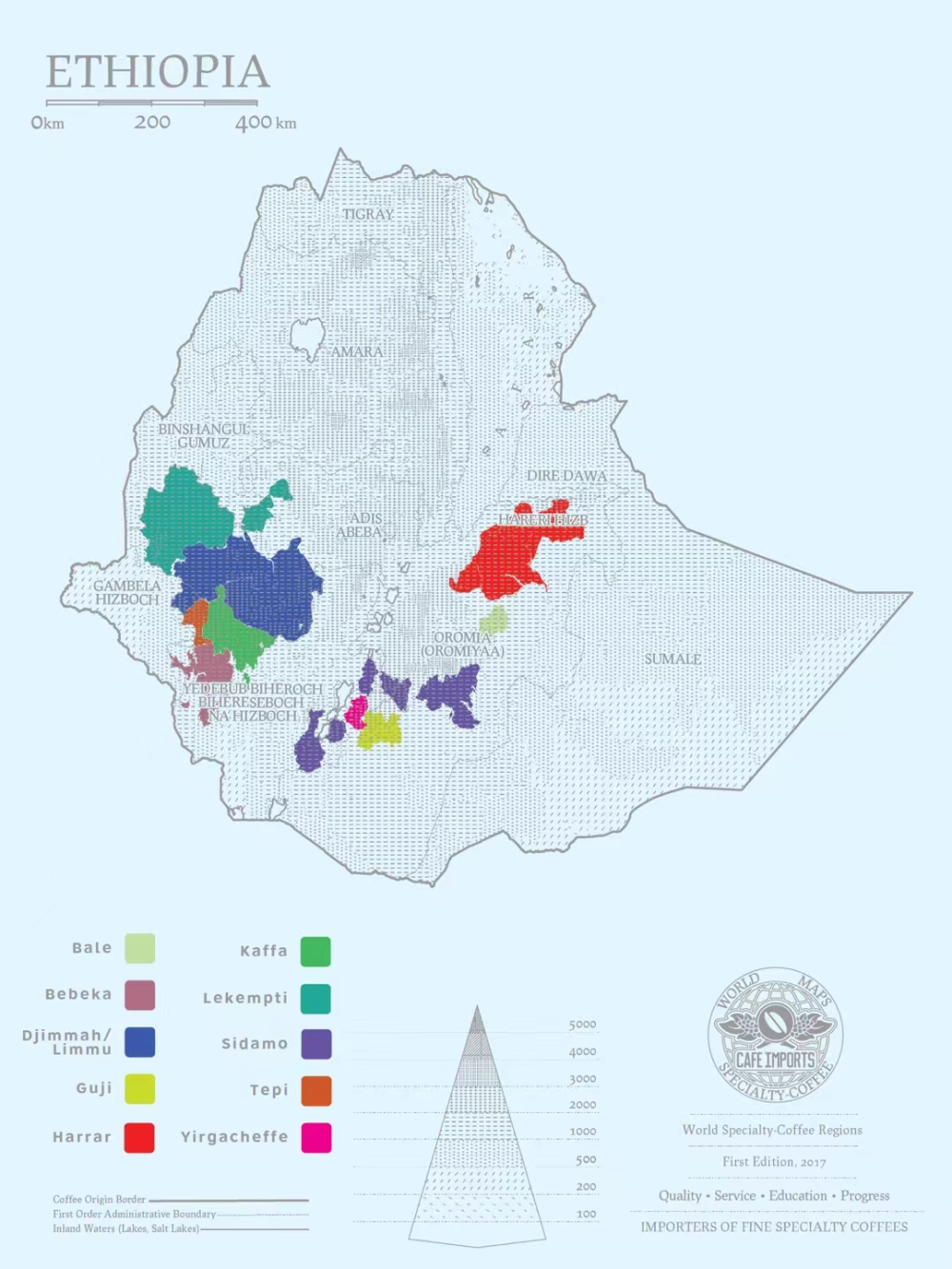
Coffee cultivation in the country can be divided into four main categories: forest coffee, which accounts for 8–10% and relies entirely on natural ecosystems; semi-forest coffee, making up 30–35% and representing a model of human-nature coexistence; the most prevalent garden coffee (50–55%), scattered around farmers’ homes; and plantation coffee, comprising just 5–6%, which features scaled-up processing facilities. Notably, the commonly mentioned “Heirloom heirloom varieties” in the Ethiopian market are actually a collective term for hundreds of uncategorized cultivars—this diversity contributes to the variability of its flavors.
Processing Methods Determine Flavor Direction
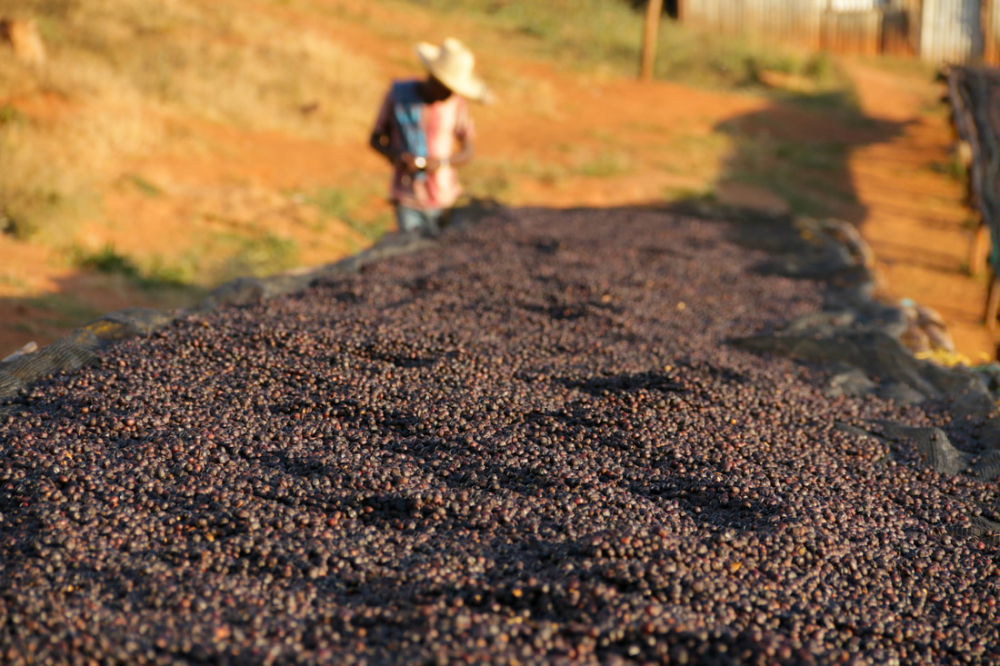
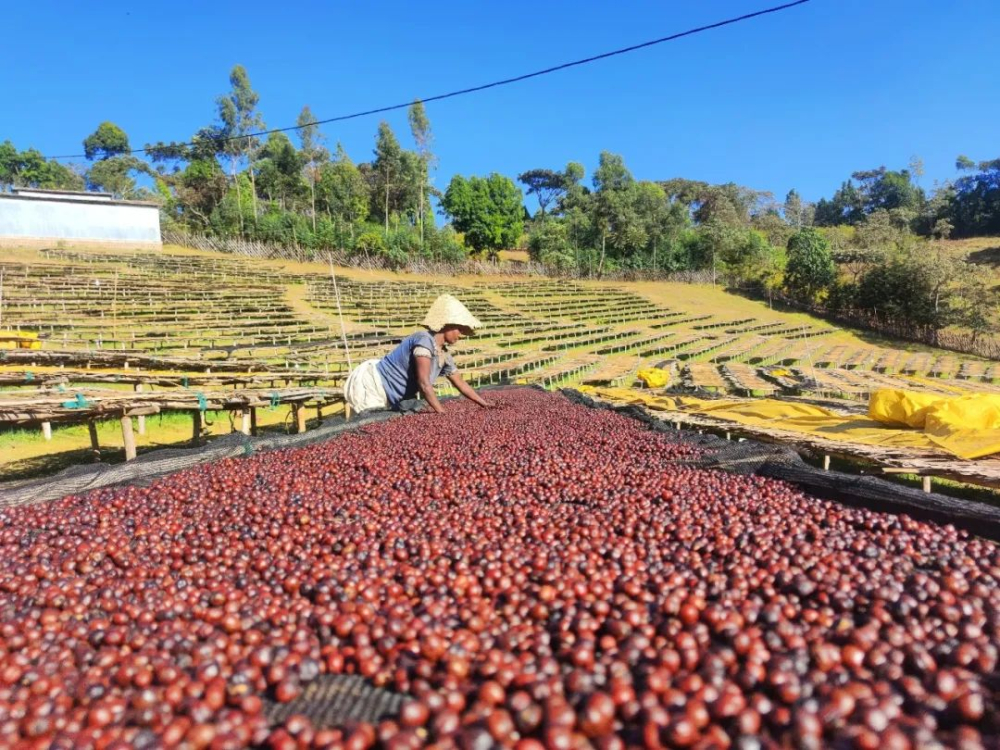
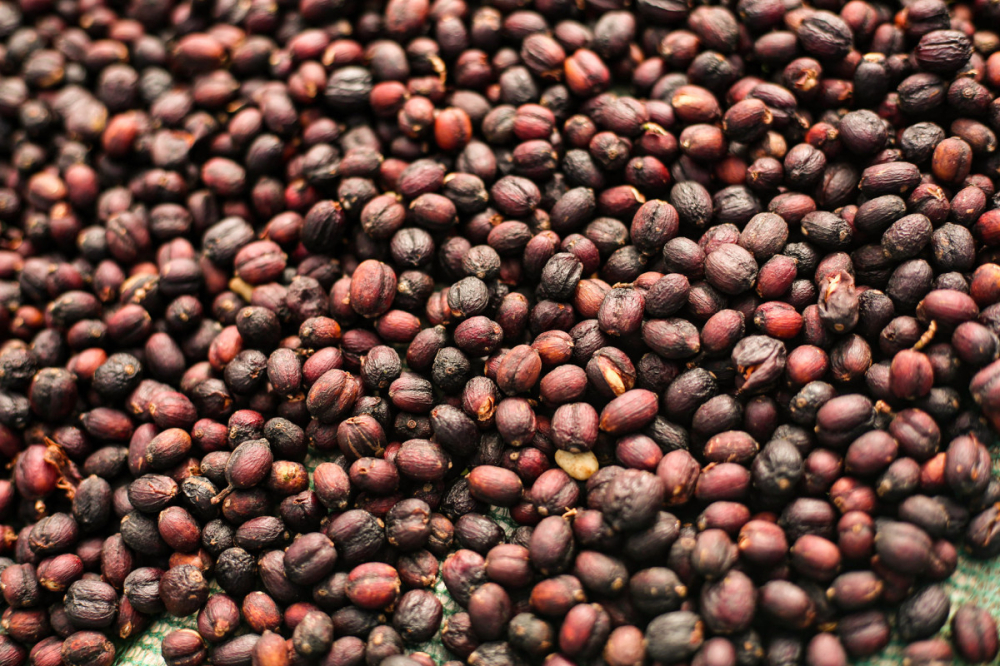
Sun-drying is the most widely used processing method in Ethiopia, particularly in the arid Harrar region. Coffee beans dried on raised beds for 2–3 weeks often exhibit intense fruit aromas such as apricot and dried blueberries, along with alcoholic fermentation notes. Washed processing is concentrated in water-rich areas like Sidamo, where precise fermentation and washing procedures highlight bright citrus notes like lemon and grapefruit. Among the emerging honey processing techniques, red honey (retaining 75% mucilage) processed beans often present a honey-like velvety texture and brown sugar sweetness.
Kenya: A Model of Rigorous Quality Control
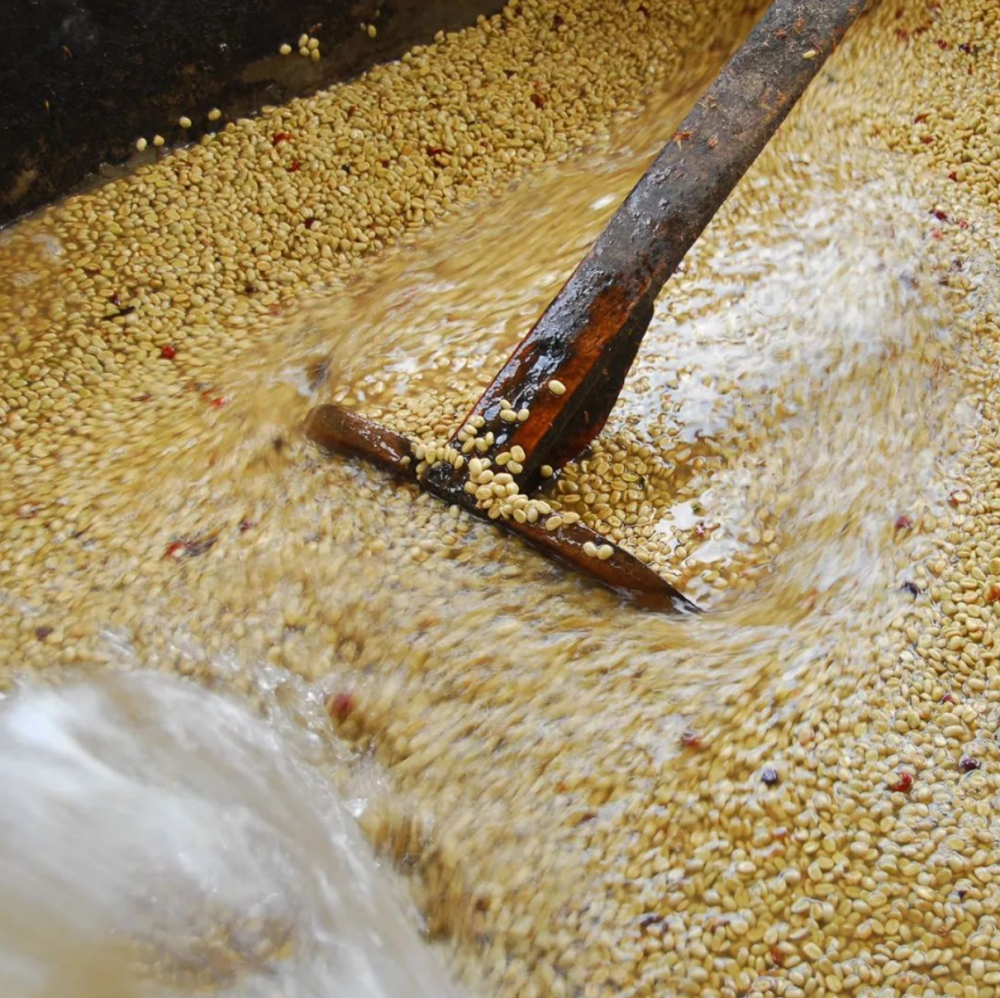
Kenya’s coffee industry is renowned for its unique double-auction system, where all green beans must undergo official quality grading (from PB peaberry to Grade AB) before being publicly auctioned. Planting regions at elevations of 1500–2100 meters harvest twice per season, and the famous SL28 and SL24 varieties produce complex flavors with tomato-like acidity and blackcurrant aftertastes. It’s worth noting that the country requires washed processing factories to strictly control fermentation times—a key factor in achieving their bright acidity.
Burundi and Rwanda: Alpine Essence
Nestled in the East African Rift Valley, Burundi’s coffee cultivation is primarily concentrated in highland areas at elevations of 1400–2000 meters. The Bourbon variety here showcases tropical fruit aromas such as passion fruit and pineapple, with altitudes above 1700 meters further developing lemony notes. Processing mostly employs washed methods, and the smallholder cooperative model ensures each batch of beans carries unique microclimate characteristics.

Practical Brewing Recommendations
When enjoying African coffees, it’s recommended to use medium-light roasts to preserve the original flavors. For pour over, suggested parameters are:a coffee-to-water ratio of 1:15, water temperature of 90–92°C, and grind size between medium-fine and medium-coarse (e.g., EK43 setting 8–10). For sun-dried beans, you may appropriately extend the blooming time (30–45 seconds), while washed beans are best brewed with a faster rhythm to maintain clarity of acidity.
From Ethiopia’s diversity to Kenya’s rigorous quality control, African coffees showcase the boundless potential of this ancient origin. Understanding the terroir and processing traditions of each region will help you more deeply appreciate the unique flavor expressions from the homeland of coffee.



The above content is compiled by CoffeeHunters, a coffee news website.


