








Introduction:In Panama’s high-altitude volcanic mountain regions, Gesha coffee has earned global acclaim for its unique aromas and complex flavors. Beyond the renowned Finca Elida, two other farms led by Jamison Savage—Finca Deborah and Morgan Estate—are equally noteworthy. This article will delve into the geographical environments, Gesha cultivation characteristics, organic management practices, and post-harvest processing techniques of these two sister farms. It will also explore the operations of the Savage Coffee system, and finally provide a pour over recommendation and actual cupping notes for a Savage Gesha to help you better understand the secrets of high-end Gesha.
Gesha coffee rose to fame through Panama’s Finca Elida, yet nestled within Panama’s lush volcanic highlands are two other farms celebrated for their Gesha—Finca Deborah and Morgan Estate. Both are part of Jamison Savage’s coffee domain, located respectively in the cool, high-altitude forests of Volcán and the rugged slopes of Barú Volcano, known for their ultimate organic cultivation and refined post-processing techniques.
These two farms not only carry forward the exceptional genetics of Panamanian Gesha, but also demonstrate unique features in their growing environments, management philosophies, and processing methods. Finca Deborah is situated in an altitude ofover 1900 meterswithin pristine forests, where the cool climate and pervasive fog foster intense sweetness and rich layers in the Gesha. Meanwhile, Morgan Estate is located on the steep western slopes of1600 to 1800 meterson Barú Volcano, surrounded by tropical rainforest, with challenging harvesting conditions that nevertheless yield a highly distinctive Gesha flavor.

Panama’s ability to cultivate world-class Gesha is inseparable from its unique geographical conditions. Located in Central America, bordered by Costa Rica to the north and Colombia to the south, the country features numerous high-altitude volcanoes, including those in areas such as Barú, Boquete, Volcán, and Río Sereno. The region’s diverse microclimates, combined with mineral-rich volcanic soils, offer an almost ideal environment for specialty coffee. Compared to Ethiopia, Panama’s temperature variations, altitude, and shade conditions better unlock the potential of Gesha, allowing its flavors to fully express themselves.
Finca Deborah can be considered an ultimate challenge ground for Gesha cultivation. Not only is the altitude high here, but the diurnal temperature variation is significant, often dropping to10°C[temperature missing] at night, and the area receives abundant rainfall of2200 millimetersper year along with constant dense fog, which greatly reduces the occurrence of pests and diseases. Though such an environment is unfavorable for general crops, it becomes an ideal cradle for delicate varieties like Gesha. Under high altitude and cold conditions, coffee trees grow slowly, and fruit ripening is prolonged, thereby accumulating richer flavor compounds and sugar content.
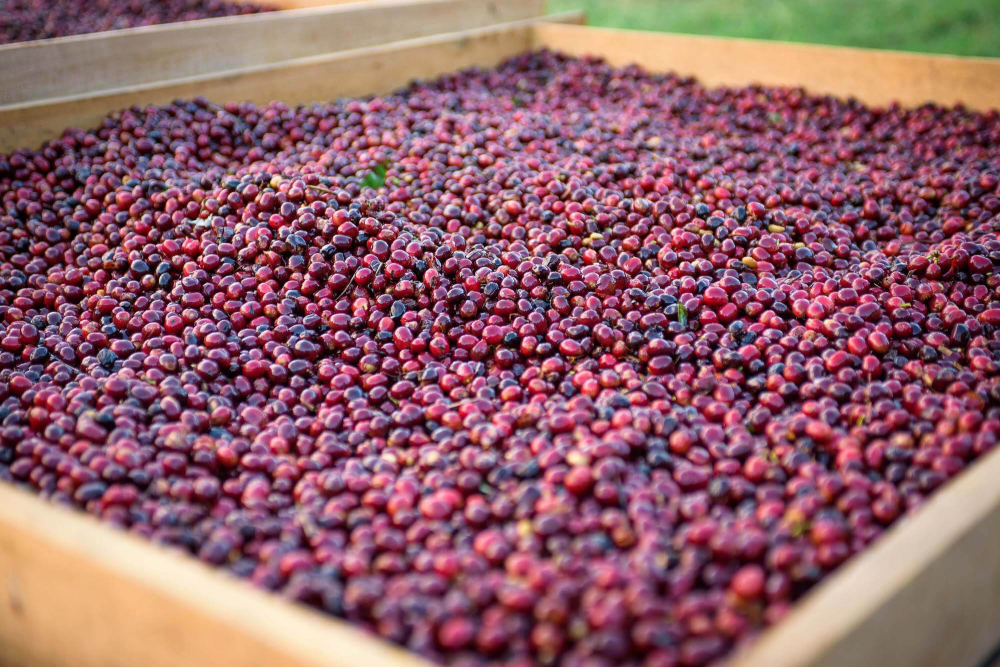
In terms of post-harvest processing, Finca Deborah employs an exquisite natural (sun-dried) method. First, fully ripe cherries are meticulously hand-selected, then spread in thin layers on sun-drying patios for slow drying to ensure stable and even evaporation of pulp moisture. The dried coffee beans are left in their parchment with mucilage for up to60 daysto deepen aroma and stabilize sugar conversion. Finally, a second round of screening removes defective beans to ensure the final product delivers a high-purity, clean flavor profile. This intricate process is key to why Finca Deborah’s Gesha exhibits intense sweetness and complex layers.
Speaking of a certain coffee system, this is a micro-producer initiative driven by an individual in the Boquete and Volcán regions, uniting numerous small farms and coffee farmers dedicated to sustainable cultivation and quality improvement. This series only harvests fully red-ripe coffee cherries, emphasizing the unique characteristics brought by native microclimates. The participating farmers, like this individual, adhere to environmentally friendly farming practices and incorporate innovative processing methods into traditional techniques. Recently cupped Gesha from this series showcases captivating floral notes, with bright acidity and sweetness upon entry, followed by a clean and layered aftertaste—making it an excellent entry point for exploring Panamanian specialty coffee.
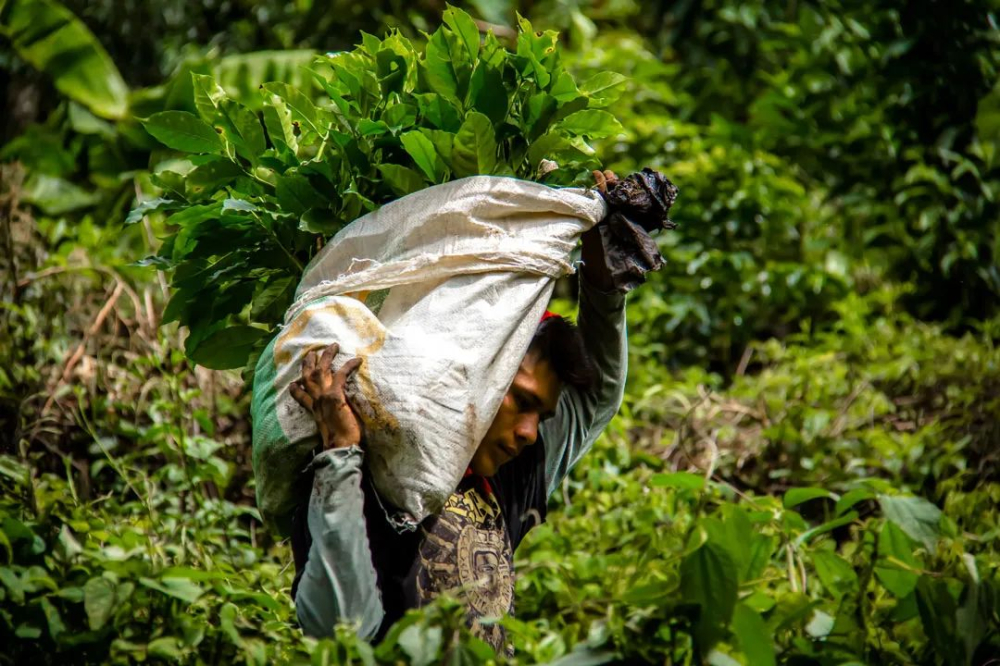
As a sister farm to Finca Deborah, Morgan also focuses on the Gesha variety. The estate is located on the steep slopes of the western side of Barú Volcano, at an altitude between1600 and 1800 meters, surrounded by tropical rainforests and natural waterfalls, boasting rich ecology and stunning landscapes. Due to the rugged terrain, harvesting is difficult, with only about2000 coffee treesplanted per hectare across a total area of around 15 hectares. Managed by Jamison, the estate continues strict organic management, adjusting fertilizer application based on soil test data. Upon detection of pests or diseased plants, they are uprooted and the soil is reconditioned to prevent disease spread. Moreover, to protect local water sources and the natural ecosystem, all coffee cherries are sent off-site for post-harvest processing, reflecting a strong commitment to environmental sustainability.
Jamison has accumulated over a decade of experience in coffee post-processing techniques. One of the Savage Gesha coffees utilizes an “anaerobic natural (sun-dried) process.” The steps include: first placing freshly picked coffee cherries in a greenhouse to sun-dry until they approach raisin-like dryness, then transferring them into a sealed container for36 hours of anaerobic fermentation, followed by removing the skins but retaining the full mucilage to continue fermentation and further develop flavor. This method enhances fruity and floral expressions, resulting in a coffee with sweet fruit tones and bright acidity, offering a full-bodied and layered flavor profile.
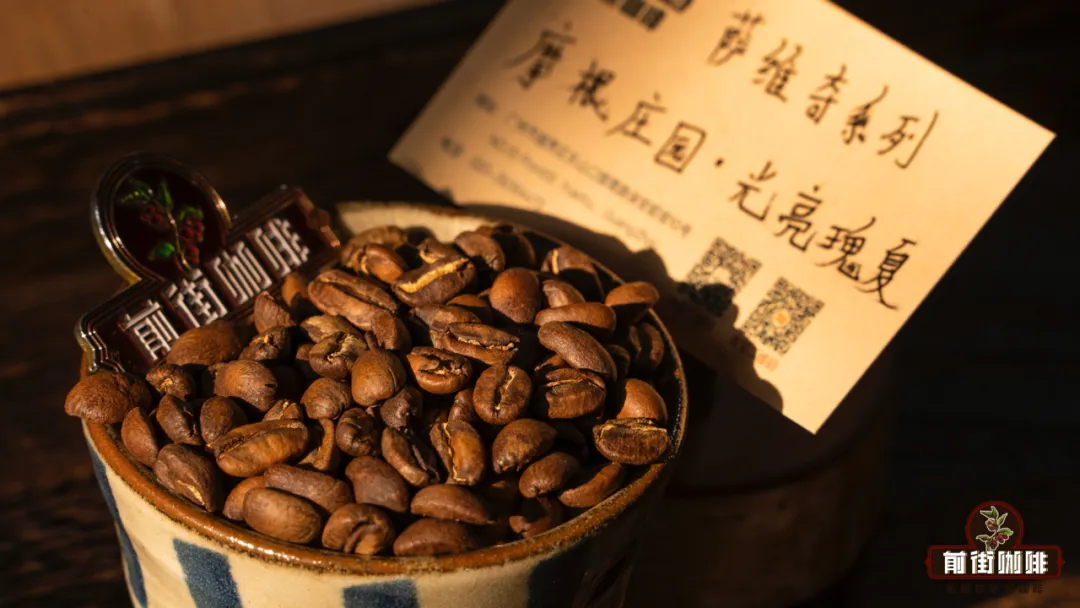
For brewing recommendations, since this Gesha is lightly roasted, it is advised to use freshly roasted beans (ideally within5 daysof roasting) to fully experience its vibrant acidity and delicate aromas. Suggested brewing parameters are as follows: use a Hario V60 filter, with water temperature controlled at90°C[temperature missing], coffee dosage15 grams1:15, brew ratio80%[extraction rate missing], grind size medium-fine (about[percentage missing] passing rate through a Chinese No. 20 sieve). Use a three-stage extraction: start with a 30-second bloom using twice the coffee dose in water, then add water in stages up to125 gramsand225 grams, with total extraction time around2 minutes
. These parameters are designed to fully release the high-volatility aromatic compounds and sweet-acidic tones of light-roast beans.If choosing pre-ground coffee, it is recommended to use it immediately to avoid oxidation affecting flavor. If purchasing whole beans, a resting period of4 to 7 days
The above content is compiled by CoffeeHunters, a coffee news website.


