







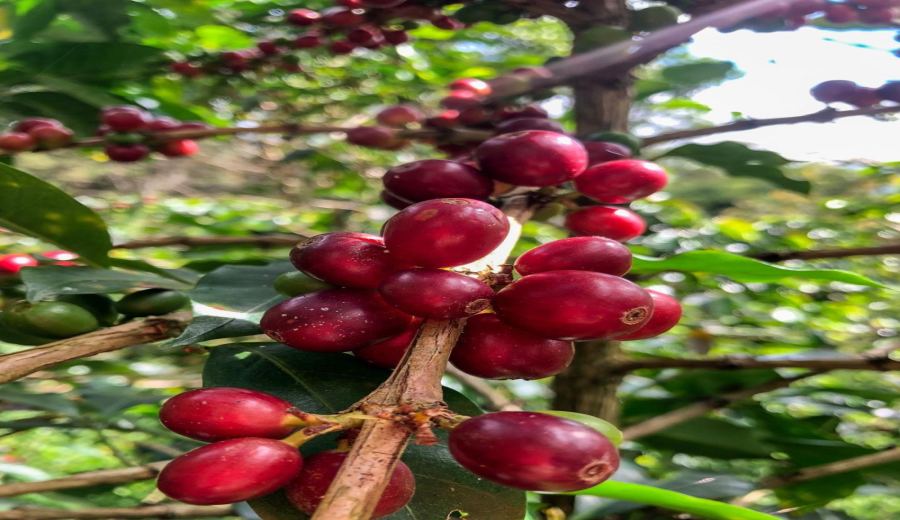
Introduction:Delve into the geographical advantages and coffee characteristics of Colombia’s Cauca region, analyzing how washed Caturra develops its unique balance of acidity and sweetness in high-altitude and volcanic soil conditions. This article covers regional terroir, the Cup of Excellence background, details of the Suárez microregion, along with professional roasting profiles and pour over recommendations to help you master this high-potential coffee from green bean to cup.
Colombia’s Cauca Department is renowned for its high-altitude mountainous regions and mineral-rich volcanic soils, making it one of the world’s important fine coffee origins. The significant diurnal temperature variation here helps coffee cherries ripen slowly, accumulating richer sugars and flavor compounds. Washed Caturra from the Suárez microregion stands out with its bright acidity and full sweetness, earning favor from international judges and drawing attention from many coffee enthusiasts and roasters.
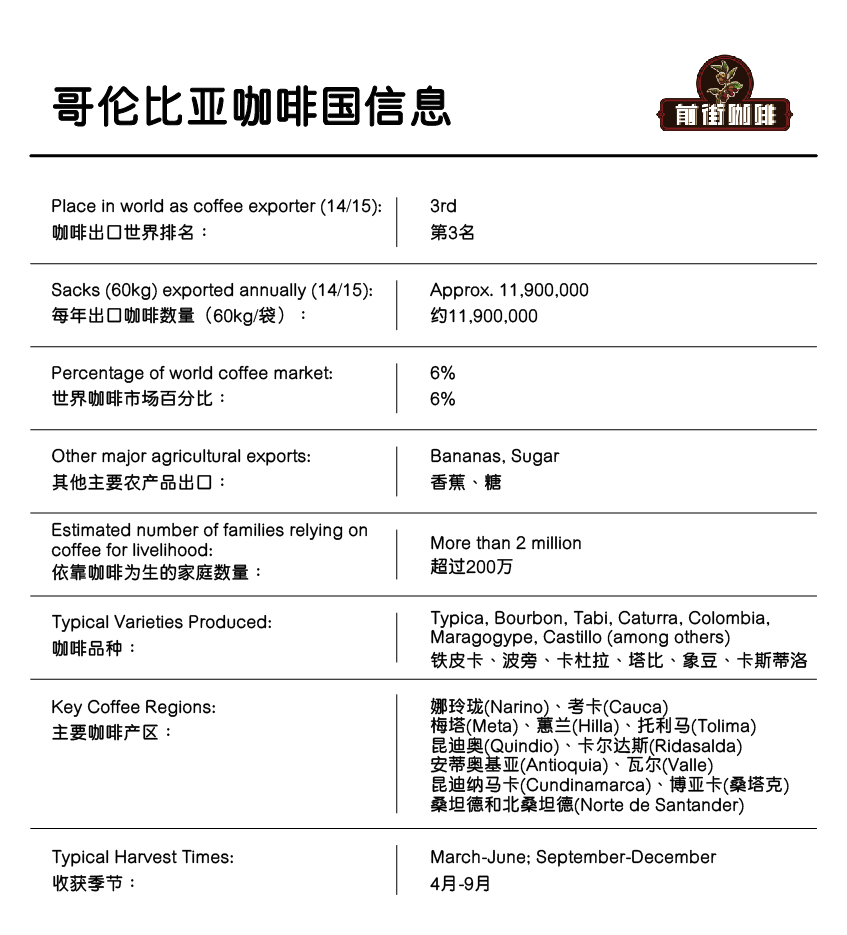
Located in southwestern Colombia, Cauca shares prestige with Nariño and Huila as one of the country’s core specialty coffee zones. The average elevation ranges between 1,758 and 2,100 meters, with a stable climate and distinct dry and wet seasons. The main harvest period falls between March and June each year, with a secondary season from November to December. About 80% of the region is mountainous terrain, and its complex topography and microclimates contribute to the layered and unique flavors of its coffee.
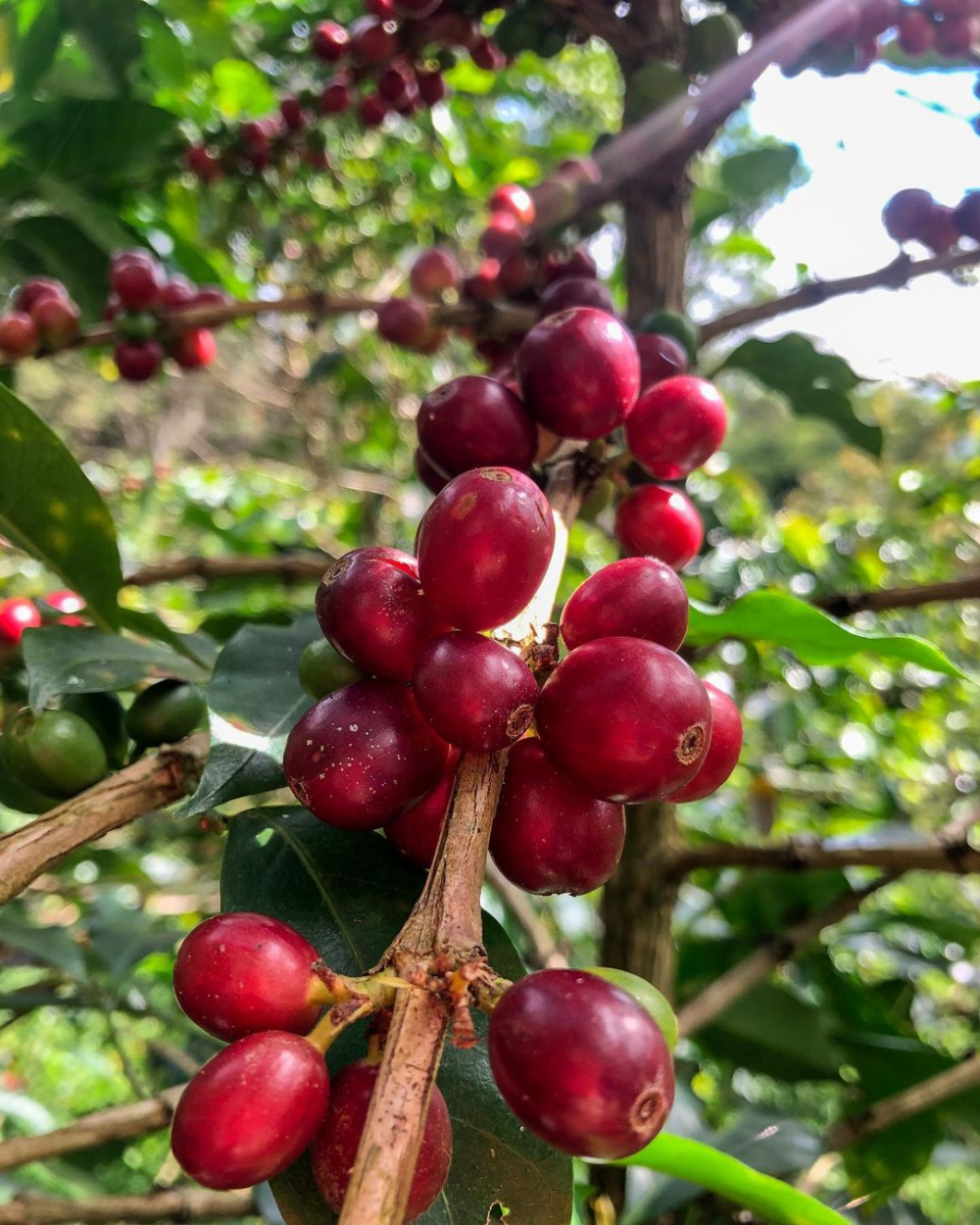
Since 2014, the Cauca Best Cup competition has been held, jointly organized by U.S. traders, local exporters, and the Colombian Coffee Growers Federation. The first edition attracted around 200 entries, which surged to over 500 the following year. The jury selected the top 30 samples from numerous entries, followed by international cuppers choosing the top 12, which were then auctioned to global buyers. This competition not only increases income for smallholder farmers but also encourages continuous improvement in cultivation and processing techniques, further enhancing overall coffee quality.
Coffee farming in the Cauca region is dominated by smallholders. The mountainous terrain and climate, shielded by high mountains, effectively block Pacific moisture and southern trade winds, helping the region maintain a stable microclimate. The region’s unique volcanic clay is rich in nutrients, and with an average annual temperature of about 11°C and a daily temperature variation of up to 18°C, it aids in slow coffee maturation, building intense flavors and unique sweetness. The main coffee varieties in the region include Typica (21%), Caturra (64%), and Castillo (15%), among which washed Caturra performs exceptionally well.
As an important microregion within Cauca, the Suárez area features coffee farms located at high elevations with distinctive climatic conditions. Surrounded by mountains that block external airflows, the region enjoys stable weather and abundant sunshine. With altitudes ranging between 1,758 and 2,100 meters, the main harvesting periods are from October to December and June to August, primarily cultivating the Caturra variety. The region’s exceptional geographical environment gives its coffee high potential in both acid-sweet balance and aroma expression.
In terms of roasting, Cauca washed Caturra green beans have a plump and round appearance, with a yellowish-green hue, good uniformity, and relatively high moisture content. A medium-to-dark roasting approach is recommended to highlight its rich body and complex chocolate and nut aromas. For practical roasting, it is advised to set the initial charge temperature at 200°C with slightly higher heat, extending the drying phase and gradually reducing the heat to stabilize the temperature curve. Special attention should be paid to adjusting the heat at the yellowing point, upon completion of drying, and before first crack to avoid scorching the bean surface. After first crack begins, extending the development time to 2 minutes and 50 seconds helps deepen caramelization reactions, reduce overly sharp fruit acids, and enhance the nutty and caramel notes in the aftertaste.
It is recommended to use a Yangjia 600g semi-direct-fire roaster, setting the drum entry temperature at 200°C and the airflow at level 3. After 30 seconds, adjust the heat to 160°C while maintaining the same airflow. The turning point occurs around 1 minute and 37 seconds, after which maintain the heat until 5 minutes and 15 seconds when the bean surface turns yellow and grassy notes fade, entering the drying phase. At this point, reduce the heat to 140°C and adjust the airflow to level 4. Around 8 minutes and 55 seconds, drying is completed, then lower the heat to 185°C. By 9 minutes and 10 seconds, when the bean surface shows obvious wrinkles and dark spots, and the coffee aroma replaces the bread-roasting smell, first crack is about to begin. First crack starts at 9 minutes and 17 seconds, then immediately reduce the heat to 90°C, open the airflow fully to level 5, and carefully control the flame to prevent the crackling sound from disappearing. Continue roasting for 2 minutes and 50 seconds after first crack, and drop the beans at 199.4°C to fully develop the flavors and enhance overall body.
For brewing suggestions, this coffee is suitable for a medium-fine grind. A recommended coffee-to-water ratio is about 1:15 to 1:16, with water temperature controlled between 92–94°C. You can use a three-pour or center-pour method: start with a small amount of hot water for a 30-second bloom to activate aroma release from the coffee grounds. Maintain steady and even water flow during the middle and final pours to ensure balanced extraction, which helps achieve a well-balanced acid-sweet profile and highlights the chocolate and nutty aftertaste. Be mindful to keep the total brew time between 2 minutes 30 seconds and 3 minutes to avoid over-extraction and bitterness.
The above content is compiled by CoffeeHunters, a coffee news website.


